Car keys · Woolwich
Transponder Key Programming
The blade snapped off flush with the door lock last winter, and the shop that cut a replacement only matched the metal shape.
In plain words
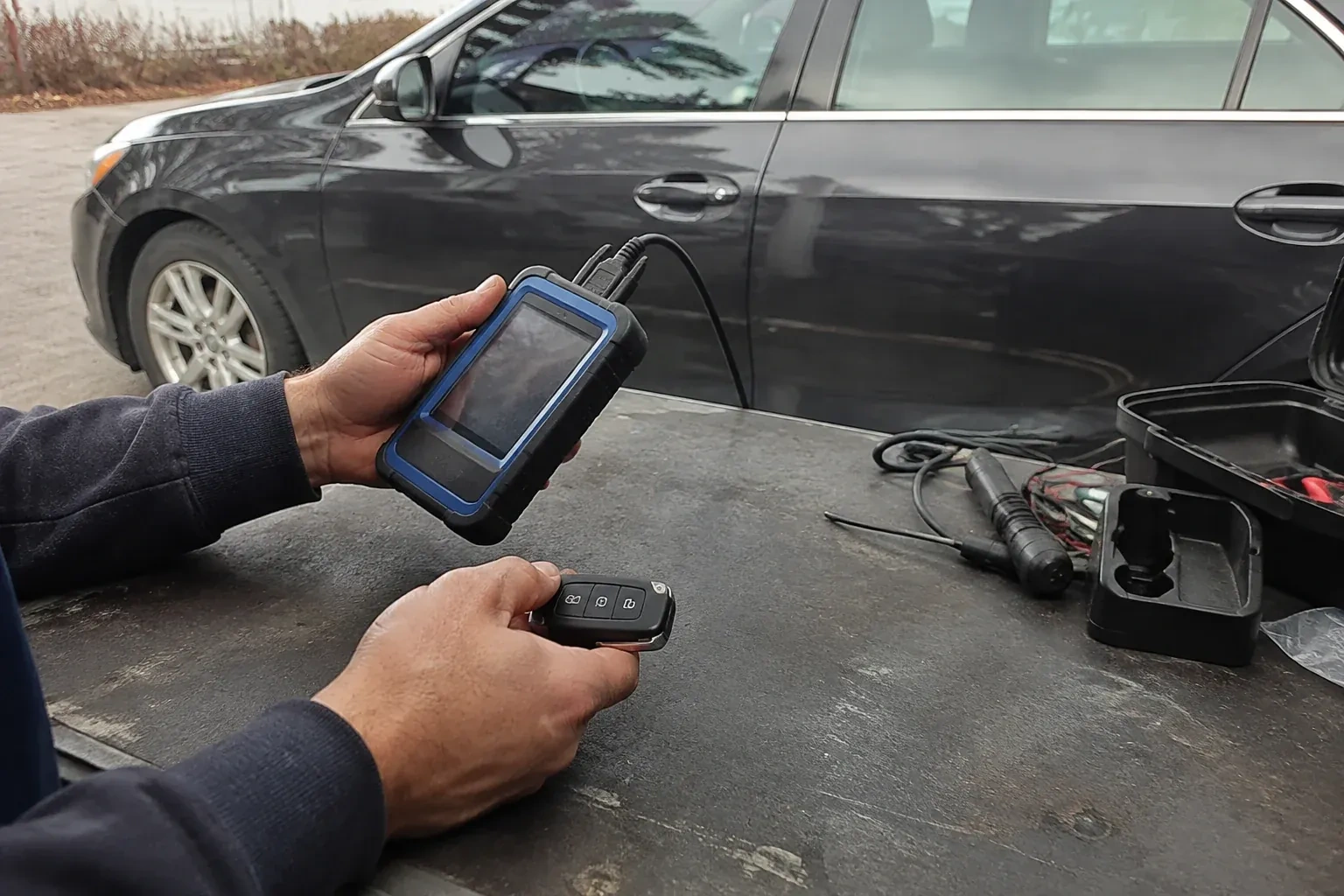
Some vehicles let a locksmith reach the key list directly through the onboard diagnostic port with the right equipment, which keeps a spare or replacement fairly direct. Others, especially newer models, gate that list behind a security session tied to the manufacturer's own network, adding a step before any new key can be written. Knowing in advance which category a vehicle falls into sets realistic expectations for how the visit will unfold, rather than assuming every car behaves the same way under the dash.
How the visit goesThe remote fob has gone silent, the doors won't unlock with a button press, and the little emergency blade tucked inside it has not been used since the day the car was bought. Nobody remembers exactly where the metal edge is supposed to go once it's out.
Transponder Key Programming
How the visit goes
What the finished set should look like
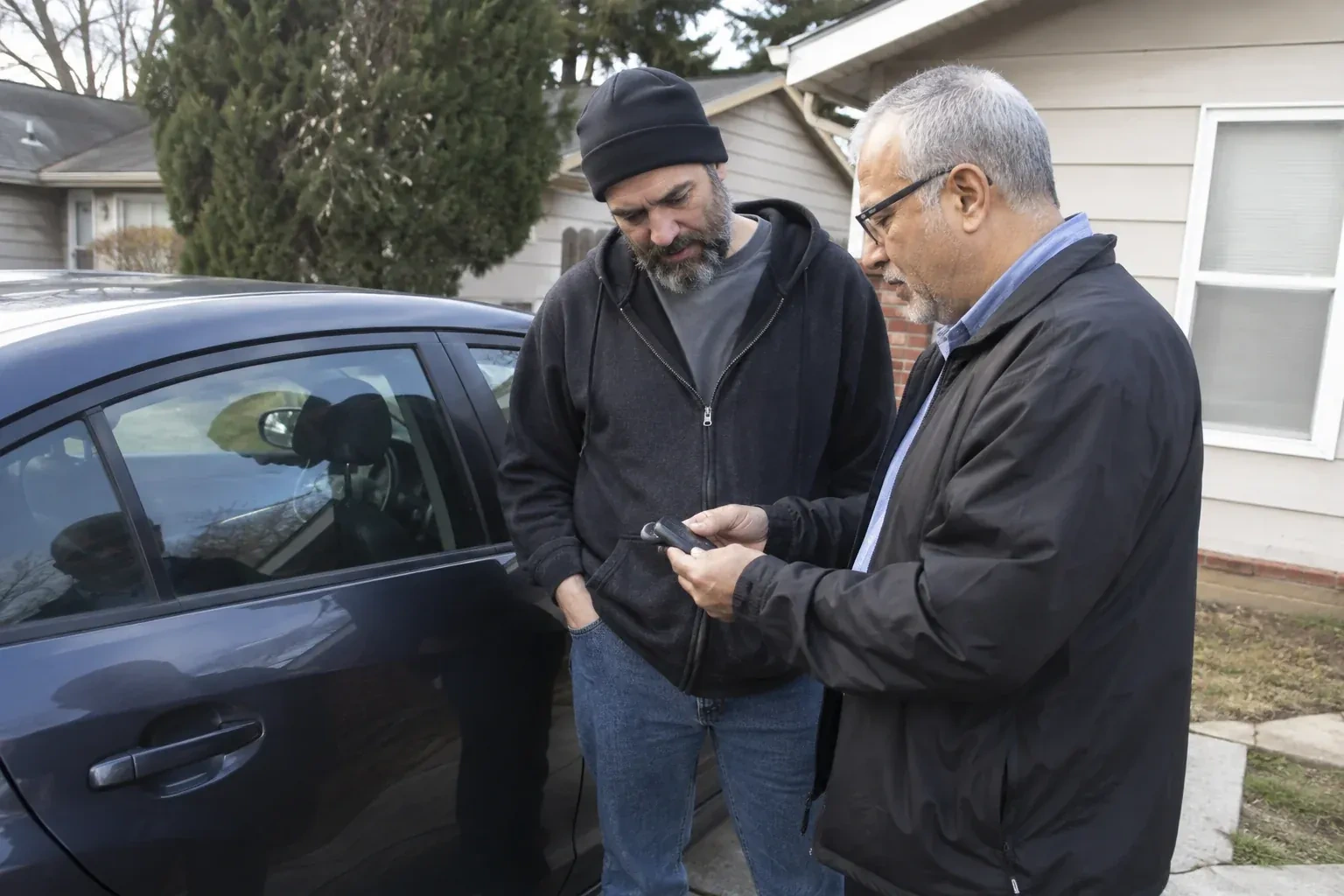
Not every visit ends the same way. Someone who lost their only key wants a working replacement and nothing more. A family adding a driver wants an extra key without disturbing the ones already in daily use. Someone who has never had a spare wants one made and proven before it is ever needed. Asking how many keys should work afterward, and for whom, shapes the whole visit before a single tool comes out, and it is answered in plain terms rather than assumed.
Bringing the fob back to life
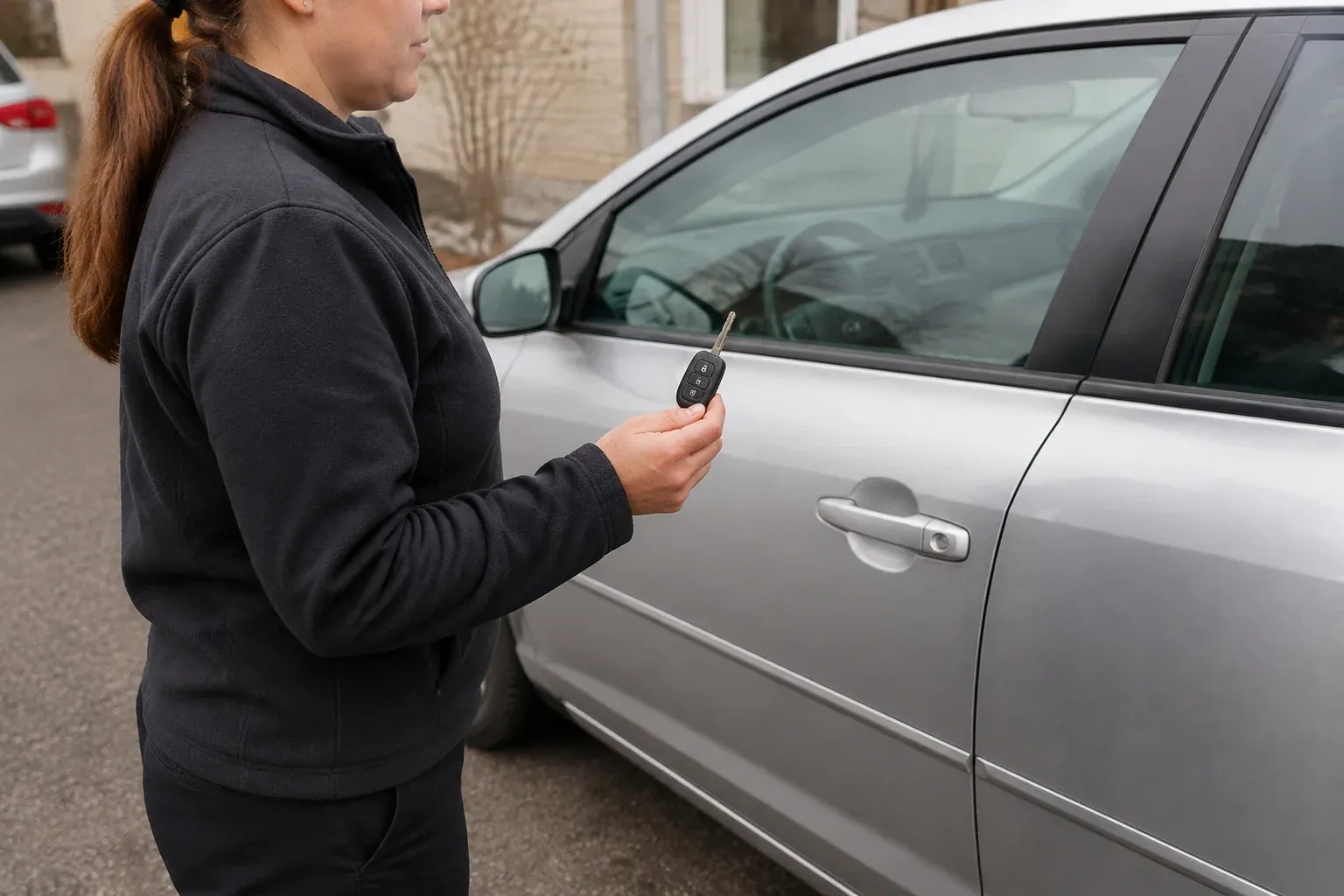
When the vehicle uses a remote-head or proximity fob, the visit includes more than the chip: a fresh battery goes into the fob itself, the remote-entry and any push-button start functions are paired, and the small metal emergency insert is checked and demonstrated if the fob carries one. None of this is separate from the programming; a fob that starts the car but cannot lock the doors, or unlocks the car but leaves the driver stranded when the battery dies, has not finished the job.
Ready for the next cold snap
A fob that survived one winter will not necessarily survive the next one on the same battery, since cold weather is genuinely harder on a battery that was already getting weak. Testing it before the temperature drops, rather than after it has already failed on a frozen morning, catches a fading battery while replacing it is still a small errand rather than an unplanned one. The metal blade inside a proximity fob does not mind the cold at all, which is exactly why it is worth knowing where it is.
Transponder Key Programming
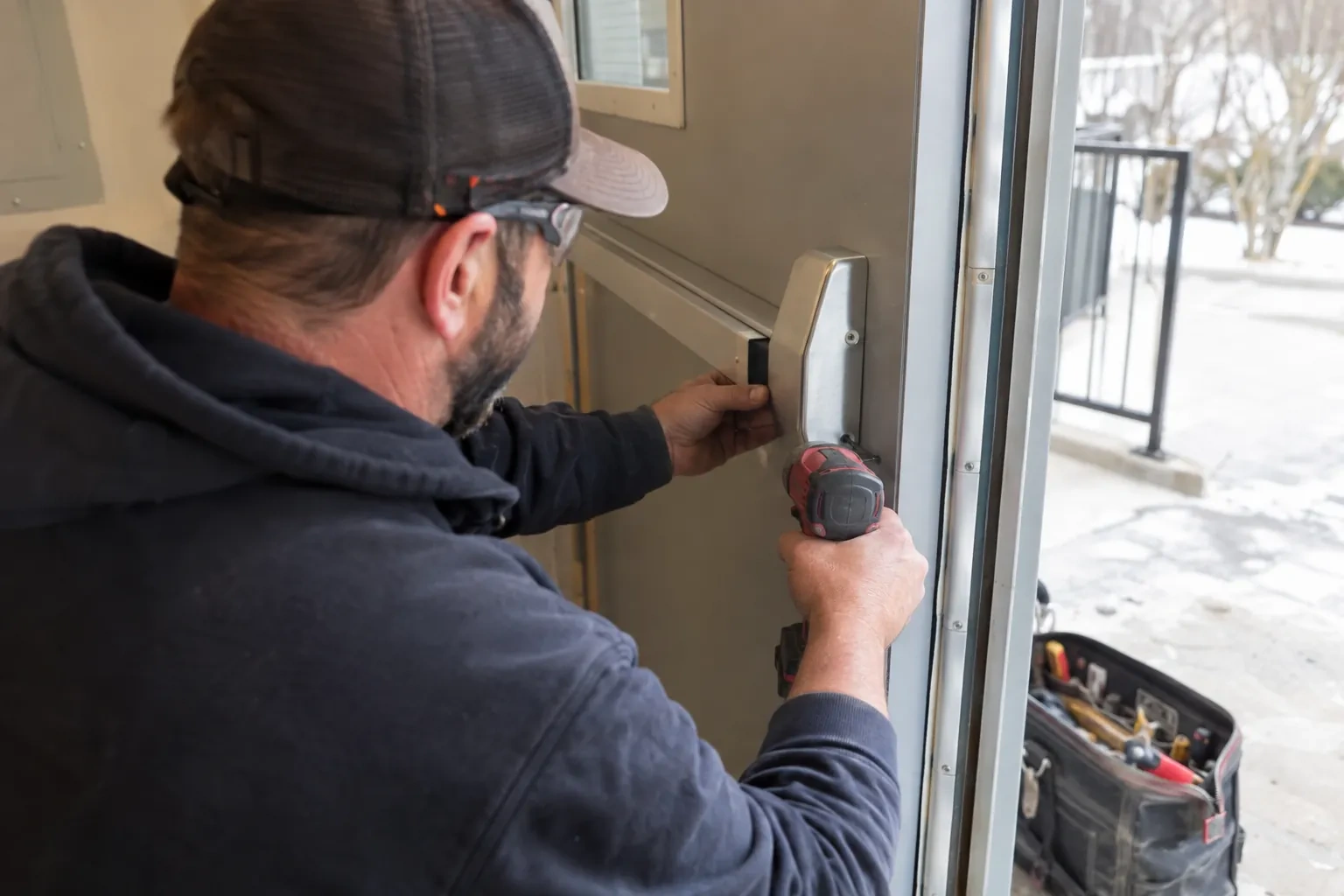
In the van
VIN reference tool
Diagnostic laptop or tablet
Key cutting machine
Frequency test reader
Bench programming adapter
Transponder Key Programming
What affects the quote
Distance to where the vehicle is parked
Since the visit travels to the vehicle rather than the other way around, how far that is factors into the visit the same way it would for any other call that has to reach a specific location.
Vehicle make, model and year
The chip family, the immobilizer generation, and how reachable the vehicle's key list is all follow from the exact vehicle, so identifying it precisely early on shapes both the blank needed and how much of the visit is straightforward programming versus a more involved security session.
Number of vehicles involved in one visit
A household with more than one vehicle needing keys programmed in the same visit is a longer job than a single vehicle, even where the vehicles share a similar system, since each one is read and written separately.
What to have ready
- Is the vehicle owned, financed, leased or company-registered?
- Is the key a basic blade, a remote-head, or push-button proximity?
- How many working keys would you like when this is finished?
Transponder Key Programming: questions
QuestionsWhat does a flashing security light on the dashboard usually mean?
Most commonly it means the immobilizer does not recognize the key currently in the ignition, whether because the chip has failed, the key was never programmed, or the vehicle's module is looking for a different identity than the one it is being shown. It is a useful, specific signal rather than a general warning, and it points fairly directly at a transponder issue.
Can a vehicle from before transponder keys were common have one added now?
It depends on the vehicle and what its factory ignition system supports; some older models can accept an aftermarket immobilizer and matching transponder key, while others were never built with a compatible module at all. This is worth discussing model by model rather than assuming either answer, since the mechanical side of an older ignition is often the easier half of that conversation.
How does a lost or stolen key get made useless?
Its identity is deleted from the immobilizer's memory during the same visit that adds the replacement, using the same connection to the vehicle's module. Once cleared, that key still opens a mechanical lock it happens to fit, but it no longer authorizes the engine, which removes the part of the vehicle that actually matters to whoever might be holding it.
Related services
- Car Key ReplacementYou bought the car privately and it came with a single key on a shoelace.
- Spare Car Key DuplicationThe proximity fob has ridden in a pocket for years, the range feels shorter than it used to, and a dashboard warning mentioned a battery a while back.
- Key Fob ProgrammingA fob went missing weeks ago somewhere between a coat pocket and a parking lot, and a spare has covered the gap since.