Locksmith in Heidelberg, OntarioAfter a break-in,the door comes first
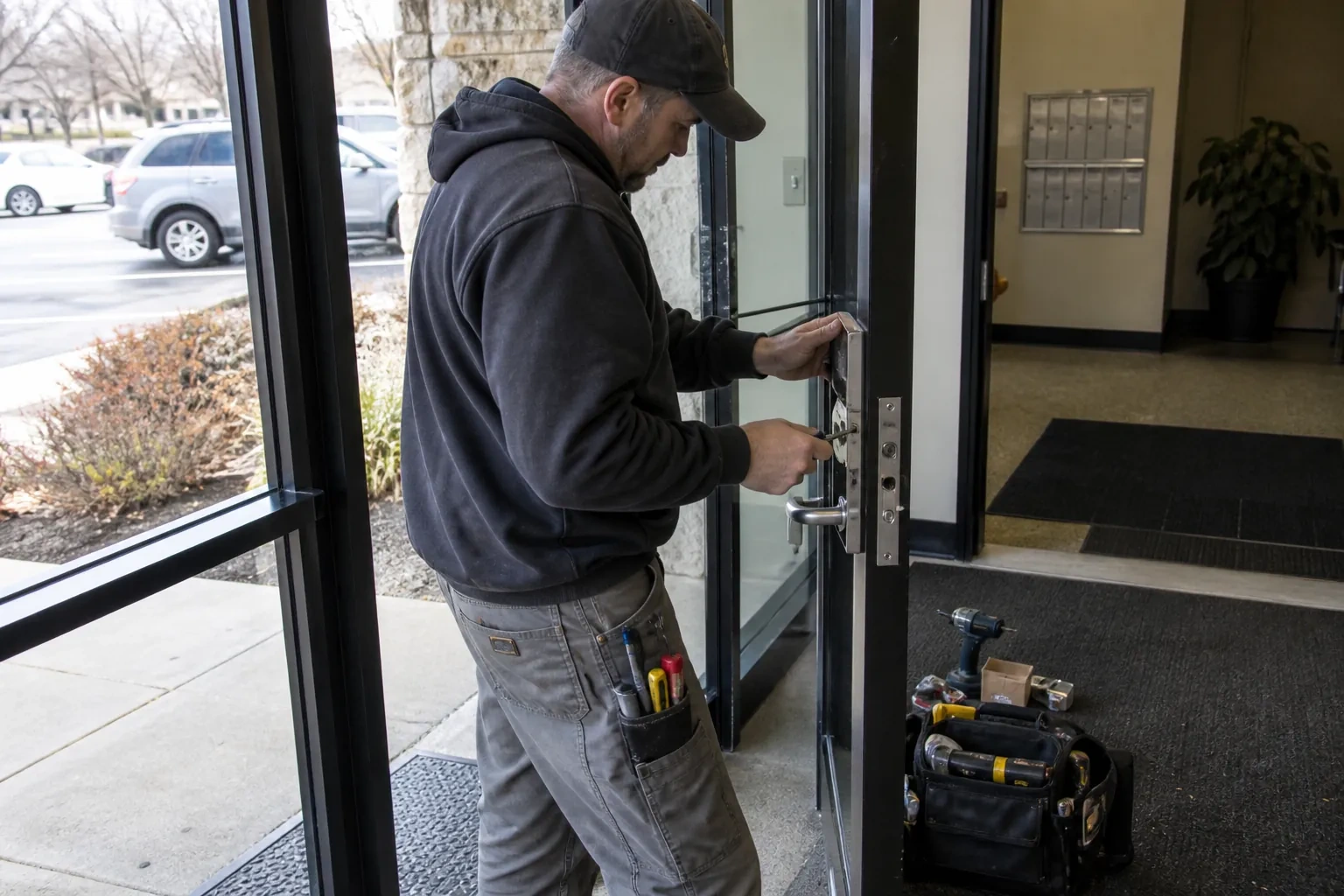
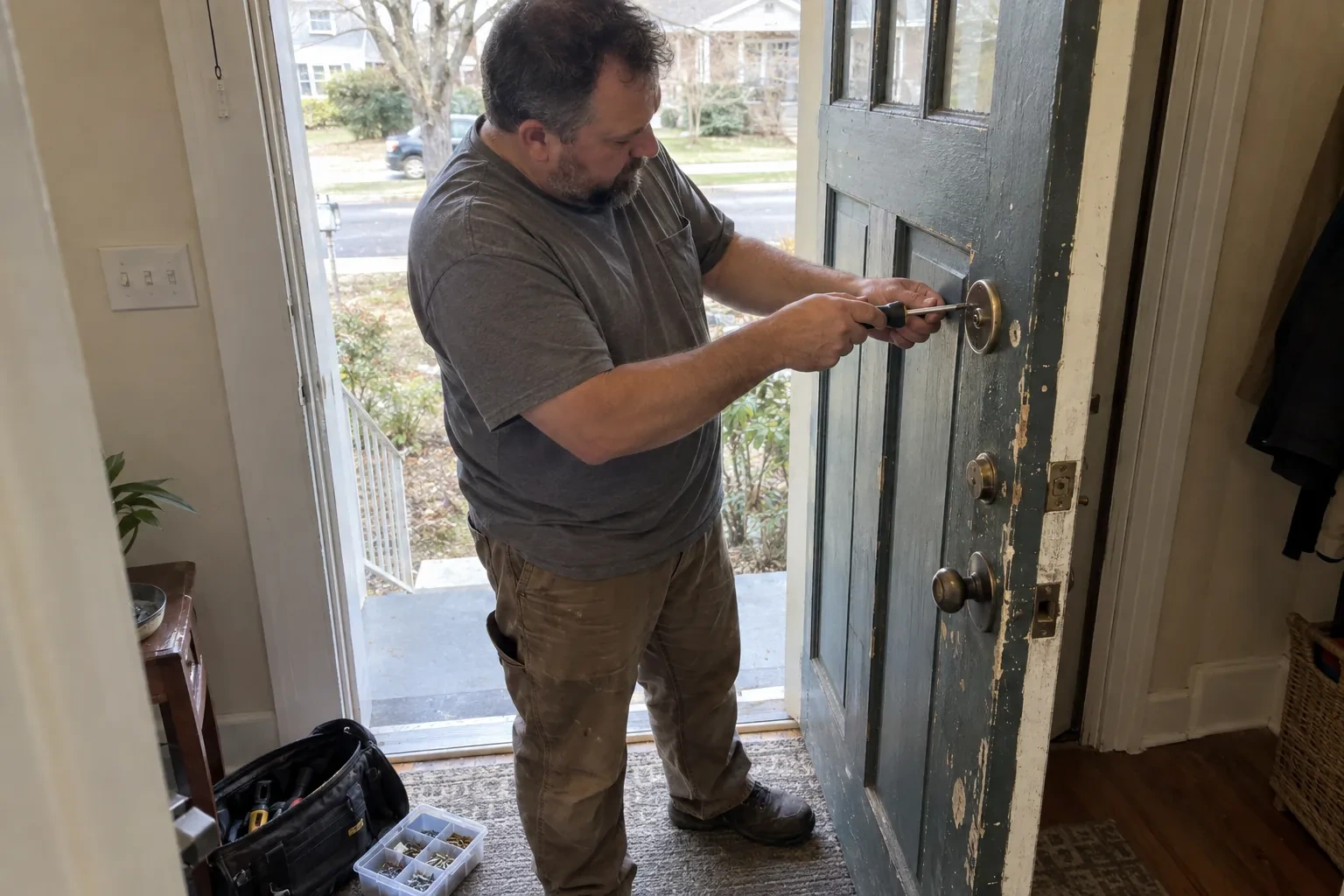
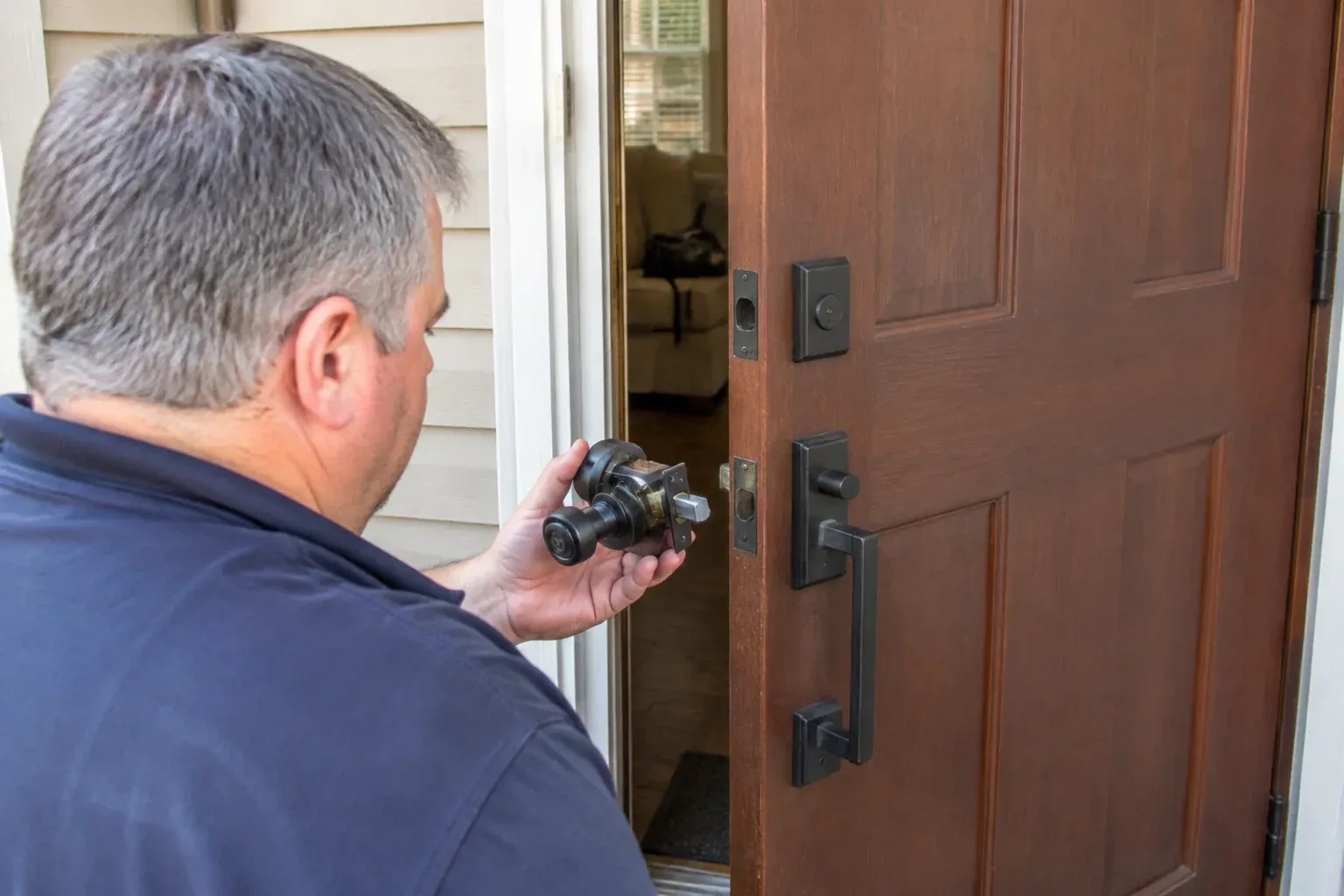
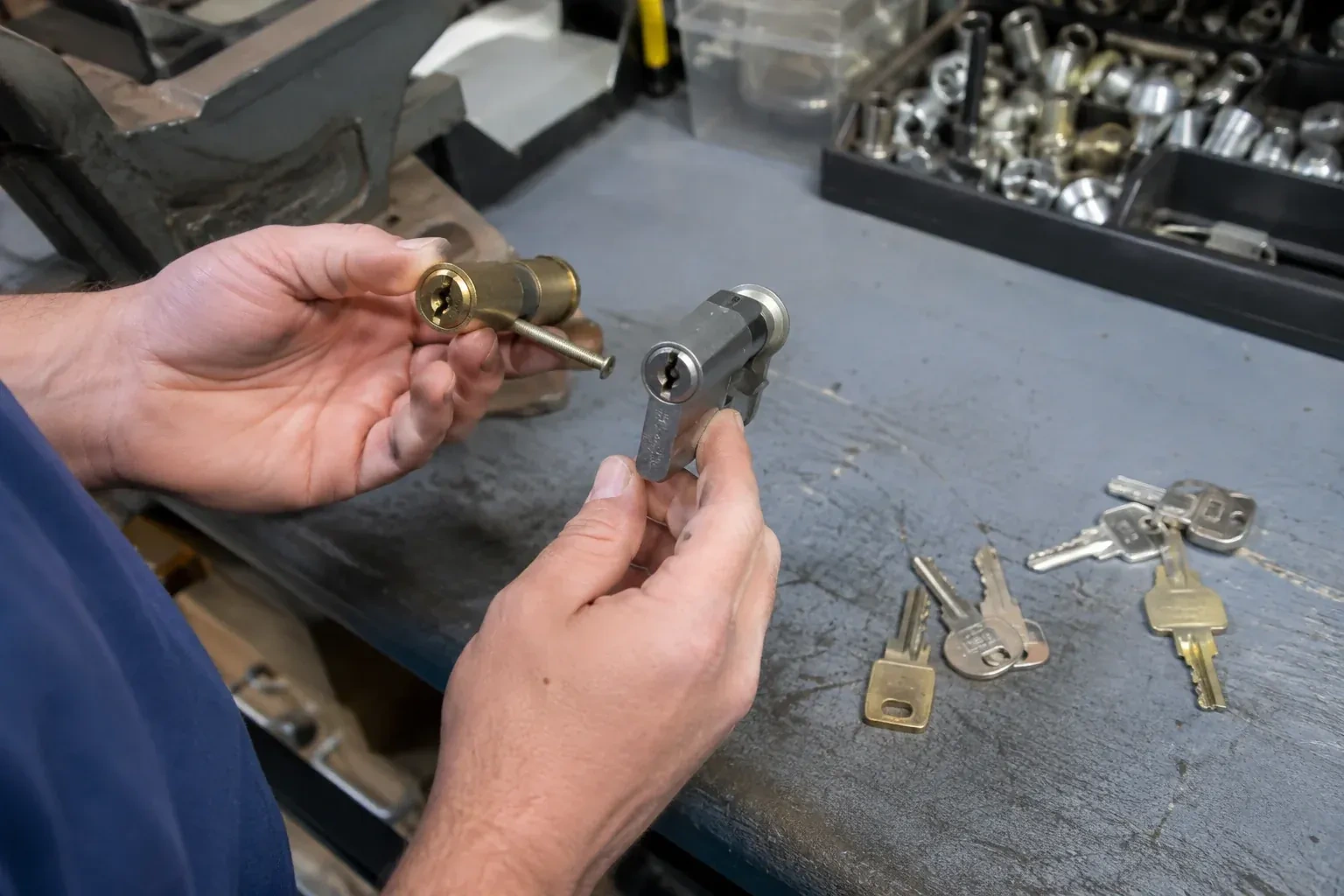
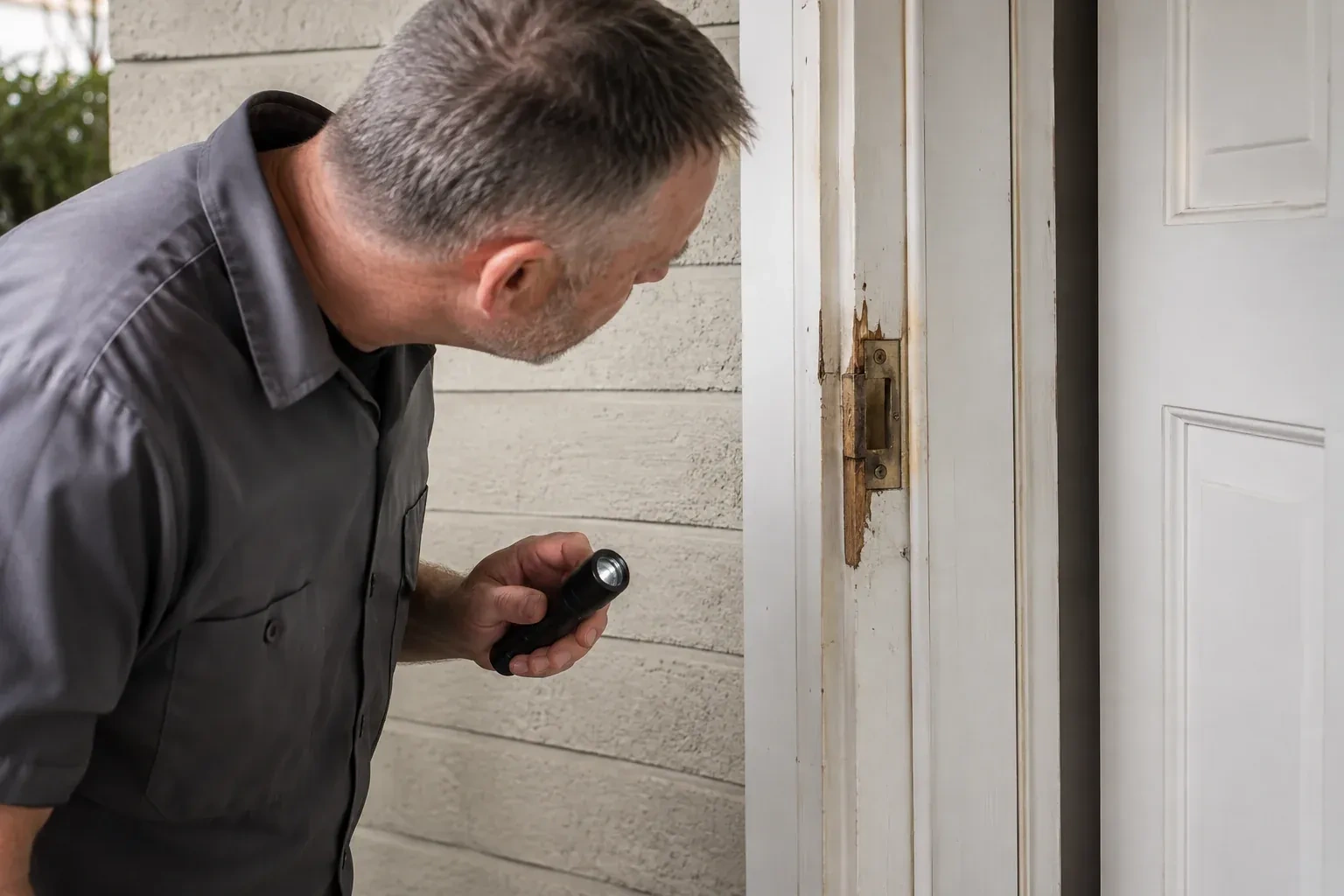
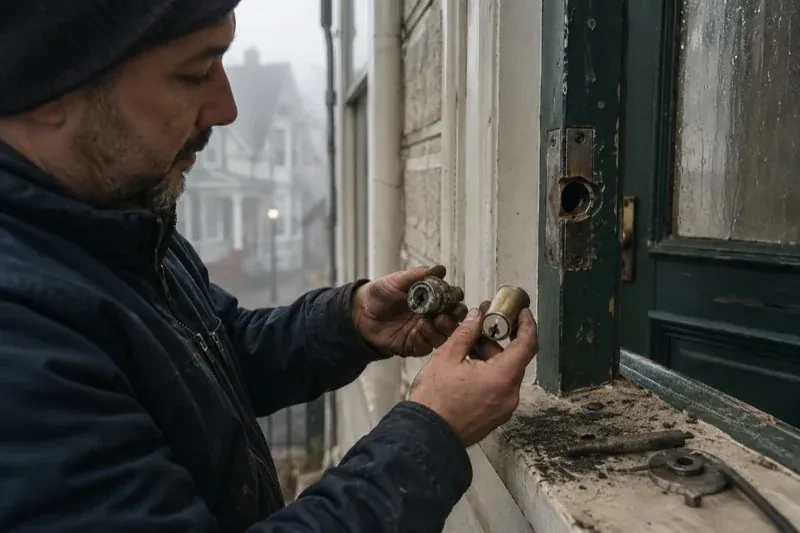
Once the report is filed, the door still has to lock tonight. In Heidelberg we repair split frames and bent strikes, replace damaged cylinders, rekey anything that might have been compromised, and talk through sensible upgrades later, once the house feels like yours again.
Once the report is filed, the door still has to lock tonight. In Heidelberg we repair split frames and bent strikes, replace damaged cylinders, rekey anything that might have been compromised, and talk through sensible upgrades later, once the house feels like yours again.
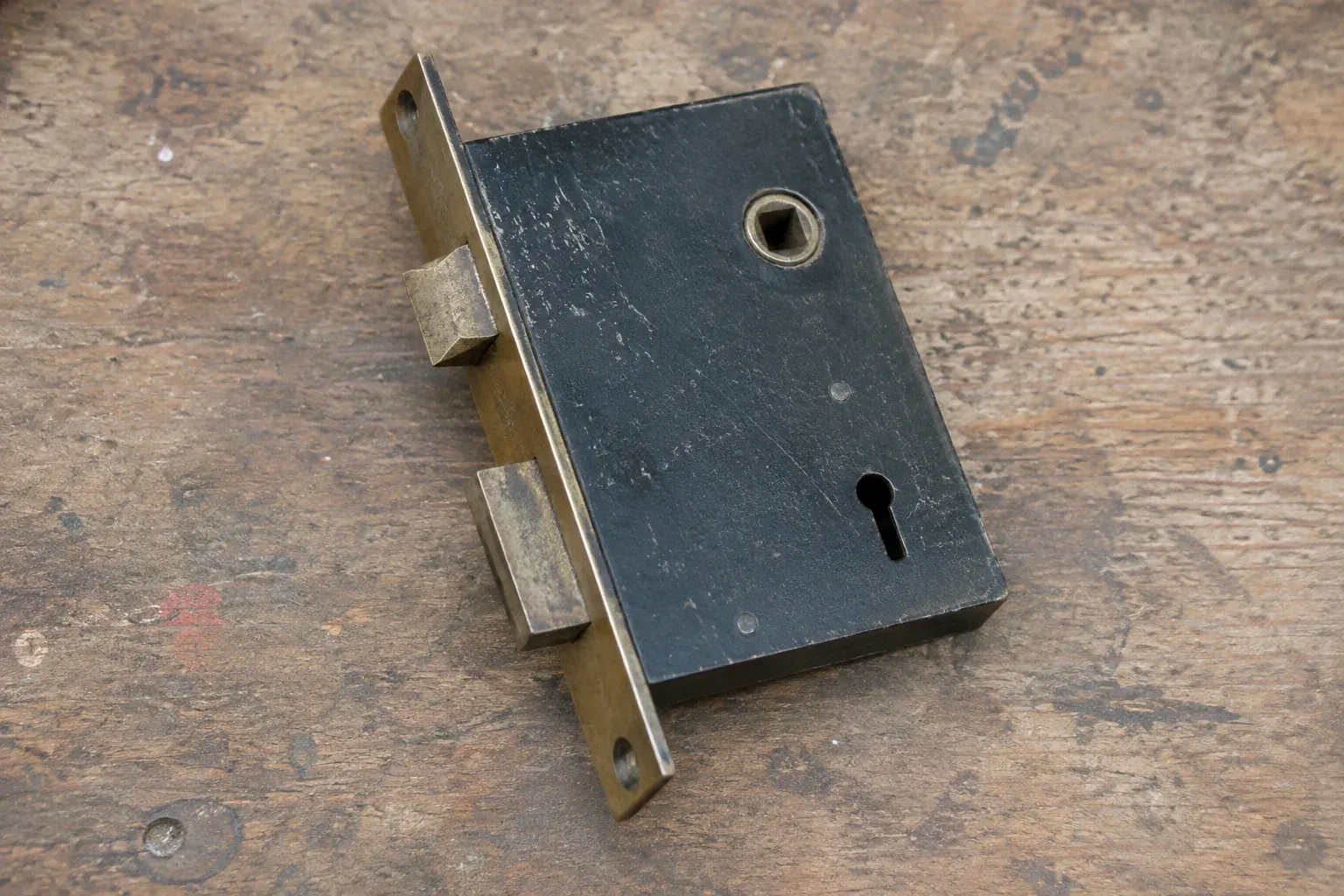
Old locks respected, new locks fitted right.
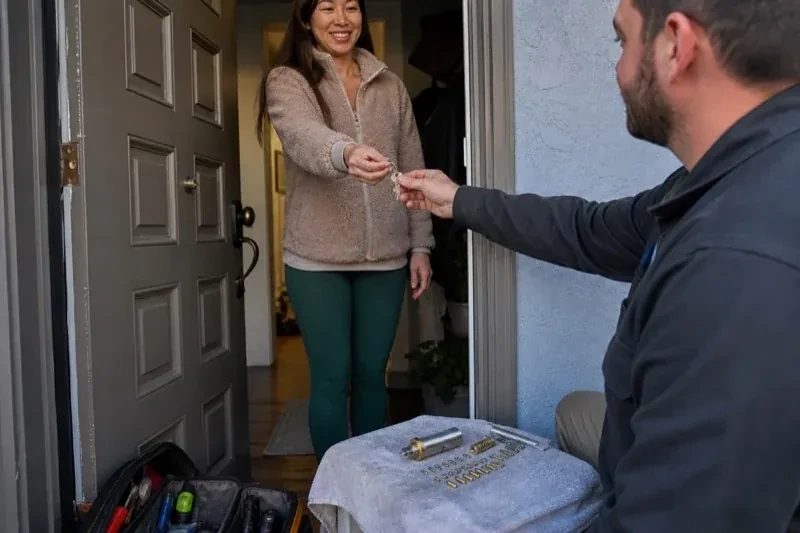
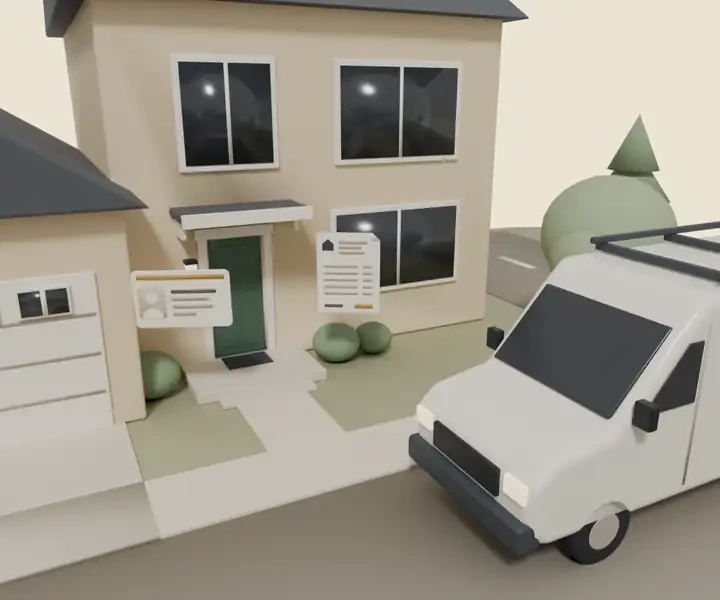
We are straightforward about time. A locksmith heading to Heidelberg calls when he is on the way, gives you an honest sense of how long the job will take once he has seen the door, and tells you if something changes. Nobody is left watching the driveway wondering, and nobody discovers the visit ran long only when the invoice arrives.
For landlords and property managers with units in Heidelberg, we offer organised turnover service: rekeying between tenants, labelled keys, master-key planning and a written record of what was changed. We work through doors in order, keep the paperwork straight and make sure the next tenant walks into a place where only their key works. One call covers a single unit or a whole building.
30years in business
24/7open every day
You know what is happening. From the first look to the last turn of the key, we narrate the job in plain terms. You should never wonder what we are doing to your door.
Suggestions, not pressure. If we think an upgrade would help, we say so once and explain why. If you decline, that is the end of it.
The old parts handled. Removed locks and keys are given to you or taken away as you prefer. Old keys that no longer work are worth destroying, and we will do that if you like.
Every service listed here has been done many times on doors in Heidelberg, which is why each page can be specific about what gets checked, how the work is carried out, and what you are left with afterwards. Read the one that matches your situation, then reach out with any question the page did not answer.
About 47% of homes in Woolwich were built in 1980 or earlier, according to the 2021 Census.
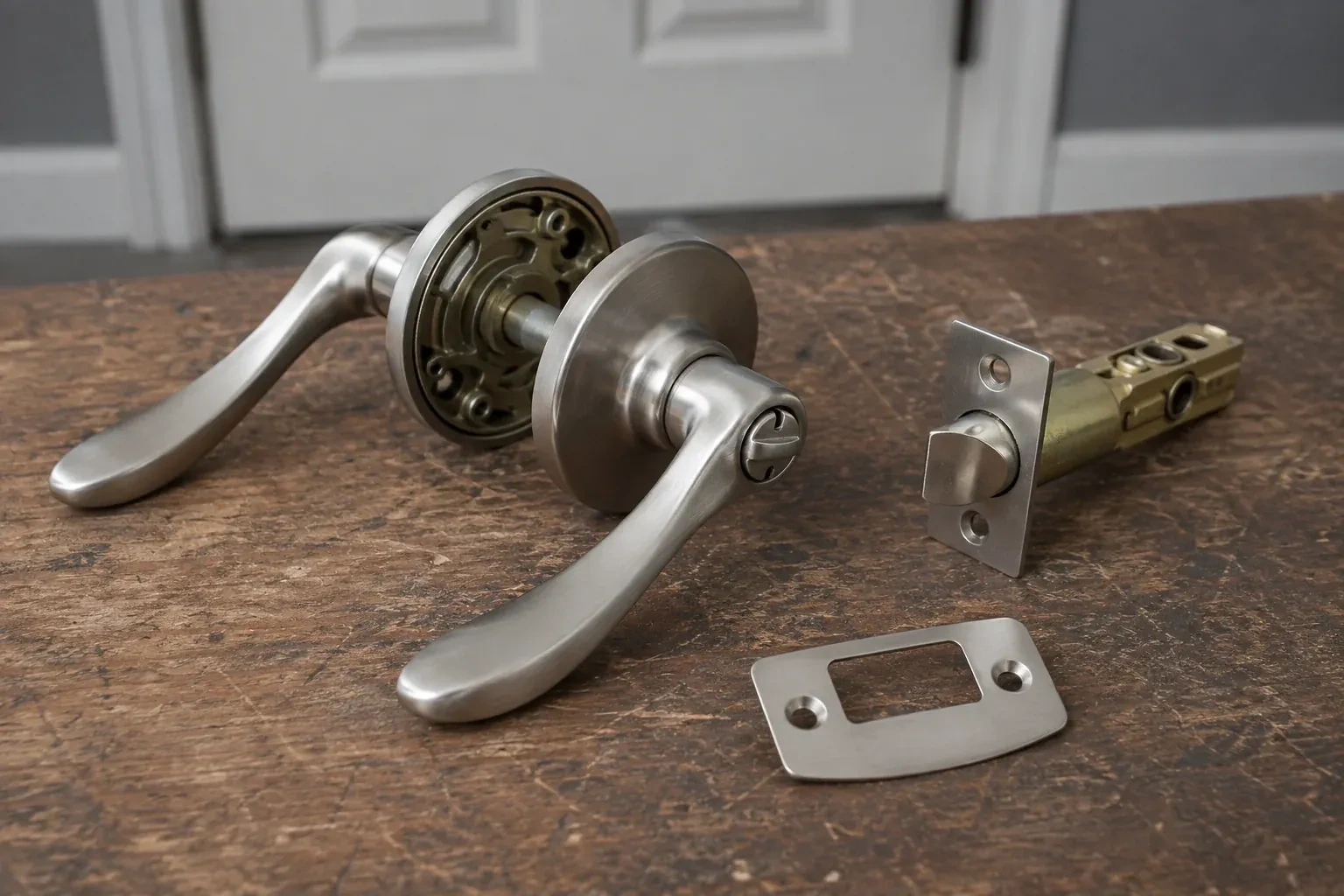
A mix of eras means a mix of bores and backsets. Standard modern sizes on one door, older dimensions on the door across the street. Carrying adapter plates and cylinders in both ranges lets a locksmith fit upgrades cleanly to either.
Single-detached houses make up about 76% of homes in Woolwich (2021 Census).
Mostly houses
Where most homes are detached houses, each one has several exterior doors: front, side, back, garage entry, sometimes a walkout. Getting them all onto one key is the most requested job, and it usually takes a single visit.
A roommate moved out on bad terms and says the key was left on the counter. It was not. You have already changed the Wi-Fi password, but the front door still opens for a key that could be anywhere.
The bolt on the front door is keyed on both sides. Getting out at night means finding the key in the dark, and with a toddler in the house you have decided the inside should turn by hand. You want it done properly, not just swapped.
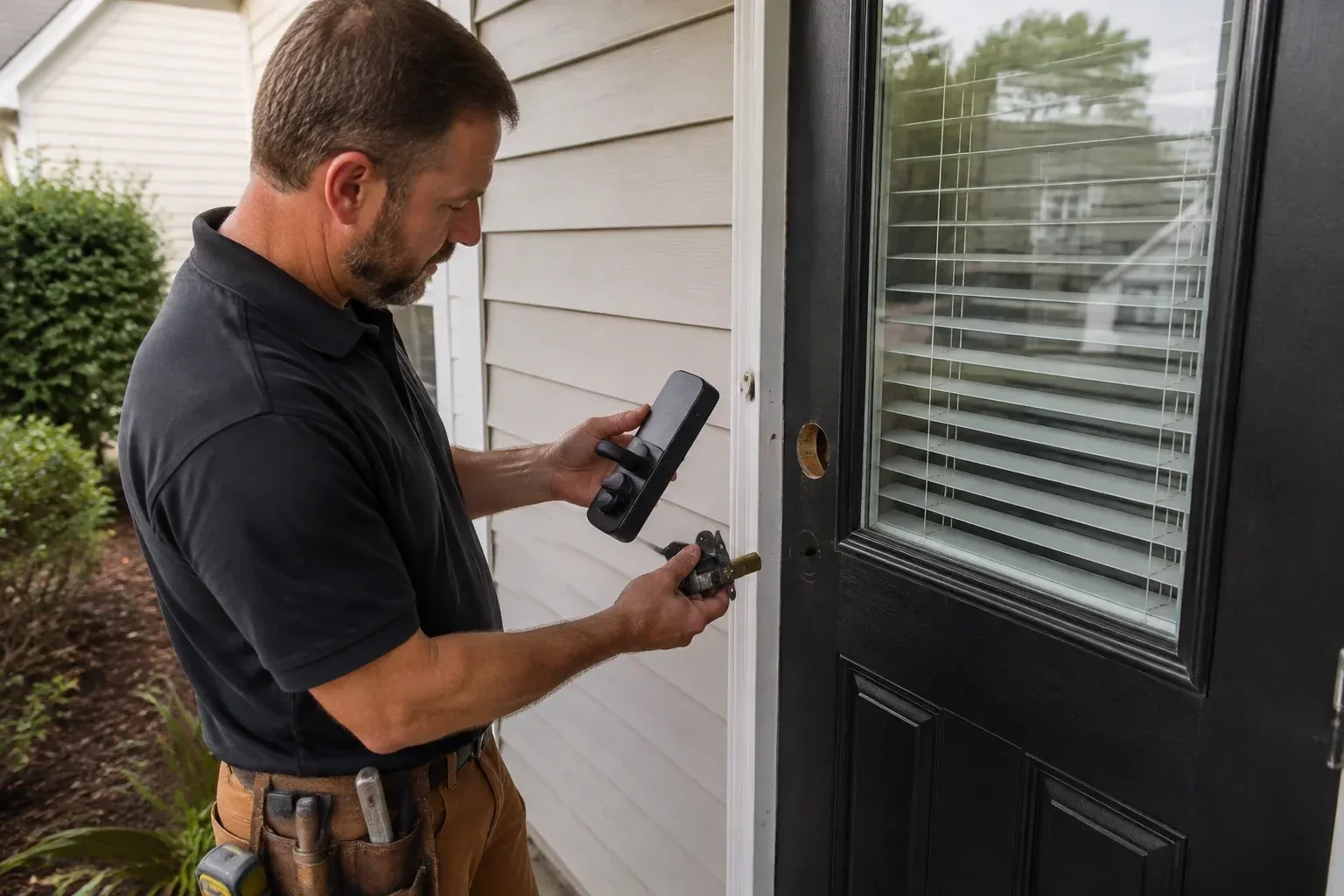
You have just taken possession of the house and the previous owners handed over a keypad deadbolt with a code nobody wrote down and an app account you cannot get into. It needs to become yours, properly, or be replaced.
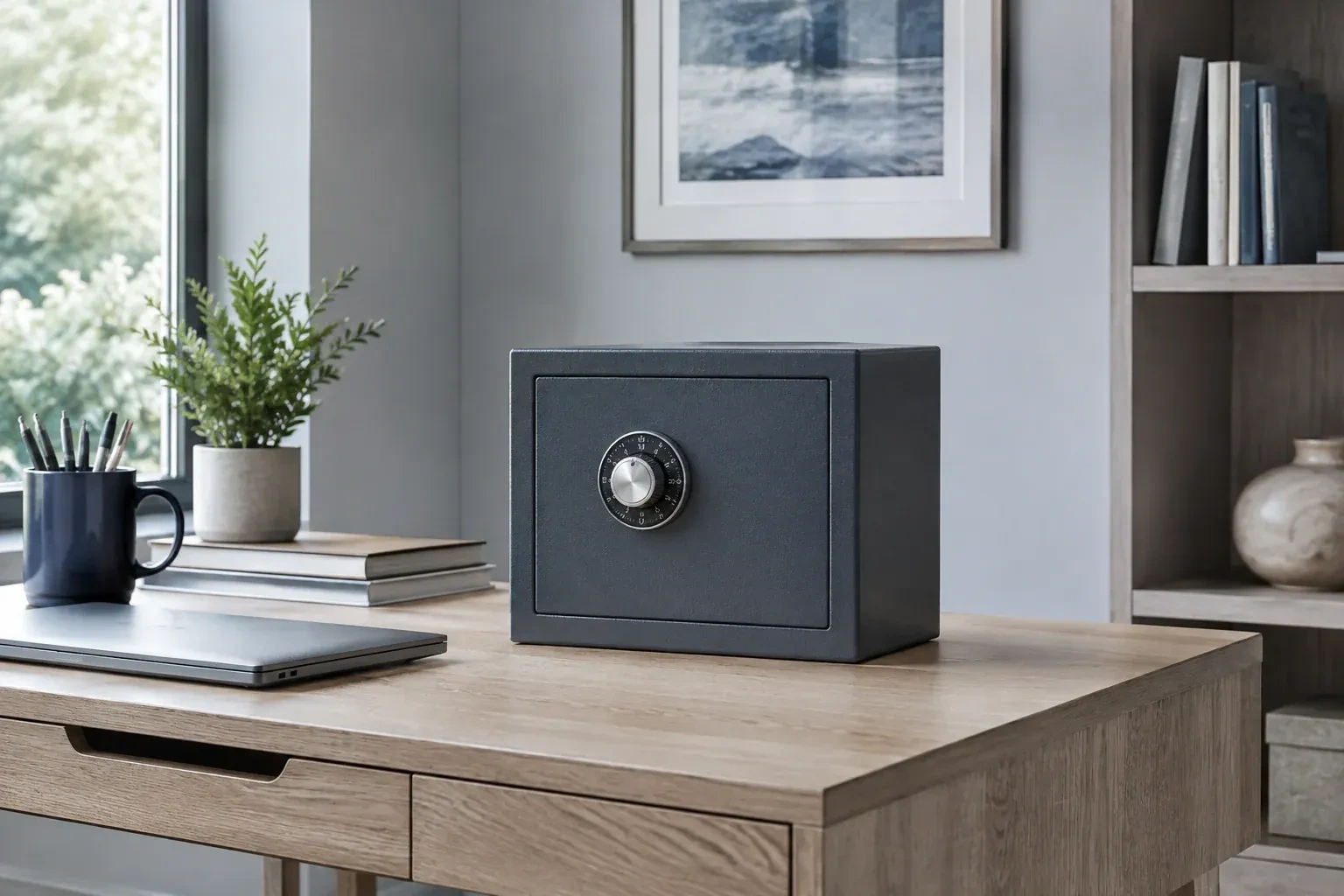
A software update reset the clinic's small safe overnight, and the receptionist's usual code now does nothing on a keypad that lights up but goes no further.
You have lost count of how many people have had a key to your house over the years: cleaners, a contractor, a former partner, the previous owner's family. The lock still works, but you no longer know who else it works for.
The back door of the shop runs on one key, and by now it lives on six different rings: yours, two managers, a cleaner, a supplier who restocks early, and a keyholder nobody quite remembers approving.
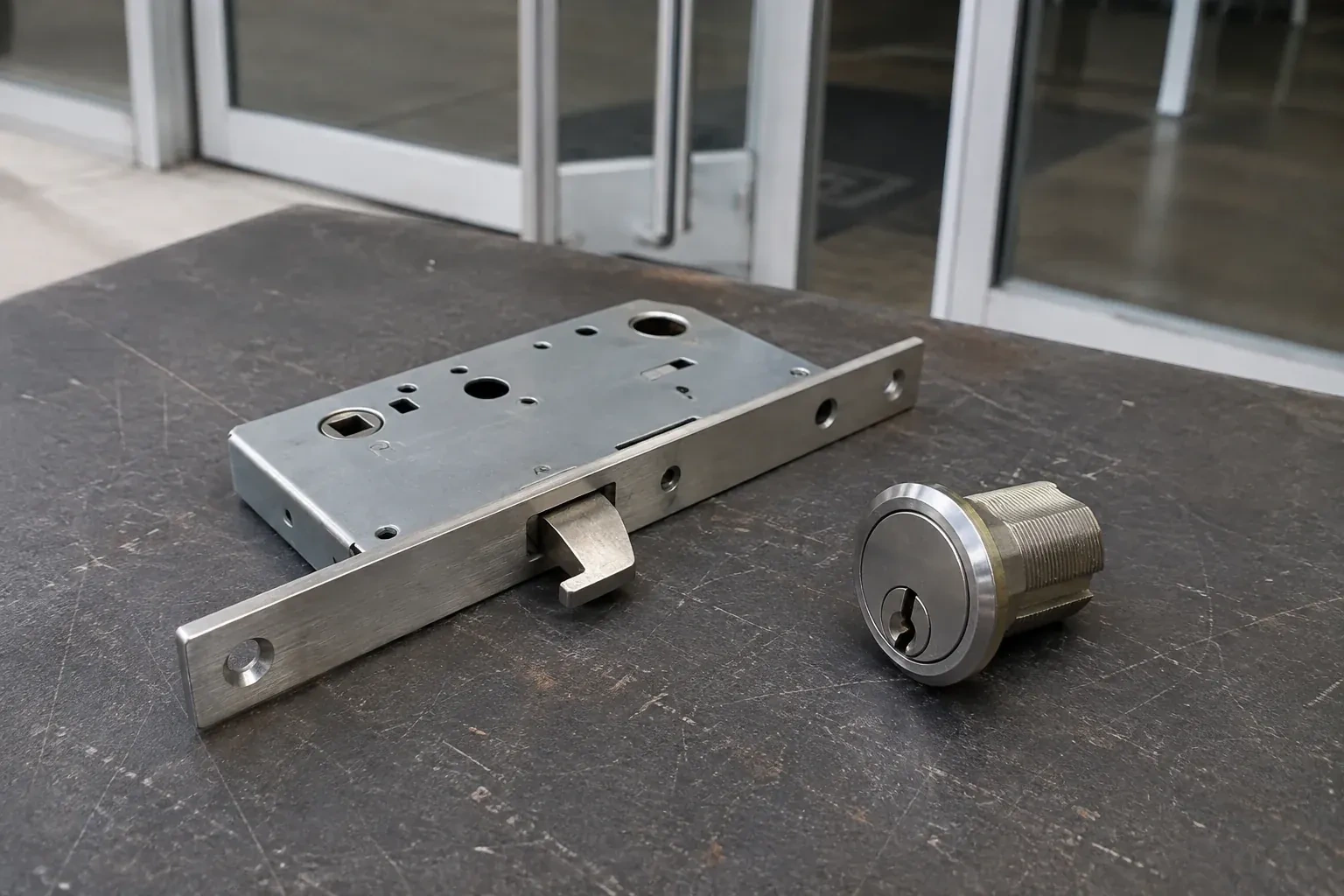
At closing time the hookbolt on the storefront door catches the keeper only on the second or third try, and one employee has started giving the door a shoulder to force it home.
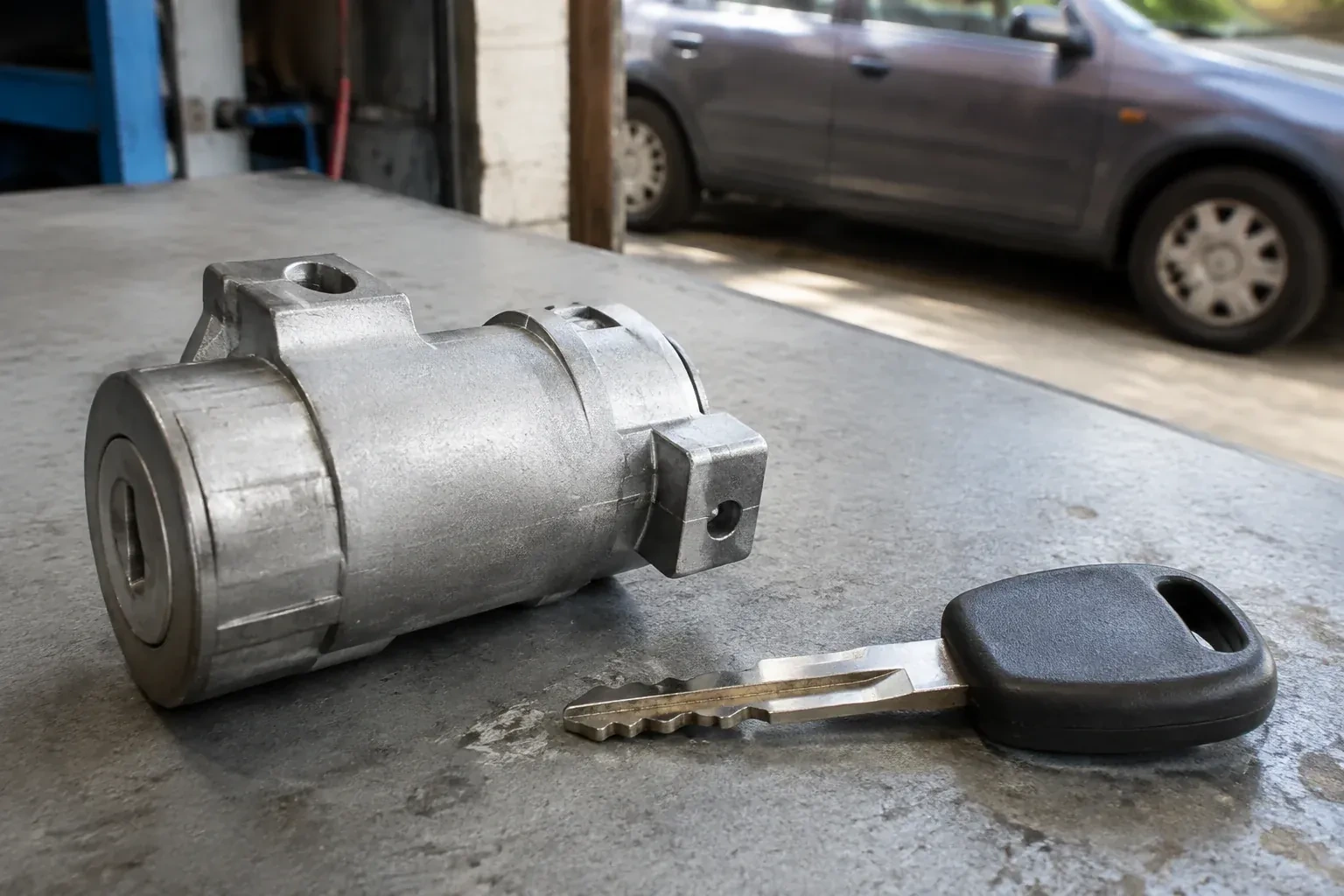
The key slides in fine and turns without any resistance at all, and the dash lights flicker, but nothing catches. No click, no crank, just a key spinning loosely in a slot that used to grab hold of it properly.
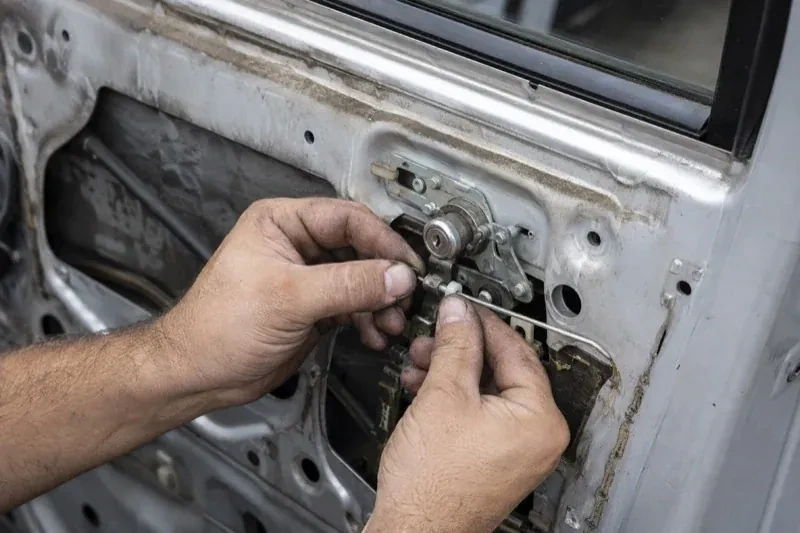
Pressing the remote locks three doors with a solid clunk and leaves the rear passenger door untouched, every single time. A twist of the key still opens that door by hand, so the fault is sitting somewhere between the remote and that one lock.
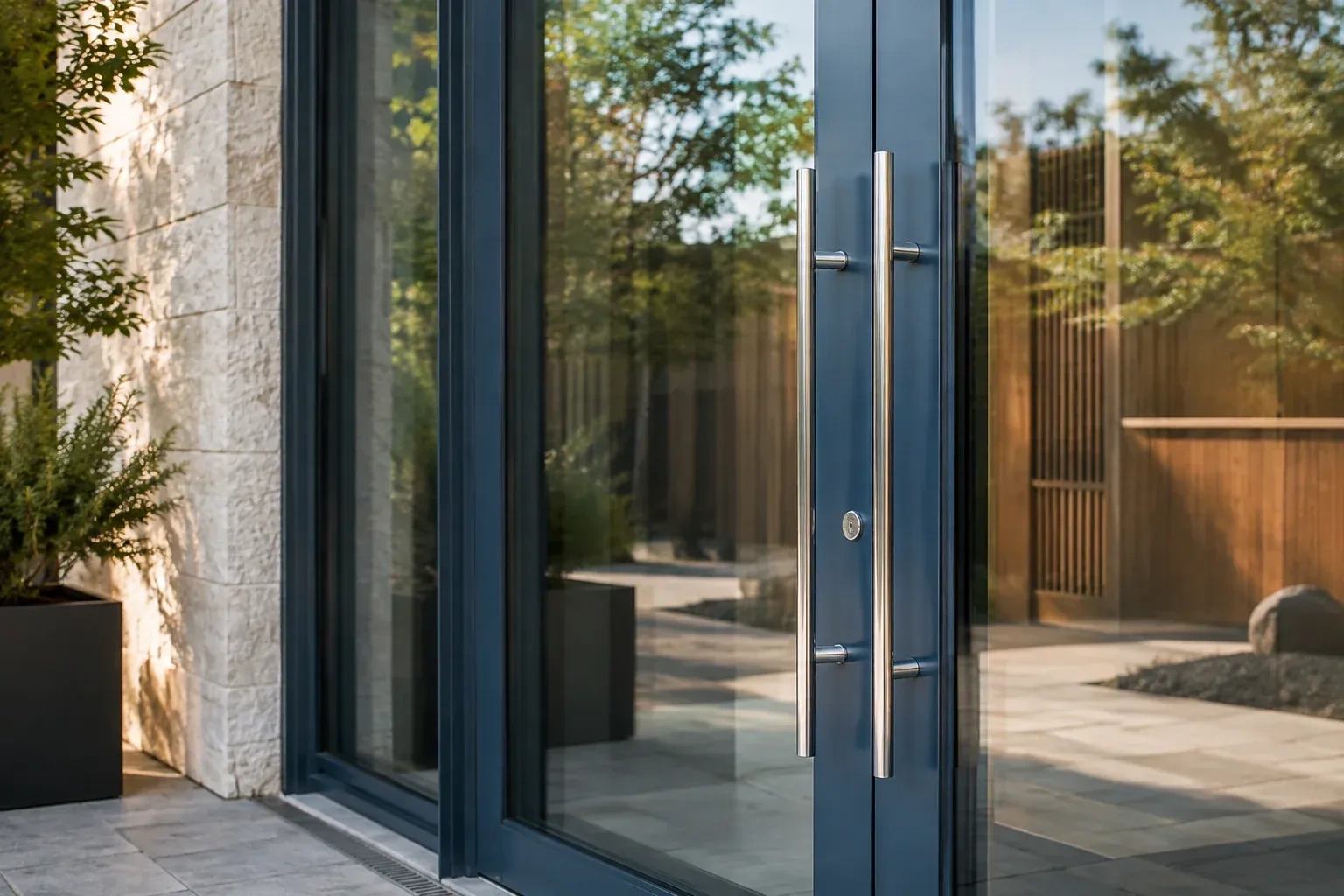
A business needs its doors to open reliably for the right people and stay shut for everyone else, every day, without fuss. That is the whole brief for commercial work, and the pages here show how rekeying, master keying and access control each serve it.
WhyReplacing an existing deadbolt is usually a matter of matching rather than cutting.
You have just taken possession of the house and the previous owners handed over a keypad deadbolt with a code nobody wrote down and an app account you cannot get into.
WhyOur winters shape how a smart lock should be fitted.
A software update reset the clinic's small safe overnight, and the receptionist's usual code now does nothing on a keypad that lights up but goes no further.
WhySafe opening favours the gentlest method that fits the particular safe and lock, with drilling kept as a later option rather than a first resort.
You have lost count of how many people have had a key to your house over the years: cleaners, a contractor, a former partner, the previous owner's family.
WhyHigh security locks are cylinders and deadbolts designed to defeat the methods used against ordinary doors.
The back door of the shop runs on one key, and by now it lives on six different rings: yours, two managers, a cleaner, a supplier who restocks early, and a keyholder nobody quite remembers approving.
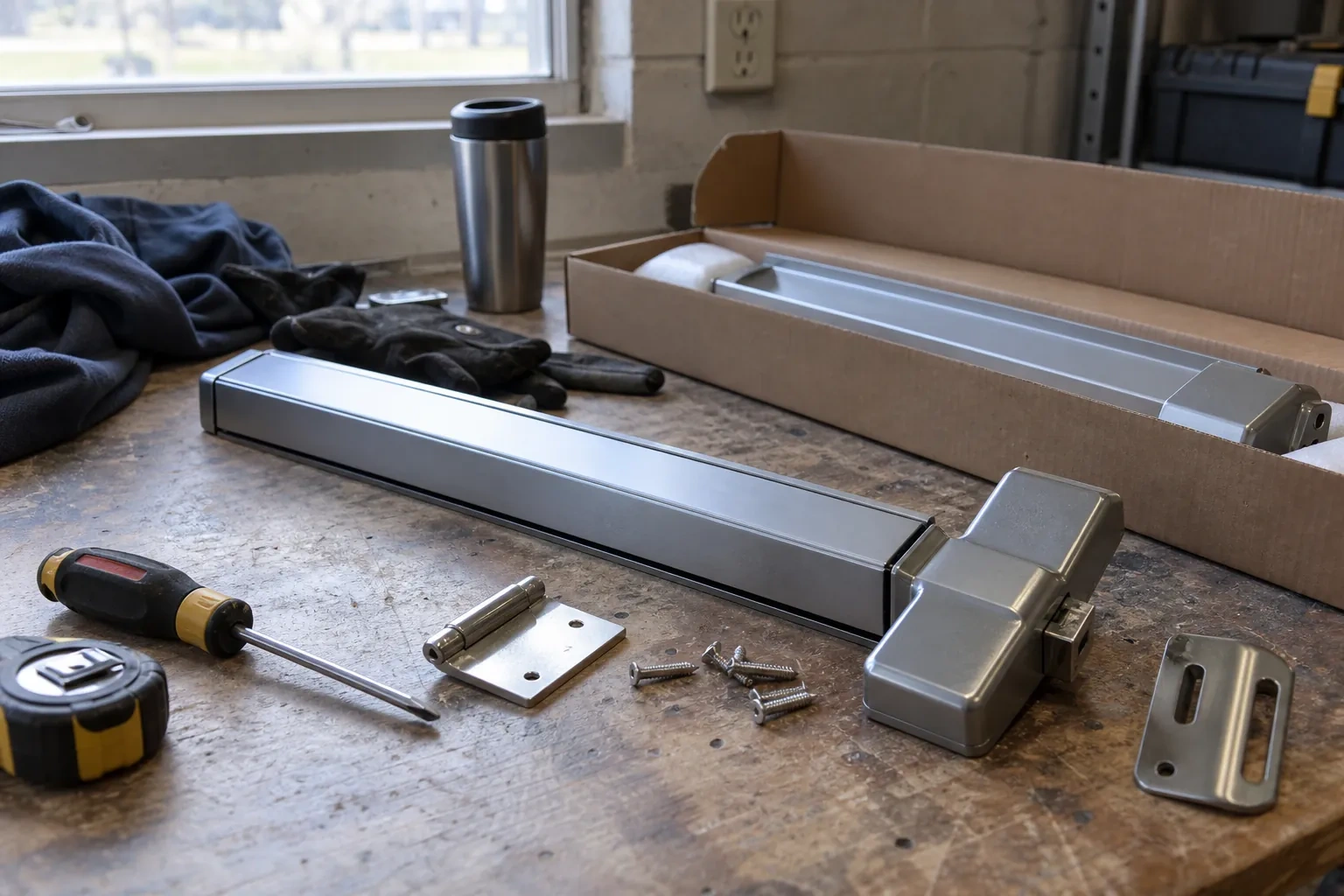
WhyLocking hardware varies by opening: an electric strike, fitted into the existing frame, keeps the mechanical latch and releases it briefly for a valid credential; a magnetic lock clamps the door shut with an electromagnet and suits a frame or door that will not take a strike; and some openings use an electromechanical lock or a different controlled lockset entirely.
At closing time the hookbolt on the storefront door catches the keeper only on the second or third try, and one employee has started giving the door a shoulder to force it home.
Describe the property, the hardware and what has changed, and the visit starts from what you have seen.
1
2
3
01
Deciding what to replace
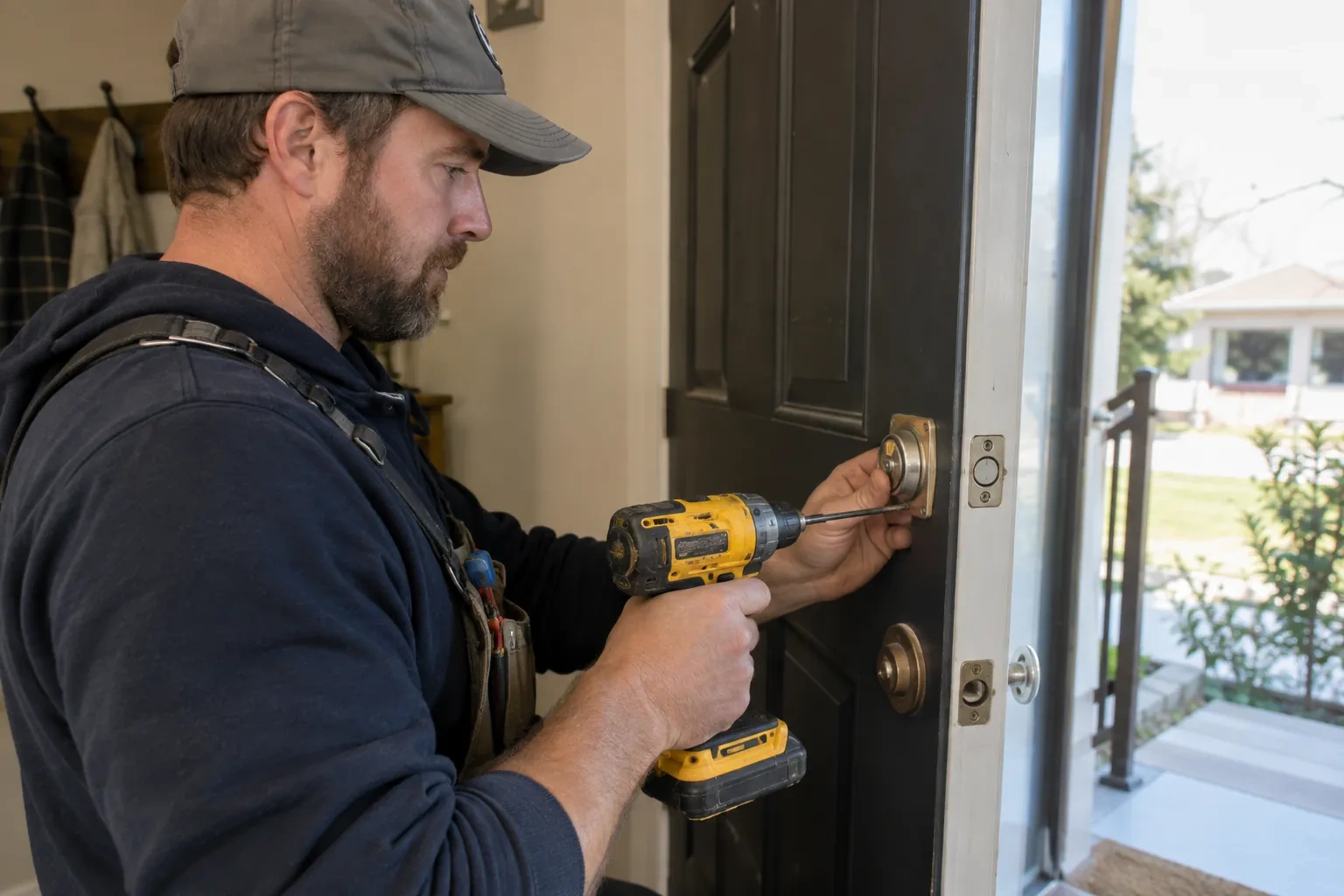
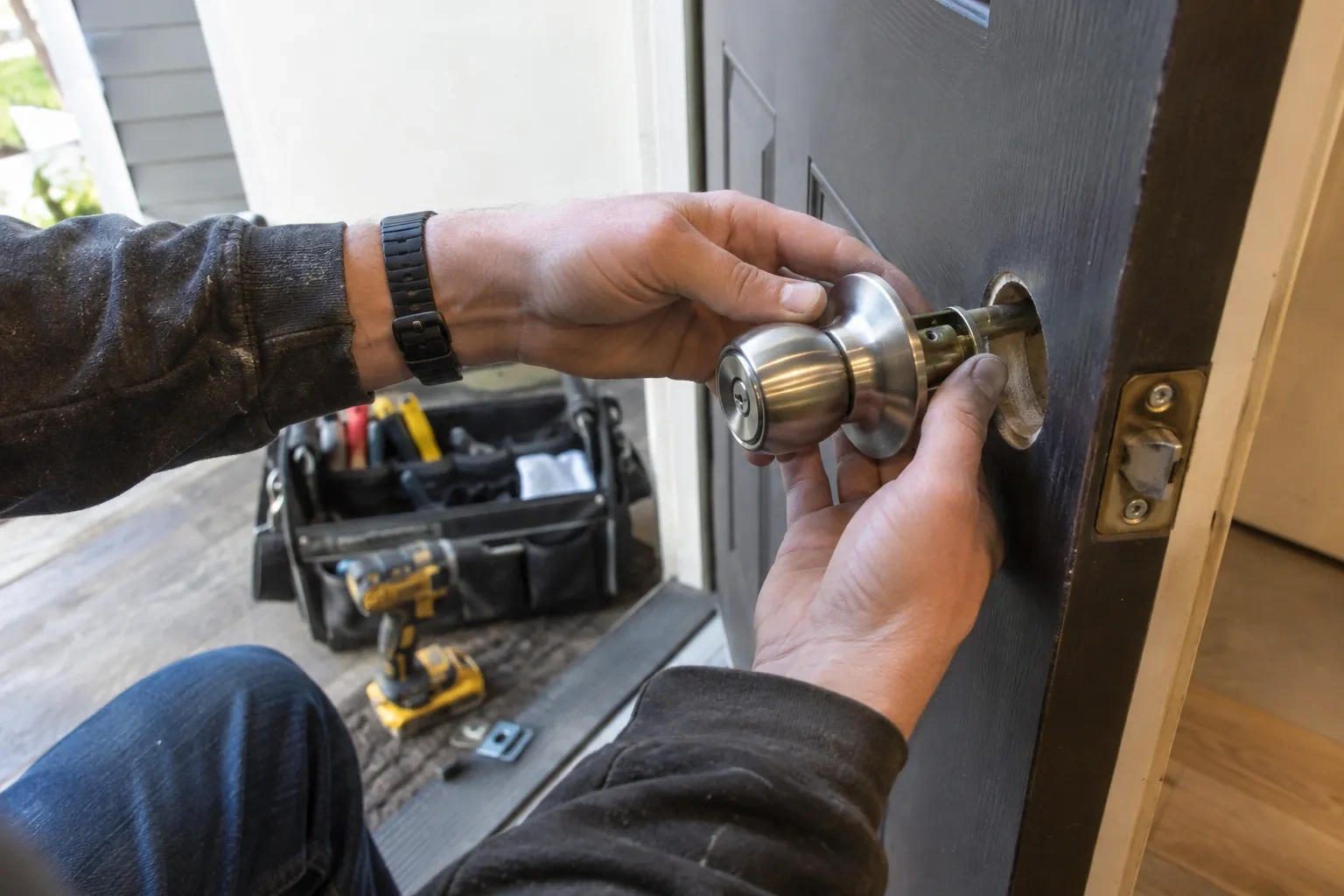
We look at the existing lock, the door thickness and the holes already drilled. Sometimes a new cylinder is enough; sometimes the whole lockset has earned its retirement.
02
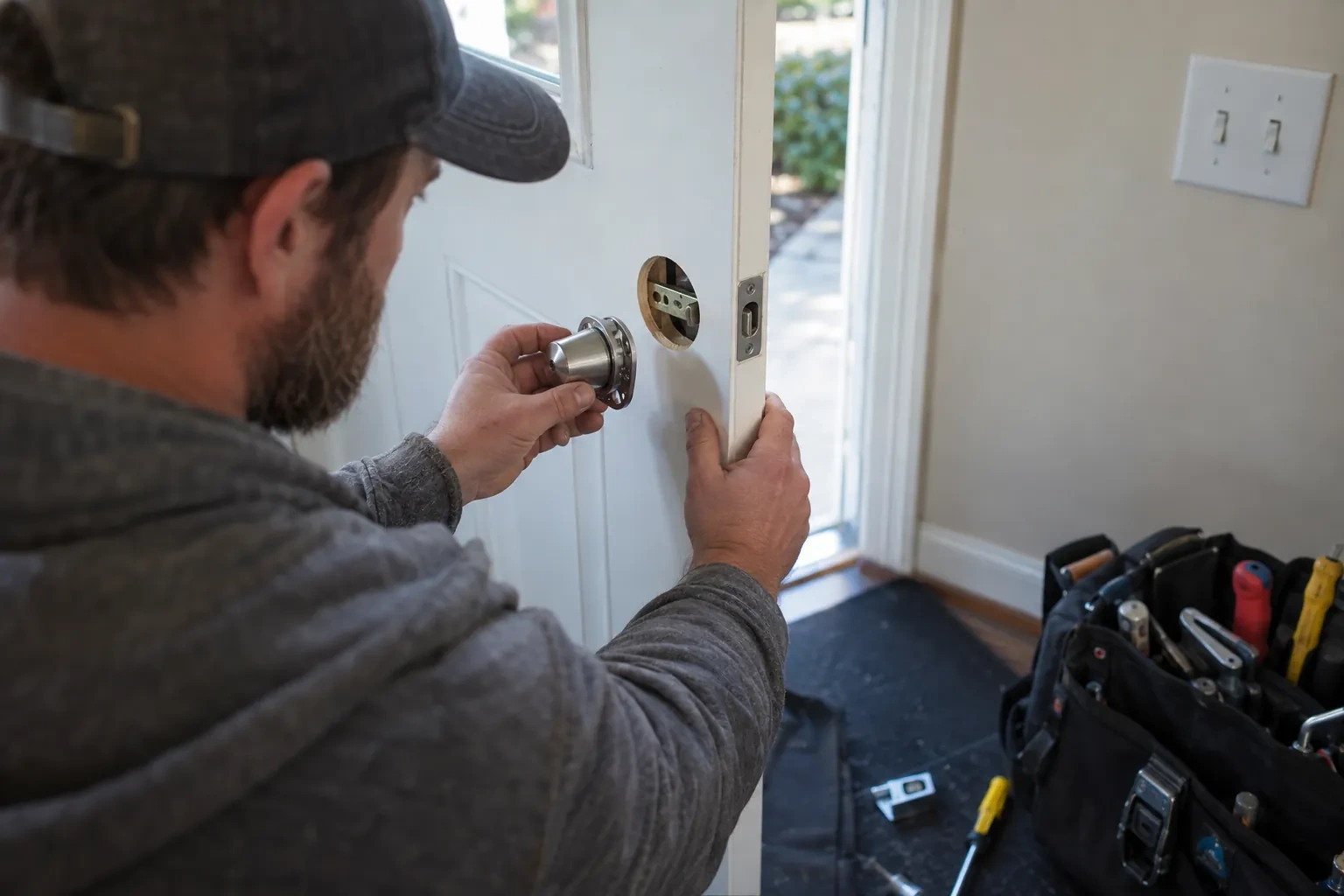
Fitting the new hardware
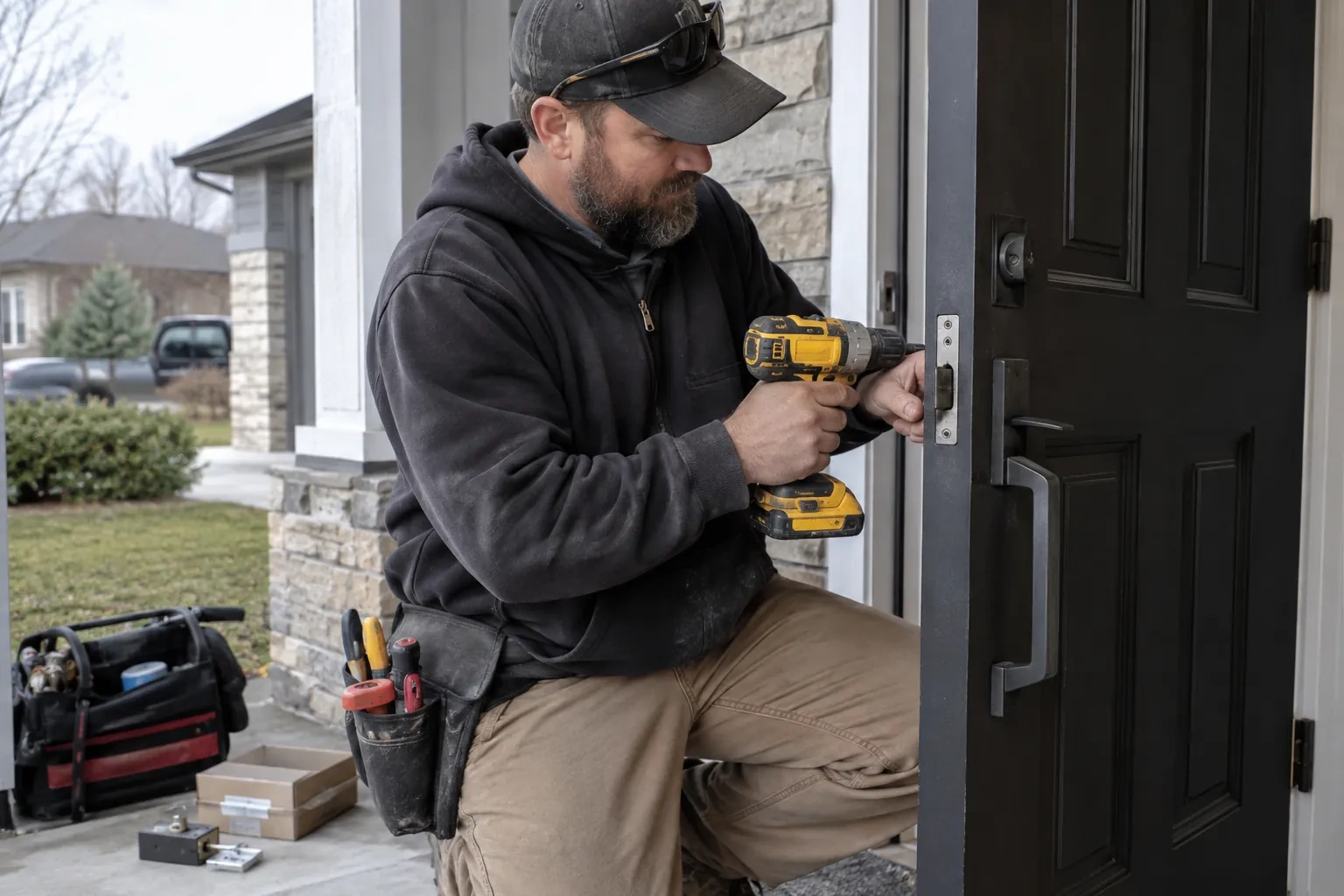
The new lock goes in with the strike adjusted so the bolt throws fully. If the old holes need filling or enlarging, that is done neatly.
03
Checking fit and finish
We test the lock with the door open and closed, from both sides, check the key turns without effort and clean up the doorstep before leaving.
The car key was on the same ring. Can you deal with that too?
Vehicle keys are a separate branch of locksmith work because most carry a chip the car's immobiliser recognises. Retiring a lost car key means programming the car to forget it and to accept a new one, which an automotive locksmith does at the vehicle. Mention the car when you book; where the company offers that service it can be scheduled, and otherwise the household rekey proceeds and you are pointed to the right help.
I just moved in. Should the new deadbolt be keyed to a new key?
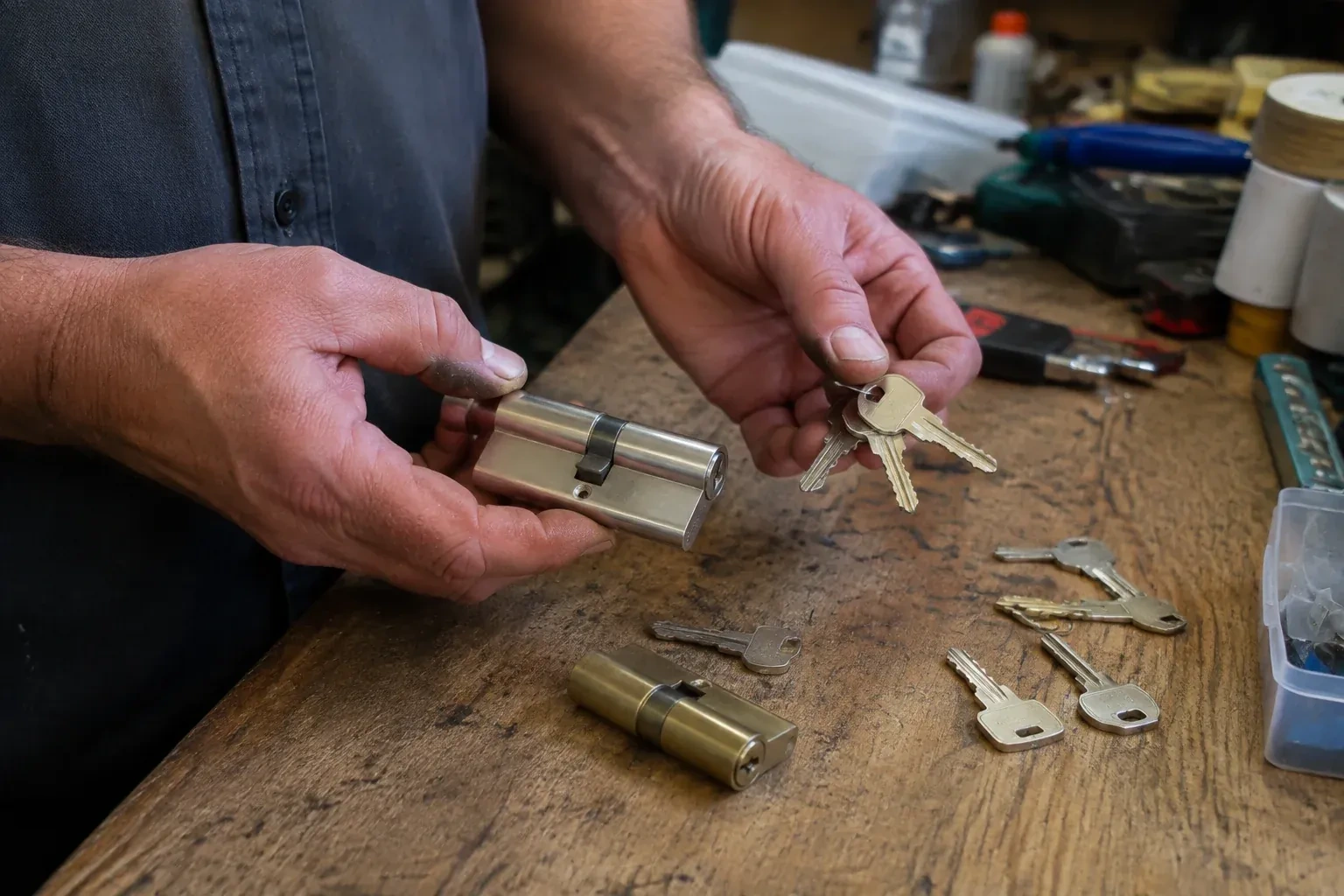
It is a good moment for it. Nobody knows how many copies of a previous owner's key exist, so pinning the new bolt, and the rest of the exterior doors, to one fresh key retires all of them at once. Lock manufacturers list a move as one of the main reasons to rekey. You come away with a known number of keys, each tested in every door it is meant to open.
I rent. Can I have a smart lock installed?
Yes, with your landlord's agreement first. Tenancy rules in this province expect a tenant to have the landlord's consent before changing a lock, and expect the landlord to have a working way in, so the sensible route is a short conversation and a note of what will be fitted. A retrofit model that mounts inside and keeps the existing exterior lock and key is often the easiest thing for a landlord to say yes to, since the door is unchanged from outside.
Do you need to see proof that I own the safe before opening it?
Yes, and it is meant as a protection rather than a hurdle. For a business, identifying yourself as the owner, manager or an authorized employee is usually enough. For an estate, a secondhand purchase or a change of ownership, a bill of sale, transfer document or executor's paperwork fills the same role. This step protects whoever actually has a claim on what is inside the safe, which includes you.
What is bumping, and does this stop it?
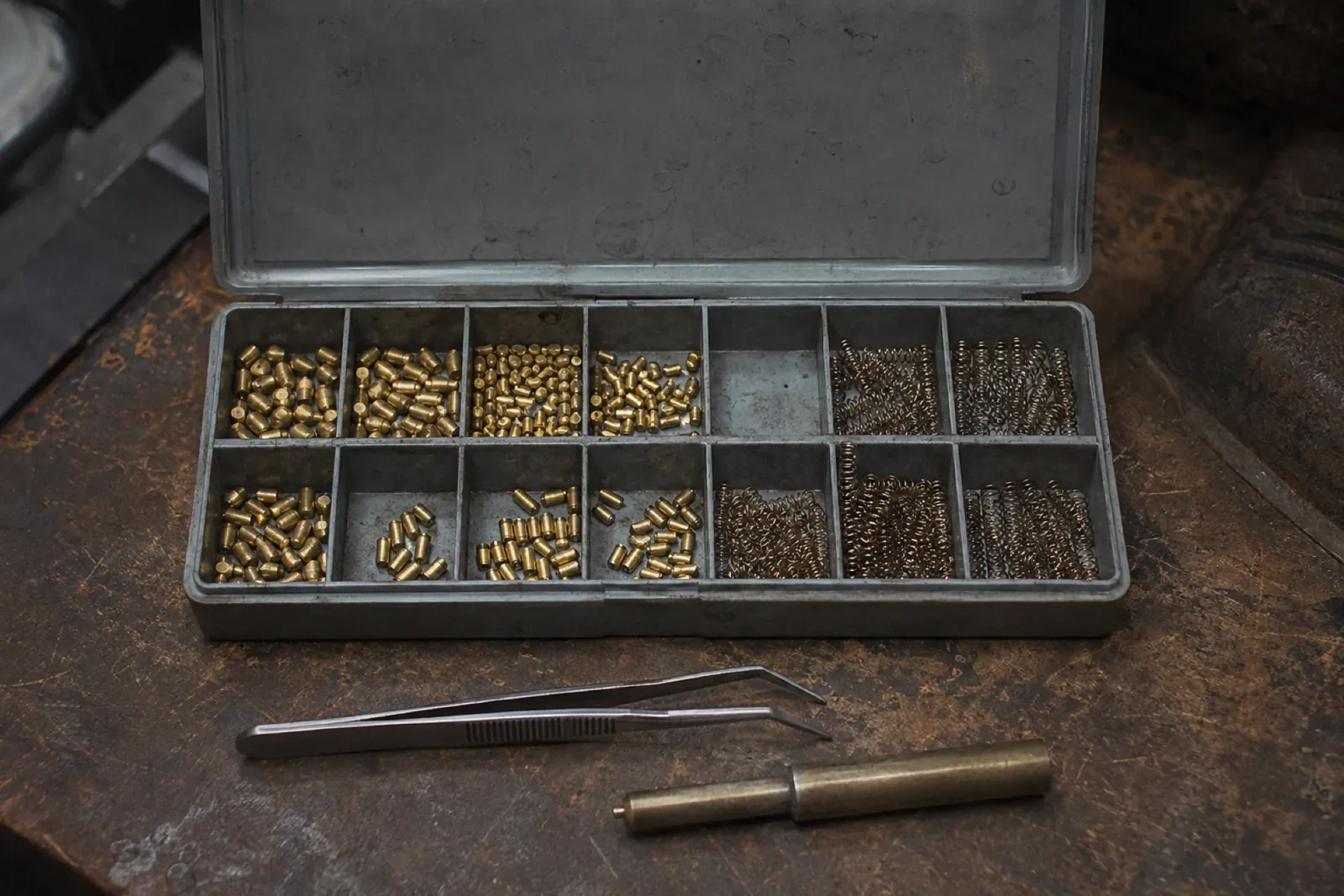
Bumping uses a specially cut key that is struck while under light turning pressure, bouncing the pins to the shear line for an instant so an ordinary cylinder opens. It works on many standard pin tumblers. A high security cylinder needs its sidebar released by separately positioned finger or rotating pins at the same moment, and a bump key cannot set those, so the plug stays locked. It is one of the clearest advantages of the upgrade.
What happens to our records if we later work with a different provider?
That depends on the platform: the entry log and configuration can live on a local controller and its on-site software, which stay with the business regardless of who installed them, or on a cloud-managed subscription service, where continued access and data export follow that provider's own terms. It is worth confirming at the time of installation which arrangement applies, so the business knows what happens to its records if it later changes providers.
Do you replace hardware after an attempted break-in even if the door still locks?
Yes, and it is worth having it checked even when the door still appears to function. A cylinder that was drilled at, pried or struck can be weakened internally without showing it externally, and a bent strike or a cracked frame around the lock can let a door appear locked while offering far less resistance than it should.
What if the key won't go into the slot at all?
That points toward the barrel itself, debris packed into the keyway, or a key that has bent or worn out of shape rather than a deeper electronic problem. The keyway is checked and cleared first, the key is compared against a spare if one exists, and the barrel is serviced or replaced depending on what that first check turns up.
Is a mismatched key the same problem as a broken lock?
Not always. A key cut for a different vehicle, or an old worn copy, can feel exactly like a failing cylinder from the driver's seat. Testing a fresh key against the existing lock is one of the first checks, since it sometimes resolves what looked like a hardware fault.
Request a visit
We are straightforward about time. A locksmith heading to Heidelberg calls when he is on the way, gives you an honest sense of how long the job will take once he has seen the door, and tells you if something changes. Nobody is left watching the driveway wondering, and nobody discovers the visit ran long only when the invoice arrives.