High security · Woolwich
High Security Locks
The pharmacy stockroom, the server closet or the cash office is protected by the same ordinary cylinder as the staff washroom.
In plain words
A high security cylinder is rated by independent laboratory testing that times how long it holds out against picking, impressioning, drilling, prying and wrenching. The lock body and deadbolt carry a separate hardware grade for strength, cycle life and finish. A locksmith reads those ratings for you and matches them to your door, because a rating on the box means nothing if the door frame is thin or the bolt barely enters the jamb. The visit usually ends with a heavier deadbolt, a reinforced strike fastened into the framing and a cylinder whose keys cannot be copied at a kiosk.
How the visit goesYou have lost count of how many people have had a key to your house over the years: cleaners, a contractor, a former partner, the previous owner's family. The lock still works, but you no longer know who else it works for.
High Security Locks
How the visit goes
Who holds keys and who should
For a business or a rental, the locksmith asks to see the key list, or helps you start one. Which keys exist, who carries them, which doors they open, and what happens when someone leaves. This is where the case for a patented or restricted key system becomes clear, because the system replaces guesswork with a register: every key numbered, every order authorised by a named person, and no blanks available outside the locksmith who manages it. The locksmith also asks how many people need to reach each area so the keying plan reflects the way the building actually runs.
Upgrading the cylinder in place
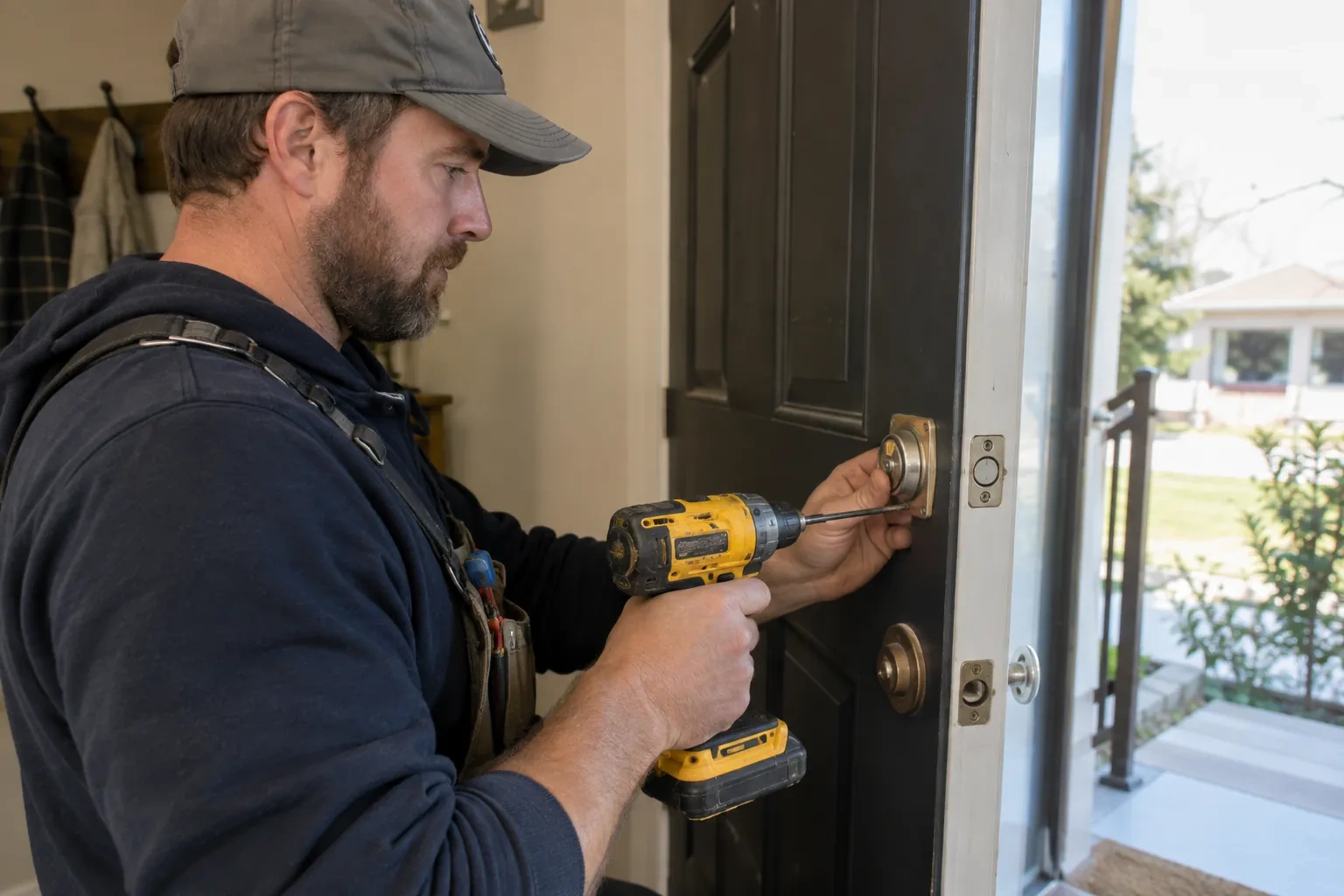
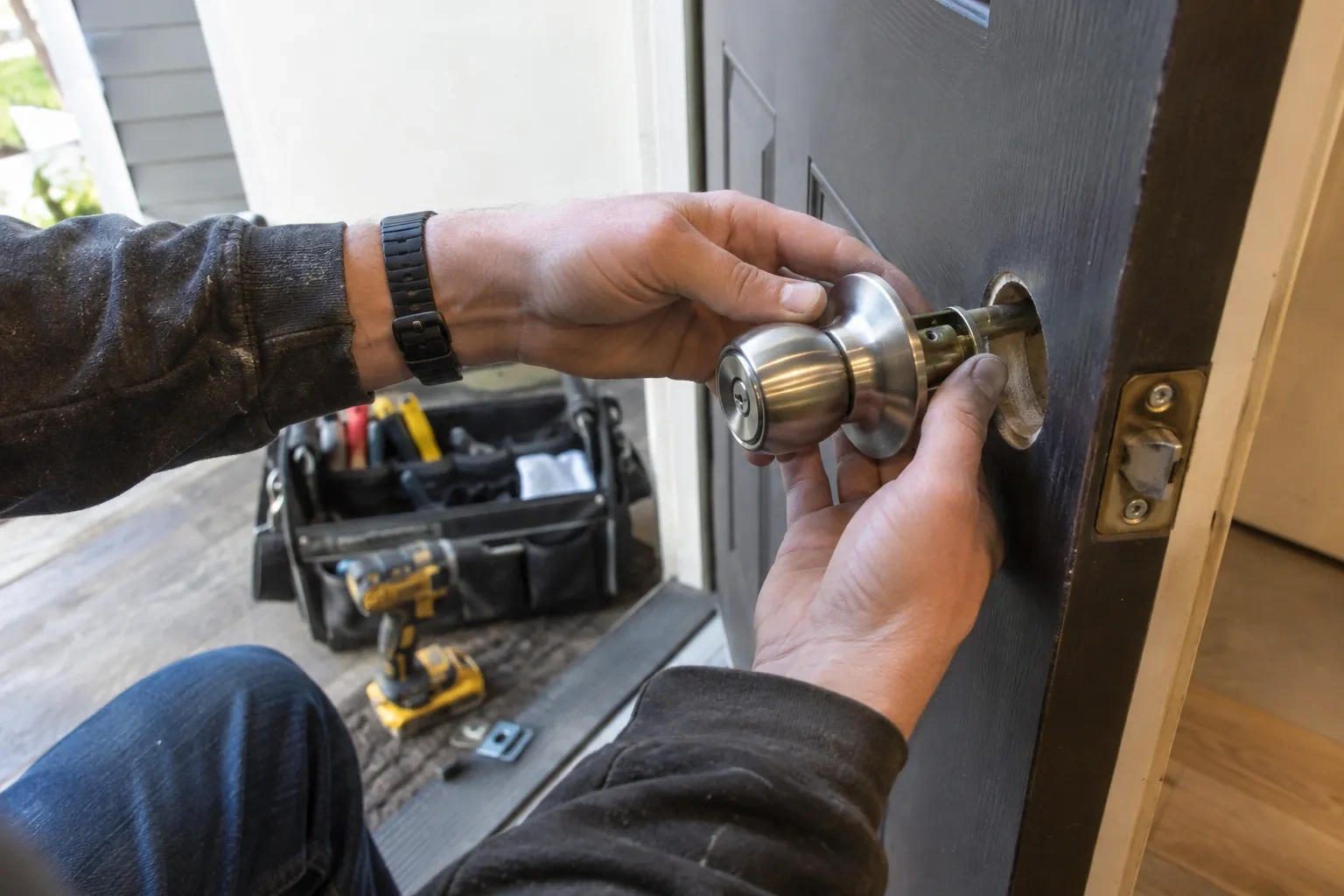
Where the existing lock body is sound, the locksmith removes the ordinary cylinder and fits a high-security one of the same format, so your deadbolt or lever stays and only the working heart changes. The new cylinder brings a sidebar released by finger or rotating pins, hardened steel inserts in the path of a drill, and a keyway that accepts only the controlled blank. Keys are cut from code on a machine that handles the side bitting. The tailpiece or cam is matched so the bolt throws fully, then the cylinder is fixed with its set screw and tested with every key.
Proof for insurers, landlords and tenants
You leave with a written record of what was fitted: the cylinder type and its rating, the deadbolt grade, the strike and screws installed, and the key system registration. Insurers sometimes ask for this when a policy specifies stronger hardware, landlords keep it in the property file, and tenants have something to hand back at move-out. It also helps the next locksmith, who can see at a glance what keyway and format the doors carry. Keep the invoice and the key control documents together; they are the paperwork side of a physical upgrade.
High Security Locks
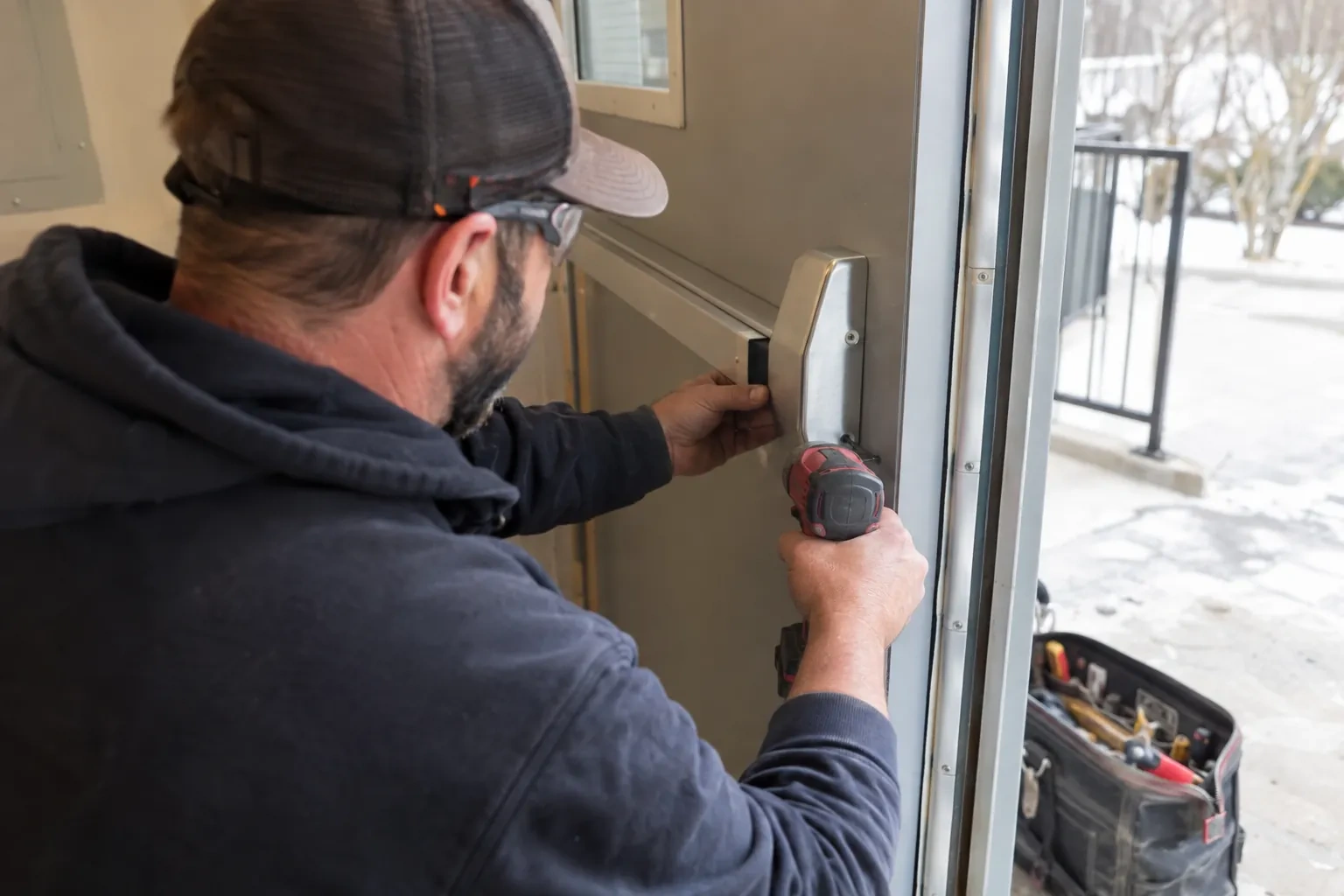
In the van
Pinning kit and plug follower
Hardened cylinder guard ring
Wrap-around door reinforcer
Key control authorisation card
Patented key blanks
High Security Locks
What affects the quote
Number of keys cut
Every key is cut from code on a machine that handles side bitting or angled cuts, so the count of keys you want at handover is a real line rather than a rounding error.
Number of doors
Each door gets its own cylinder or lock, strike work and testing. Several doors on one keyway share the setup cost of the key system but add hardware and time per opening.
Documentation and registration
Setting up the key register, recording signatories and providing a written schedule of cylinders and keys is real work on a business system and is listed rather than hidden.
What to have ready
- Does the door have a closer, push bar, alarm contact or keypad on it already?
- Would you like all doors on one key, or different keys for different areas?
- Is this a house, condo, rental unit or business premises, and do you own or manage it?
High Security Locks: questions
QuestionsCan a hardware store or kiosk copy my new key?
No. The blank for a patented keyway is distributed only through the manufacturer's network to locksmiths who hold the system, and the side milling or angled cuts need a machine set up for that line. A kiosk would have neither the blank nor the cut. Extra keys come through your locksmith, cut from code, once an authorised person has approved the order. That routine is a small inconvenience compared with never knowing who has a copy.
What is bumping, and does this stop it?
Bumping uses a specially cut key that is struck while under light turning pressure, bouncing the pins to the shear line for an instant so an ordinary cylinder opens. It works on many standard pin tumblers. A high security cylinder needs its sidebar released by separately positioned finger or rotating pins at the same moment, and a bump key cannot set those, so the plug stays locked. It is one of the clearest advantages of the upgrade.
What is the difference between restricted and patented keys?
A restricted keyway is one the manufacturer supplies to a limited set of dealers, so blanks are harder to obtain but not legally protected. A patented key design is protected by a patent for a fixed term, and making or selling the blank without permission is unlawful during that time. Patented systems give the firmer control; restricted ones give a useful step up. The locksmith explains which your chosen line uses and when any patent expires.