Locksmith in Conestogo, OntarioRekeying forhomes and businesses in Conestogo
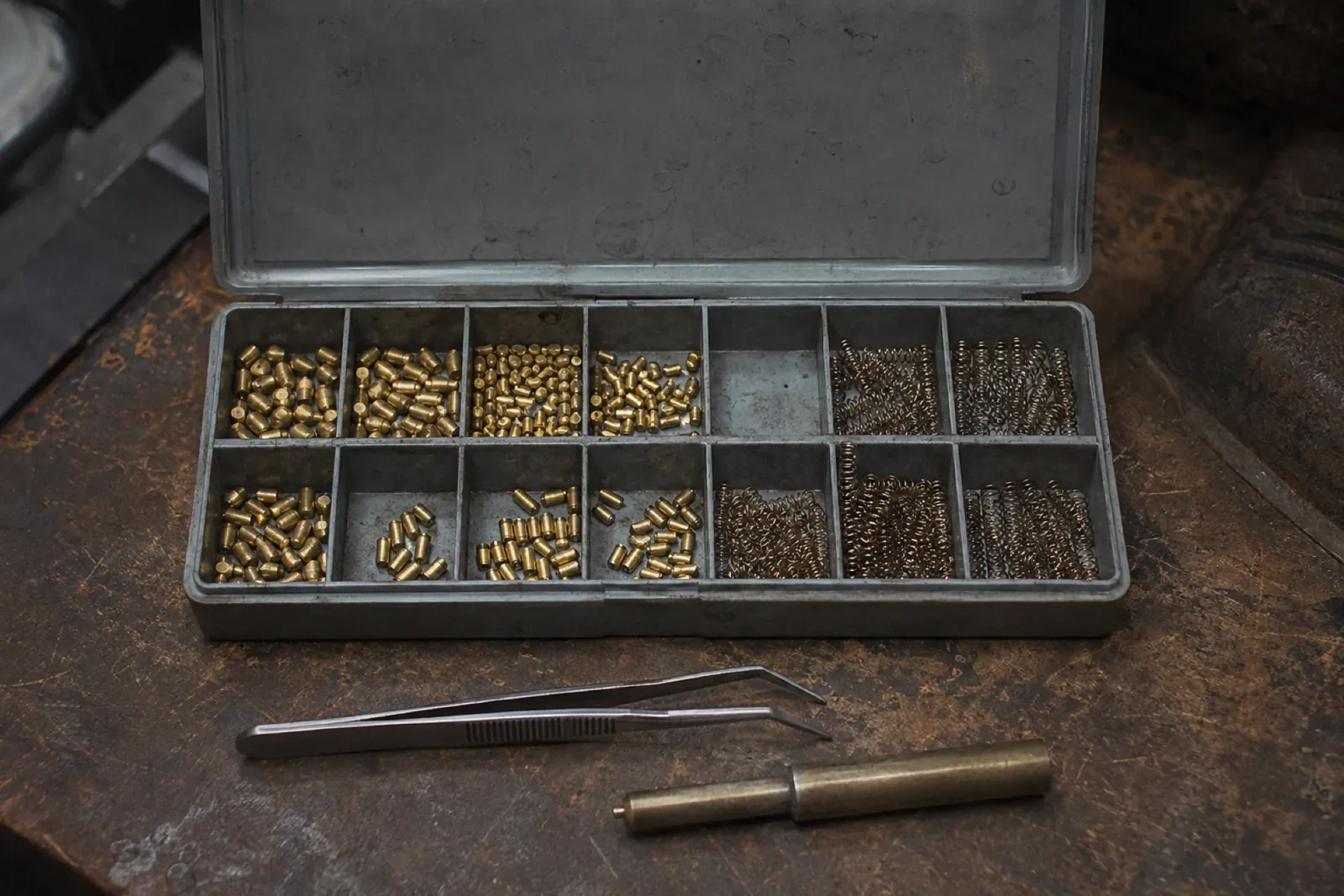
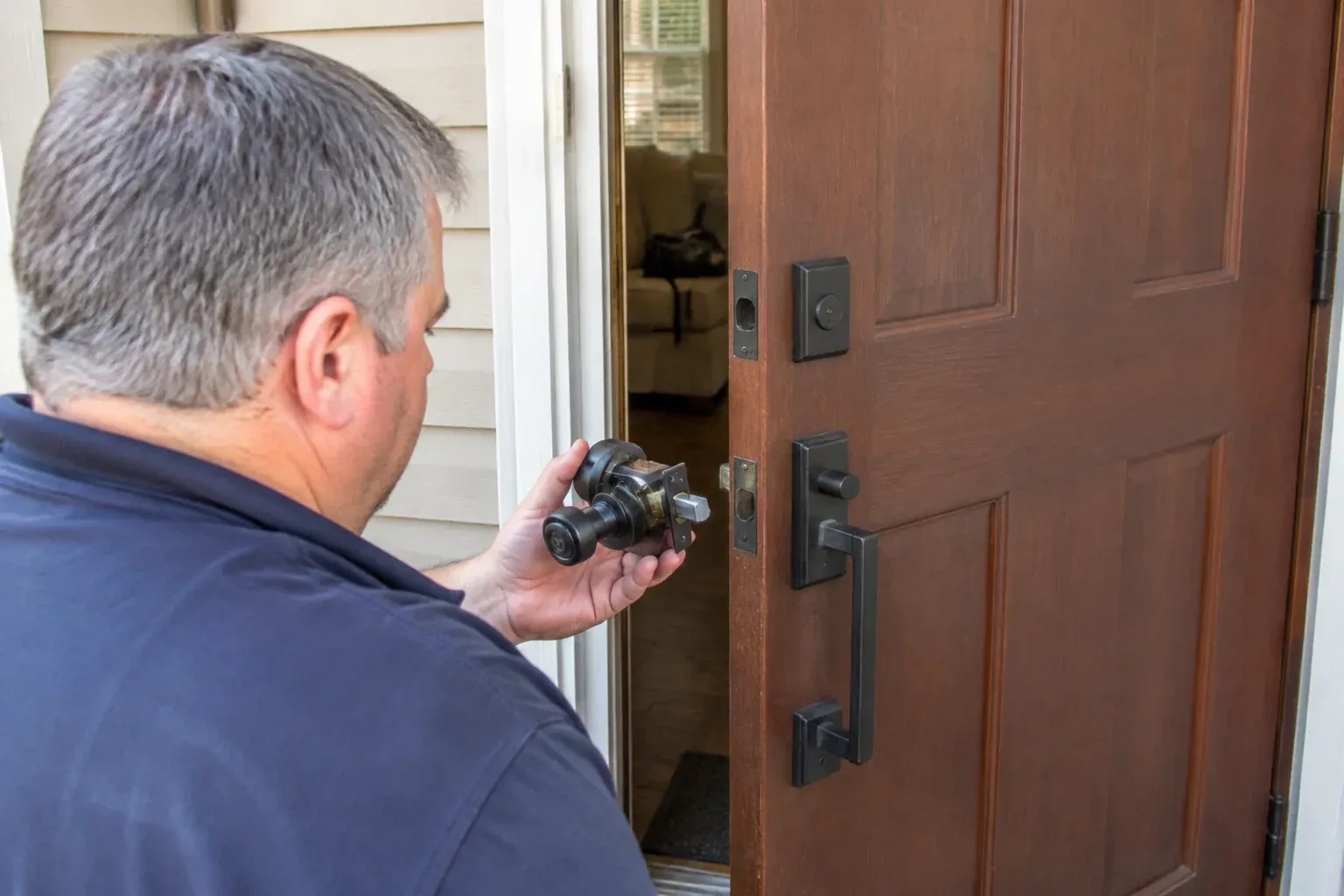
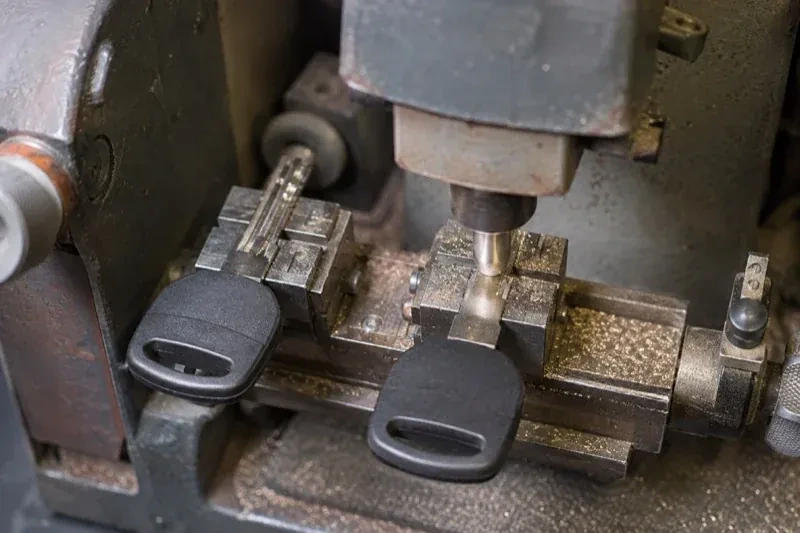
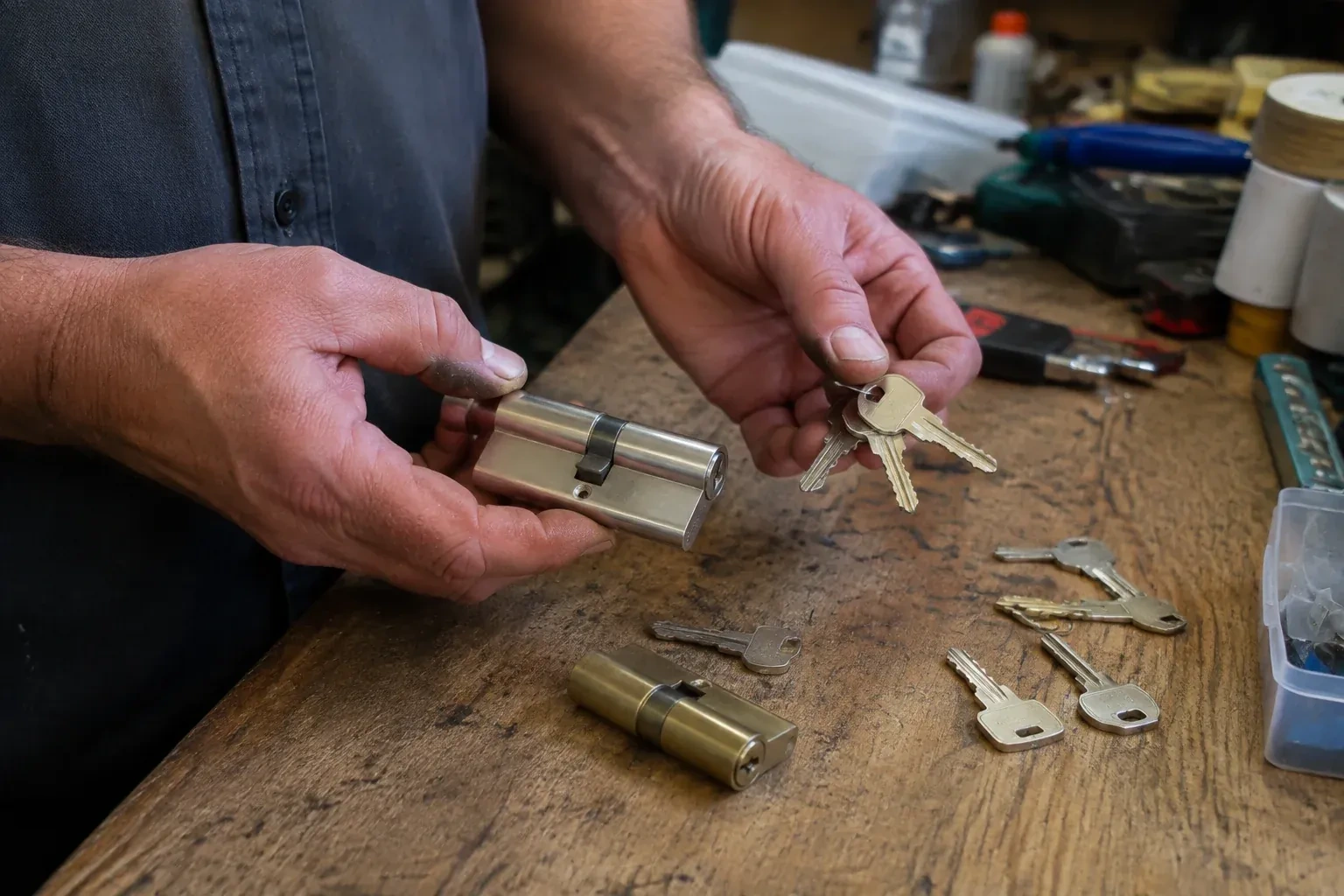
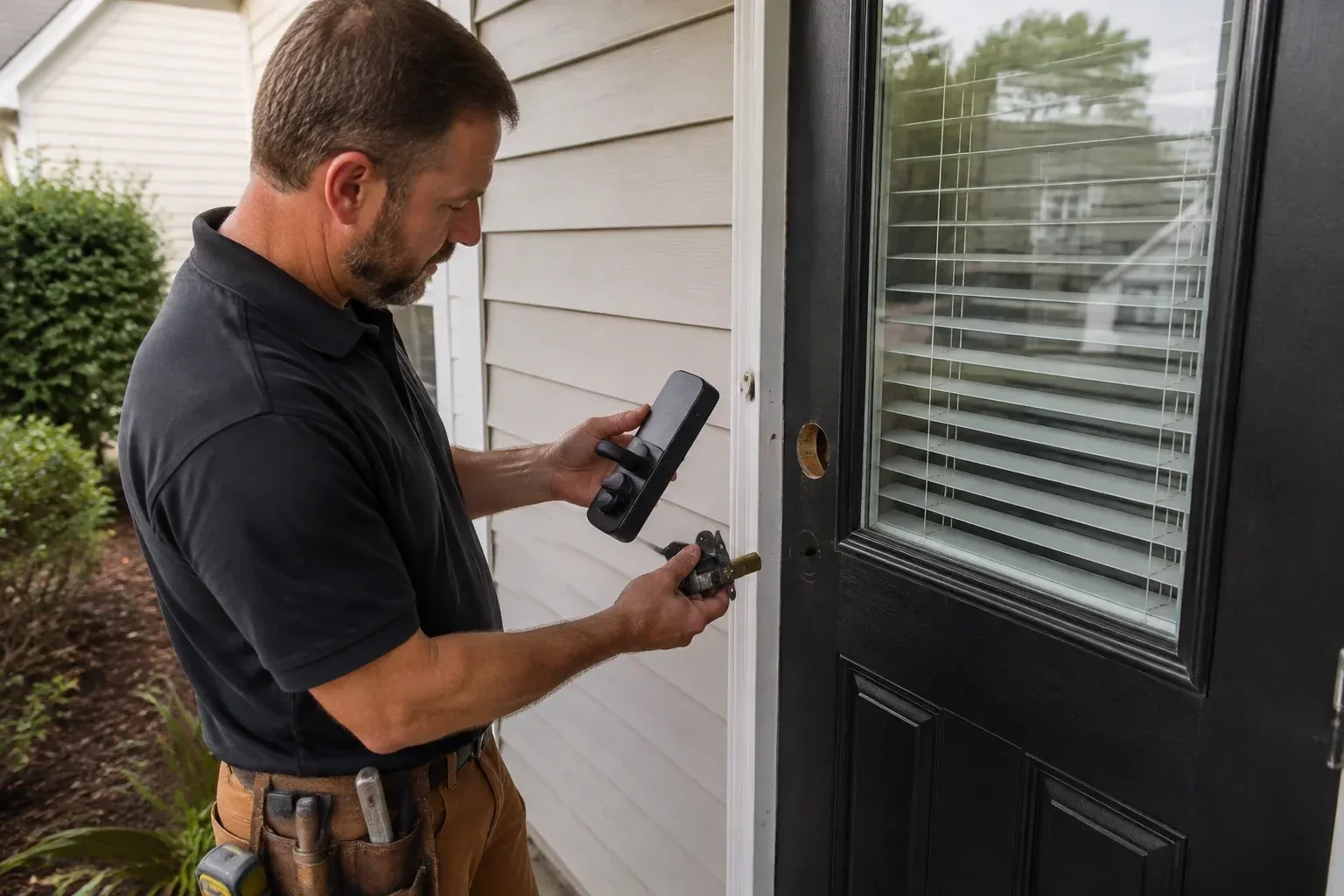
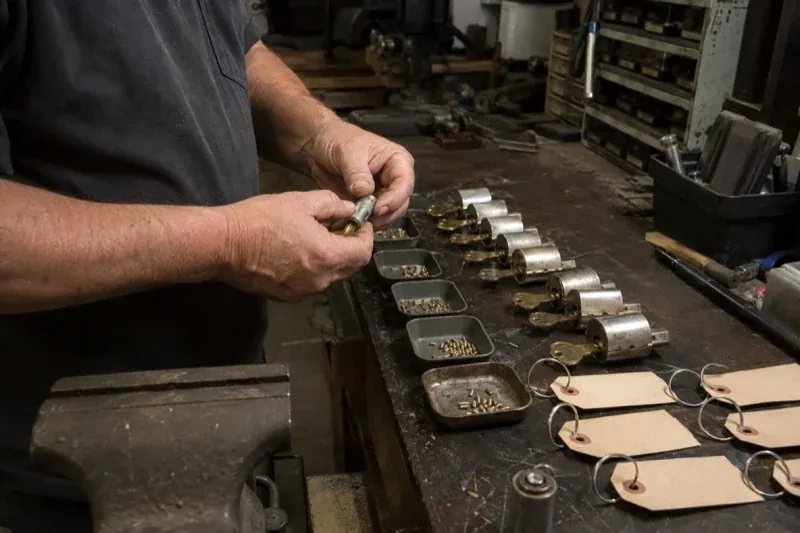
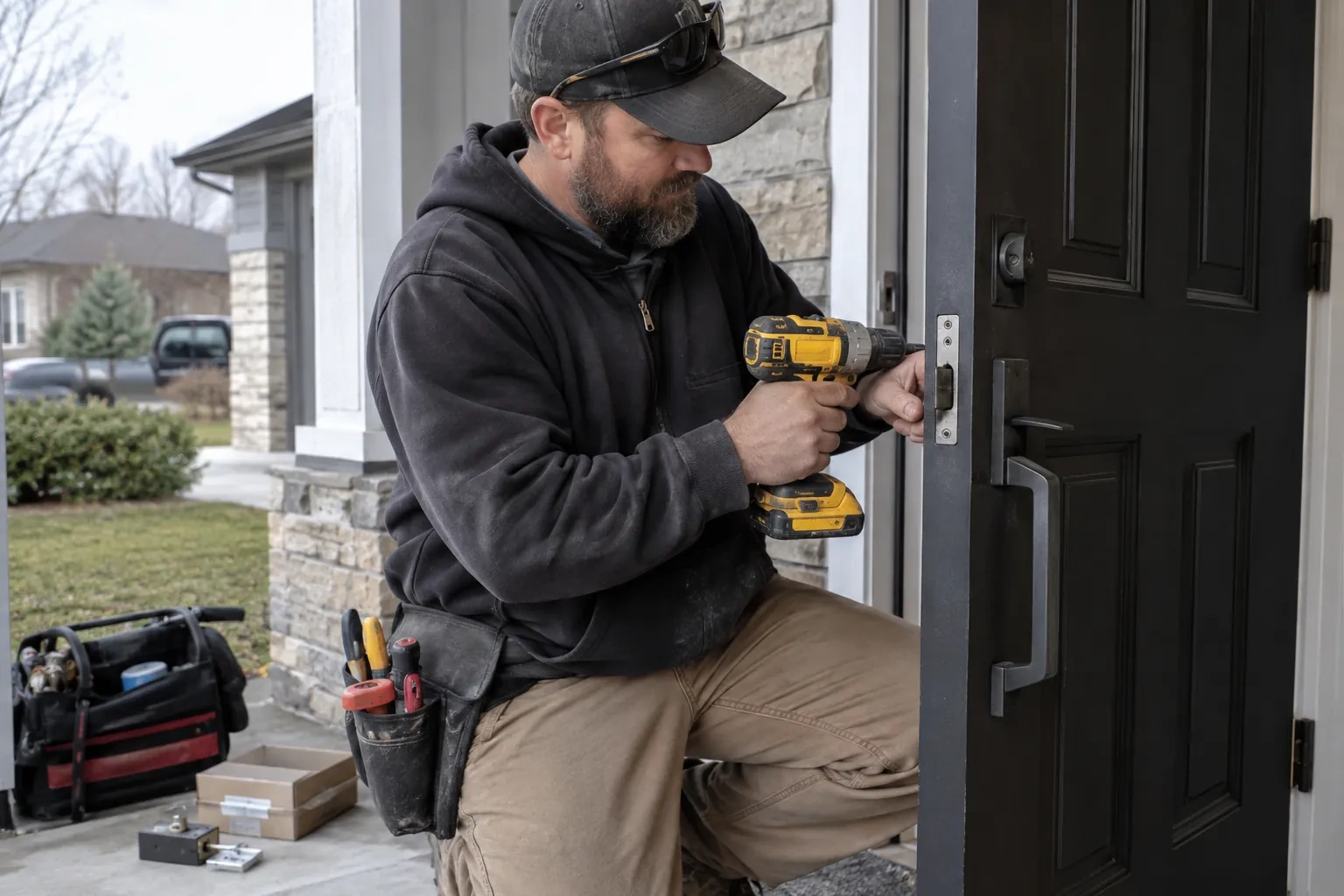
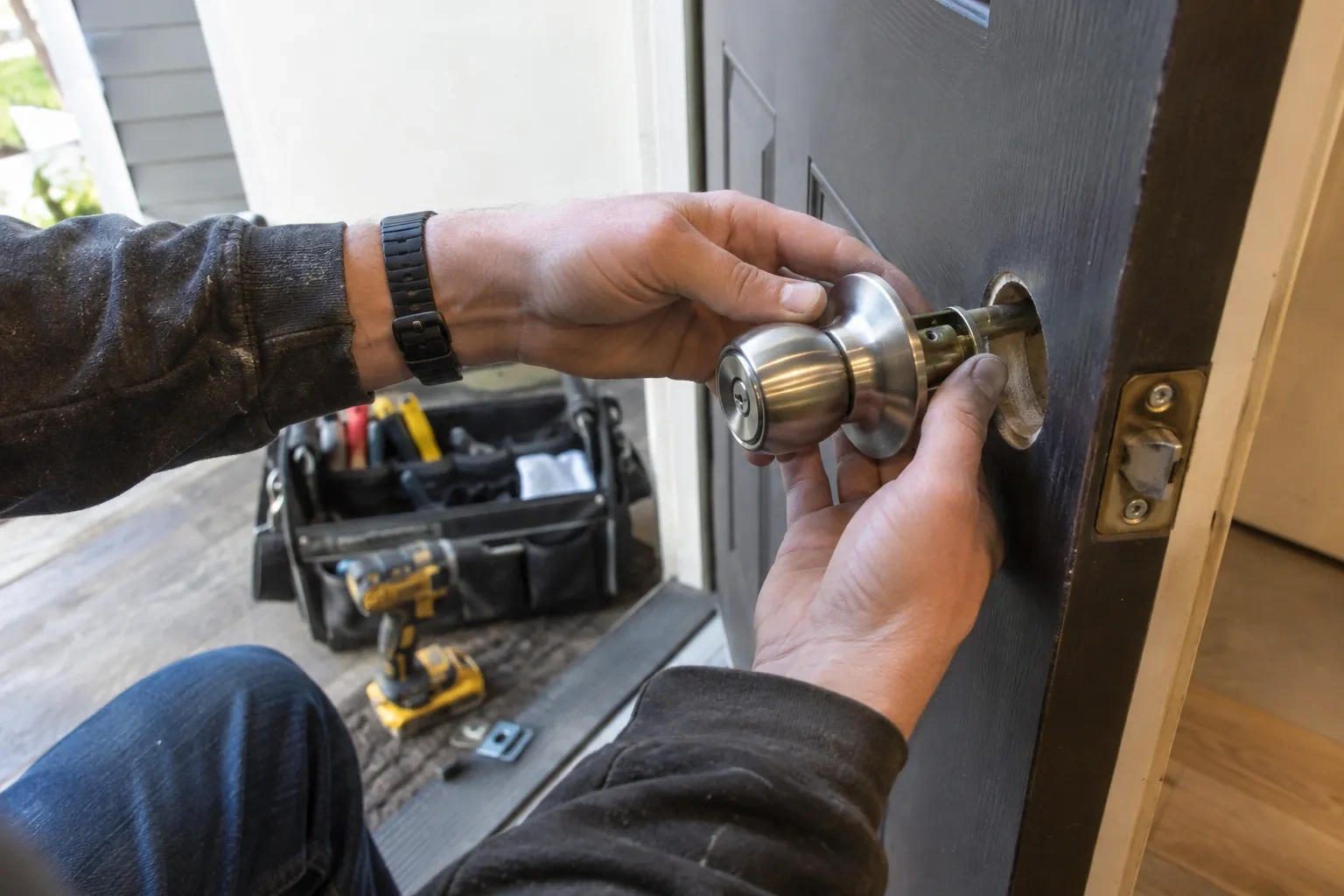
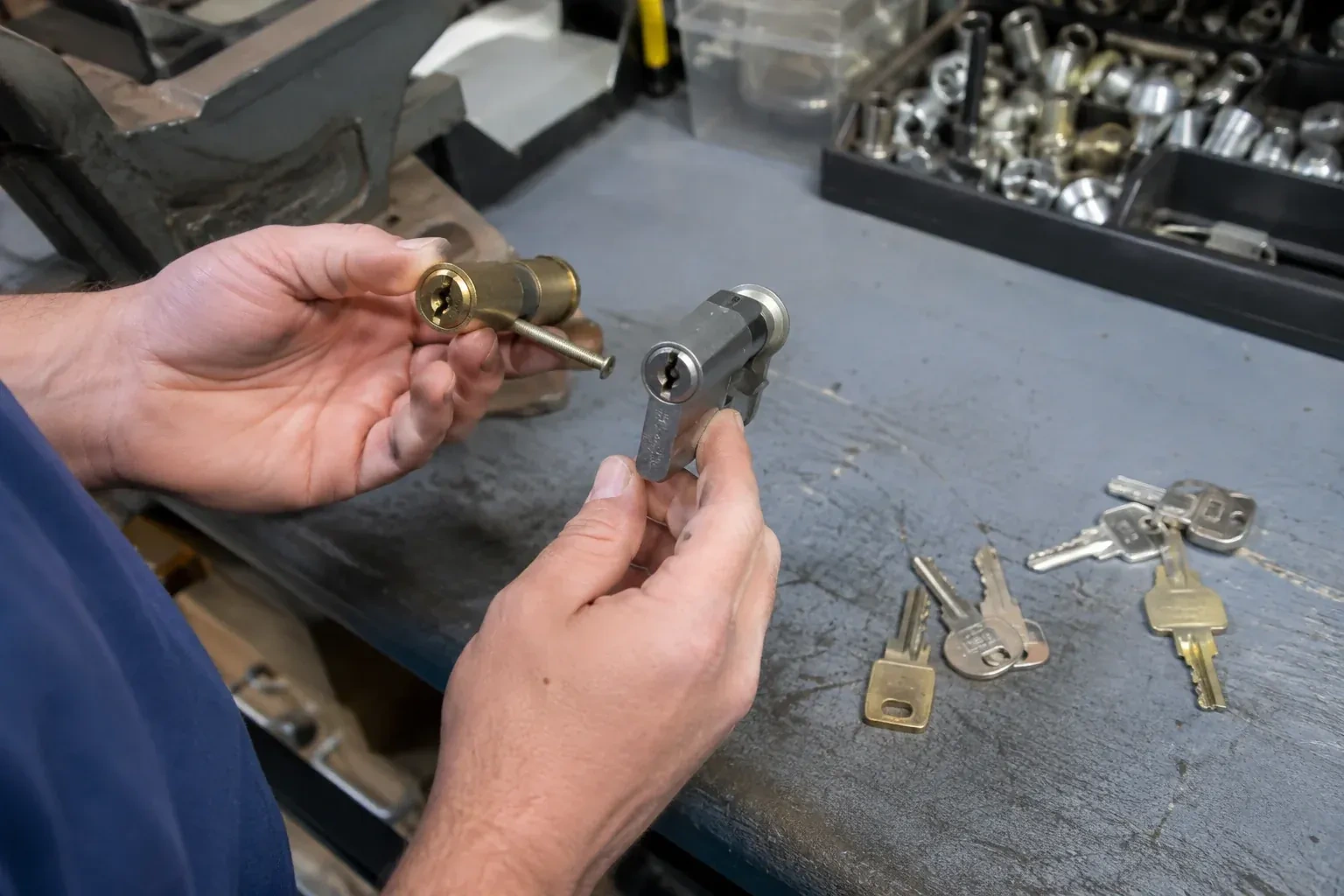
Rekeying keeps the lock you already own and changes which key opens it, which makes it the tidy answer to a lost key, a departed roommate or a staff change. Across Conestogo we rekey single doors, whole houses and small commercial buildings, and cut the new keys on the spot.
Rekeying keeps the lock you already own and changes which key opens it, which makes it the tidy answer to a lost key, a departed roommate or a staff change. Across Conestogo we rekey single doors, whole houses and small commercial buildings, and cut the new keys on the spot.
Old locks respected, new locks fitted right.
You will not be talked into more than the door needs. In Conestogo we grade what is fitted, name the one change that would matter most, and stop there unless you ask for more. A household that wants the full upgrade can have it; a household that wants the sticking bolt fixed gets exactly that, done properly.
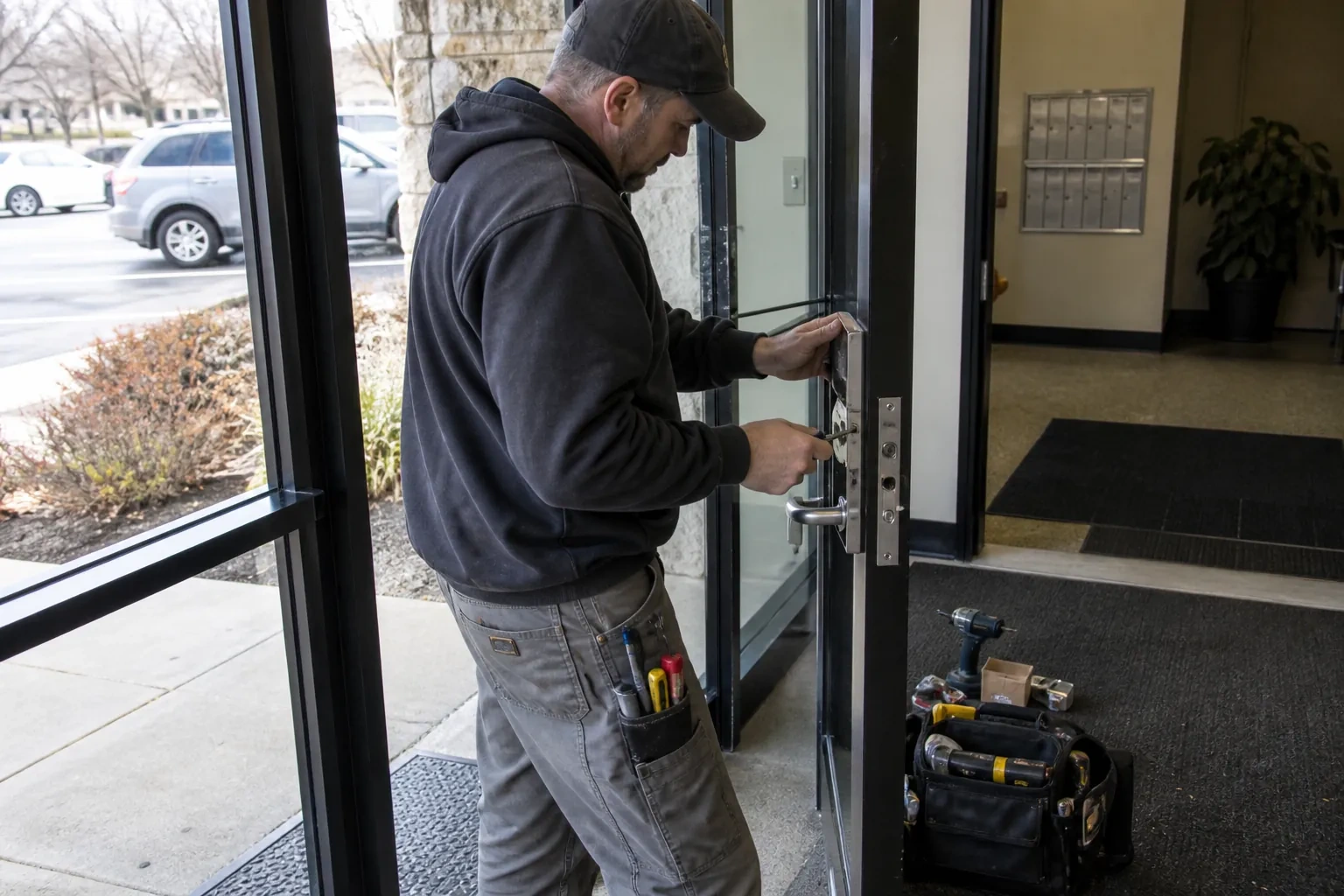
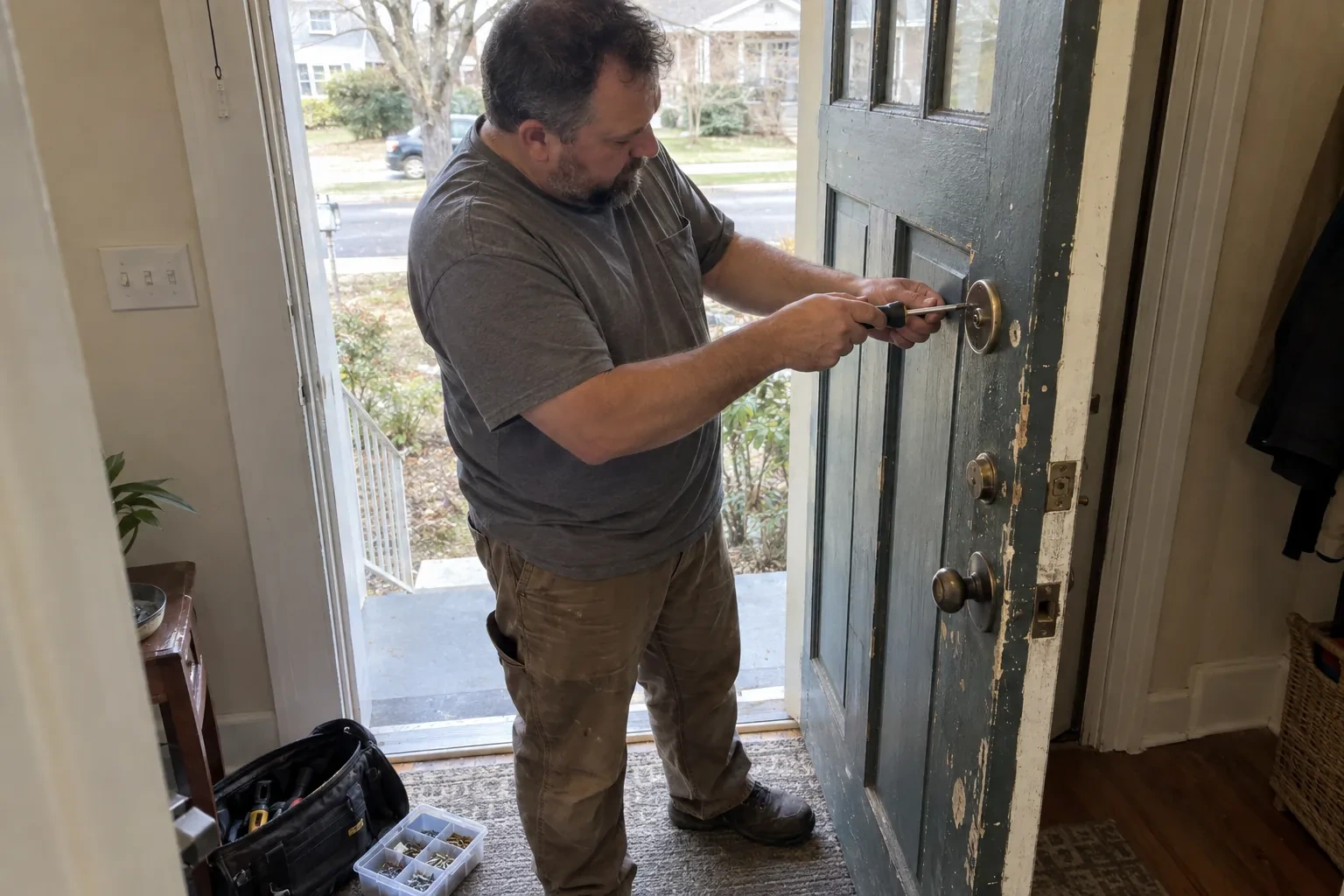
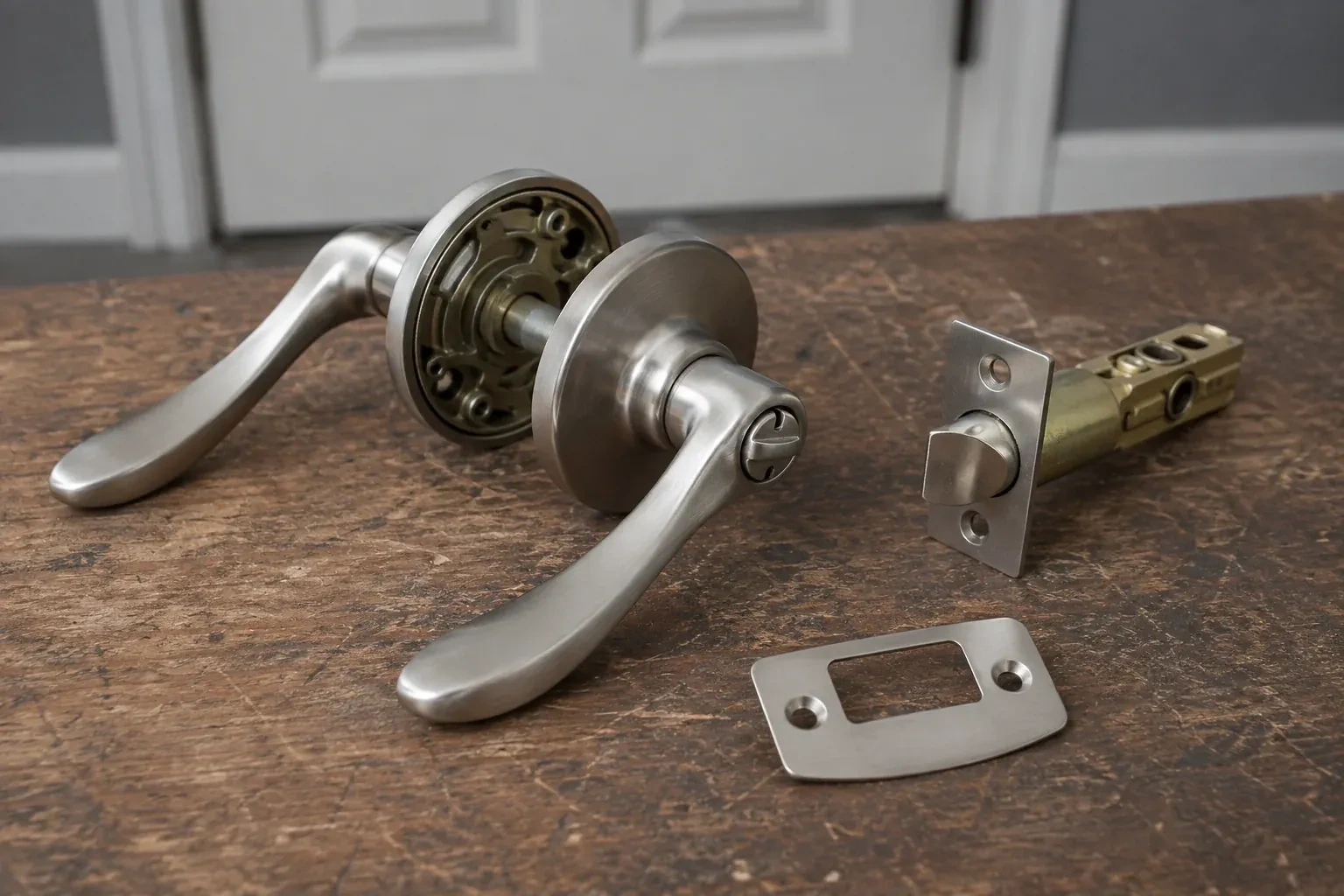
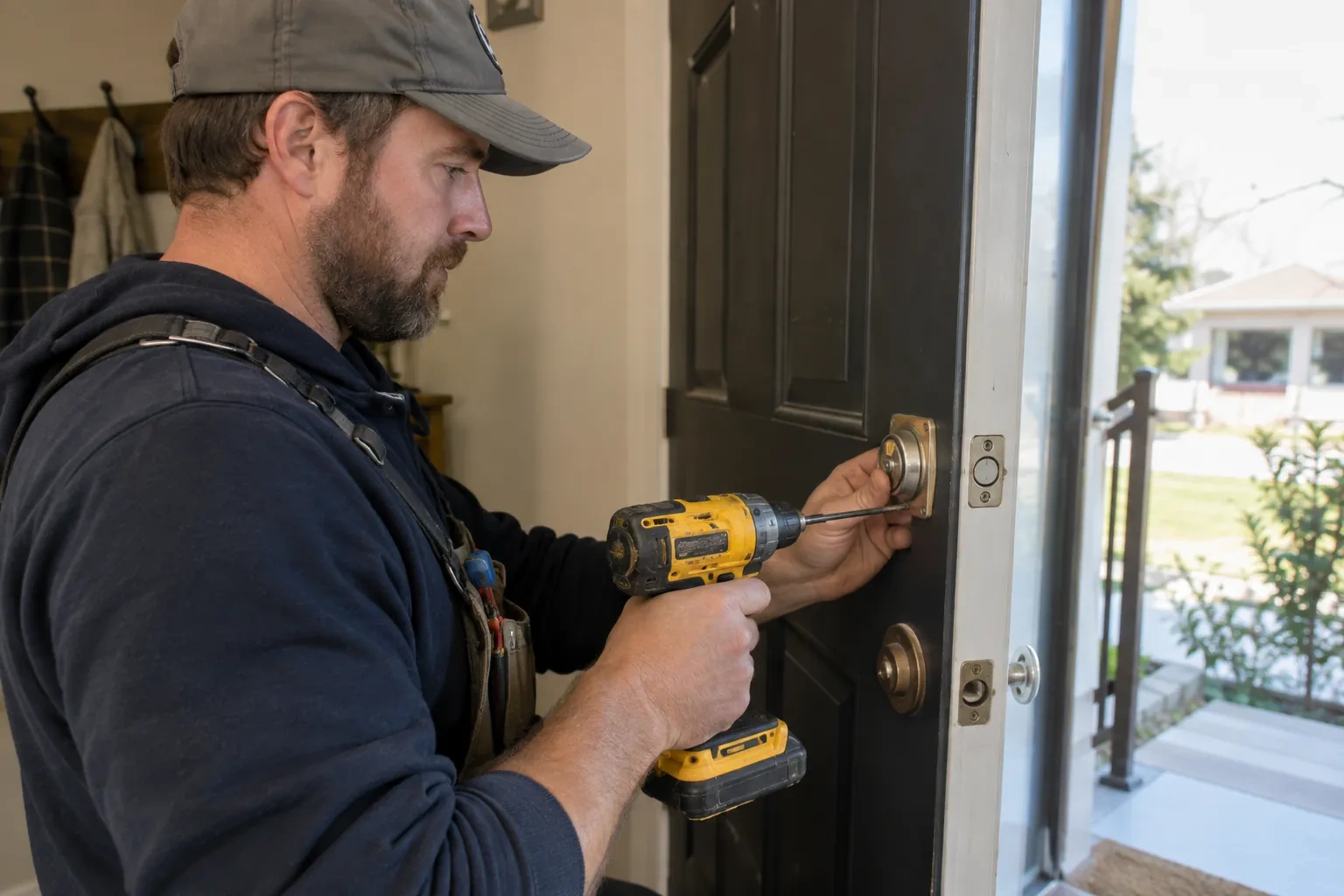
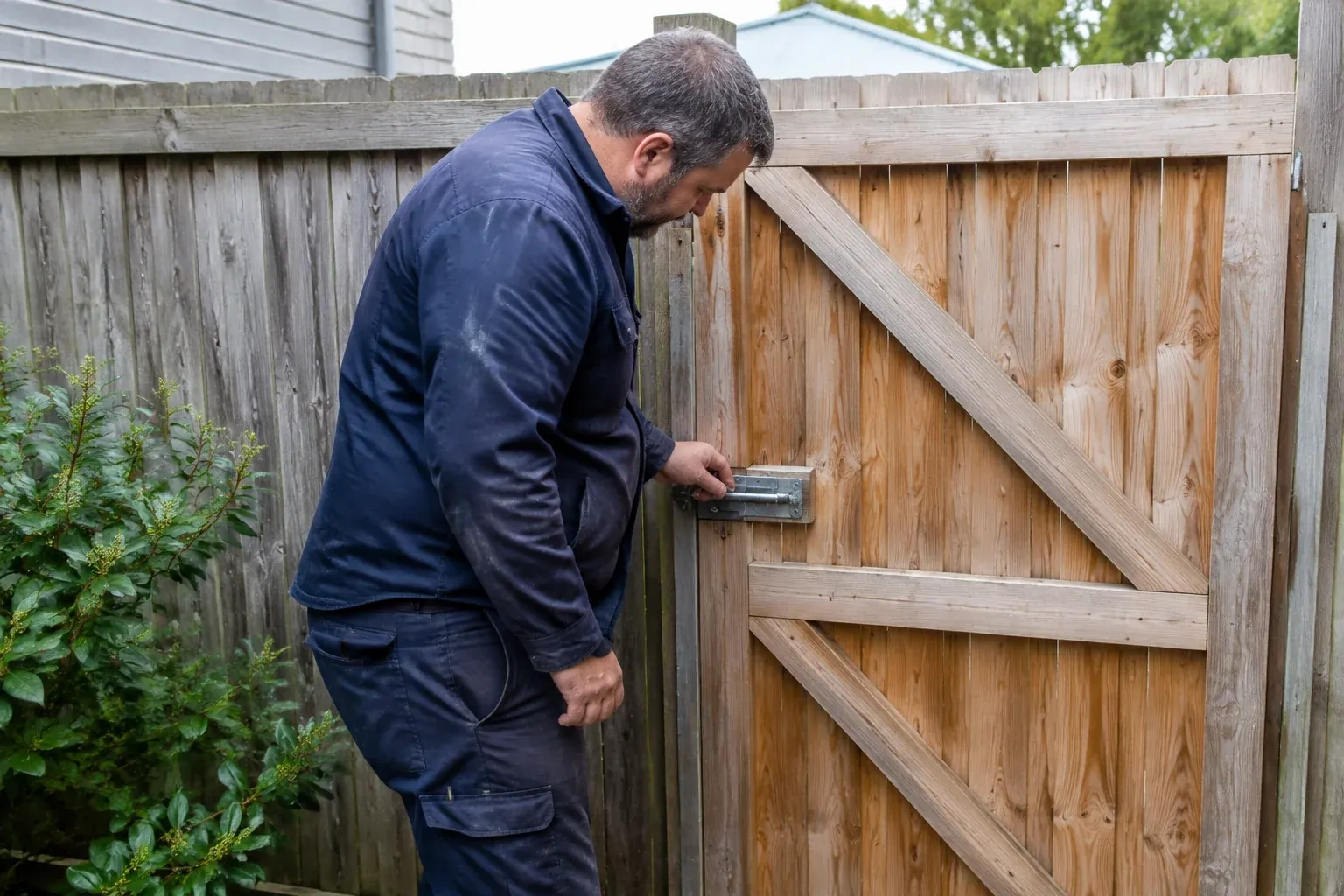
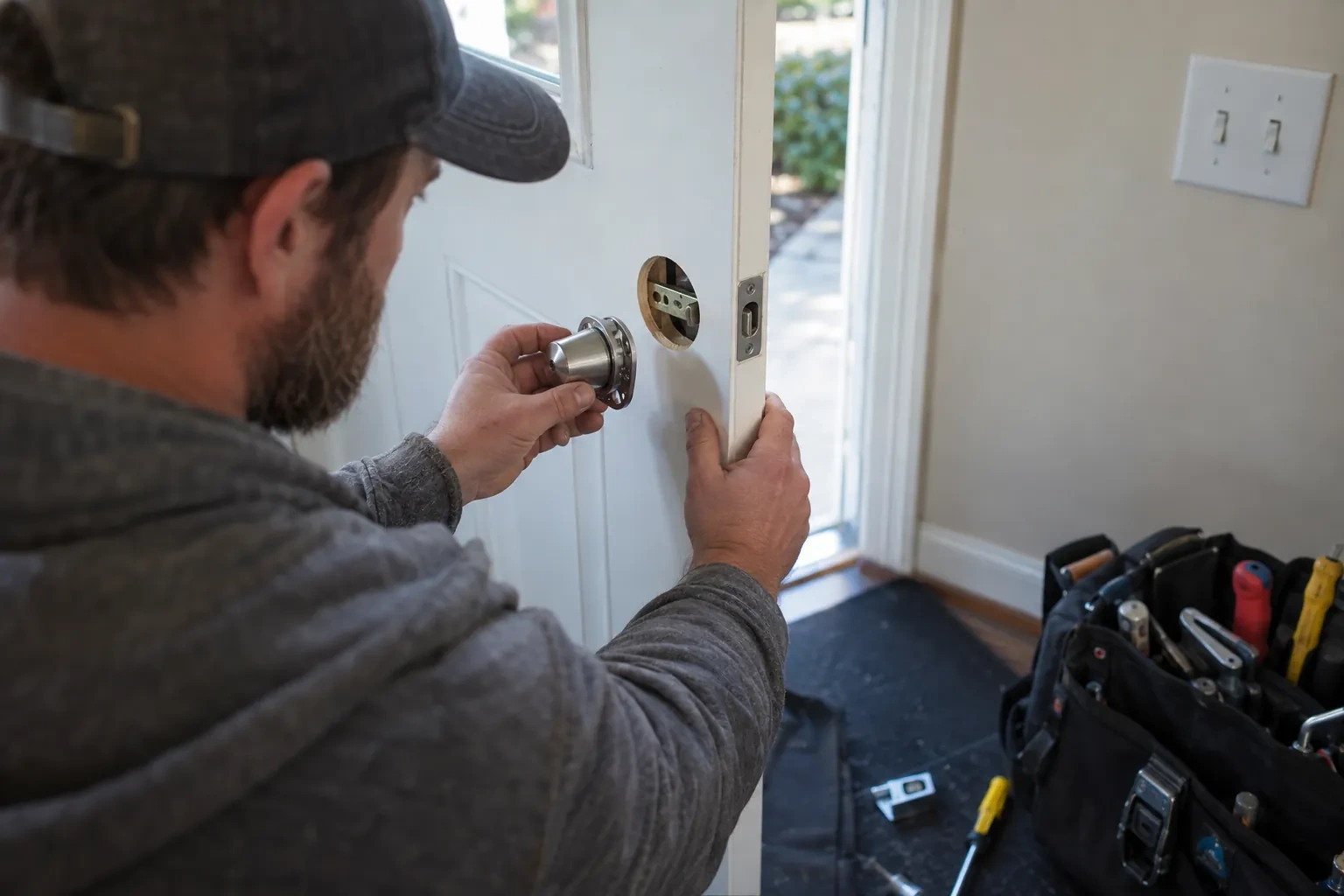
Doors in Conestogo take a beating from weather, use and the occasional slammed exit. We repair what can be repaired: worn cylinders, loose handles, strikes that have drifted, latches that no longer catch. When replacement is the right call, we say so and show you the options in your hand. Either way, you end up understanding your own door better.
30years in business
24/7open every day
You know what is happening. From the first look to the last turn of the key, we narrate the job in plain terms. You should never wonder what we are doing to your door.
Suggestions, not pressure. If we think an upgrade would help, we say so once and explain why. If you decline, that is the end of it.
The old parts handled. Removed locks and keys are given to you or taken away as you prefer. Old keys that no longer work are worth destroying, and we will do that if you like.
One team handles every service on this page for Conestogo, so a lockout can turn into a rekey, and a rekey into a properly set deadbolt, within the same visit if you want it. Each service is described separately below, but at the door they fit together as one piece of work.
About 47% of homes in Woolwich were built in 1980 or earlier, according to the 2021 Census.
Mixed housing ages mean the advice changes door by door. An older solid-wood entry may want a strike reinforced; a newer steel door may want its short strike screws swapped. The locksmith looks at the door in front of him rather than assuming.
Single-detached houses make up about 76% of homes in Woolwich (2021 Census).
Mostly houses
Garage entry doors on detached houses are often the household's real front door, used more than the formal entry. They deserve the same quality of lock, and keying them alike with the house means one key does the whole daily routine.
High security locks answer the question most people eventually ask about their door: who else has a key, and how hard would it be to get past it? Rated cylinders, heavy deadbolts, reinforced strikes and keys that cannot be copied without your say-so.
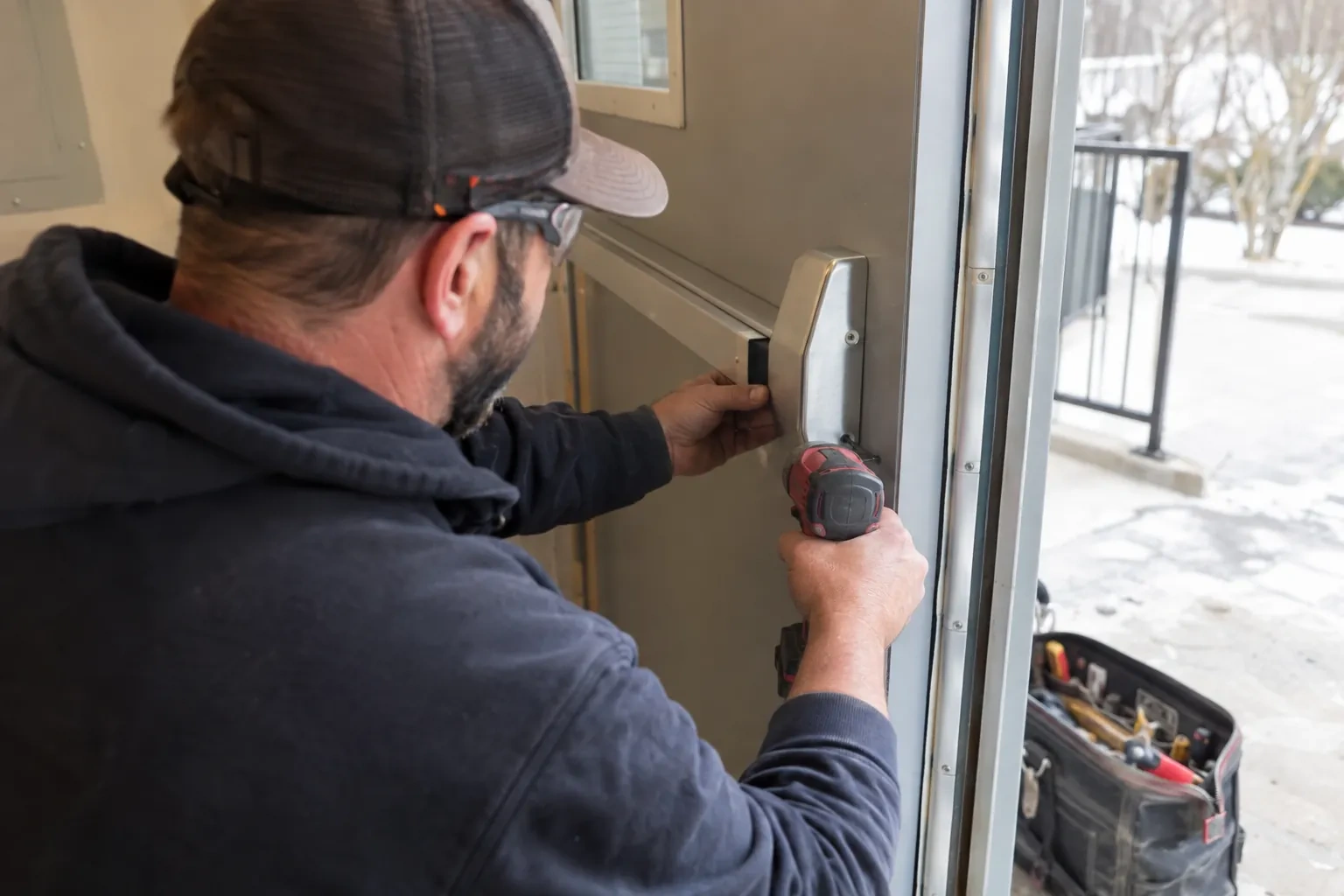
A business needs its doors to open reliably for the right people and stay shut for everyone else, every day, without fuss. That is the whole brief for commercial work, and the pages here show how rekeying, master keying and access control each serve it.
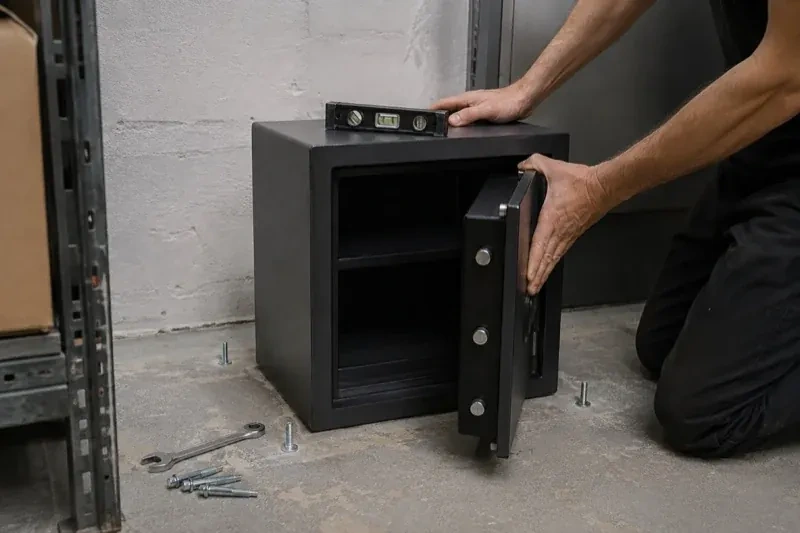
The office is moving three blocks over, and the old commercial safe that has sat bolted to the concrete for fifteen years now needs to come out, travel across town, and go back down just as solidly.
Which fix fits?
You stepped out to grab the recycling bin and the door swung shut behind you.
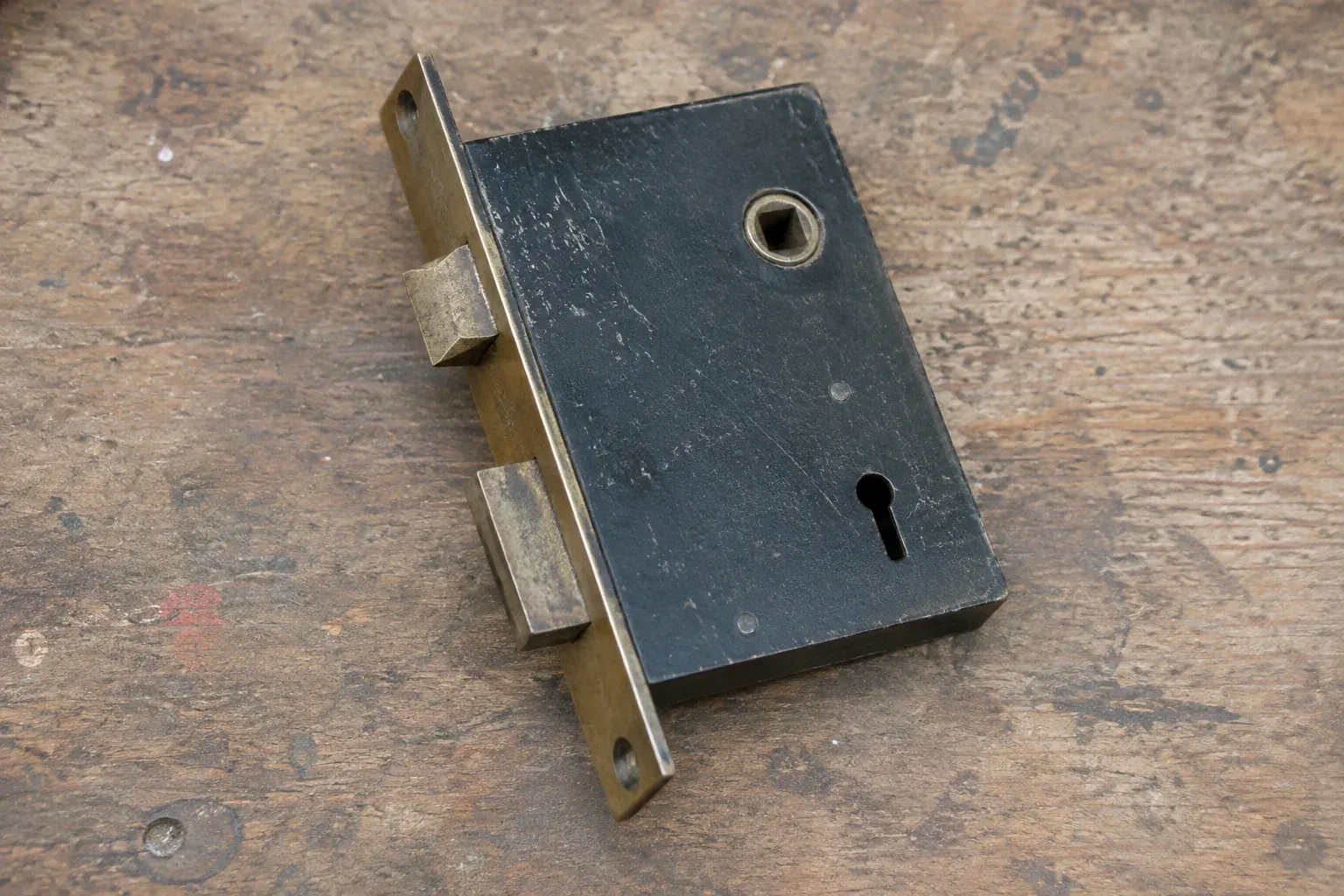
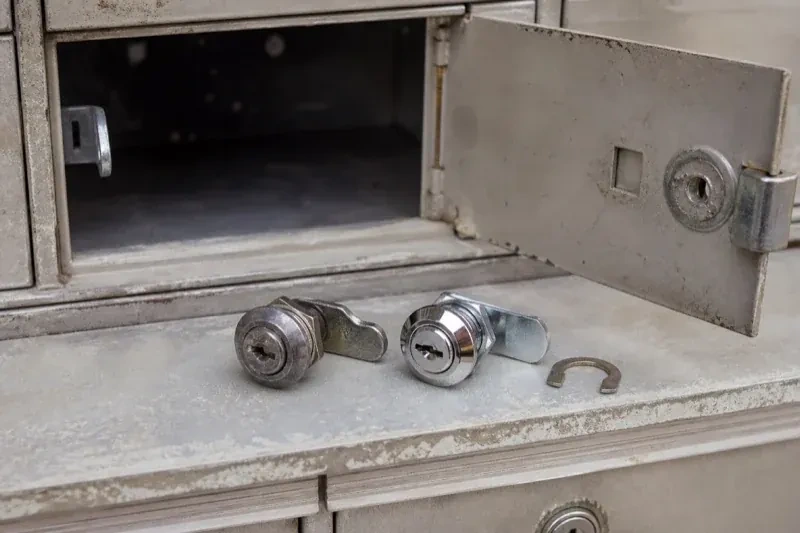
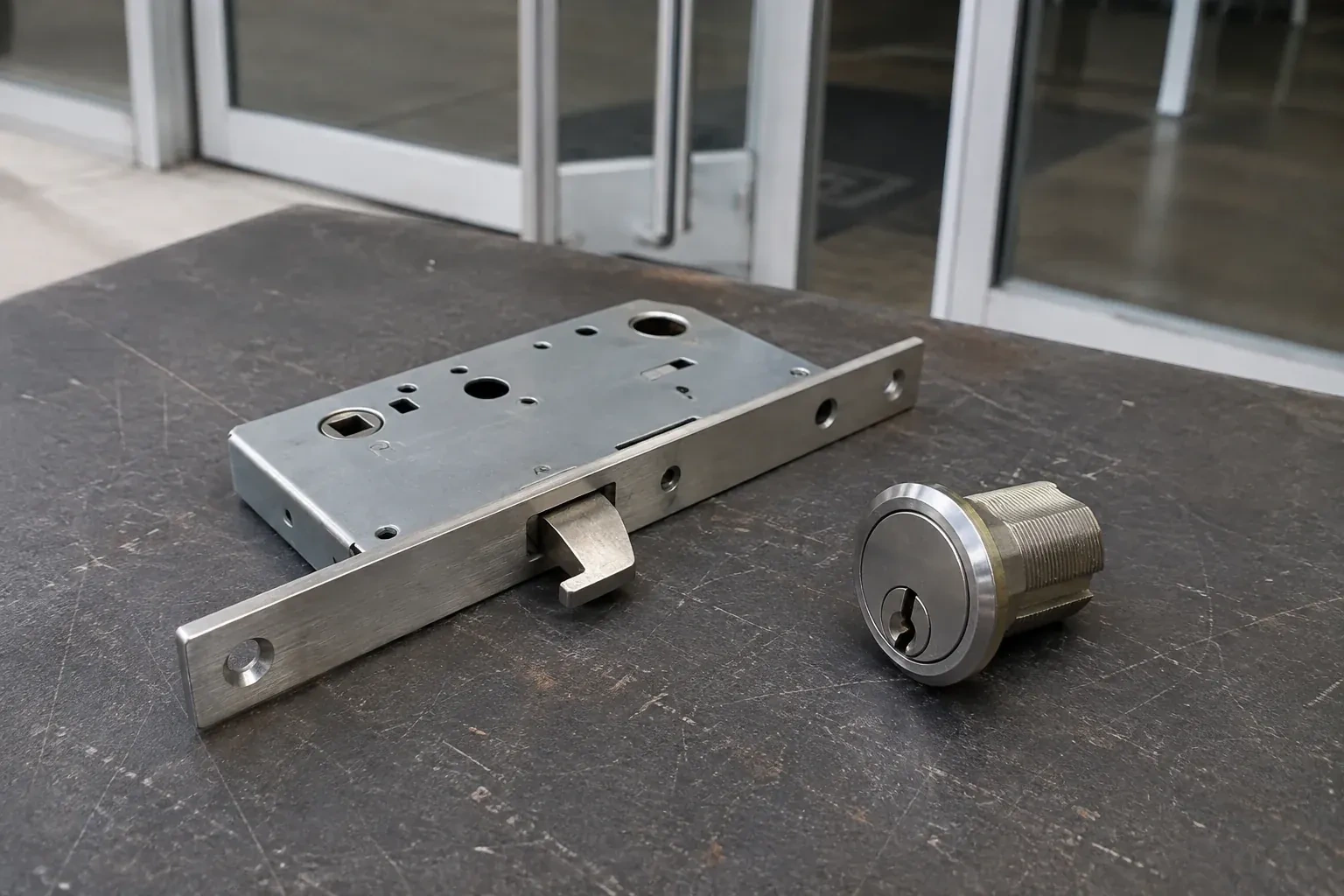
WhyMost old mortise locks fail for boring reasons.
The till drawer has been holding two days of cash because the new shop never got a proper safe, and a locked drawer under the counter is the only thing standing between that cash and anyone who works late.
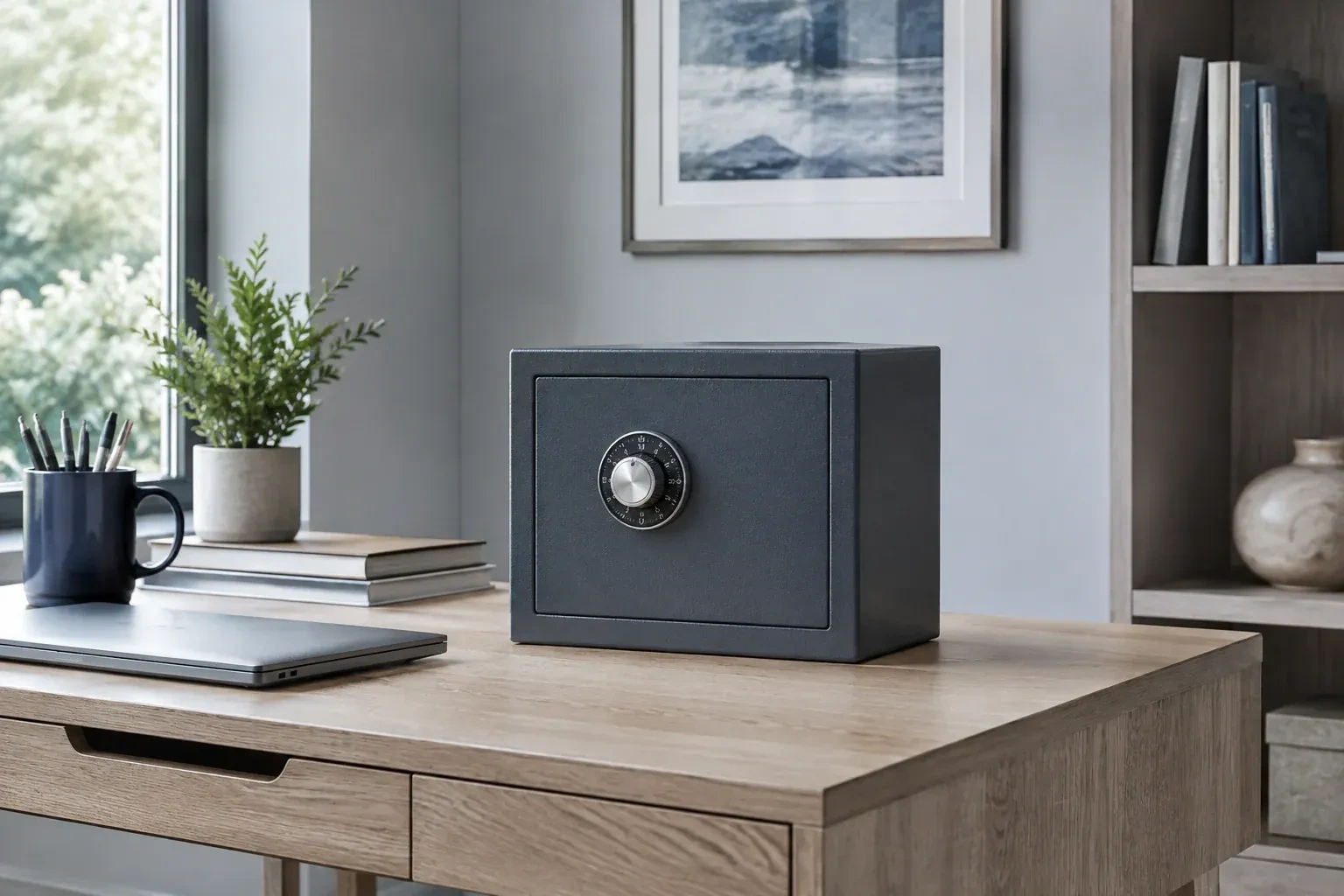
WhyThe lock on a safe is either a mechanical dial built around a wheel pack and gates, set and tested by a trained hand, or an electronic keypad running on batteries, and each has its own service needs.
Something went missing from the storeroom over a weekend, and when you ask who was in the building, the honest answer is anyone with a key.
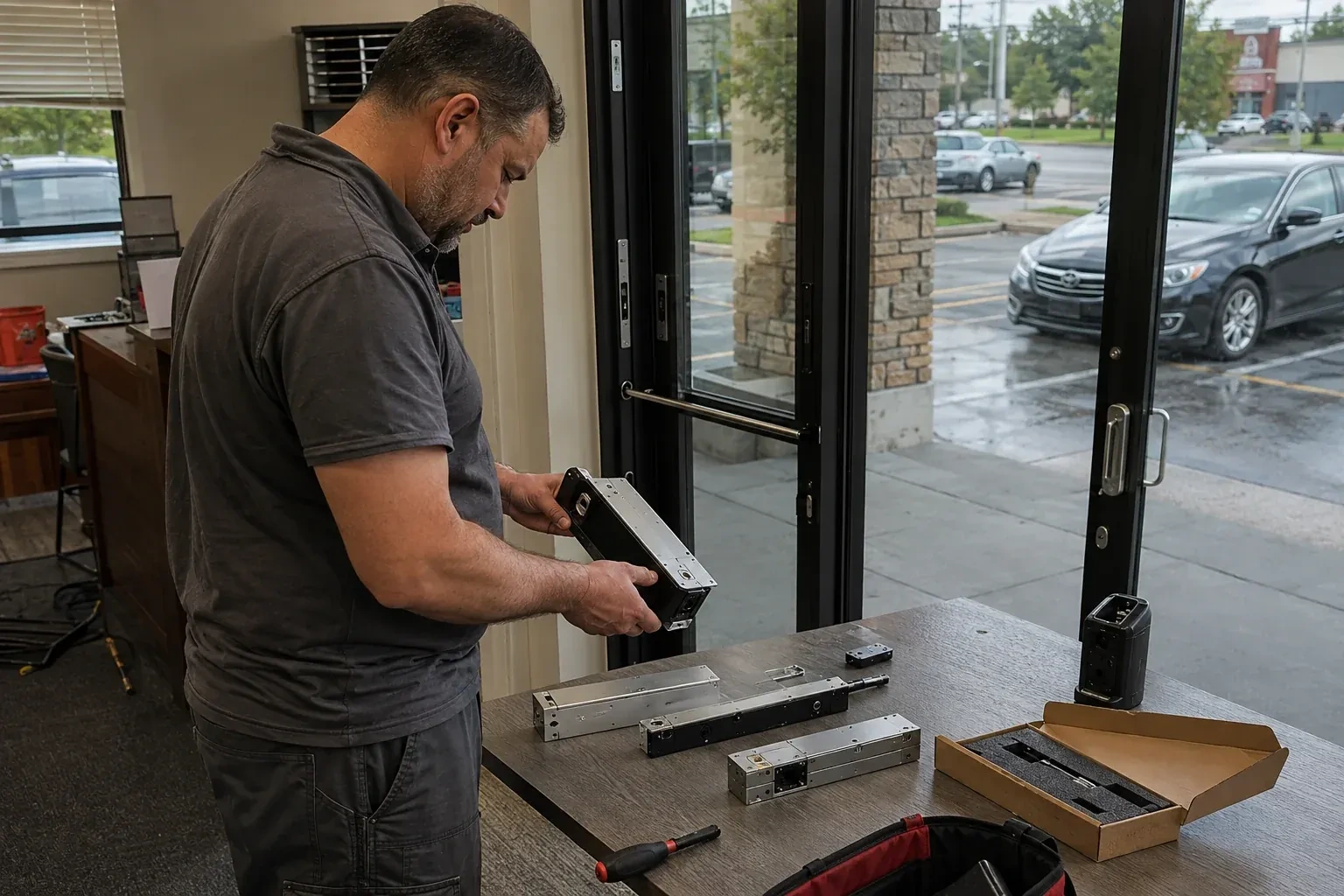
WhyAccess control installation swaps a shared metal key for an electronic one: a card, a fob, a code, or a phone tap that a controller checks against a list the business manages.
The trunk is full of groceries, the cart is back in its corral, and the keys are sitting in the cup holder in plain view.
WhyA vehicle that arrives with only one working key is a common situation after a private sale or an estate transfer, and it is one of the more straightforward calls a locksmith takes.
A cracked case or a spin through the wash left the fob unresponsive, and opening it up reveals a slightly corroded board where the buttons used to sit.
WhyWhere the fobs currently stand decides how the visit unfolds.
Good days. Start with a turn.
1/9Home Lockout Service
You stepped out to grab the recycling bin and the door swung shut behind you. Through the glass you can see your keys hanging on the hook by the stairs, exactly where they always are, and the latch has caught.
The back door looks closed until you touch it. The edge is crushed where a bar went in, the latch is bent sideways, and the door swings free with a gentle push no matter how you turn the key.
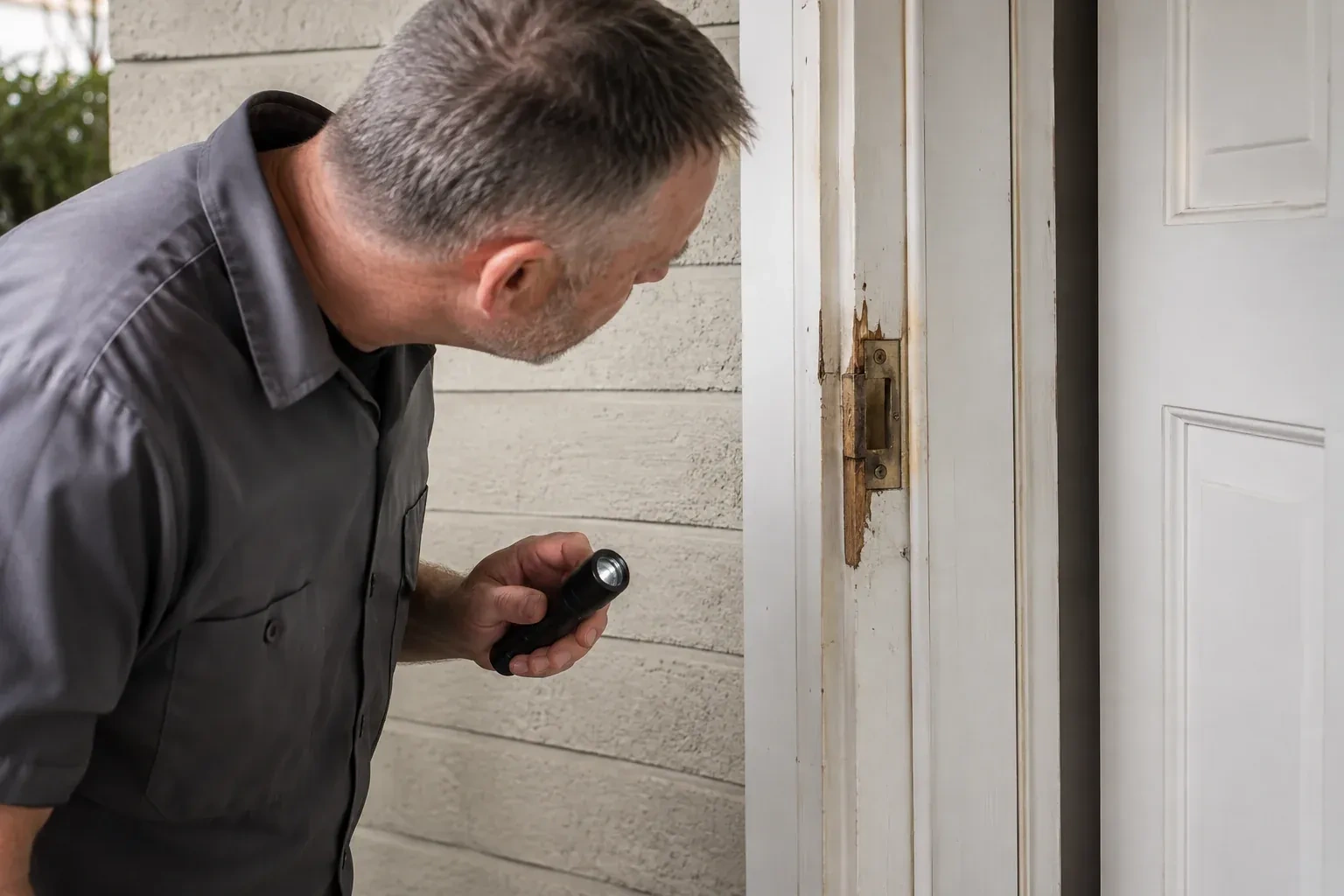
After a wet summer the entry door sits lower in its frame. The lock works perfectly when the door is open, but with it shut you have to lift the handle and shoulder the door to get the deadbolt to throw.
The till drawer has been holding two days of cash because the new shop never got a proper safe, and a locked drawer under the counter is the only thing standing between that cash and anyone who works late.
Something went missing from the storeroom over a weekend, and when you ask who was in the building, the honest answer is anyone with a key. There is no list, no time stamp, no way to narrow it down.
The trunk is full of groceries, the cart is back in its corral, and the keys are sitting in the cup holder in plain view. Every door handle lifts and stops. The car locked itself the moment the last door closed, and it is a warm afternoon.
The engine cranks, catches for a second and dies, and a small key-shaped light keeps blinking on the dash. The blade turns the ignition and the doors perfectly well, but the car has stopped recognizing the chip inside the key.
The proximity fob has ridden in a pocket for years, the range feels shorter than it used to, and a dashboard warning mentioned a battery a while back. Nobody has sorted out what happens on the day it finally goes dark.
A cracked case or a spin through the wash left the fob unresponsive, and opening it up reveals a slightly corroded board where the buttons used to sit. The mechanical blade still turns the lock on its own, but the wireless side of the fob has gone silent.
My lock is a high-security model. Can it still be opened?
Yes. High-security cylinders with security pins, sidebars or restricted keyways are designed to slow an intruder, and they do slow a locksmith too, but they open with the right technique, a decoder made for that keyway, or as a last resort a precise drill through the cylinder followed by a like-for-like replacement. Bring any key card or code card that came with the lock, since restricted keys are cut from those records rather than copied.
The intruder pried open our sliding patio door. Can it be made secure?
Yes. The panel goes back on its track and the broken latch is replaced, then the weaknesses a slider is born with are addressed: anti-lift blocks in the upper channel so the panel cannot be raised off its rollers, a foot bolt or pin lock through the frame at the bottom, and an auxiliary keyed lock if the latch alone is flimsy. A bowed frame may need a door installer, with the opening secured until they come.
The lock works with the door open but not when it is closed. Is the lock broken?
Almost certainly not. That pattern means the door has moved in its frame so the latch and bolt no longer meet the strike squarely. Solid wood doors in older houses swell in humid weather and settle on their hinges over the years. The service adjusts or shims the strike and tightens or packs the hinges so the bolt throws without lifting the door, and the lock itself is usually cleaned and lubricated at the same time.
How do I know what rating of safe I actually need?
Start with what will be inside it. Cash, jewelry, and firearms mainly need protection from tools and time, so the burglary rating matters most. Paper records and digital backups mainly need protection from heat, so the fire rating matters most, and digital media needs a noticeably lower internal temperature than paper to survive. Many households and businesses end up choosing a unit built to both standards rather than picking just one.
What happens to our records if we later work with a different provider?
That depends on the platform: the entry log and configuration can live on a local controller and its on-site software, which stay with the business regardless of who installed them, or on a cloud-managed subscription service, where continued access and data export follow that provider's own terms. It is worth confirming at the time of installation which arrangement applies, so the business knows what happens to its records if it later changes providers.
What should I have ready when I call?
The make, model and year of the vehicle, the colour and plate if you can see it, exactly where the car is parked and how to reach it, and where the keys are: on the seat, in the trunk, lost, snapped, or in a fob that has gone quiet. Say whether anyone or any animal is inside, whether the car is a rental or a company vehicle, and whether your identification is on you or in the glovebox.
The key snapped off inside the lock. What happens now?
The broken piece is drawn out with an extractor that grips it rather than pushing it deeper, and the cylinder is checked for damage. The head of the key, if it survived, still holds the chip and the remote, so it can be rebuilt around a new blade in a new case without any programming. If the whole key was lost with the break, a fresh transponder key is cut to code and programmed as usual.
What happens if I only have one key and it is for a car I just bought?
This is a common and straightforward call. The locksmith works from the single existing key and the vehicle itself, identifying the blade profile and reading or matching the chip, then testing the result on its own before the visit ends. It is also a good moment to confirm how many keys the car's history suggests should exist, since a private sale sometimes changes hands with an unknown key already out of circulation.
Is fixing a lost key different from just adding a spare?
Yes. Adding a spare while every existing fob still works only involves registering the new one. A lost key involves that same registration plus removing the missing fob's authorization following that vehicle's own procedure, since leaving it active means whoever has it can still use it; some vehicles also relearn the fobs you keep, and a mechanical blade in the lost fob is ruled out by rekeying the matching lock. The two situations share a first step but not a last one.
Request a visit
You will not be talked into more than the door needs. In Conestogo we grade what is fitted, name the one change that would matter most, and stop there unless you ask for more. A household that wants the full upgrade can have it; a household that wants the sticking bolt fixed gets exactly that, done properly.