Car keys · Woolwich
Car Lockout Service
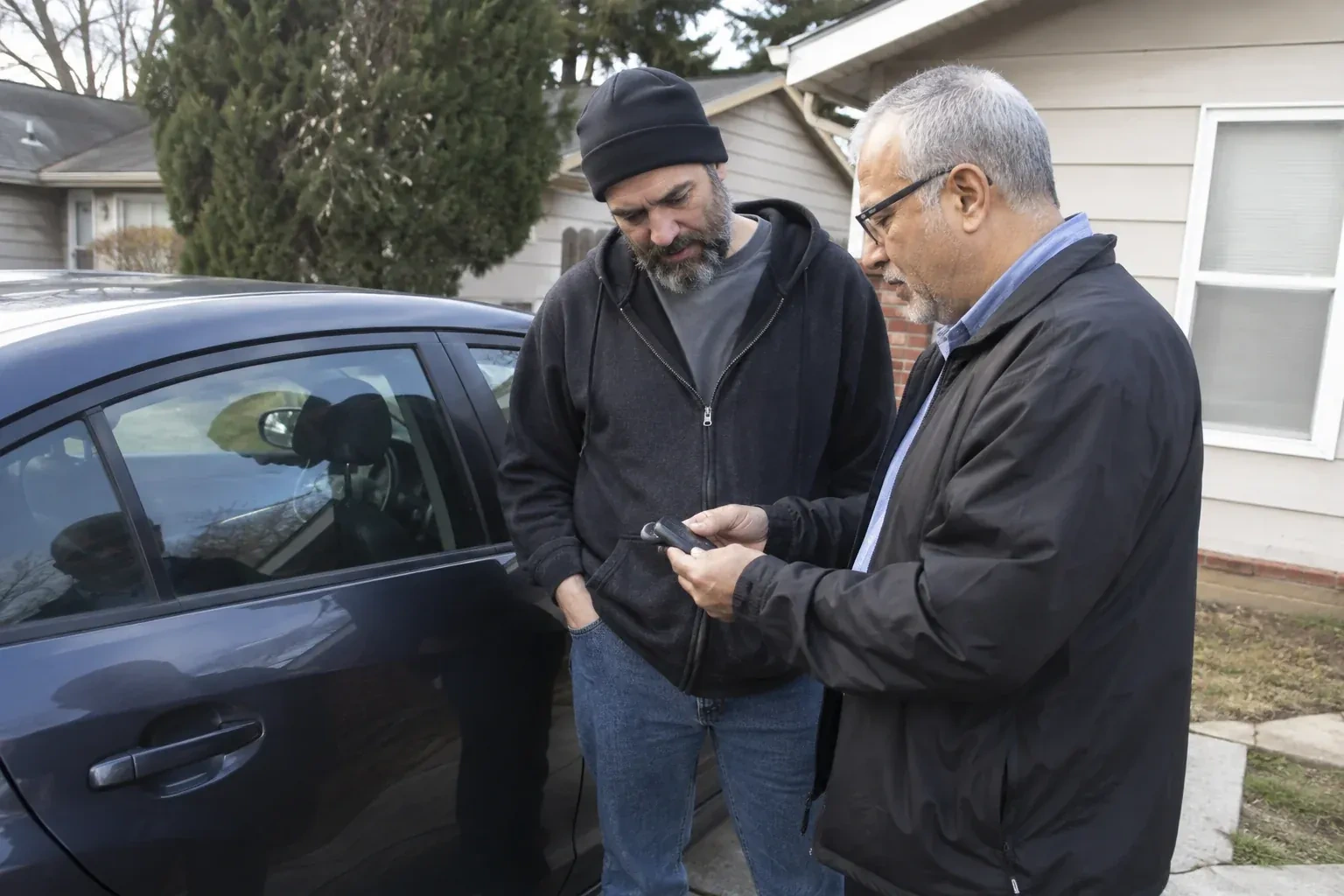
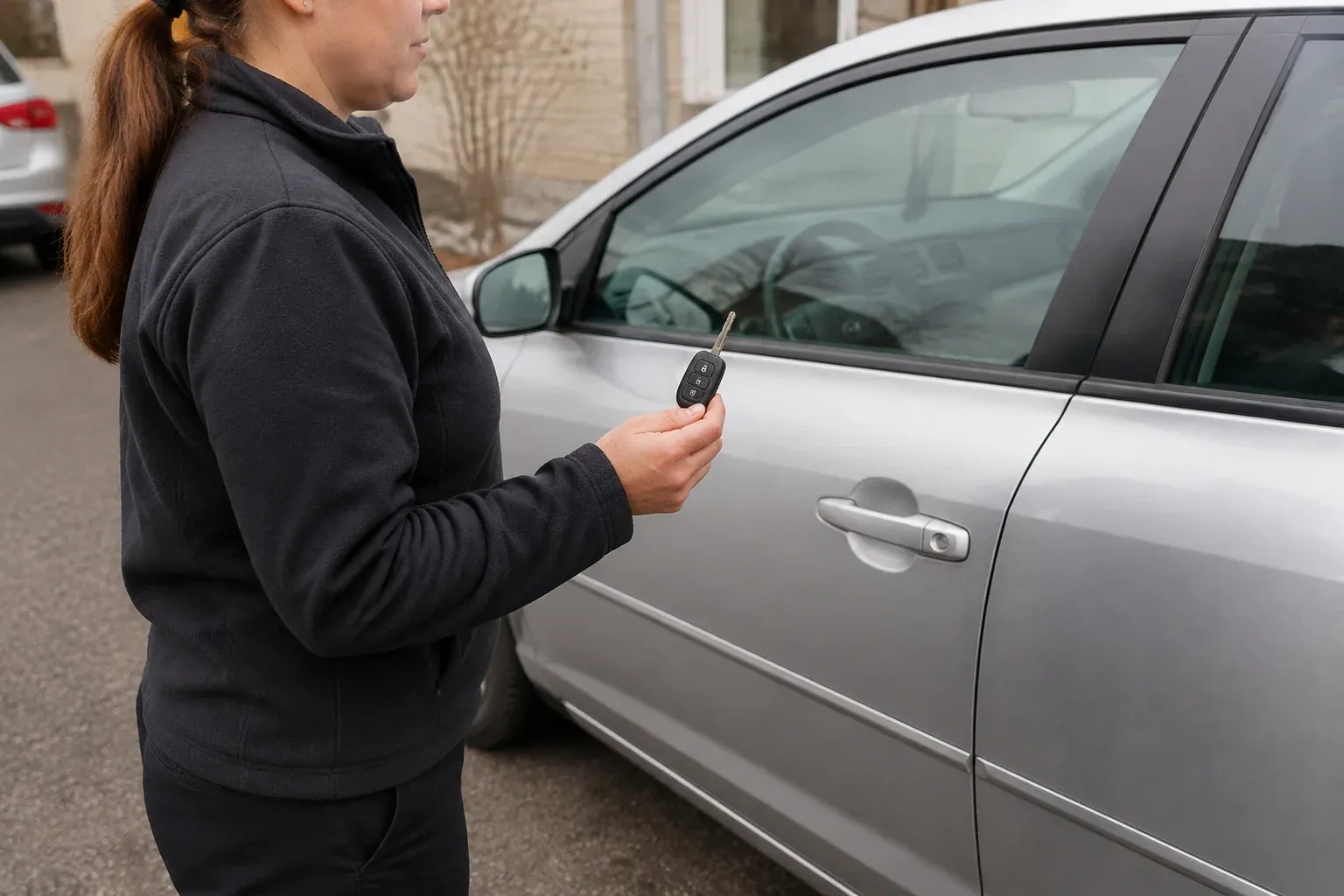
Your toddler is buckled in the back seat, the doors locked when you shut yours, and your keys are on the front seat beside your phone.
In plain words
Most car lockouts end with nothing to show that anyone was ever there. Purpose-made tools do the work a key or a finger would do from inside: an inflatable wedge opens a small gap at the top of the door frame, a padded reach tool presses the unlock button or lifts the handle, and door-edge guards keep paint and seals clean. Where a door cylinder exists, a pick-and-decoder made for that keyway turns it without marks. Coat hangers, screwdrivers and forced windows have no place in the process, and breaking glass is reserved for genuine emergencies where a life is at stake and responders are already on the way.
How the visit goesYou dropped the duffel bag in the trunk, closed the lid with your elbow, and heard the keys land inside a heartbeat too late. The cabin is locked as well, and the only way into that trunk seems to be a key you can see nowhere.
Car Lockout Service
How the visit goes
Reading the make, model and year
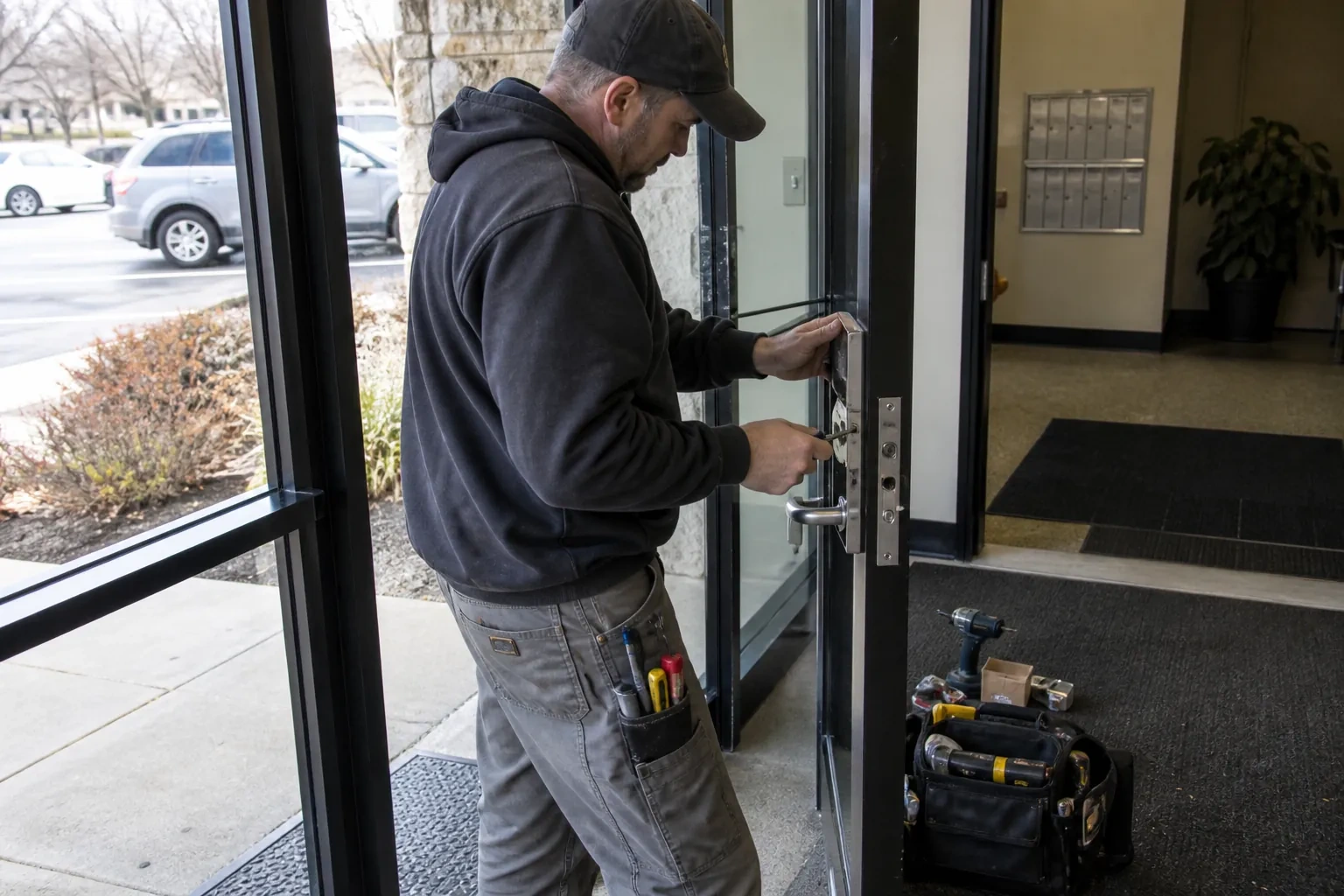
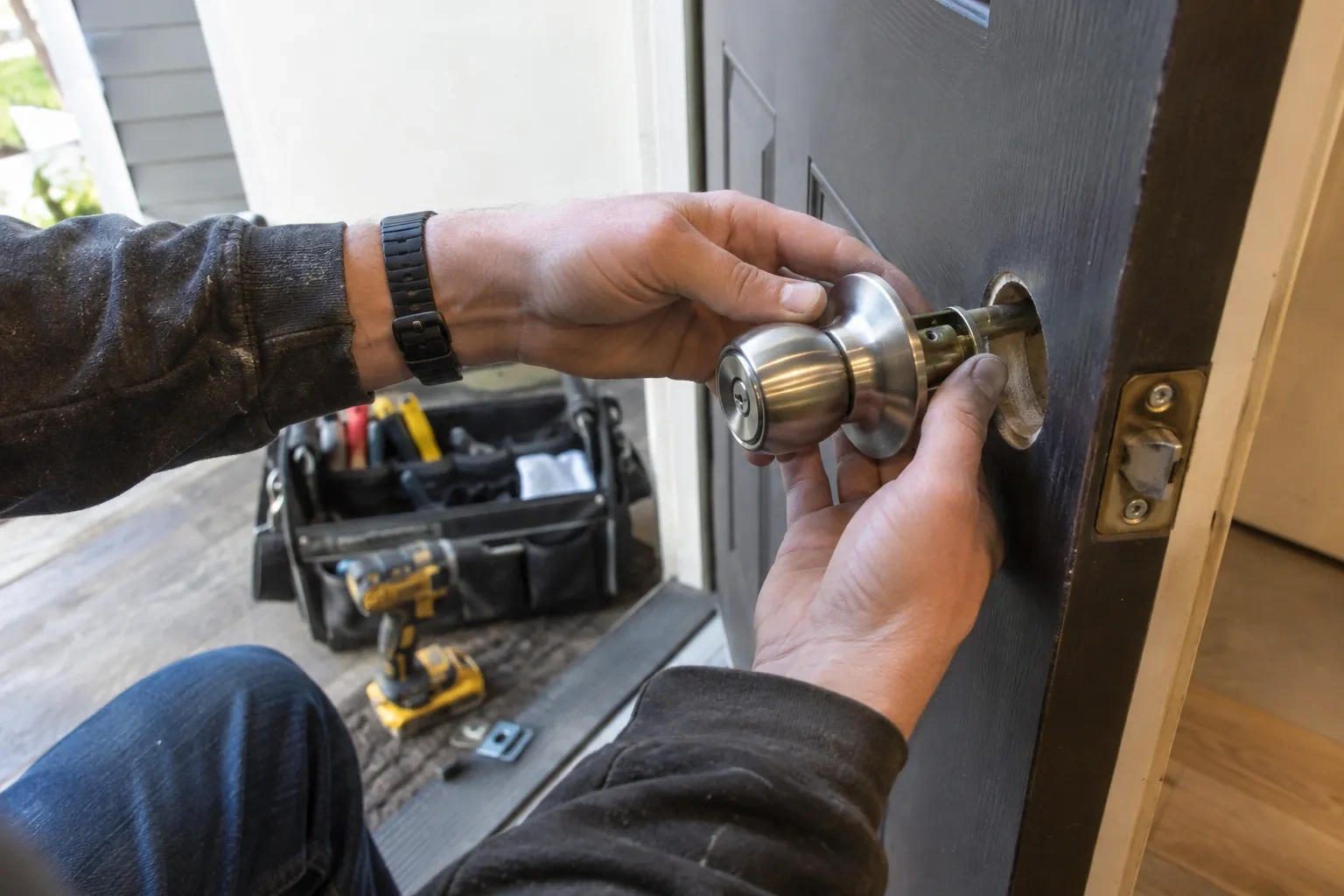
Cars from different decades open in different ways, so the vehicle's age and type are the next thing weighed. An older sedan with an exposed cylinder in every door is picked or decoded like a house lock. A newer car may have a single cylinder hidden under a small cap on the driver's handle, doors dense with wiring and airbag sensors, and an immobiliser that expects a recognised fob. Some vans and trucks use a separate cargo lock system. A locksmith who knows the model chooses between wedge-and-reach, a decoder pick matched to that keyway, or the mechanical cylinder before touching the car.
Thawing a frozen lock or door
Ice is met with patience. Lock de-icer goes into the keyway and a gentle heat source warms the cylinder face until the plug turns without resistance; hot water is never used, because it refreezes and can crack cold metal or glass. A door frozen to its seal is released by pressing along the edge to break the ice rather than yanking the handle, which can tear the rubber. Once open, the cylinder is dried and dressed with whatever lubricant the vehicle maker specifies for cold weather, the seals are wiped and treated with silicone so they do not bond again, and the fob battery is checked since cold is hard on coin cells.
Ready for the next freeze
After a winter lockout the car is set up to take the next cold snap in stride. The door cylinder has been dried and given whatever lubricant the vehicle maker specifies for cold weather, and the door seals have been wiped and treated with silicone so they release instead of bonding to the frame. A small tube of lock de-icer for a coat pocket, never left in the locked car, covers the mornings a keyway ices over. Parking nose-out of the wind where you can, keeping the driver's door seal clean of slush, and swapping the fob battery each autumn are the small habits that carry a car through to spring.
Car Lockout Service
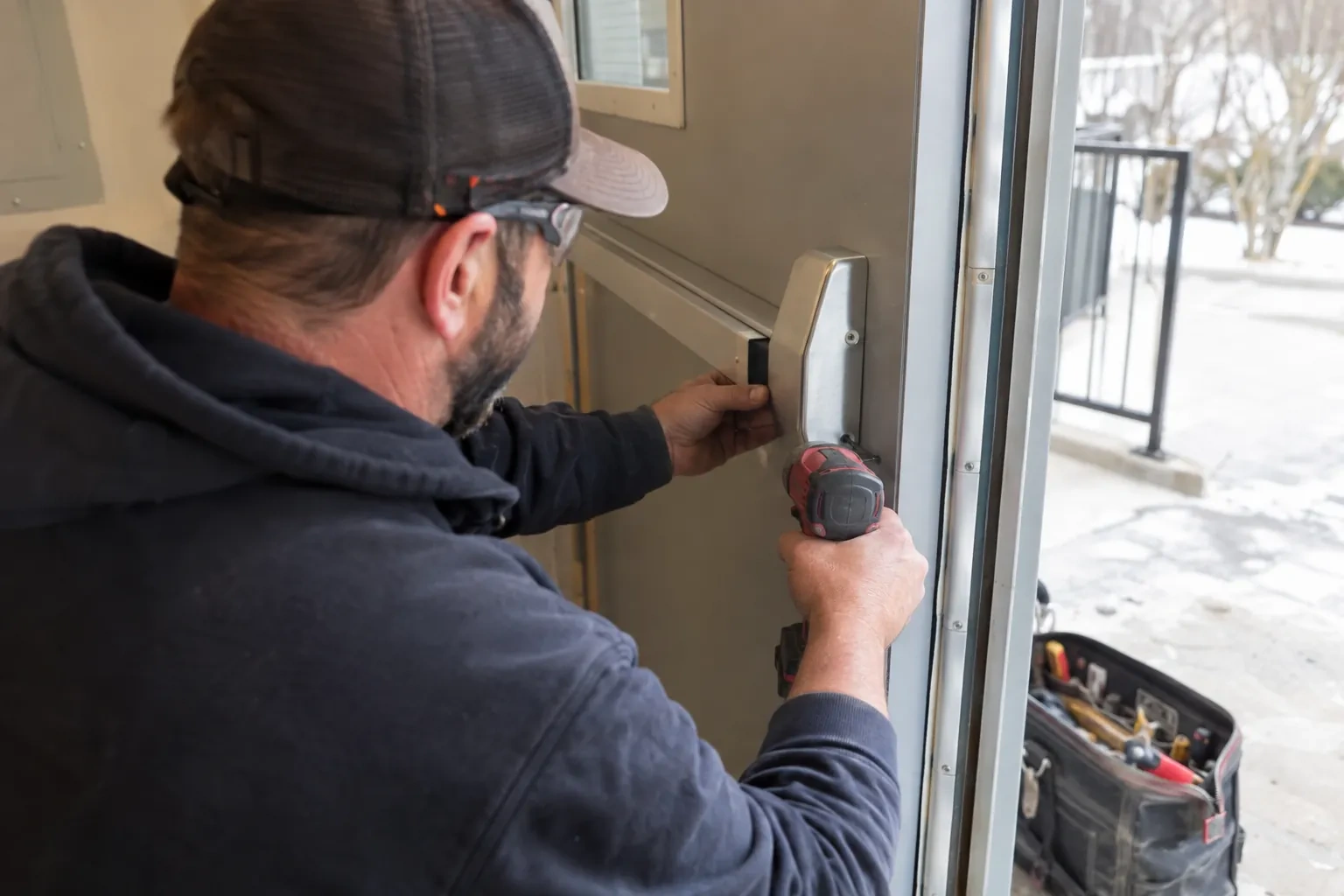
In the van
Inflatable air wedge
Broken key extractors
Door-edge guards
Silicone spray for door seals
Automotive pick and decoder
Car Lockout Service
What affects the quote
Programming through the diagnostic port
Pairing a new key or fob to the immobiliser is skilled work with specialised equipment, and some models need security access from the manufacturer. That step is quoted separately from cutting the blade.
Commercial, rental or fleet vehicle
Vans with separate cargo locks, rentals that need a written account for the return desk, and fleet vehicles with key records all add small steps that the quote names plainly.
Type of key or fob
A plain metal key, a transponder key with a chip, a remote-head key and a proximity fob each cost different amounts as parts, and each takes its own programming step when one has to be replaced.
What to have ready
- Exactly where is the car parked, and how does a van reach it?
- Does the car use a keyless fob or push-button start?
- Is anyone, including a child or a pet, inside the car?
Car Lockout Service: questions
QuestionsI have lost my only key. Can a locksmith make a new one at the roadside?
For most cars, yes. After the car is opened, the door cylinder is decoded to read the cuts, or the key code is drawn from the vehicle records against your proof of ownership, and a blade is cut in the van. A transponder key or fob is then programmed through the diagnostic port so the engine will start. Some newer or high-security models need dealer-only parts; you are told that up front rather than after.
What should I have ready when I call?
The make, model and year of the vehicle, the colour and plate if you can see it, exactly where the car is parked and how to reach it, and where the keys are: on the seat, in the trunk, lost, snapped, or in a fob that has gone quiet. Say whether anyone or any animal is inside, whether the car is a rental or a company vehicle, and whether your identification is on you or in the glovebox.
The alarm went off. Is that a problem?
It is expected. Opening a door without the fob or key wakes most factory alarms, and quieting them is part of finishing the job: a turn of the key in the door or ignition, or a press of the fob once the car has power, usually does it. An aftermarket alarm is reset from its own valet switch. The locksmith stays until the car is quiet and every lock has been cycled.
Related services
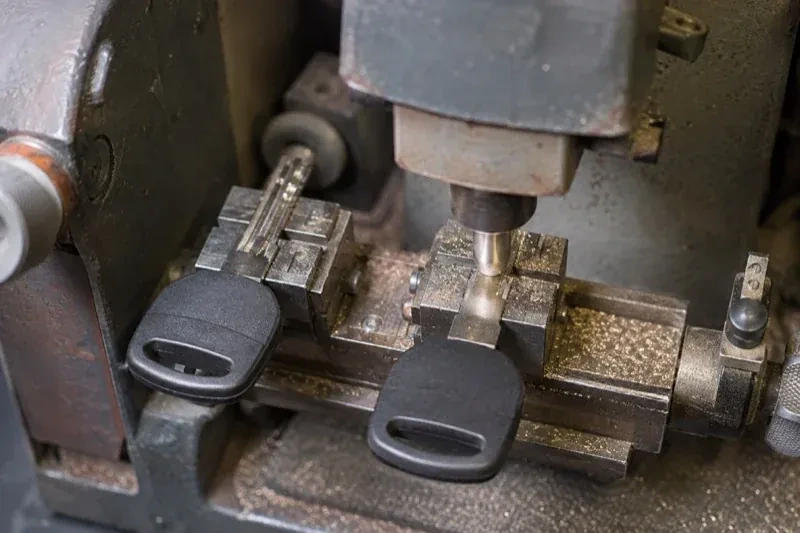
- Spare Car Key DuplicationThe proximity fob has ridden in a pocket for years, the range feels shorter than it used to, and a dashboard warning mentioned a battery a while back.
- Key Fob ProgrammingA fob went missing weeks ago somewhere between a coat pocket and a parking lot, and a spare has covered the gap since.
- Transponder Key ProgrammingThe blade snapped off flush with the door lock last winter, and the shop that cut a replacement only matched the metal shape.