Lockouts · Woolwich
Lost Keys — Same-Visit Rekey
The renovation wrapped up in the spring.
In plain words
The first useful move after losing a key is to think about where it worked rather than where it went. A house key commonly opens more than the front door: the back door, a side entrance, the door from the garage into the house, a shed, a gate padlock, sometimes a storage room or a mailbox. A same-visit rekey starts by listing those openings, then treats the ones that are yours to change and points you to the right person for the ones that belong to a landlord, a condominium or the postal service. Every cylinder on the list leaves the visit taking a new key.
How the visit goesThe keys fell out of a gym bag somewhere between the arena and the parking lot. The ring has a tag from the building with the unit number on it. Whoever finds it has an address and a key that fits.
Lost Keys — Same-Visit Rekey
How the visit goes
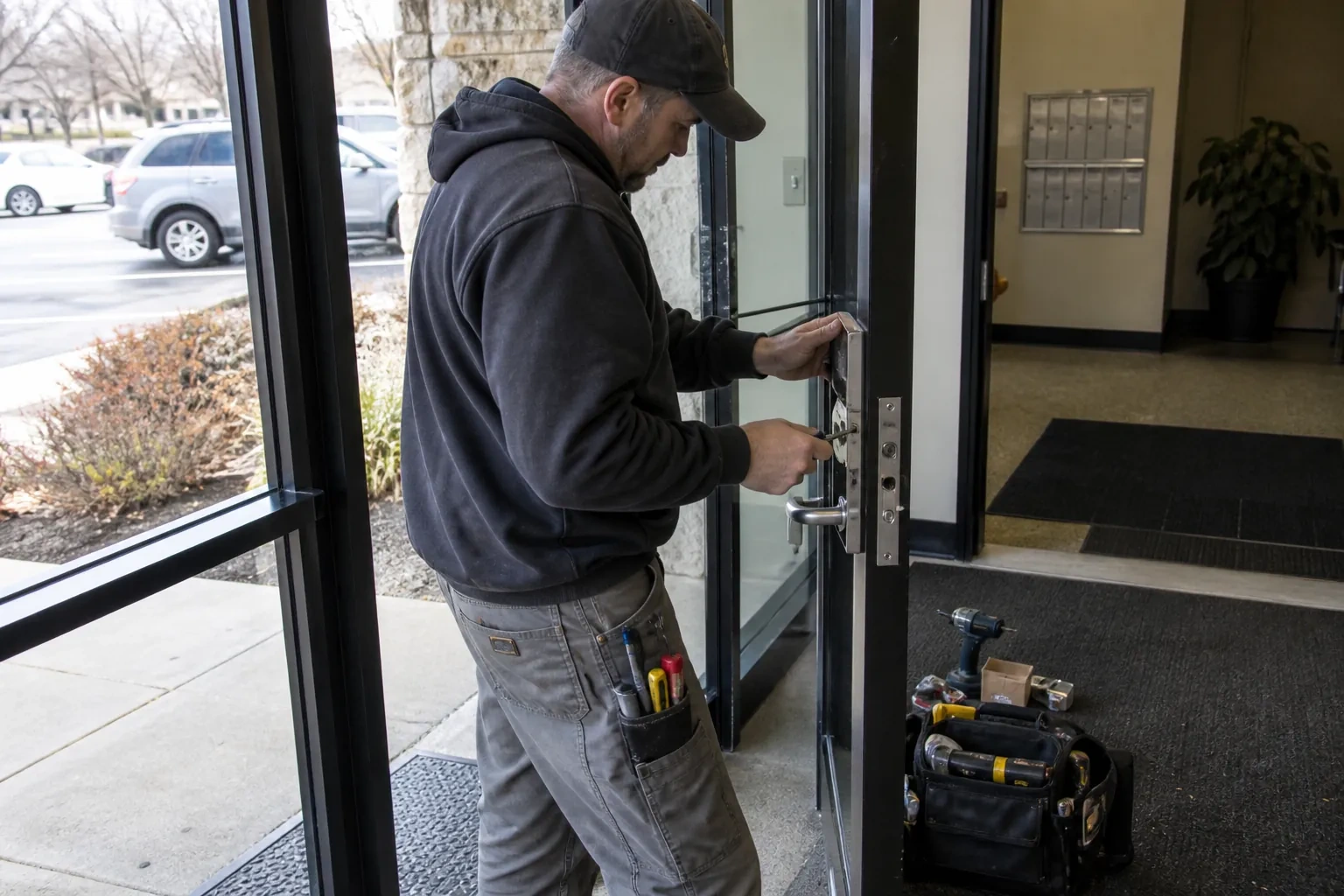
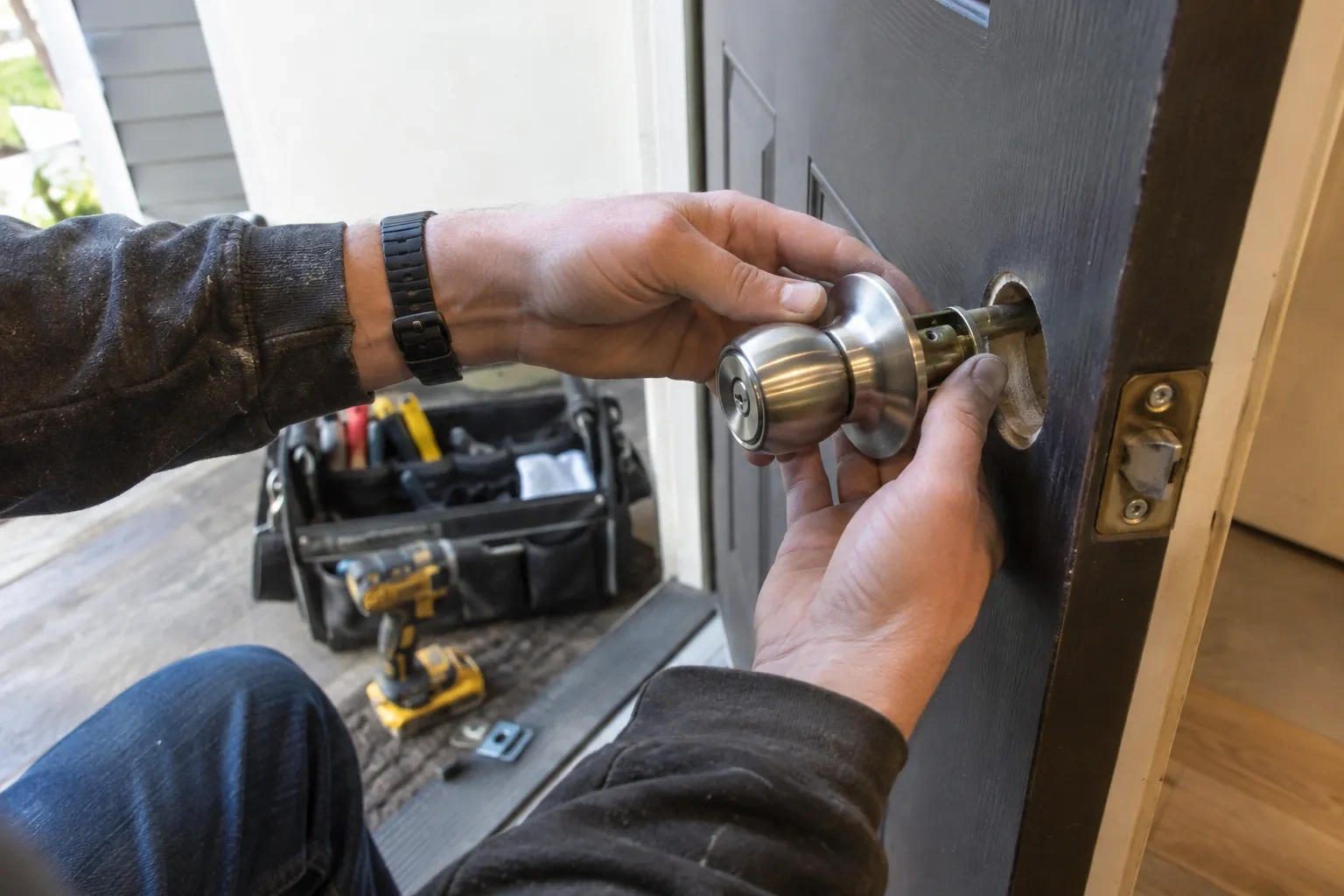
Reading each cylinder before it comes off the door
Every cylinder on the list gets a close look while it is still in the door. The keyway shape and the maker's stamp tell the locksmith which pin kit fits and whether the keys can be cut on the van. The feel of the plug with a working key, if one exists, says whether the pins and springs are healthy or tired. Corrosion on the face, a wobbly plug or a key that needs a jiggle points to a cylinder that will benefit from cleaning or replacing while it is out. A homeowner-rekeyable cylinder, recognisable by its small reset slot beside the keyway, calls for a different tool and gets noted.
Removing the cylinder without disturbing the door
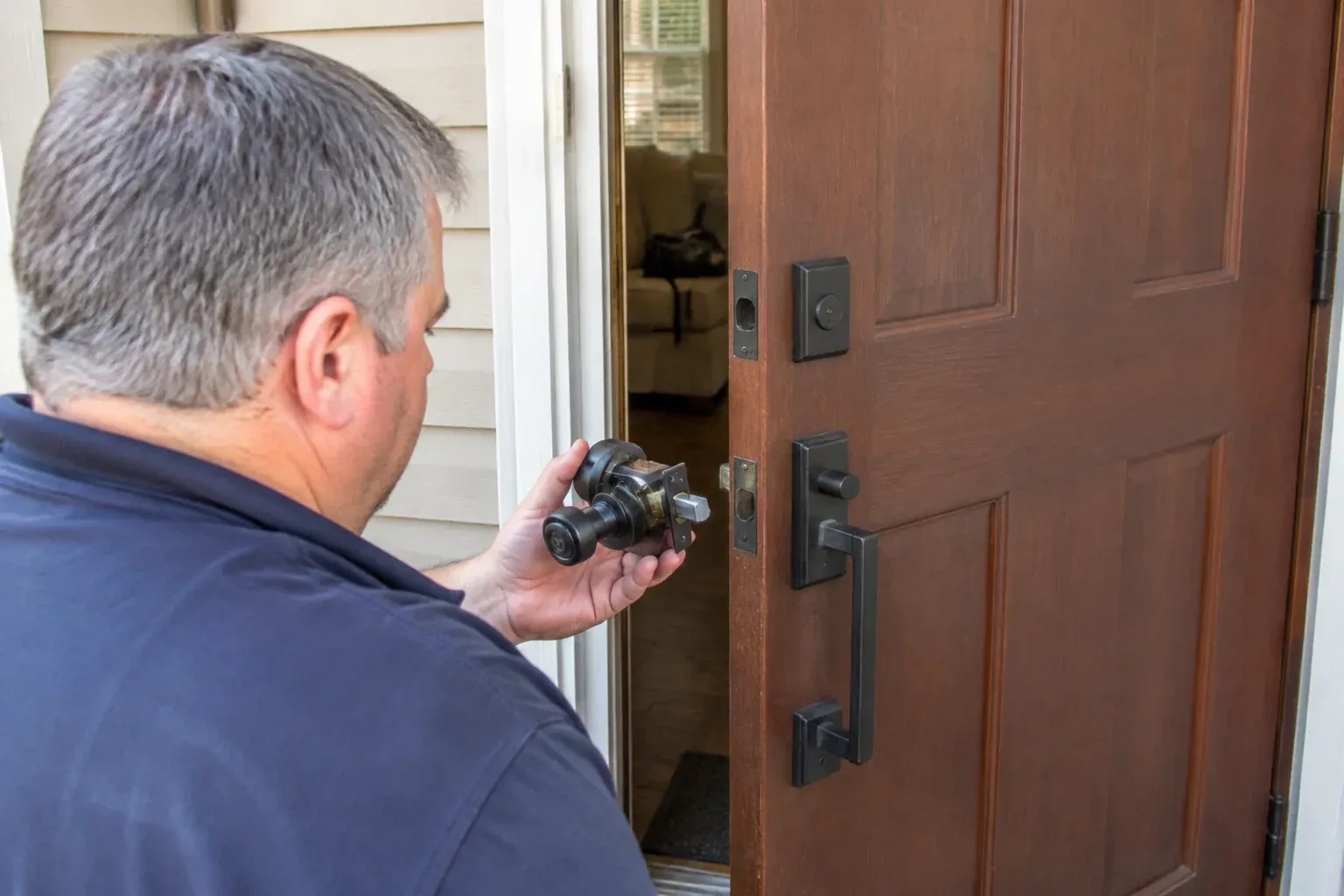
Each cylinder comes off in the way its lock allows, and the door itself is never cut or drilled. A knob or lever lock releases its cylinder once the knob is slipped off its spindle and a retaining clip or cap is eased back. A deadbolt cylinder comes out when the interior thumb-turn assembly is unscrewed and the housing lifts away. A mortise cylinder in an older door backs out after its small set screw is loosened, and a rim cylinder on a night latch unscrews from its back plate. Each piece is set aside with its own screws so the door goes back together exactly as it was.
A known number of keys, with names on them
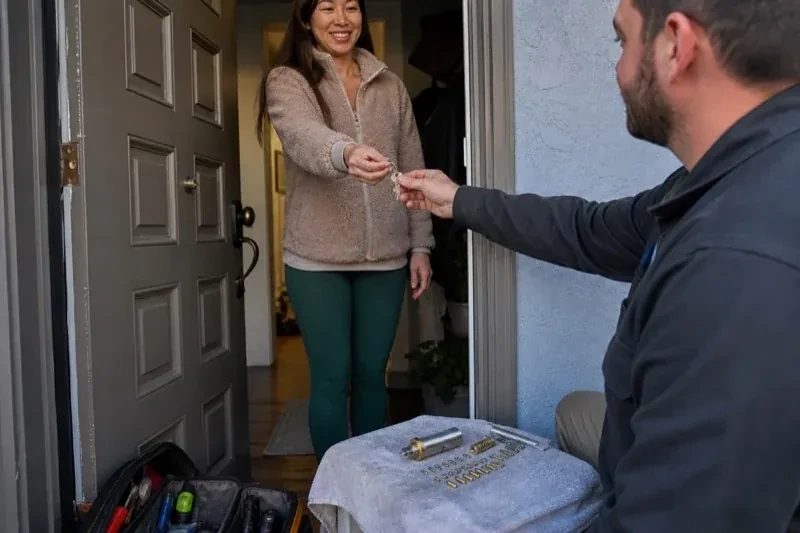
You leave with a set of keys whose count you agreed and can name: one each for the adults, one for the neighbour, one in the lockbox. That is the count of authorised keys, not proof against every copy unless the key system also controls its blanks. A small habit keeps it honest: when a key goes to a contractor, a cleaner or a house sitter, note it and get it back, or rekey when the arrangement ends. From today the answer is a figure you wrote down, not a guess about who might still hold something from years ago.
Lost Keys — Same-Visit Rekey
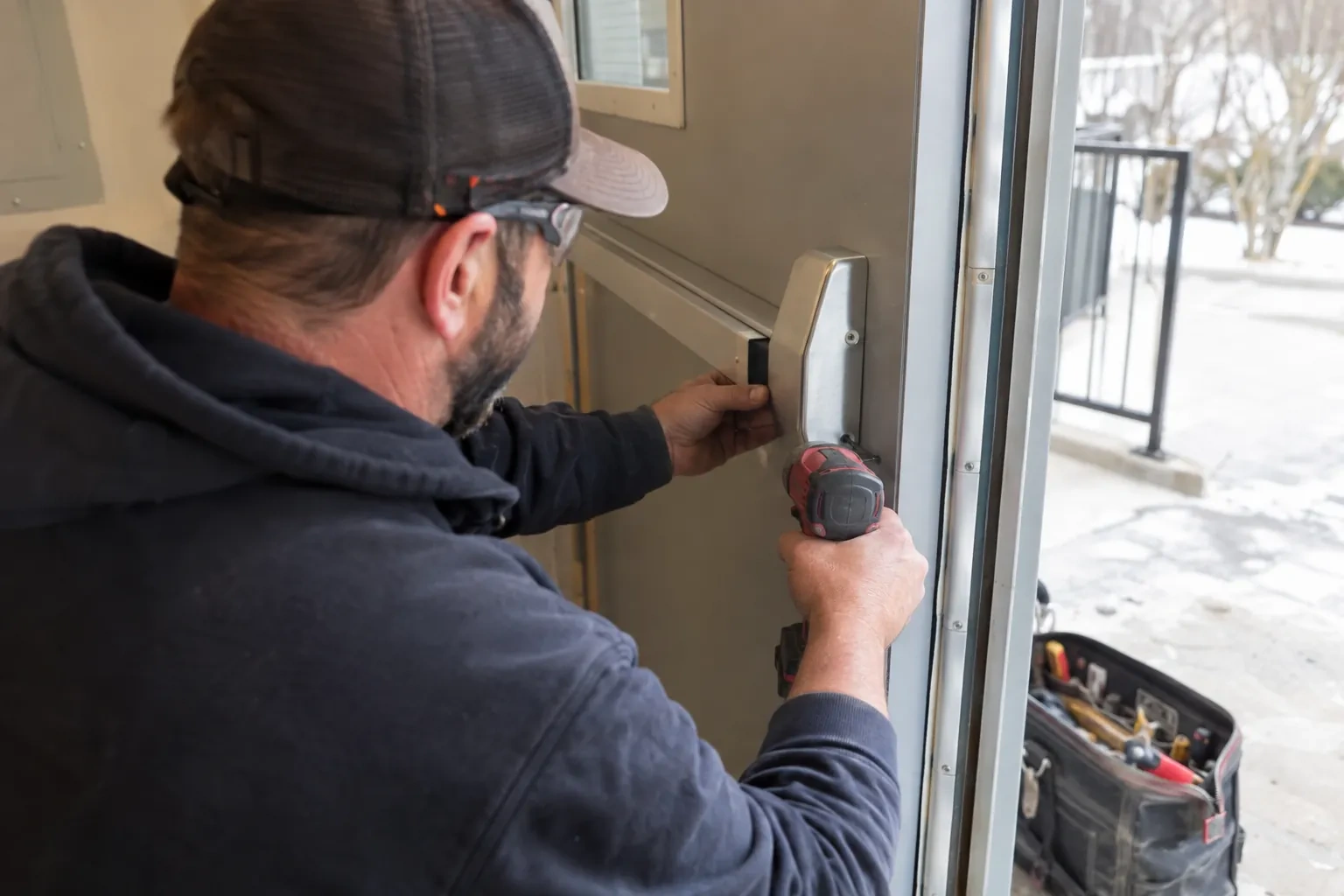
In the van
Top pins and cylinder springs
Replacement cylinders
Key tags and a key register
Key gauge and decoder
Key blanks in common keyways
Lost Keys — Same-Visit Rekey
What affects the quote
Master-keyed building cylinders
A condominium or apartment suite cylinder on a building master system is pinned so the master still works, which takes coordination with management and a little more time than a stand-alone house door.
Condition of the cylinders
A clean, healthy cylinder is repinned as is. One clogged with salt and grit is cleaned first, and a worn or damaged one is replaced rather than repinned, each priced as its own item.
Paperwork for a landlord or building
Where a landlord, condominium or lease requires a written record of the lock change and key count, preparing that note and any key register update is a small named item.
What to have ready
- Would you like every exterior door to work on one key?
- Is the property a condo or apartment with shared entrance doors?
- Do you know roughly how many copies of the old key exist?
Lost Keys — Same-Visit Rekey: questions
QuestionsCan all my doors work on one key afterwards?
Usually, yes. Cylinders that share a keyway family accept the same blank, so they can be pinned to one combination during the rekey. The front door, back door, garage entry and a gate padlock of the same family become a single key. Where a door uses a different family, the locksmith can swap its cylinder for a compatible one in the same visit, or you can choose to keep two keys for that door.
The car key was on the same ring. Can you deal with that too?
Vehicle keys are a separate branch of locksmith work because most carry a chip the car's immobiliser recognises. Retiring a lost car key means programming the car to forget it and to accept a new one, which an automotive locksmith does at the vehicle. Mention the car when you book; where the company offers that service it can be scheduled, and otherwise the household rekey proceeds and you are pointed to the right help.
What should I do before the locksmith arrives?
Walk the property and note every door the missing key opened, including the garage, shed and gate. Gather any keys you still have, since a working key helps in reading each cylinder. Have identification and, for tenants, something showing the tenancy. Decide roughly how many keys you want and whether you would like all doors on one key. If a garage remote or building fob was lost too, mention it when you book.