Locksmith in Bloomingdale, OntarioCondo doorsand shared entrances
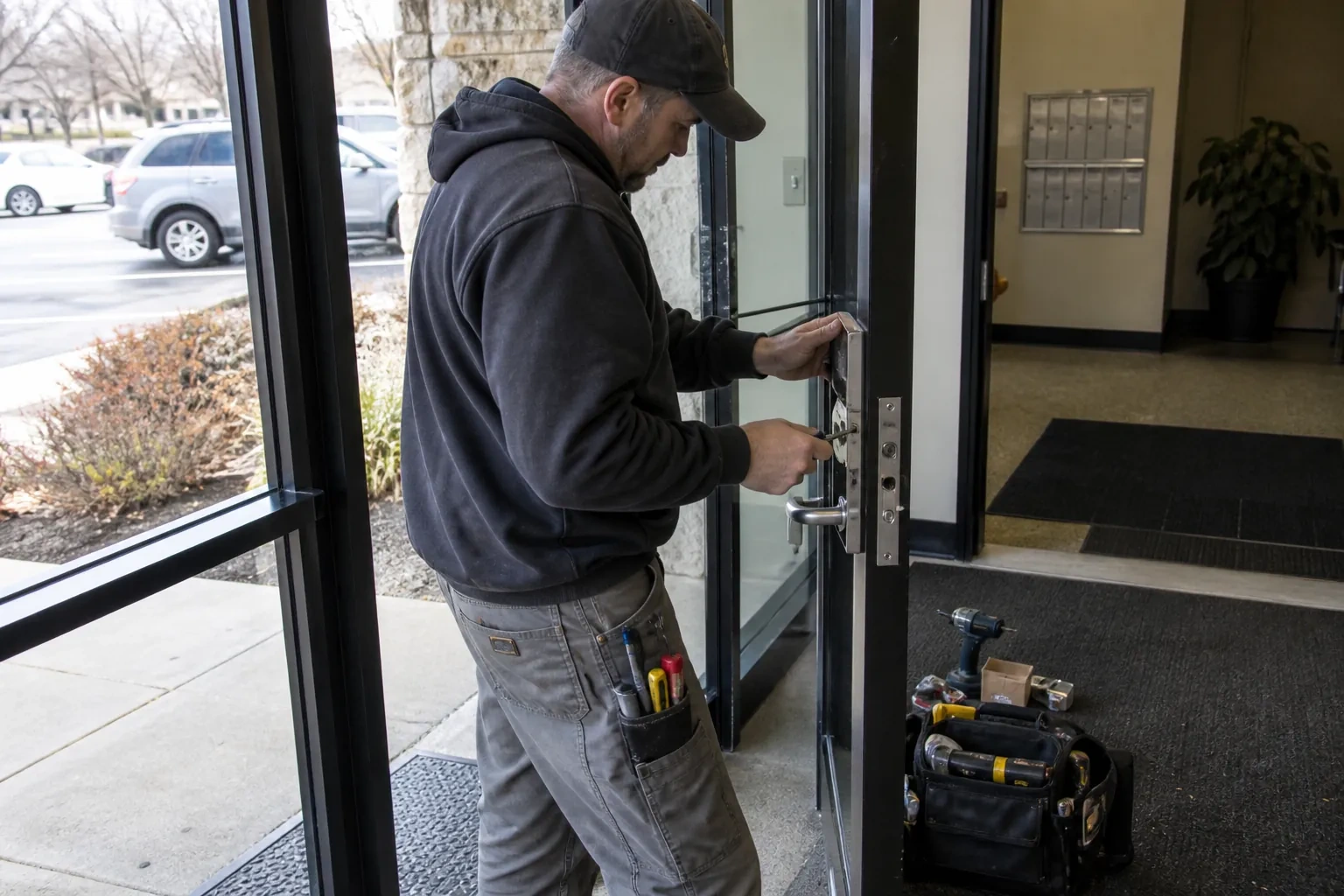
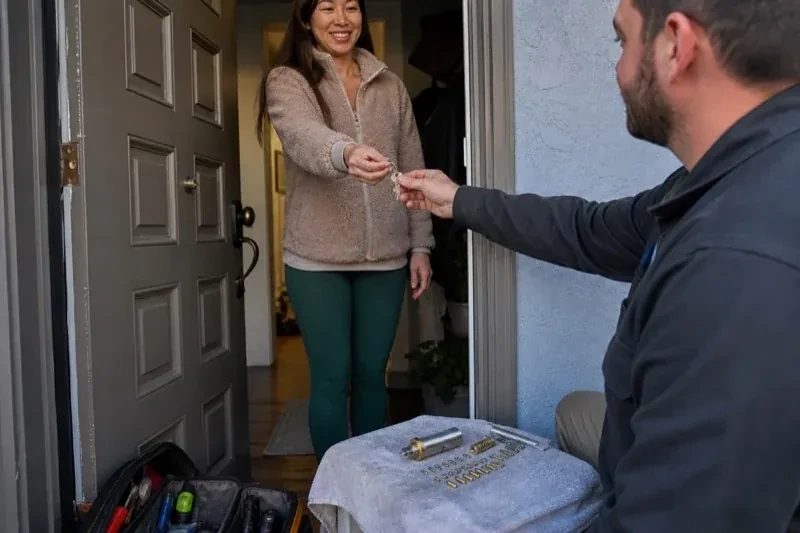
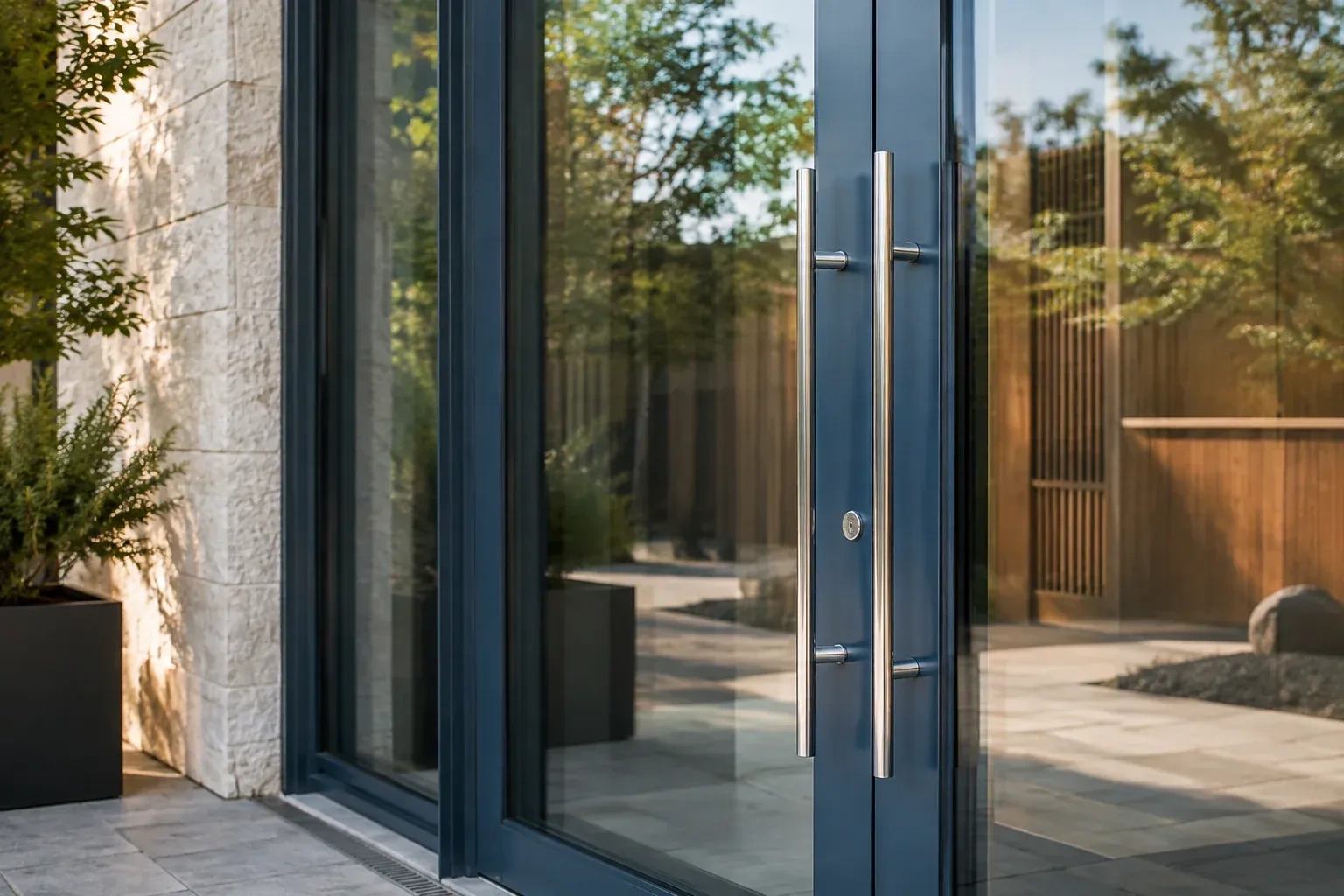
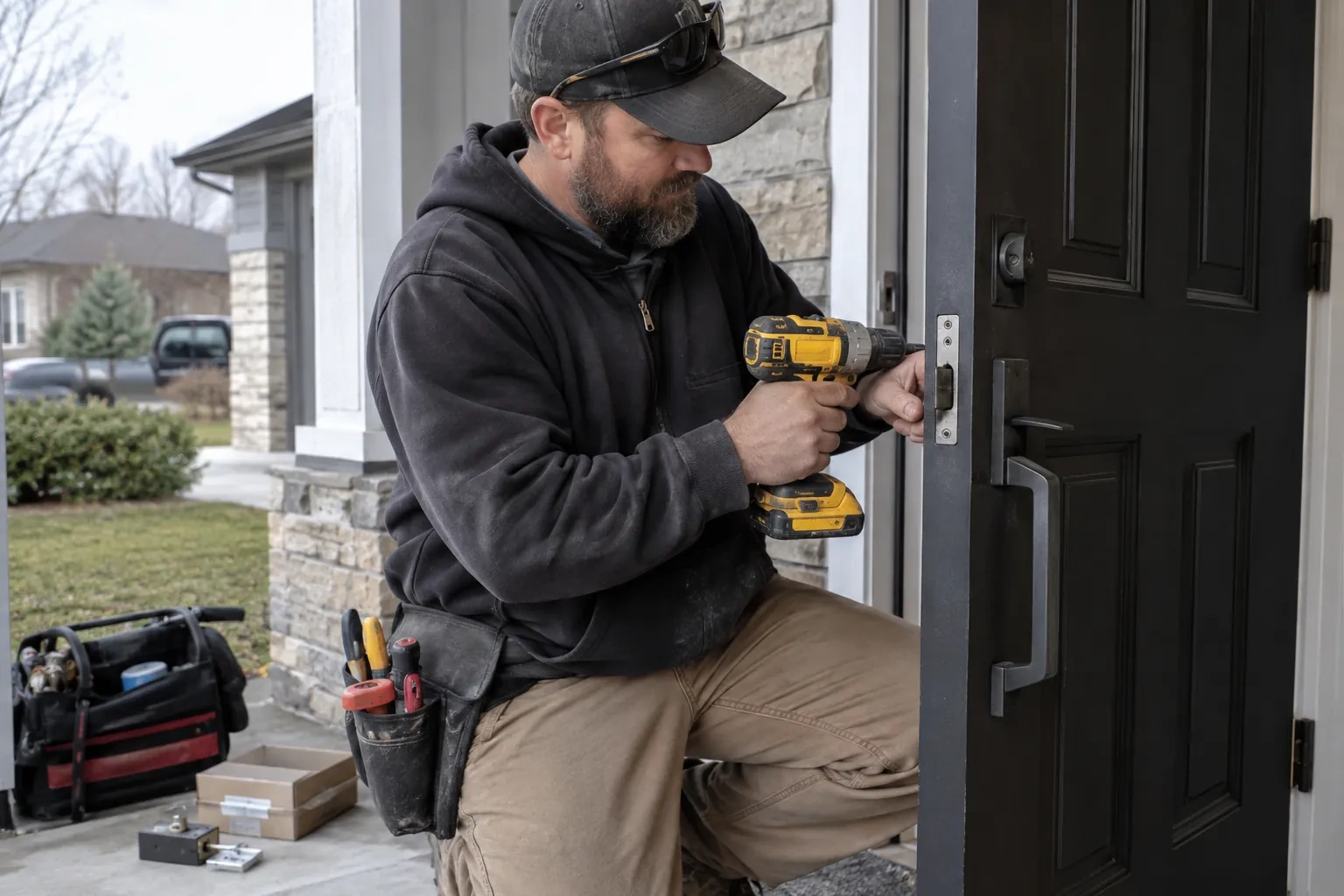
Living in a building in Bloomingdale means two kinds of doors: the suite door you control and the common doors the building manages. We service both, working within house rules on the outer hardware and giving your own door a cylinder, strike and closer that suit how the unit is actually used. This page also covers Rosendale.
Living in a building in Bloomingdale means two kinds of doors: the suite door you control and the common doors the building manages. We service both, working within house rules on the outer hardware and giving your own door a cylinder, strike and closer that suit how the unit is actually used. This page also covers Rosendale.
Old locks respected, new locks fitted right.
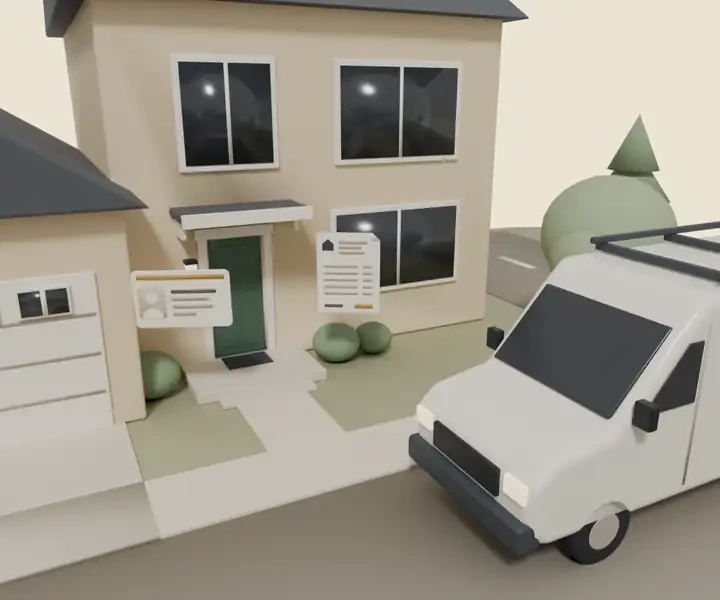
Before a locksmith opens any door in Bloomingdale, he asks to see that it is yours: a piece of identification, a lease, an ownership paper, or a neighbour who can vouch. Most people are relieved by the question. The rest of the visit follows the same habit of care: explain each step, leave the frame and finish as we found them, and make sure the keys in your hand are the only ones that work.
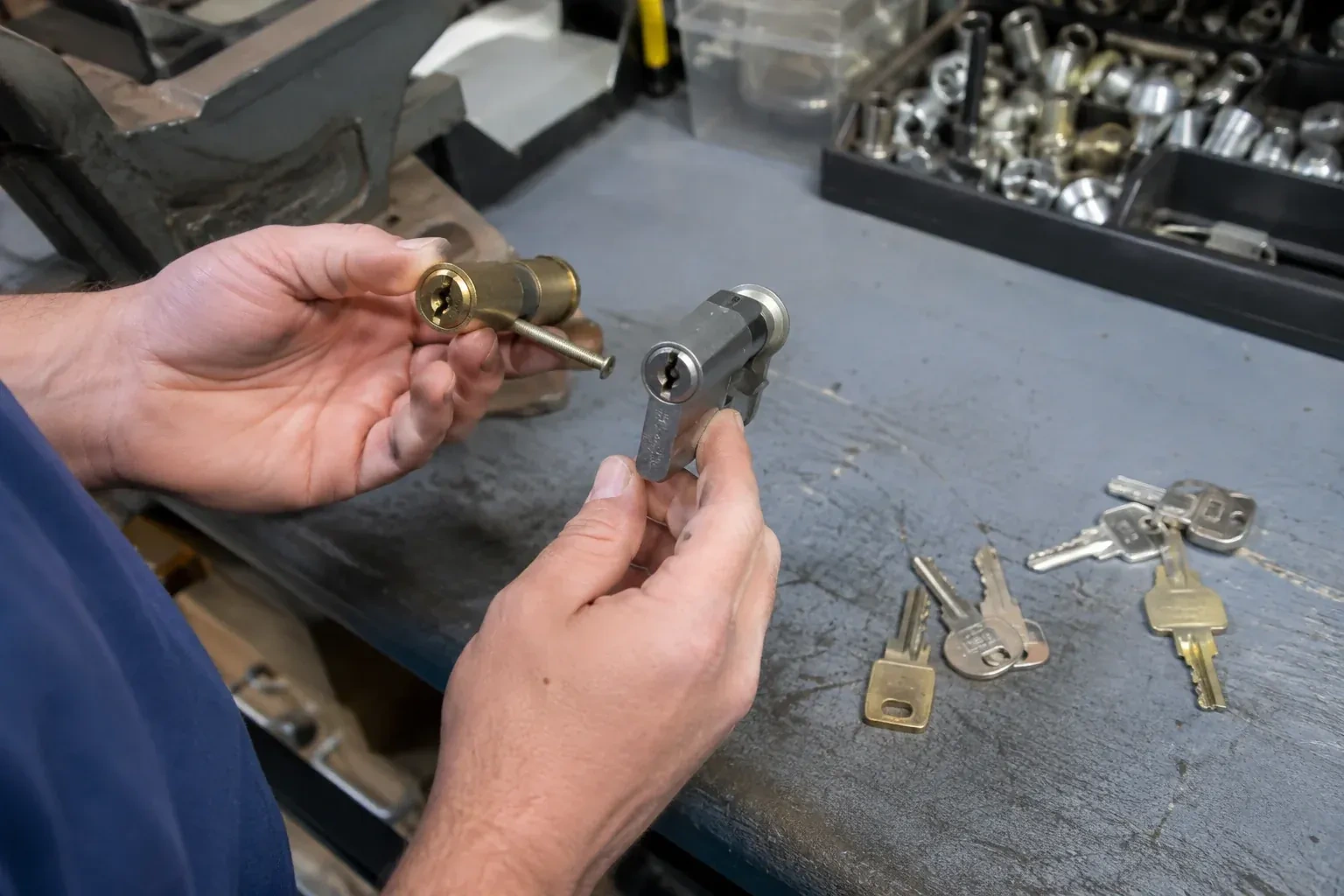
Every locksmith visit in Bloomingdale begins with a conversation. What is the door doing? Who else has a key? What would you like to be true afterwards? Those answers tell us whether to rekey, repair, replace or simply adjust, and they mean the technician arrives with the right cylinders, blanks and tools rather than a guess.
30years in business
24/7open every day
You know what is happening. From the first look to the last turn of the key, we narrate the job in plain terms. You should never wonder what we are doing to your door.
Suggestions, not pressure. If we think an upgrade would help, we say so once and explain why. If you decline, that is the end of it.
The old parts handled. Removed locks and keys are given to you or taken away as you prefer. Old keys that no longer work are worth destroying, and we will do that if you like.
Homes and businesses in Bloomingdale tend to need the same handful of things from a locksmith, so that is how the list is arranged: emergency openings, changing or rekeying locks, stronger hardware for people who want it, commercial doors and access, and safes. Car keys sit at the end for the households that need them.
About 47% of homes in Woolwich were built in 1980 or earlier, according to the 2021 Census.
In neighbourhoods with a mix of older and newer homes, the finishes on the doors vary widely: aged brass, satin nickel, matte black. A locksmith serving such an area keeps a range of finishes so replacement hardware suits each house.
Single-detached houses make up about 76% of homes in Woolwich (2021 Census).
Mostly houses
Detached houses collect hardware from every renovation. A locksmith visiting one often finds three keyways, two finishes and one door that never latched right. Sorting all of that into a consistent, working set is a satisfying afternoon's work.
The key turns a full circle without any resistance and the deadbolt stays exactly where it is. There is no click, nothing moves behind the face of the lock, and the door is as closed as it was before you touched it.
The keys fell out of a gym bag somewhere between the arena and the parking lot. The ring has a tag from the building with the unit number on it. Whoever finds it has an address and a key that fits.
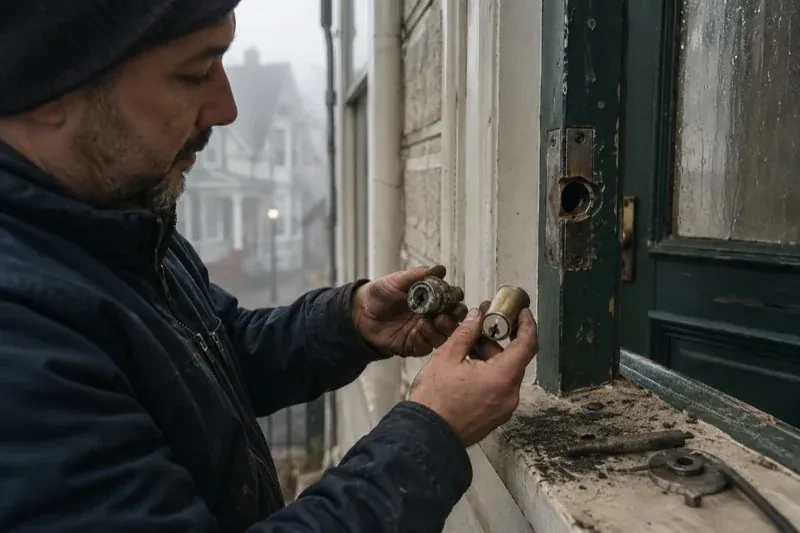
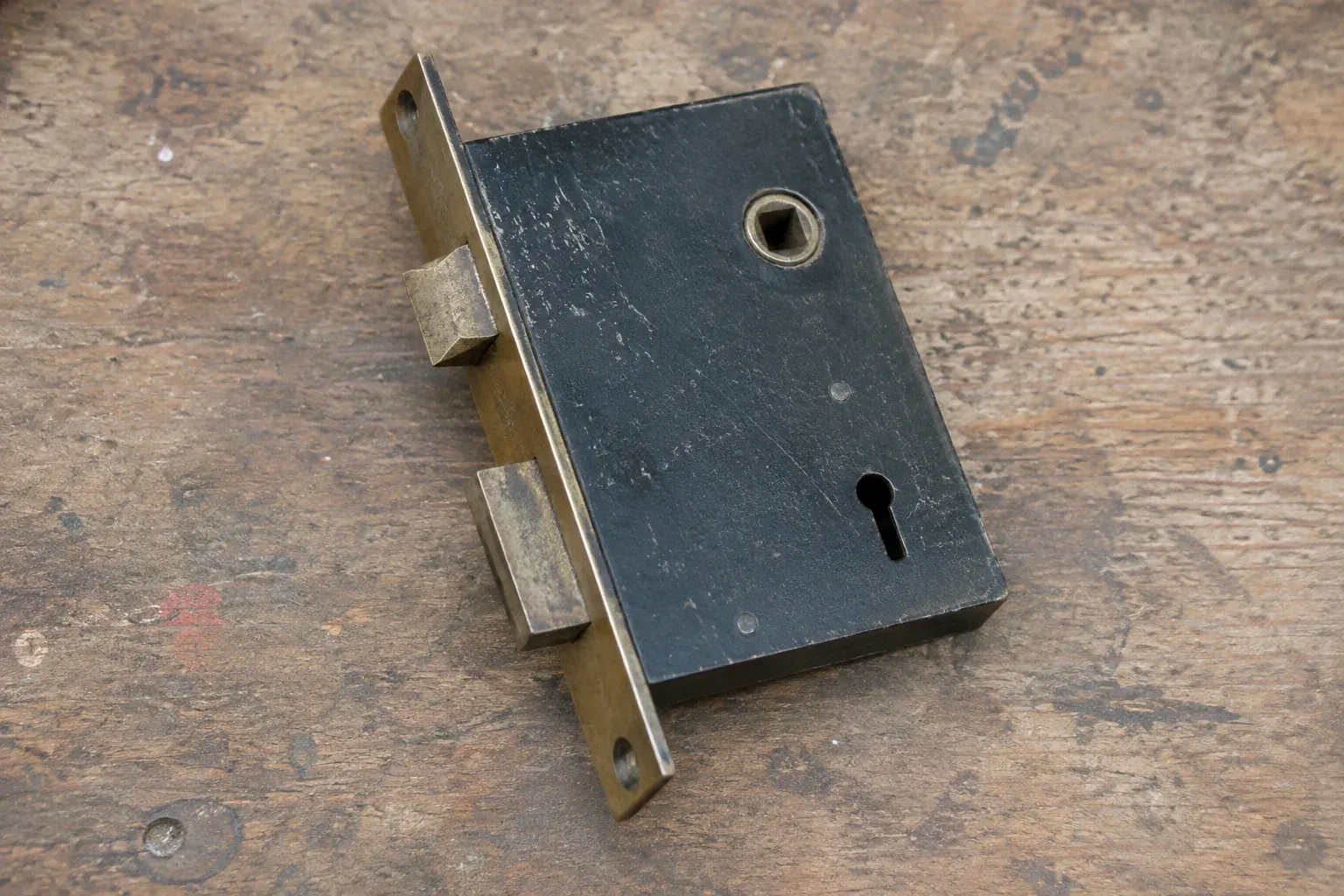
The century home's original mortise lock takes a key the size of a spoon, sticks in humid weather and has worn its strike to a groove. You want a lock that works every day without giving up the old door.
Your mother still lives on her own, and the personal support worker, the pharmacy delivery and two siblings all need to get in on different days. Cutting keys for everyone feels wrong; a code for each person, with a log, feels right.
Pry marks circle the dial after an overnight break-in attempt, and the safe now refuses every number that used to open it, as if something inside has locked itself down.
A colleague showed you a video of a lock being opened with a bump key in a few seconds. Then you went home and noticed your own deadbolt is the same style, bought at a hardware store a decade ago.
The daycare wants the yard gate and the classroom door alarmed so a staff member hears the moment it opens, without turning either into something a child could be shut behind.
The paperwork for the used car changed hands last week, and the previous owner mentioned, almost as an afterthought, that a second key never turned up. One worn blade on a single ring is now the entire access system for the vehicle.
After a cold night the driver's door key barely goes in, and when it finally seats it stops halfway and will not turn any further. Meltwater from the day before ran into the keyway and the overnight drop in temperature sealed it solid.
High security locks answer the question most people eventually ask about their door: who else has a key, and how hard would it be to get past it? Rated cylinders, heavy deadbolts, reinforced strikes and keys that cannot be copied without your say-so.
A business needs its doors to open reliably for the right people and stay shut for everyone else, every day, without fuss. That is the whole brief for commercial work, and the pages here show how rekeying, master keying and access control each serve it.
WhyFor a landlord, a host or anyone who shares a door with people who come and go, the appeal is control without key cutting.
Pry marks circle the dial after an overnight break-in attempt, and the safe now refuses every number that used to open it, as if something inside has locked itself down.
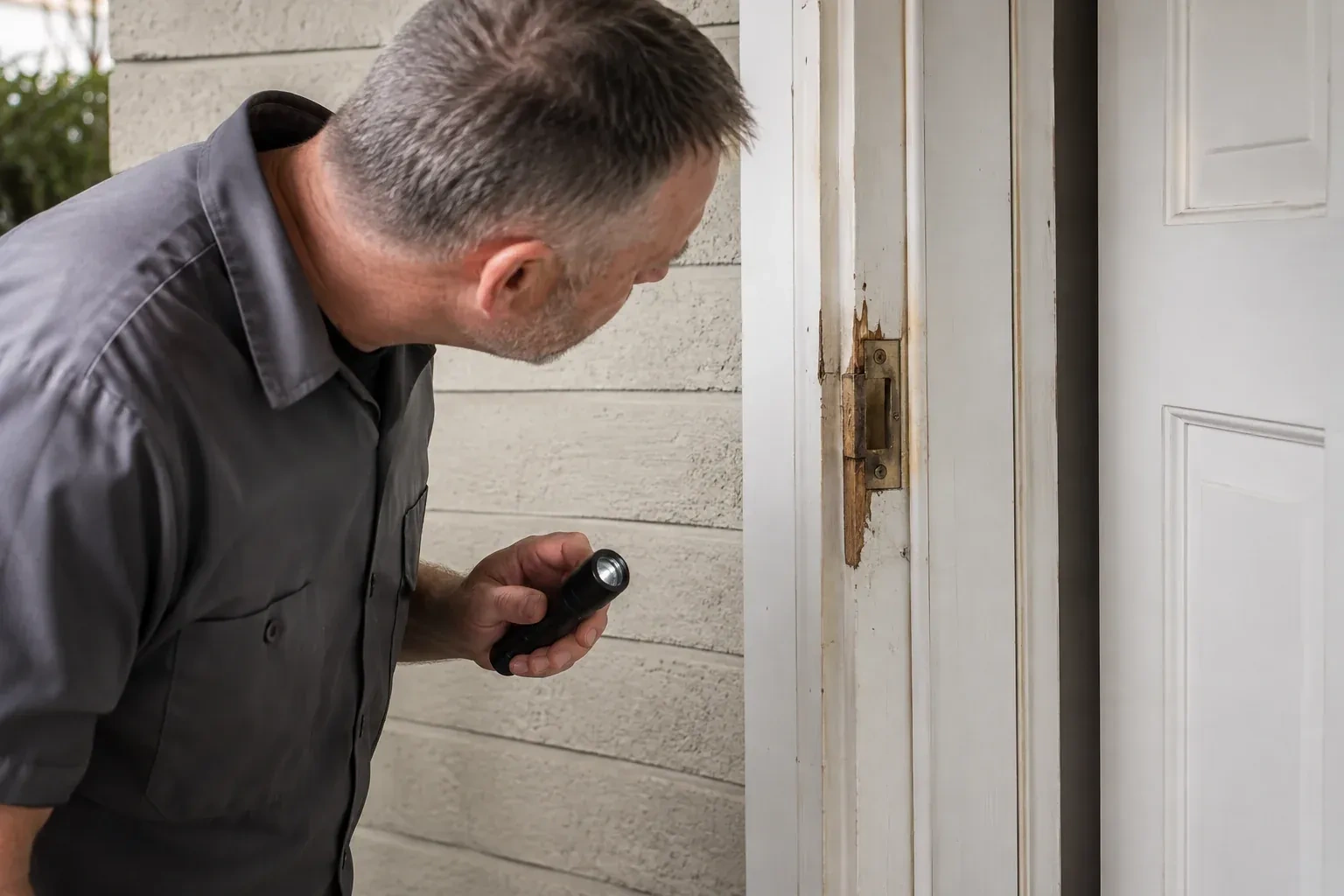
WhyThe service begins with a conversation about what the door protects and what worries you, then a close look at the door as a whole: the cylinder, the bolt, the strike, the frame, the hinges and any glass nearby.
The daycare wants the yard gate and the classroom door alarmed so a staff member hears the moment it opens, without turning either into something a child could be shut behind.
WhyA pair of doors is its own small project, and not every pair needs the same approach.
The paperwork for the used car changed hands last week, and the previous owner mentioned, almost as an afterthought, that a second key never turned up.
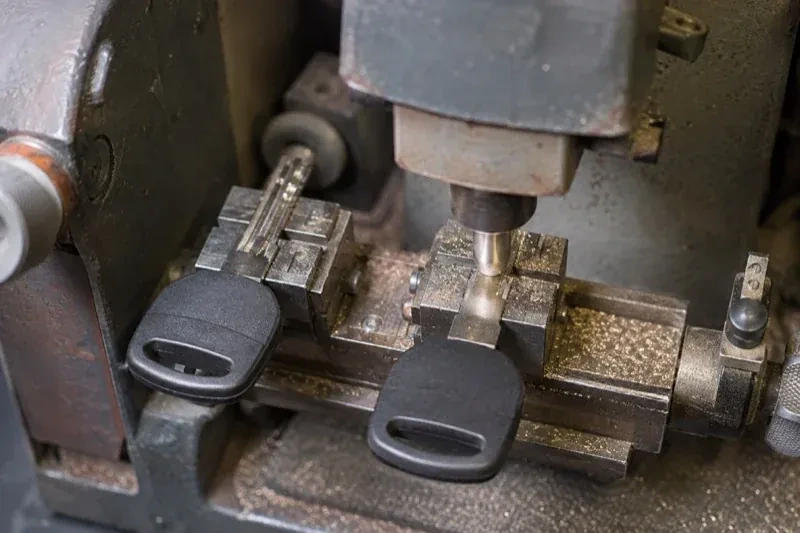
WhyMaking a spare before the original goes missing is simpler than making one after, because the whole process is built from a working key to read or trace from.
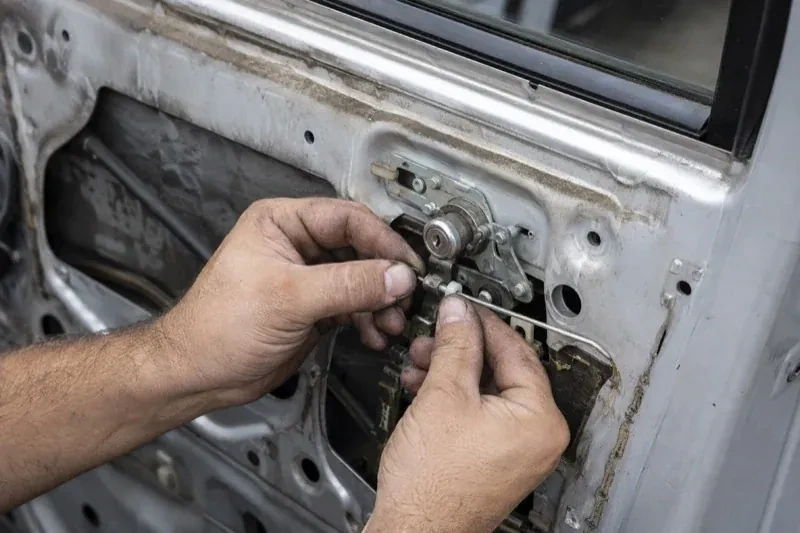
After a cold night the driver's door key barely goes in, and when it finally seats it stops halfway and will not turn any further.
WhyVehicle Lock Repair addresses a single locking point, a door, the trunk or hatch, or a storage compartment, that has stopped behaving like the rest of the vehicle.
How a visit goes
Describe the property, the hardware and what has changed, and the visit starts from what you have seen.
1
2
3
01
Deciding what to replace
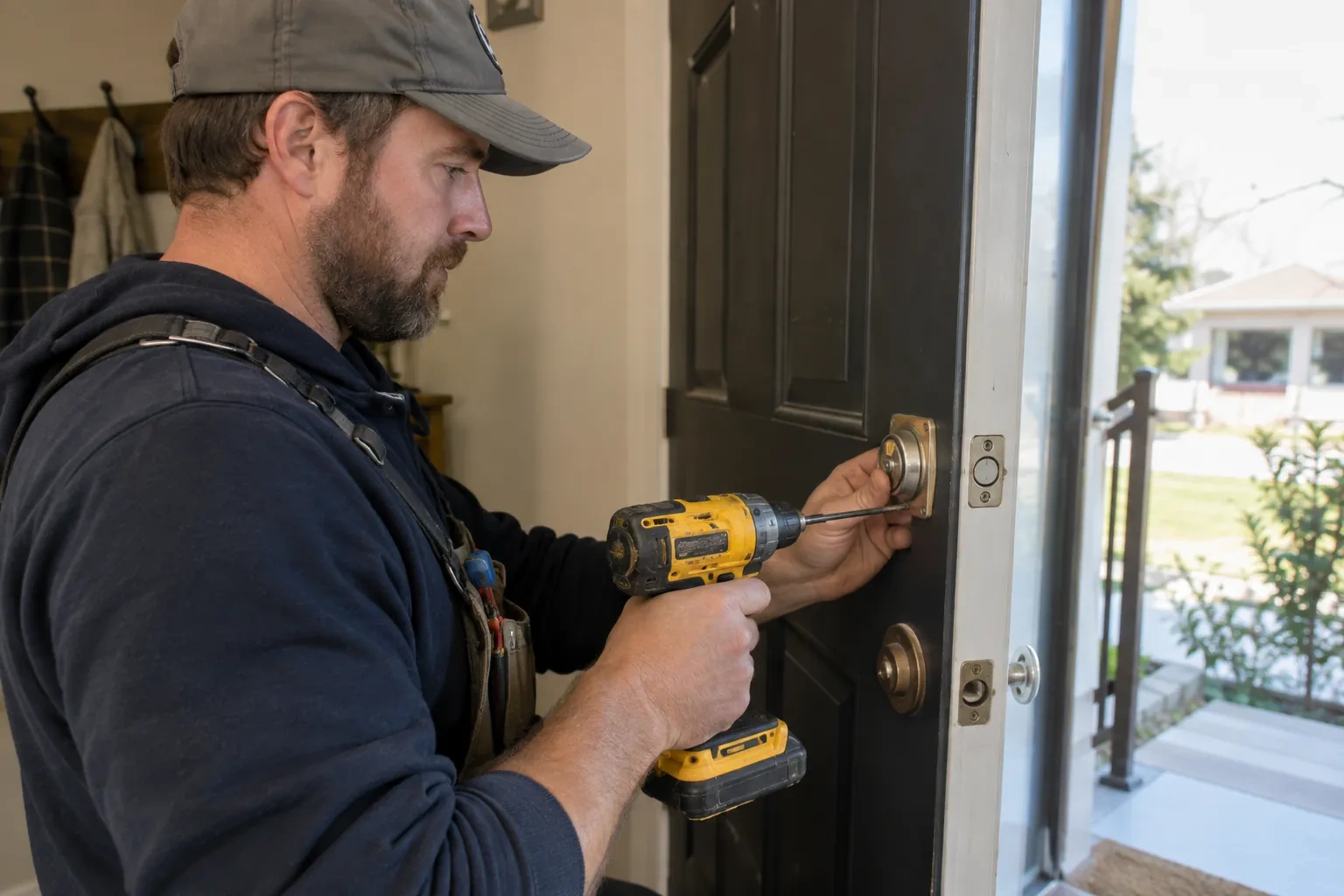
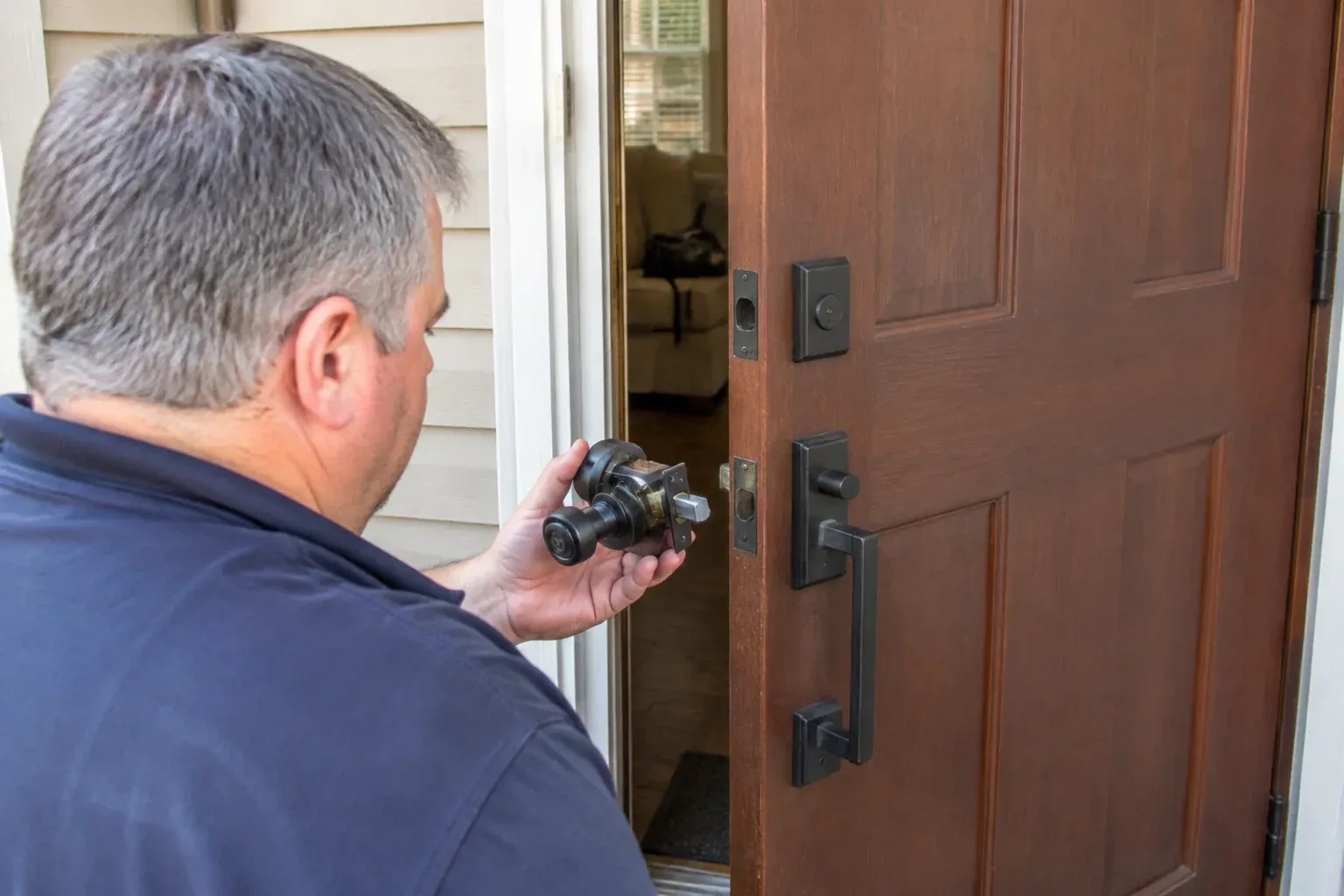
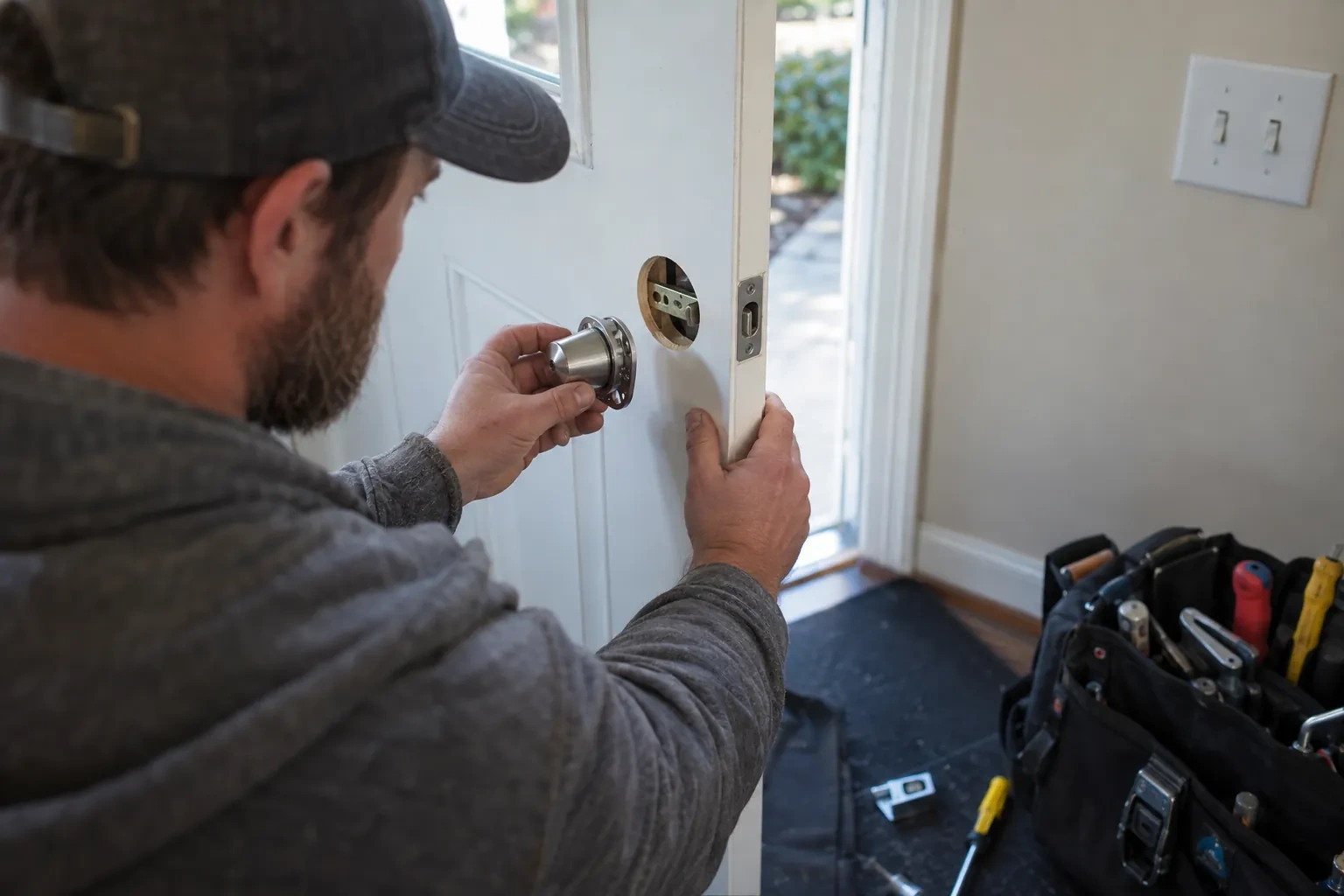
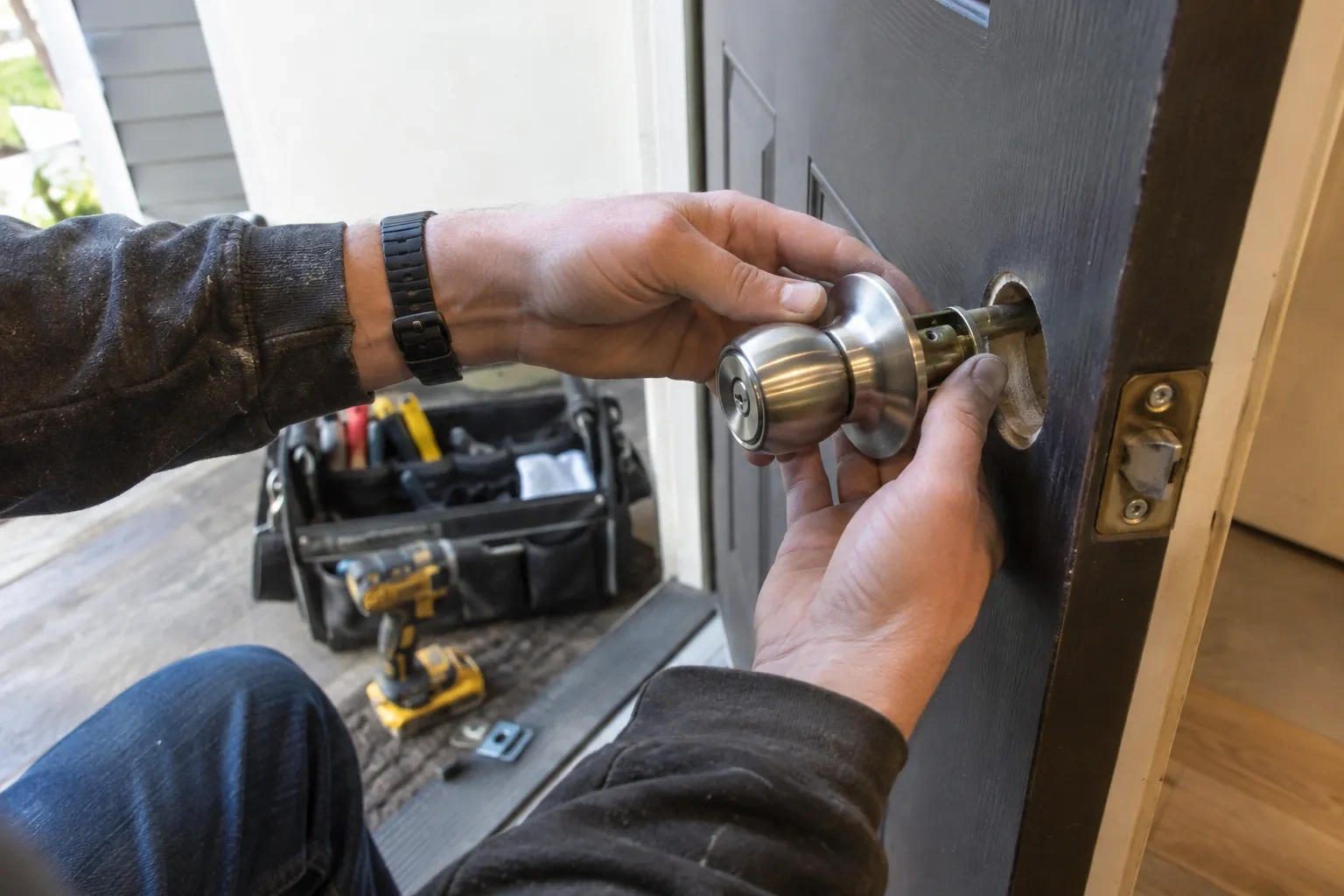
We look at the existing lock, the door thickness and the holes already drilled. Sometimes a new cylinder is enough; sometimes the whole lockset has earned its retirement.
02
Fitting the new hardware
The new lock goes in with the strike adjusted so the bolt throws fully. If the old holes need filling or enlarging, that is done neatly.
03
Checking fit and finish
We test the lock with the door open and closed, from both sides, check the key turns without effort and clean up the doorstep before leaving.
Locks rarely fail in a day; they fail slowly over months and announce it in a morning. Grit and old lubricant build up in the pin stacks until one cold night thickens them past the point the key can overcome, or a door that has been drifting on its hinges finally pins the bolt after a humid week. The wiggle you needed last month was the warning. A lock in this state is usually cleaned or adjusted back to health rather than replaced.
The car key was on the same ring. Can you deal with that too?
Vehicle keys are a separate branch of locksmith work because most carry a chip the car's immobiliser recognises. Retiring a lost car key means programming the car to forget it and to accept a new one, which an automotive locksmith does at the vehicle. Mention the car when you book; where the company offers that service it can be scheduled, and otherwise the household rekey proceeds and you are pointed to the right help.
Can a lever replace a knob on the same door?
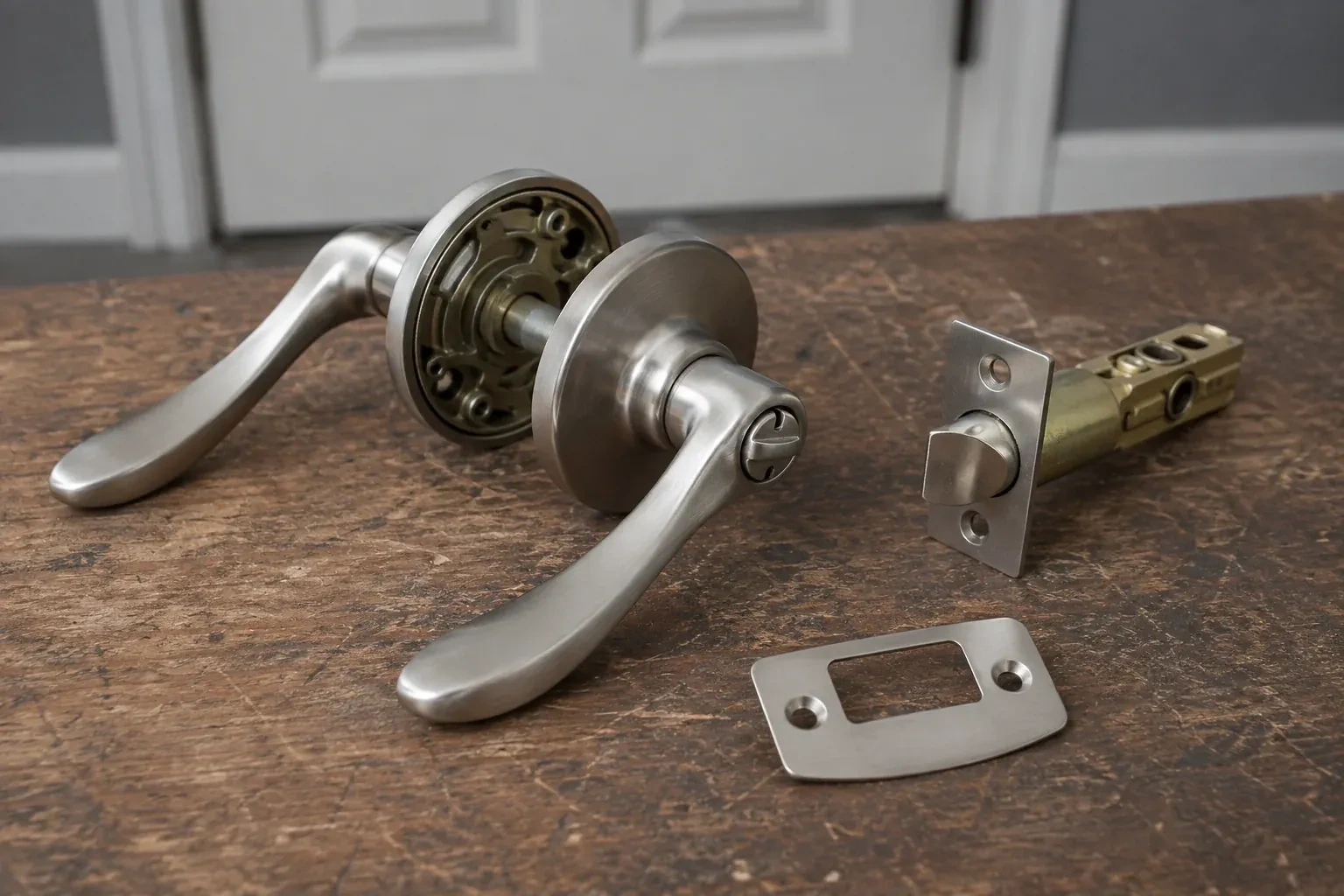
Yes, and it is a common change for anyone who finds a knob hard to grip. Levers use the same bore and backset as knobs, so the swap is usually a direct fit. Levers are handed, so the locksmith checks which way the door swings and chooses or adjusts the lever accordingly. A keyed entry lever pairs well with a deadbolt above it, and interior passage and privacy levers complete the set.
I rent. Can I have a smart lock installed?
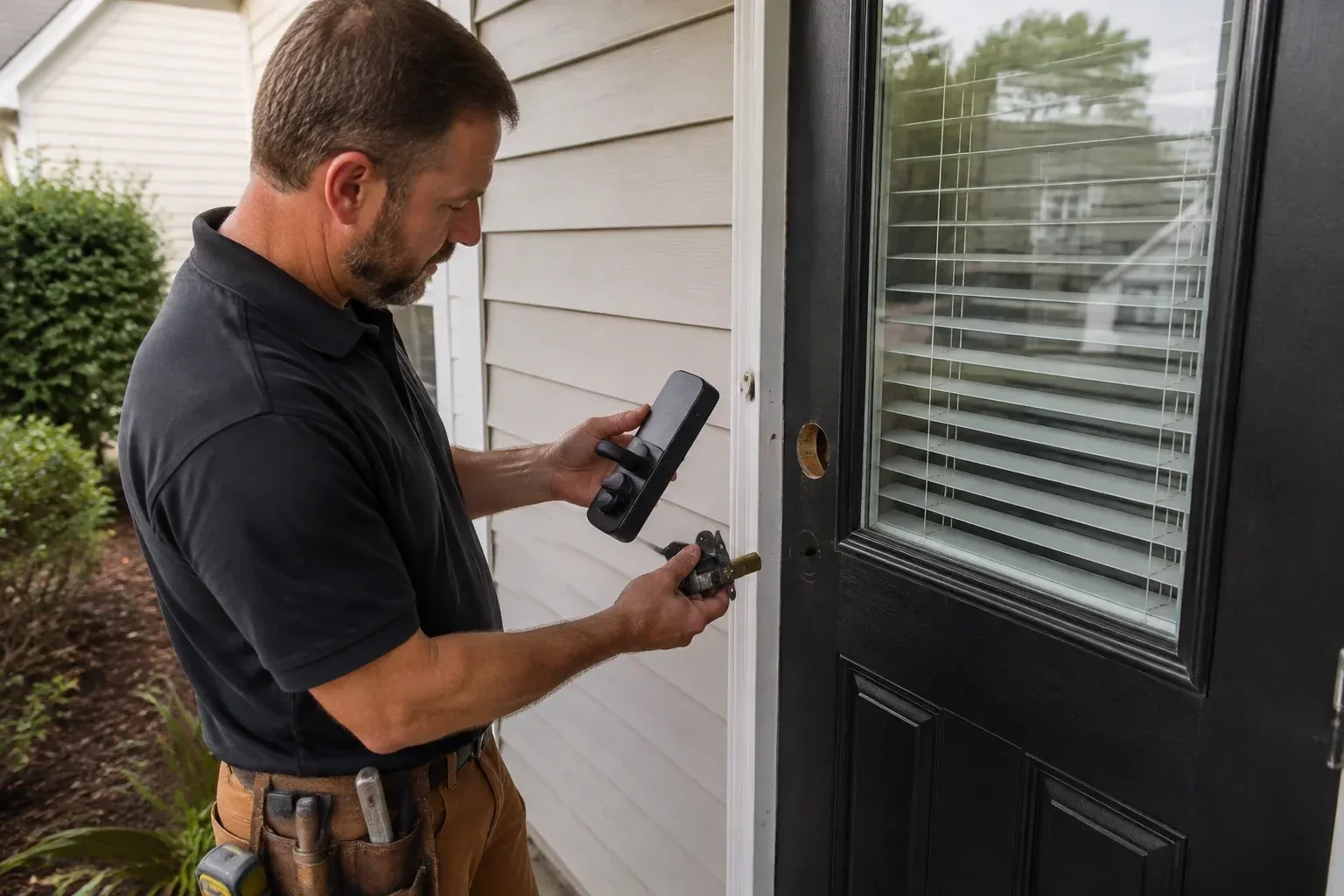
Yes, with your landlord's agreement first. Tenancy rules in this province expect a tenant to have the landlord's consent before changing a lock, and expect the landlord to have a working way in, so the sensible route is a short conversation and a note of what will be fitted. A retrofit model that mounts inside and keeps the existing exterior lock and key is often the easiest thing for a landlord to say yes to, since the door is unchanged from outside.
Do you need to see proof that I own the safe before opening it?
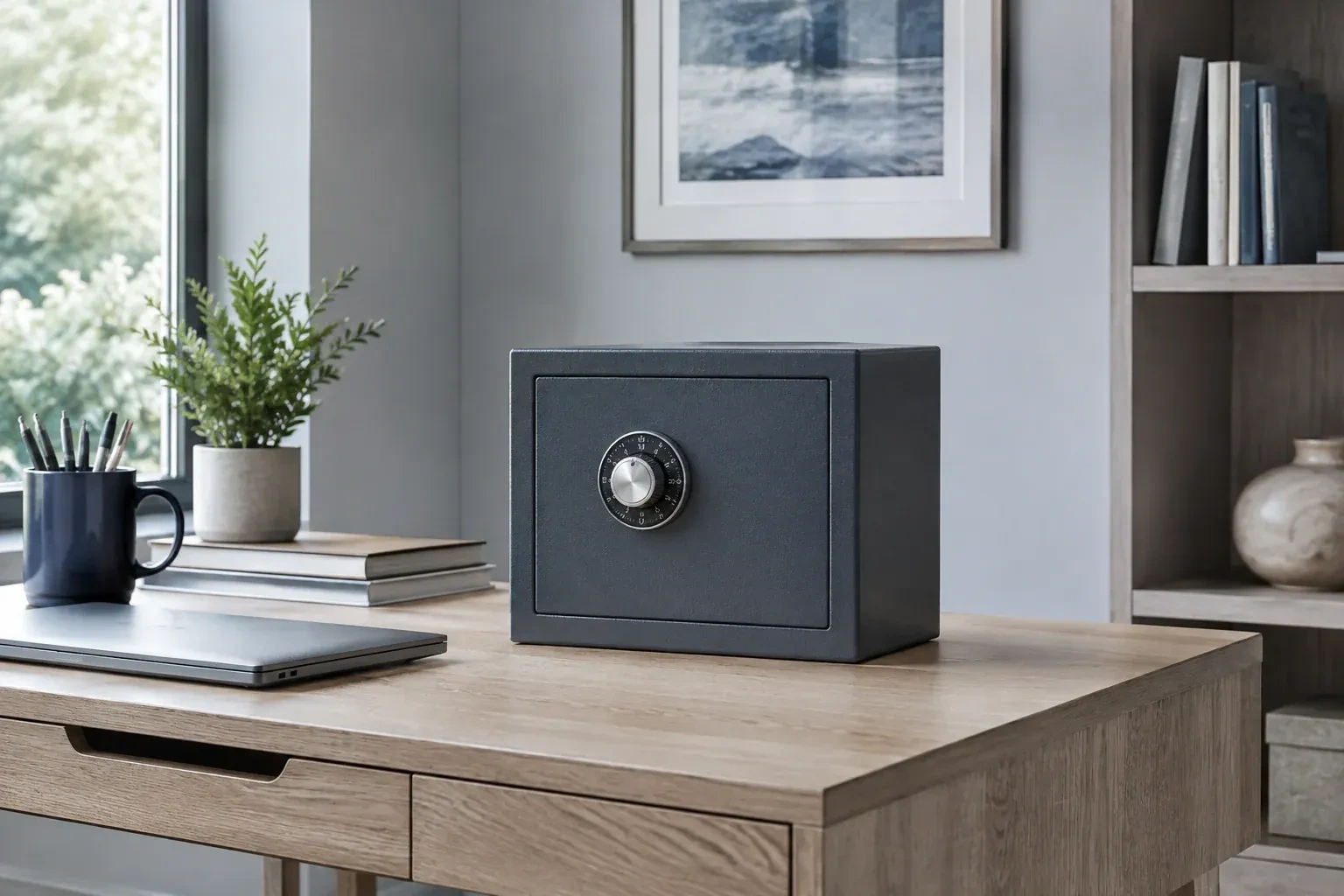
Yes, and it is meant as a protection rather than a hurdle. For a business, identifying yourself as the owner, manager or an authorized employee is usually enough. For an estate, a secondhand purchase or a change of ownership, a bill of sale, transfer document or executor's paperwork fills the same role. This step protects whoever actually has a claim on what is inside the safe, which includes you.
What is bumping, and does this stop it?
Bumping uses a specially cut key that is struck while under light turning pressure, bouncing the pins to the shear line for an instant so an ordinary cylinder opens. It works on many standard pin tumblers. A high security cylinder needs its sidebar released by separately positioned finger or rotating pins at the same moment, and a bump key cannot set those, so the plug stays locked. It is one of the clearest advantages of the upgrade.
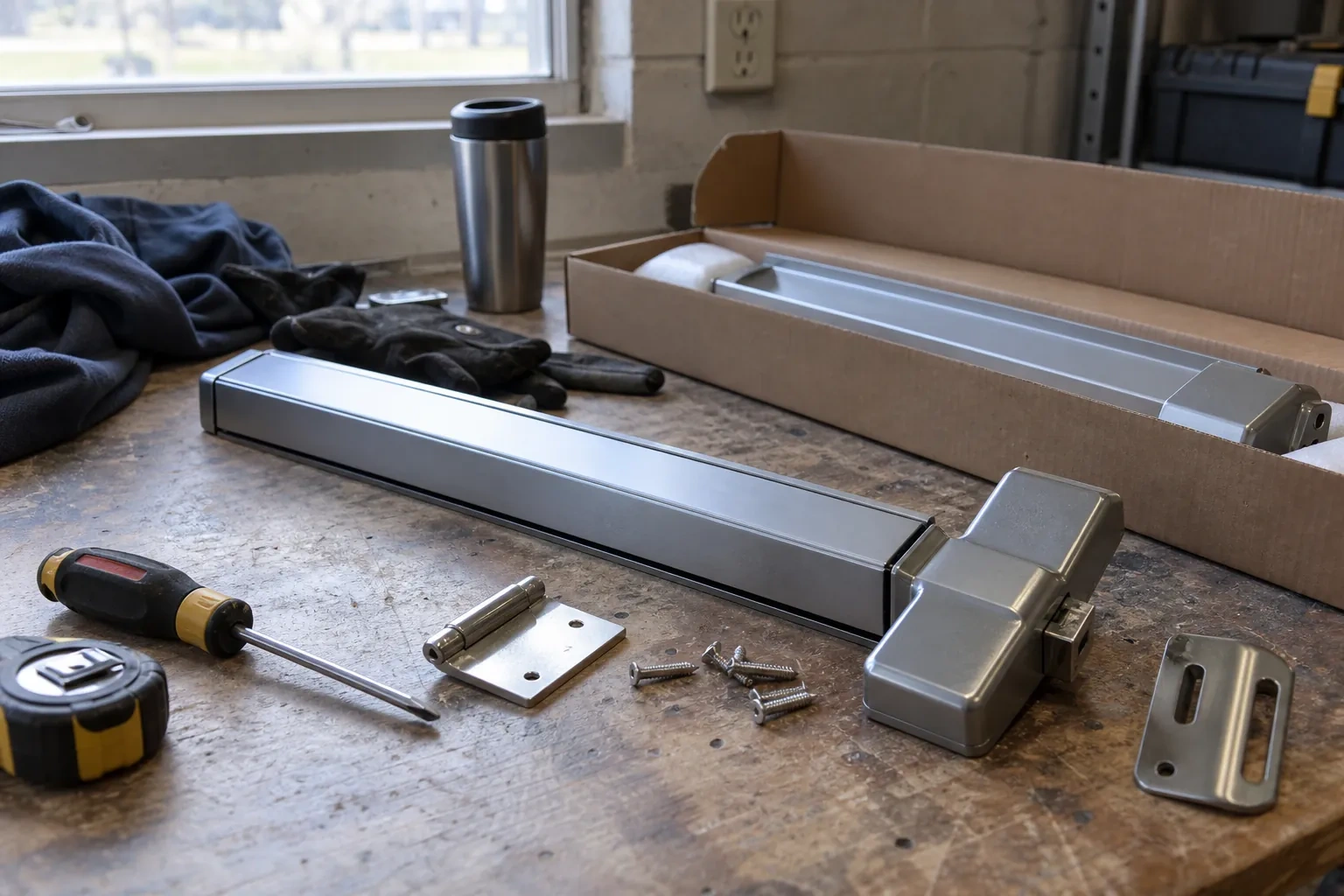
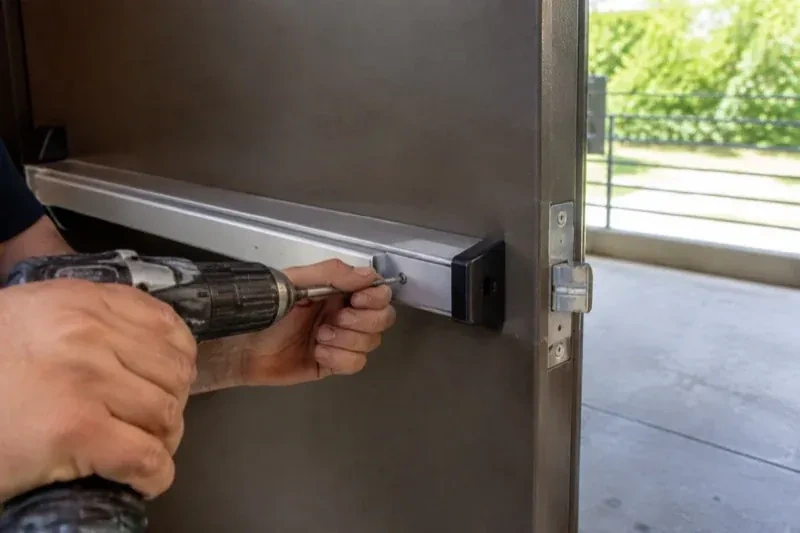
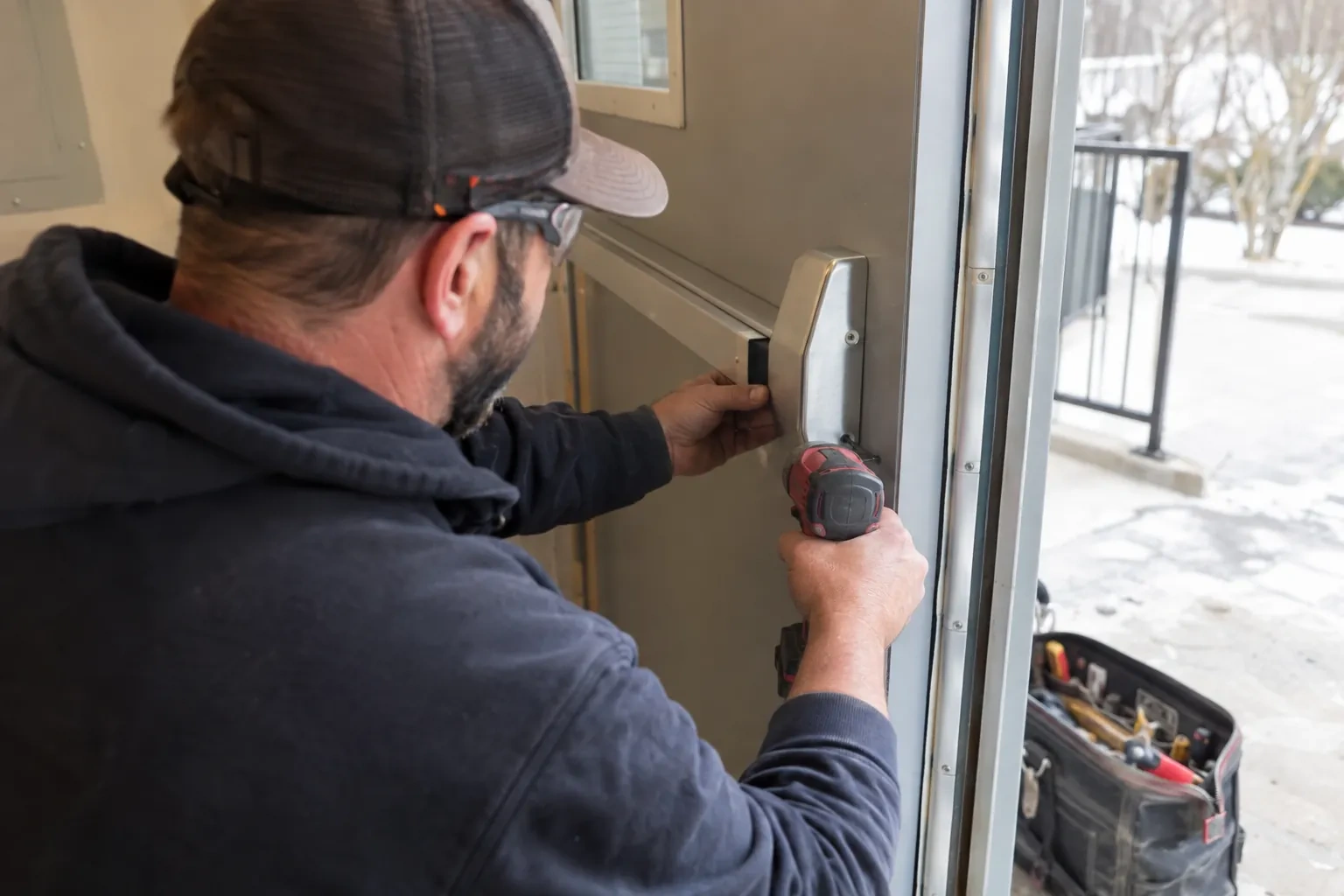
What counts as panic hardware?
Panic hardware is a door-latching device, usually a crossbar or touchpad running most of the door's width, that releases the latch the moment someone pushes on it from the inside. It is built and tested so a light, even push anywhere along the bar opens the door, which is why it is chosen for doors serving rooms with enough people that fumbling for a key during an exit is not acceptable.
What happens if I only have one key and it is for a car I just bought?
This is a common and straightforward call. The locksmith works from the single existing key and the vehicle itself, identifying the blade profile and reading or matching the chip, then testing the result on its own before the visit ends. It is also a good moment to confirm how many keys the car's history suggests should exist, since a private sale sometimes changes hands with an unknown key already out of circulation.
Is a mismatched key the same problem as a broken lock?
Not always. A key cut for a different vehicle, or an old worn copy, can feel exactly like a failing cylinder from the driver's seat. Testing a fresh key against the existing lock is one of the first checks, since it sometimes resolves what looked like a hardware fault.
Request a visit
Before a locksmith opens any door in Bloomingdale, he asks to see that it is yours: a piece of identification, a lease, an ownership paper, or a neighbour who can vouch. Most people are relieved by the question. The rest of the visit follows the same habit of care: explain each step, leave the frame and finish as we found them, and make sure the keys in your hand are the only ones that work.