High security · Woolwich
Safe Opening & Combination Change
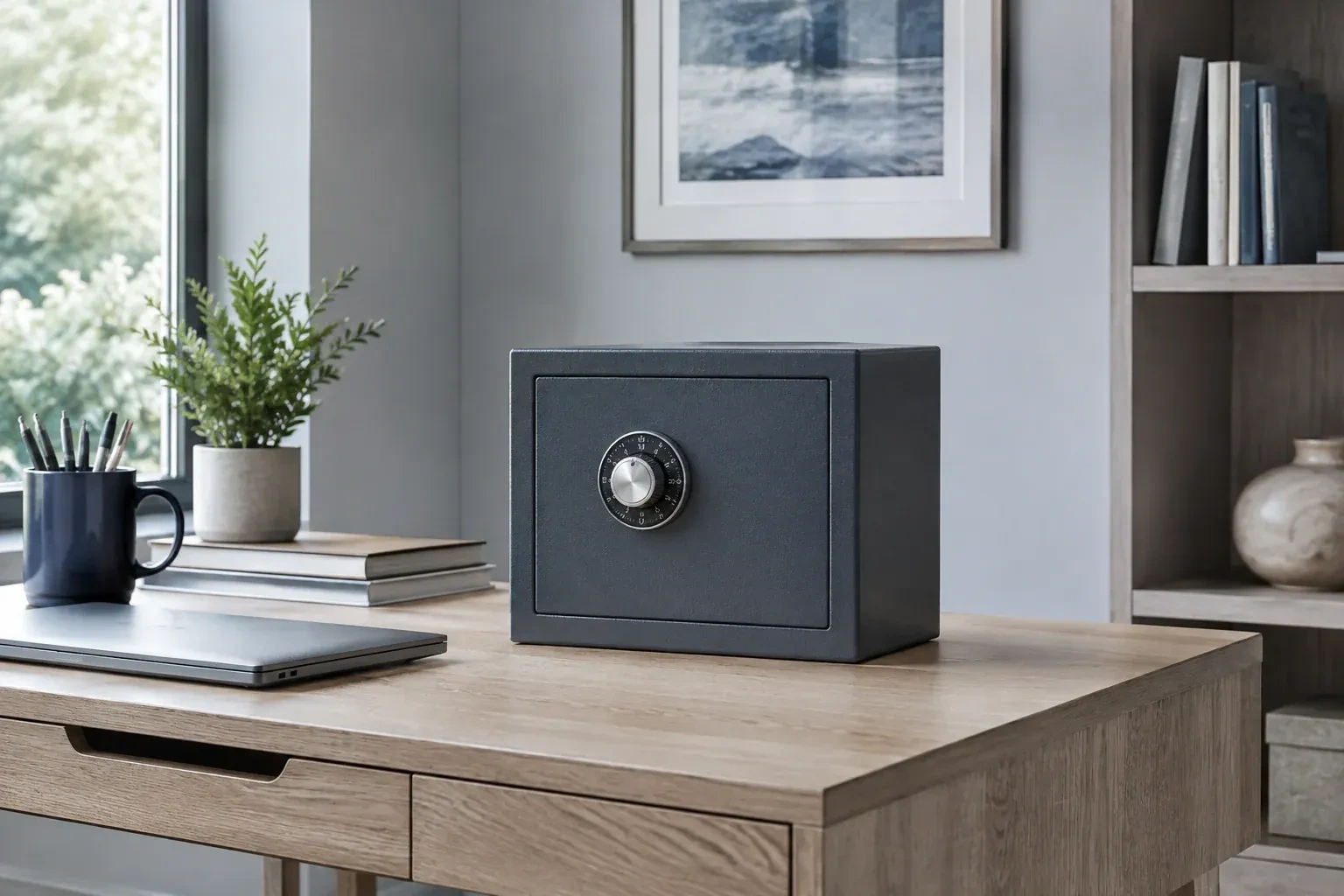
A customer's rifle safe at the range has a dial that simply will not respond to the combination written on the sales receipt from years ago.
In plain words
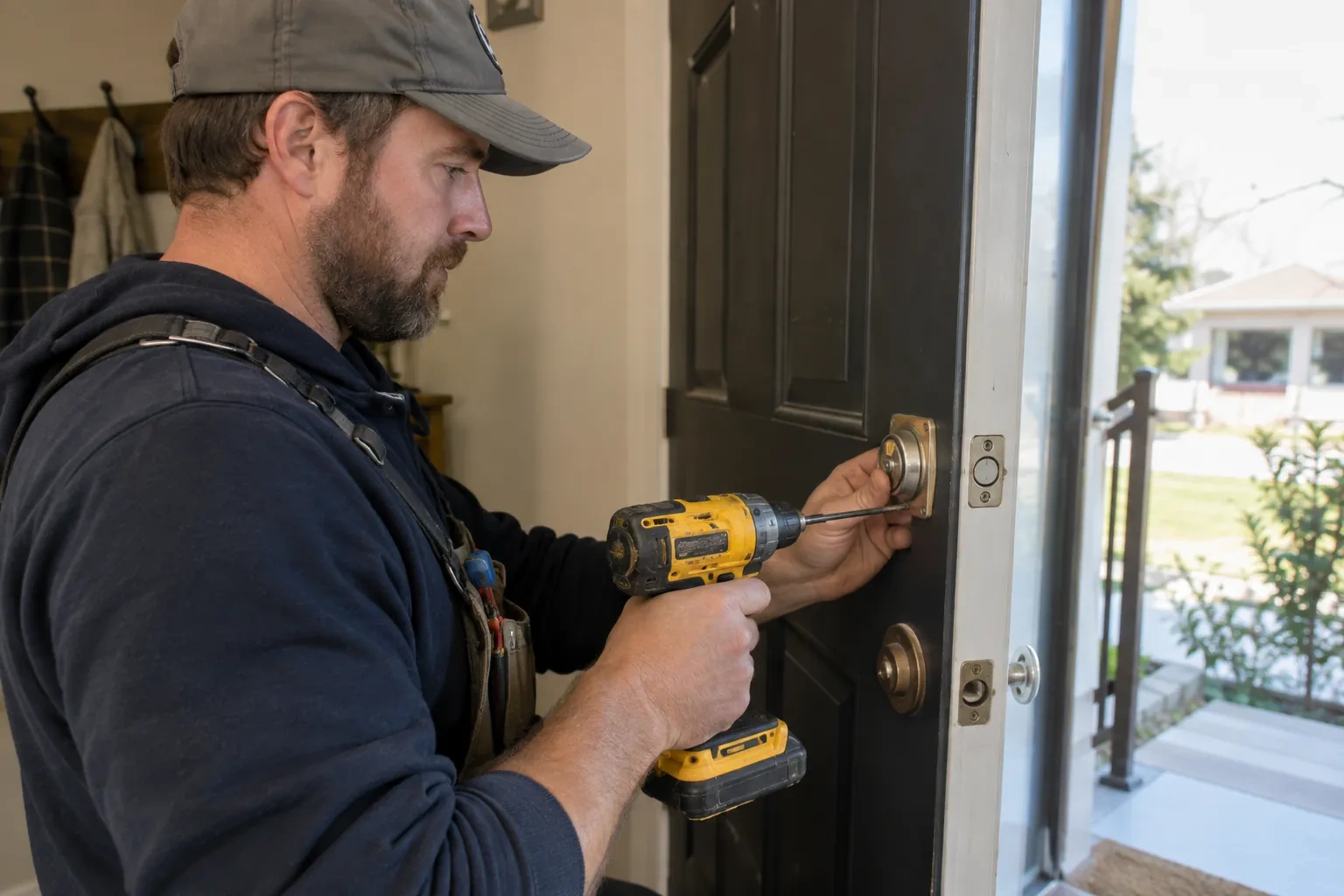
Once a safe is open, the visit is only half finished. The lock is inspected for wear, corrosion or damage that caused the original problem, repaired or replaced if it is no longer reliable, and then set to a new combination chosen on the spot. That combination is cycled several times with the door both open and closed so everyone leaves confident it will work again on the next ordinary morning, not just once under supervision.
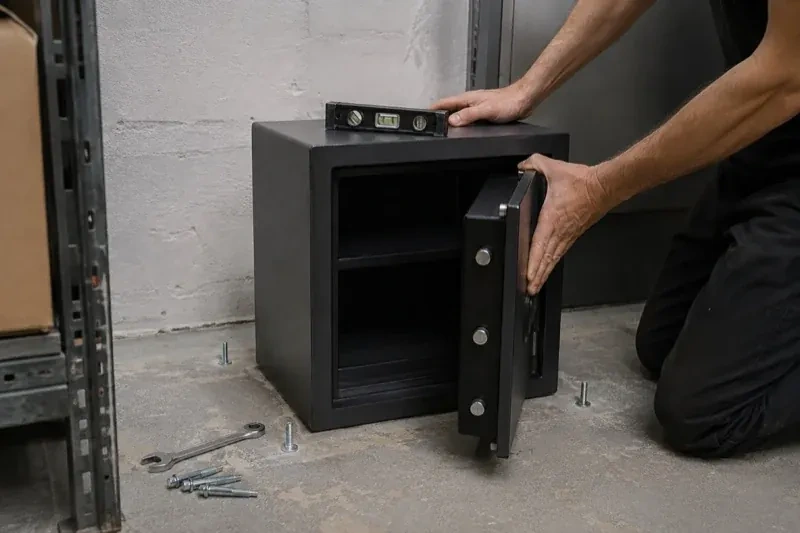
How the visit goesA safe sat in a late parent's basement for years, its combination known to nobody left in the family, and everyone would like to know what is actually inside it.
Safe Opening & Combination Change
How the visit goes
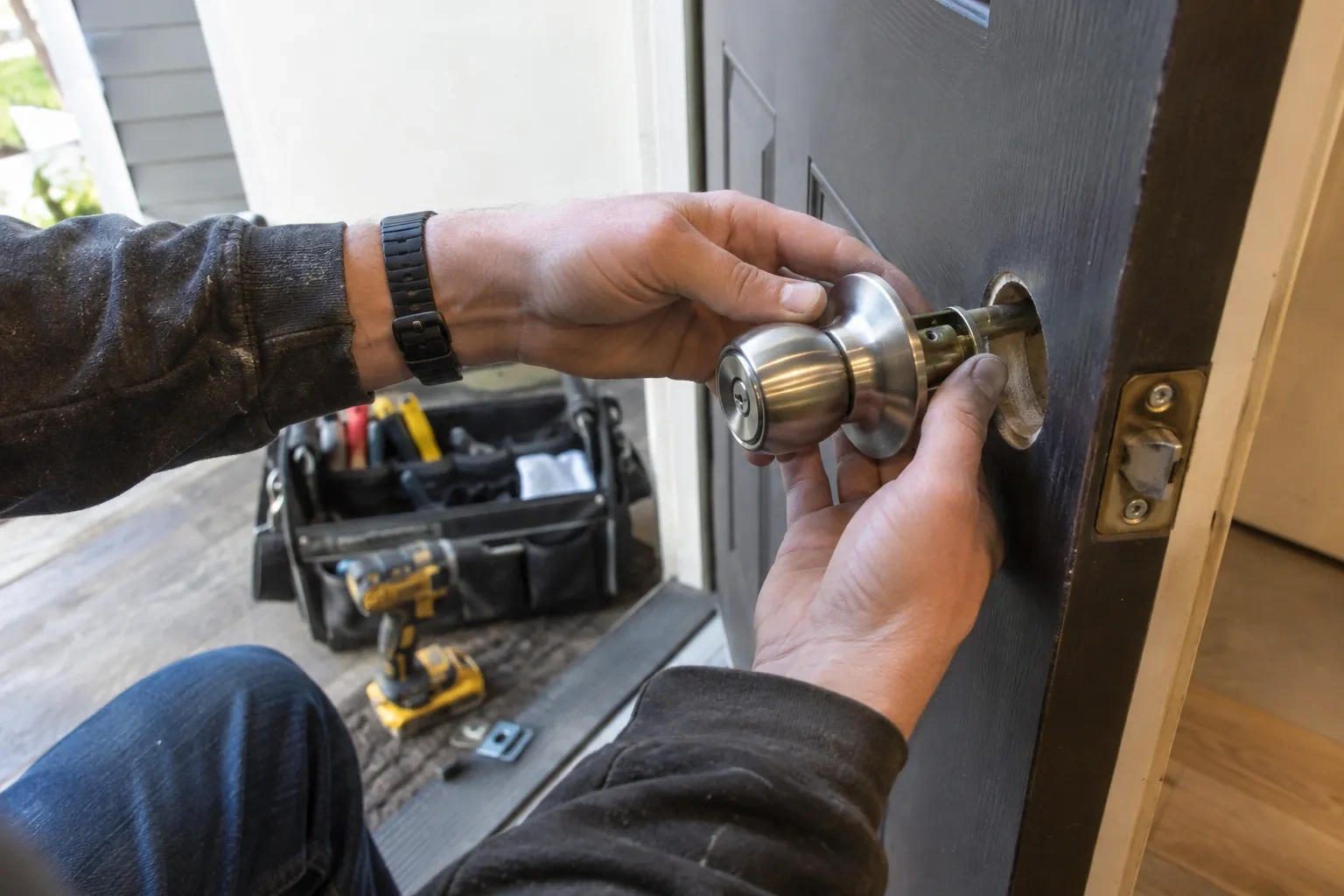
Checking the bolt work and handle
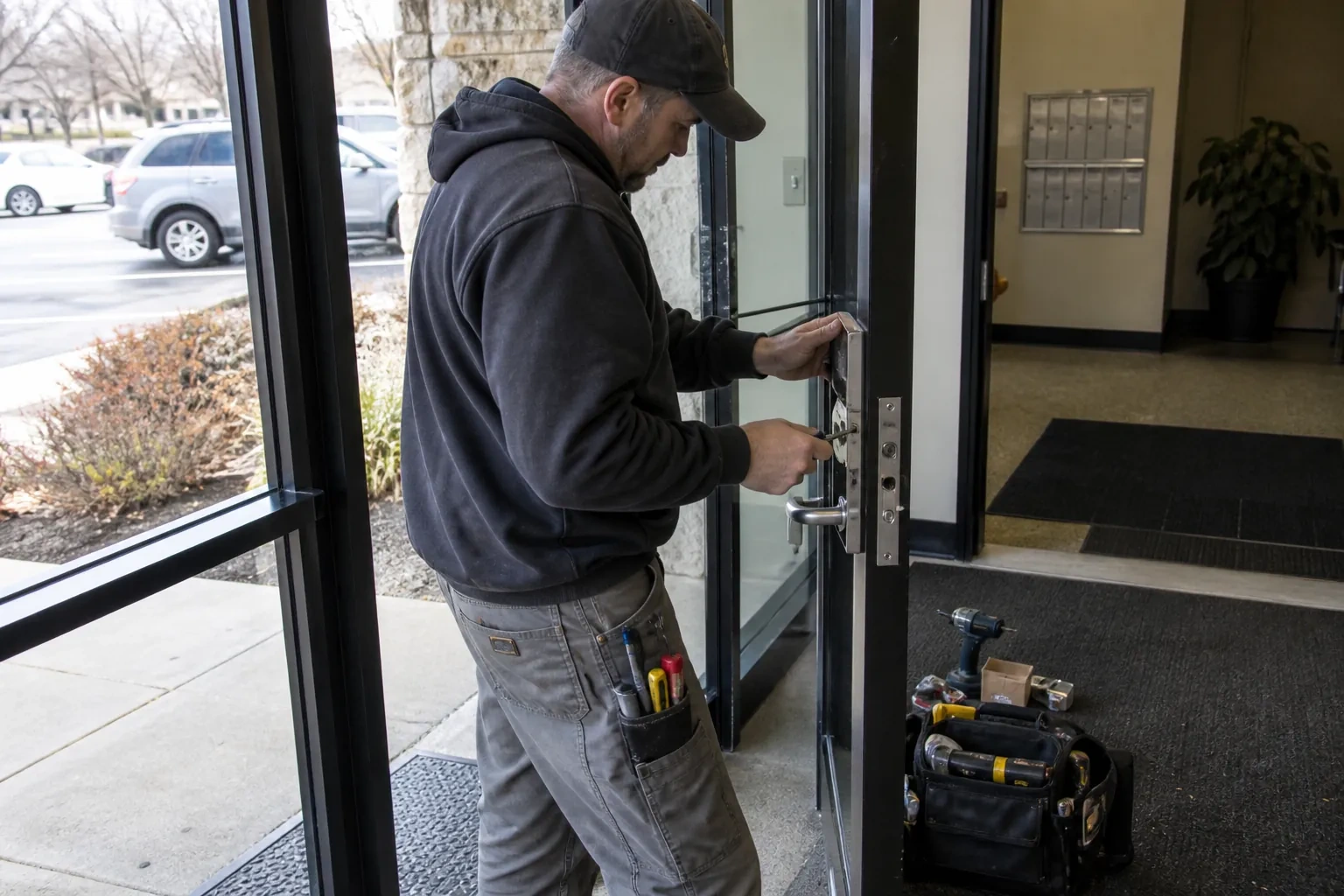
A locked-out safe is not always a locked-out lock. The locksmith checks whether the handle turns normally, whether the bolt work is retracting at all, and whether resistance shows up at the handle rather than at the dial or keypad. A jammed bolt, a corroded linkage or a relocker that has dropped into place can all hold a door shut even when the correct combination is entered without complaint. Sorting this out before assuming the lock has failed avoids replacing a perfectly good combination lock to solve a mechanical problem that sits elsewhere in the door.
Resetting an electronic keypad
Electronic safe lock recovery options vary by model: some support a manufacturer reset code entered through the keypad or an emergency key hidden behind a cover plate, while others need a small reset tool connected to a port on the back of the lock, which sits inside the secure container and still needs the door opened by other means first. The locksmith works through the specific model's own procedure where one exists, which for many models restores factory defaults or wipes stored codes rather than revealing the old one. Where the keypad itself has failed rather than merely losing power, the input unit is replaced and reconnected to the existing lock body before any new code is set.
A combination that belongs to the current owner
Every old credential the lock supports, past user and manager codes, any super-master or recovery code, keys and external access, is checked and removed rather than just the one combination in daily use, so nobody still holding an old way in, a departed employee, a previous owner or otherwise, keeps one. The new sequence is chosen by the current owner or manager on the spot, not assigned from a list. This is worth treating deliberately rather than casually: deciding who genuinely needs the combination, and keeping that group as small as the business actually requires, is the simplest way to keep a fresh reset from becoming next year's same problem.
Safe Opening & Combination Change
In the van
Replacement wheel pack
Borescope for internal viewing
Combination change key
Nine-volt and lithium batteries
Spindle and drive cam
Safe Opening & Combination Change
What affects the quote
Whether drilling turns out to be necessary
Manipulation, decoding and manufacturer reset paths are tried first; drilling, a repair plug and any replacement lock only enter the picture once those routes are exhausted.
Any upgrade chosen during the same visit
Moving to a higher-rated lock, adding a second user code, or fitting an anti-relock plate is optional and priced as its own line whenever an owner chooses it.
Number of new codes needed afterward
Setting one combination for a single owner is the simplest case; programming separate codes for several staff members on an electronic lock takes correspondingly more time.
What to have ready
- Is the lock a dial, a keypad, or a key?
- Does the handle turn normally, or does it feel stuck?
- Do you own the safe, or manage it for someone else?
Safe Opening & Combination Change: questions
QuestionsWhat should I have ready before the visit?
The safe's brand and model if you know them, whether the lock is a dial, a keypad or a key, roughly how old the safe is, and how the combination was lost or forgotten. Mention whether the safe holds anything with its own handling needs, such as firearms or business records, and how many people should have the new code afterward.
Do you need to see proof that I own the safe before opening it?
Yes, and it is meant as a protection rather than a hurdle. For a business, identifying yourself as the owner, manager or an authorized employee is usually enough. For an estate, a secondhand purchase or a change of ownership, a bill of sale, transfer document or executor's paperwork fills the same role. This step protects whoever actually has a claim on what is inside the safe, which includes you.
My electronic safe lock has a dead battery. Do you still need to drill it?
Usually not. It depends on the model. Some electronic locks offer an external contact for a fresh battery, or a mechanical override key behind a cover plate; restoring power this way wakes a dead keypad but does not bypass a lost code on its own. Others have a reset port on the lock body, which sits inside the safe and still needs the door opened by other means first. The locksmith works through that model's own documented procedure before considering anything more invasive.