Locksmith in St. Jacobs, OntarioVintage hardware,cared for properly
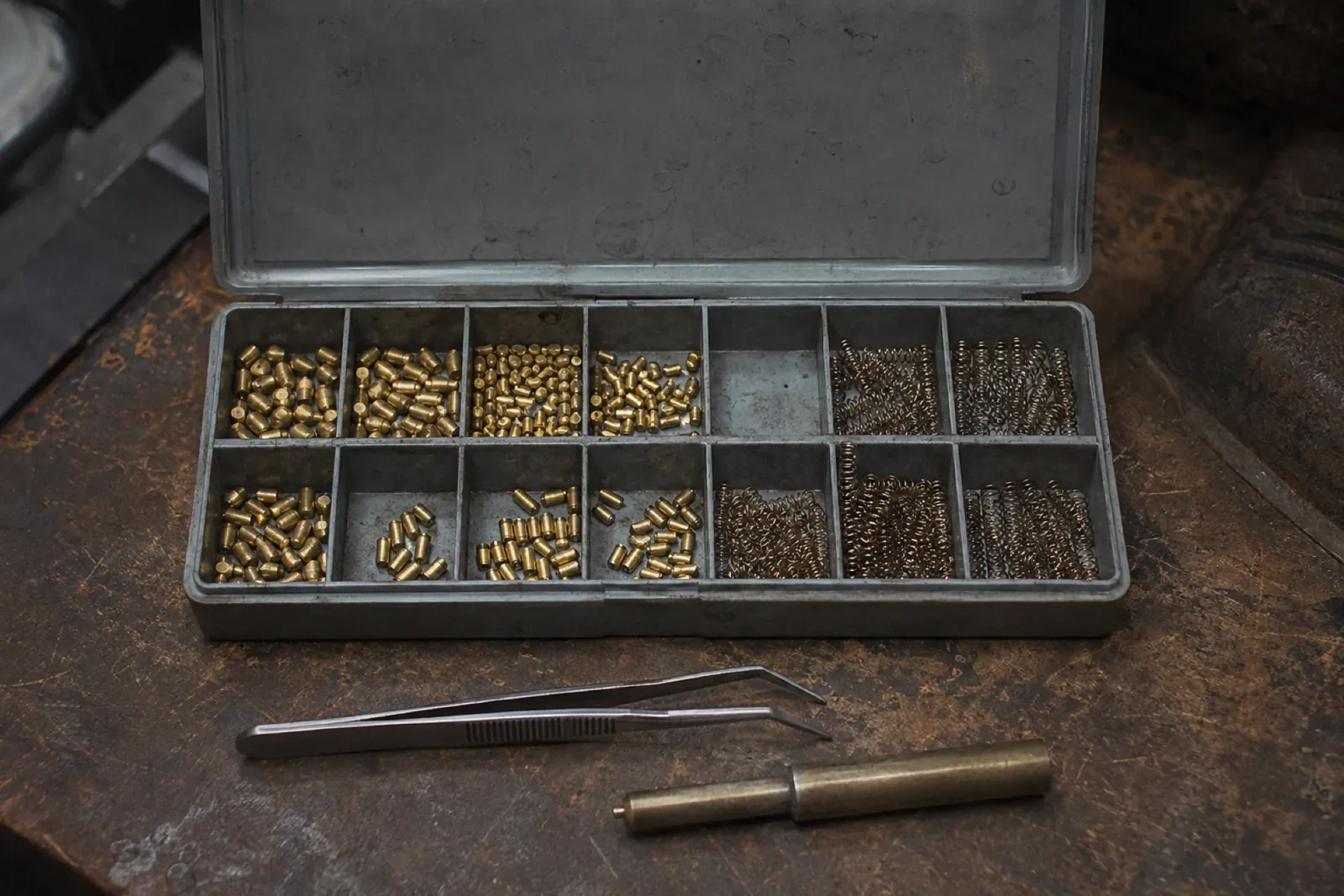
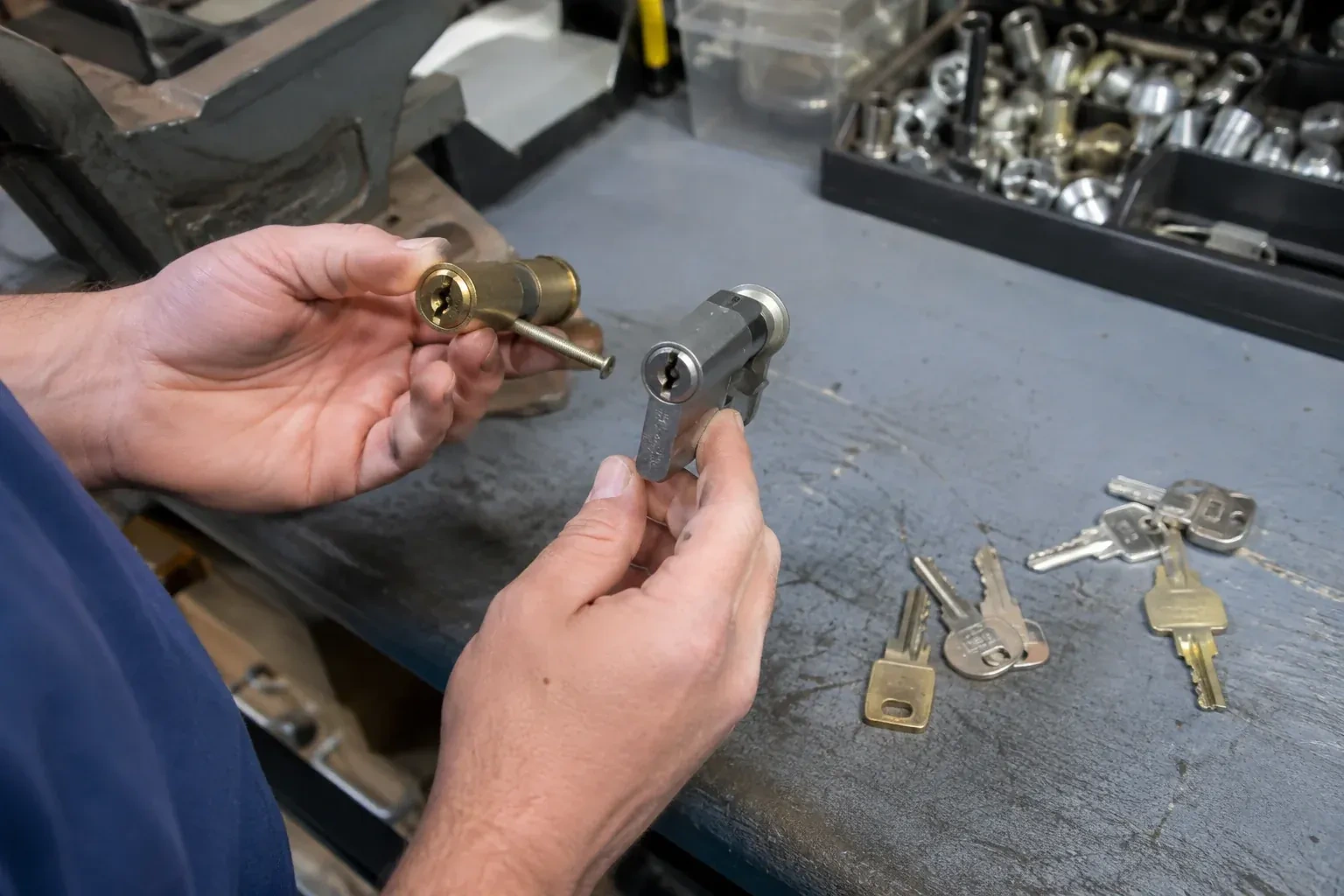
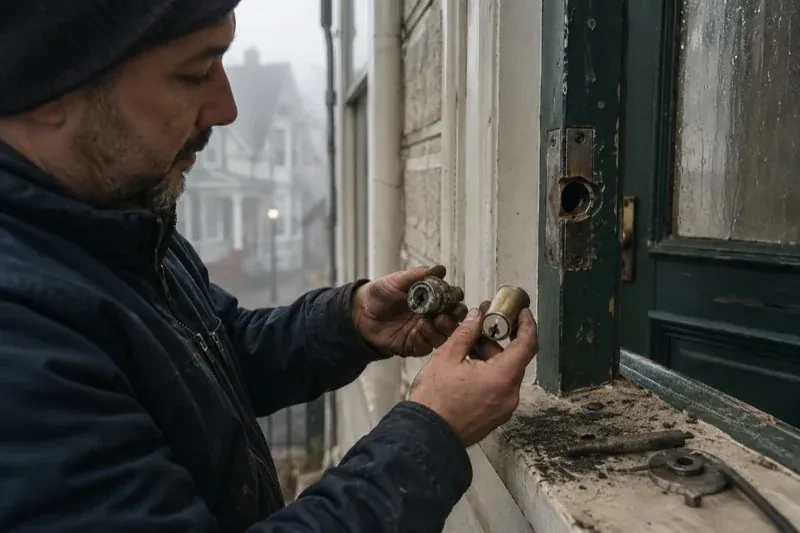
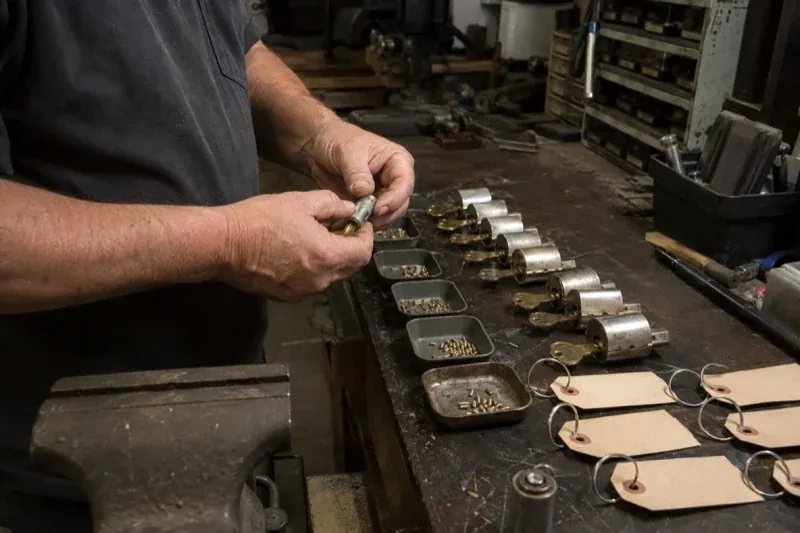
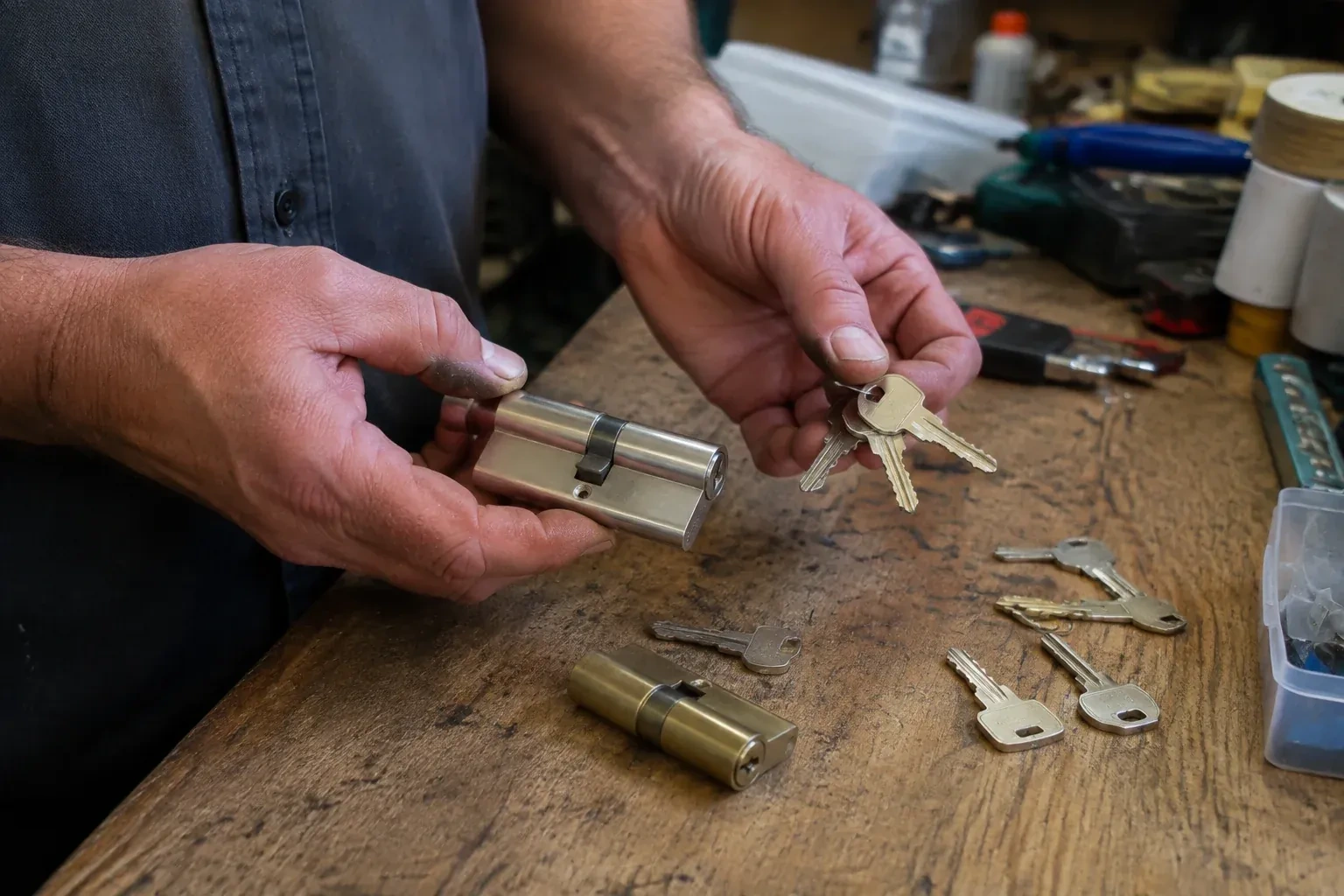
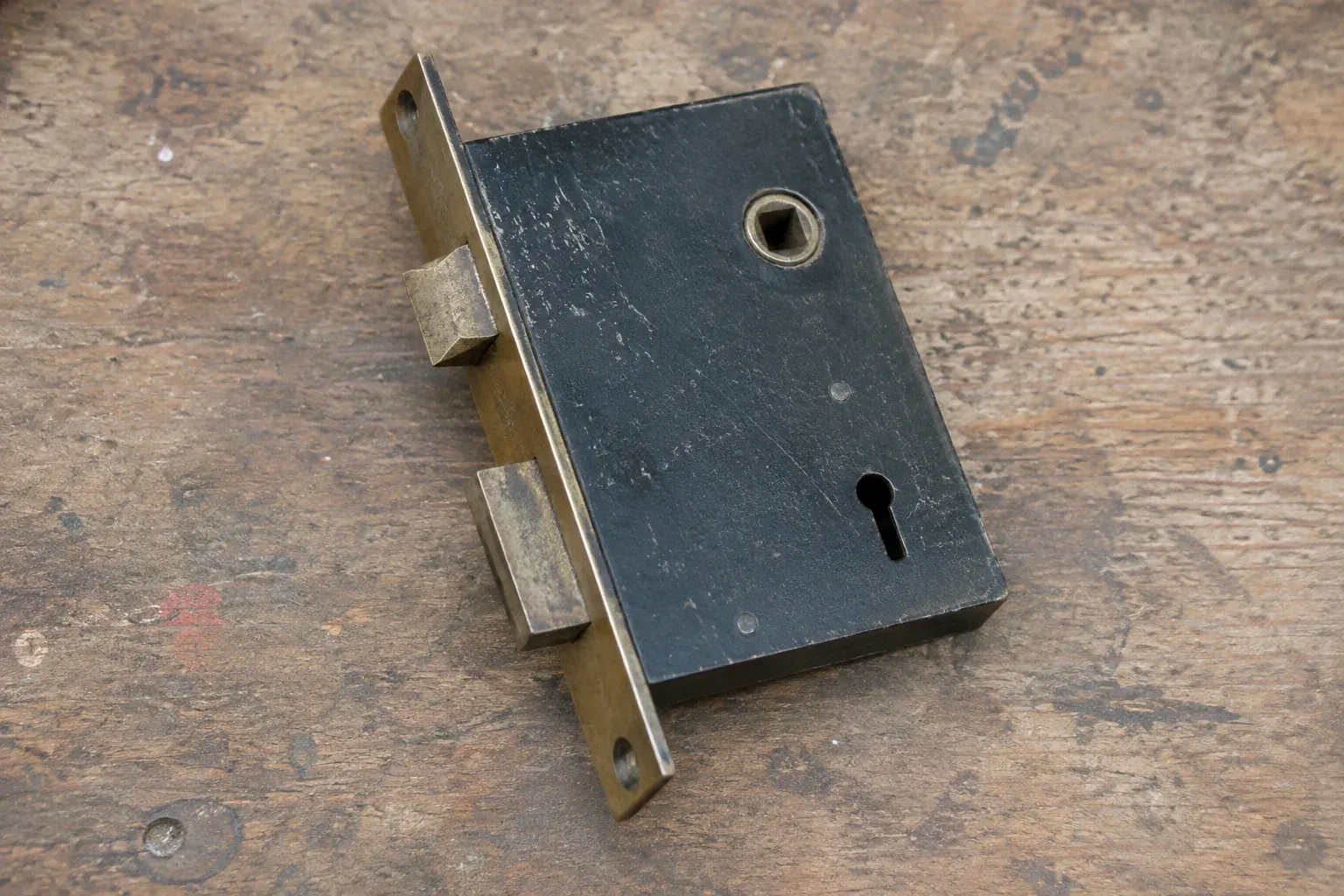
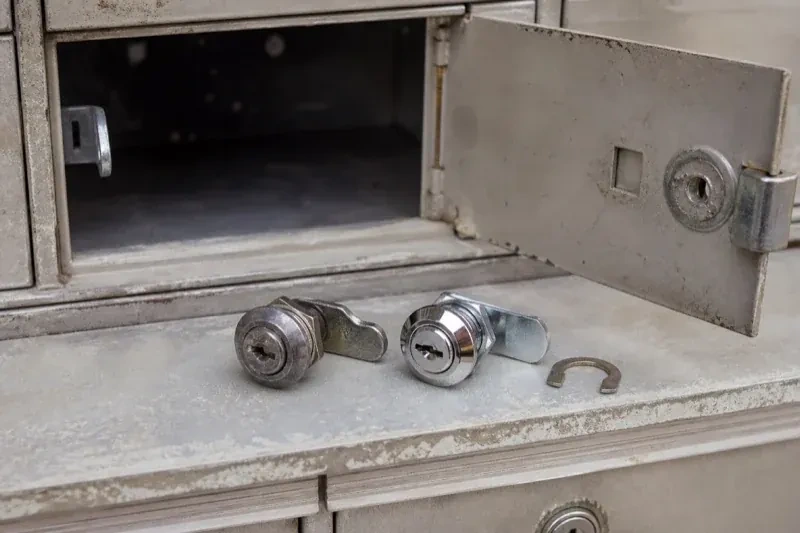
Glass knobs, ornate escutcheons and mortise cases that have turned for generations deserve a locksmith who knows them. In St. Jacobs we clean, rebuild and re-spring old mechanisms, cut keys for locks that no longer have one, and match period-appropriate parts so the door keeps its face.
Glass knobs, ornate escutcheons and mortise cases that have turned for generations deserve a locksmith who knows them. In St. Jacobs we clean, rebuild and re-spring old mechanisms, cut keys for locks that no longer have one, and match period-appropriate parts so the door keeps its face.
Old locks respected, new locks fitted right.
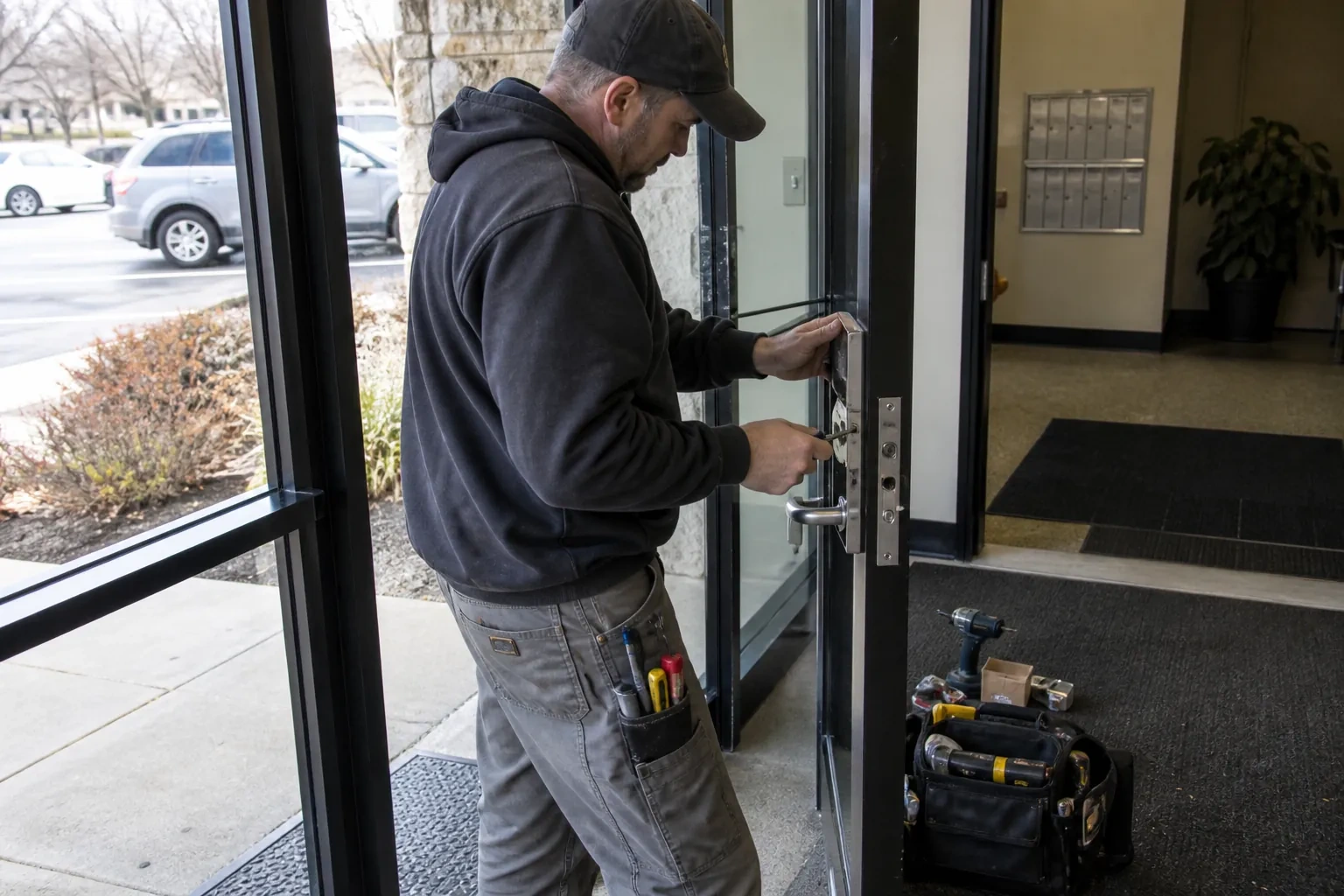
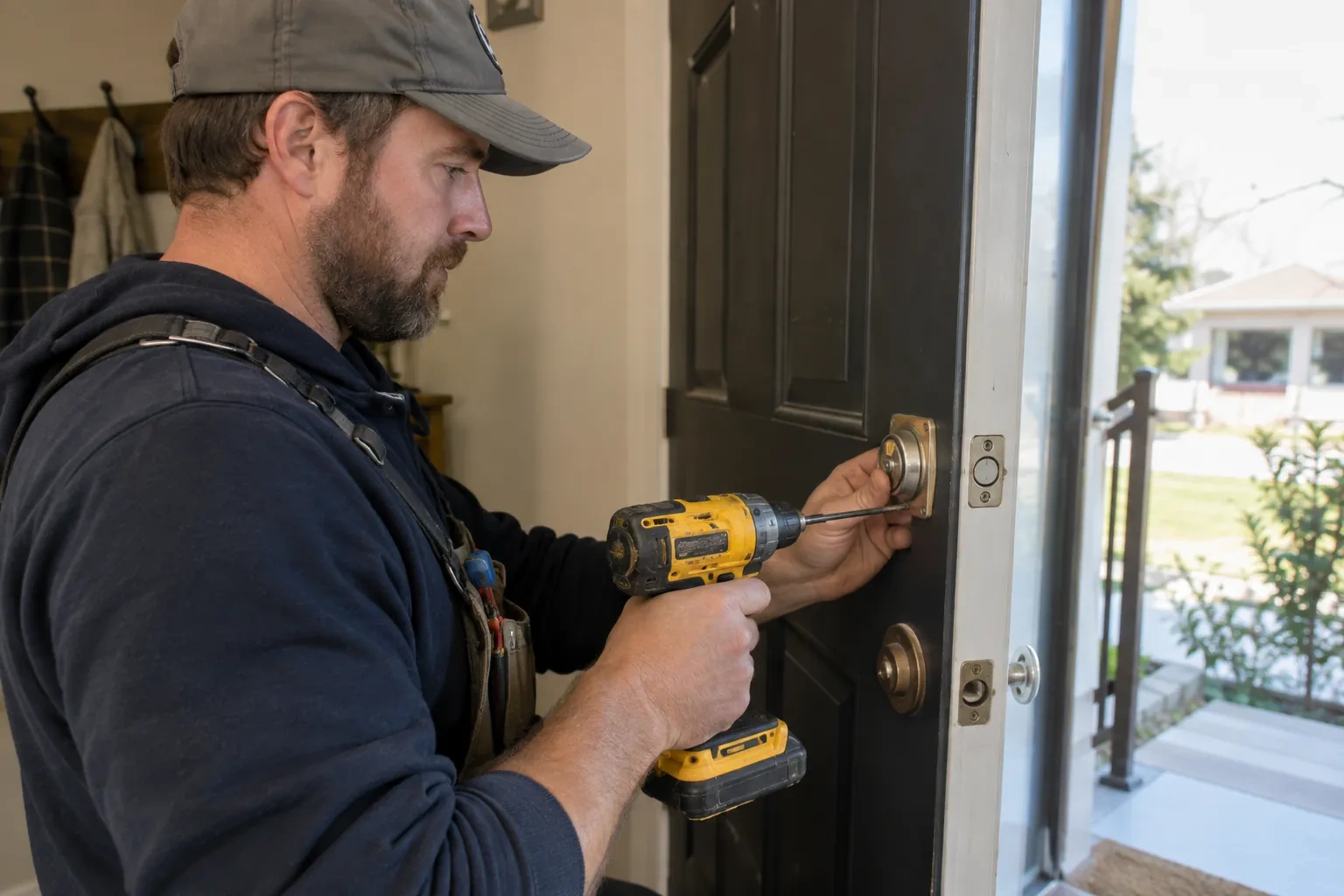
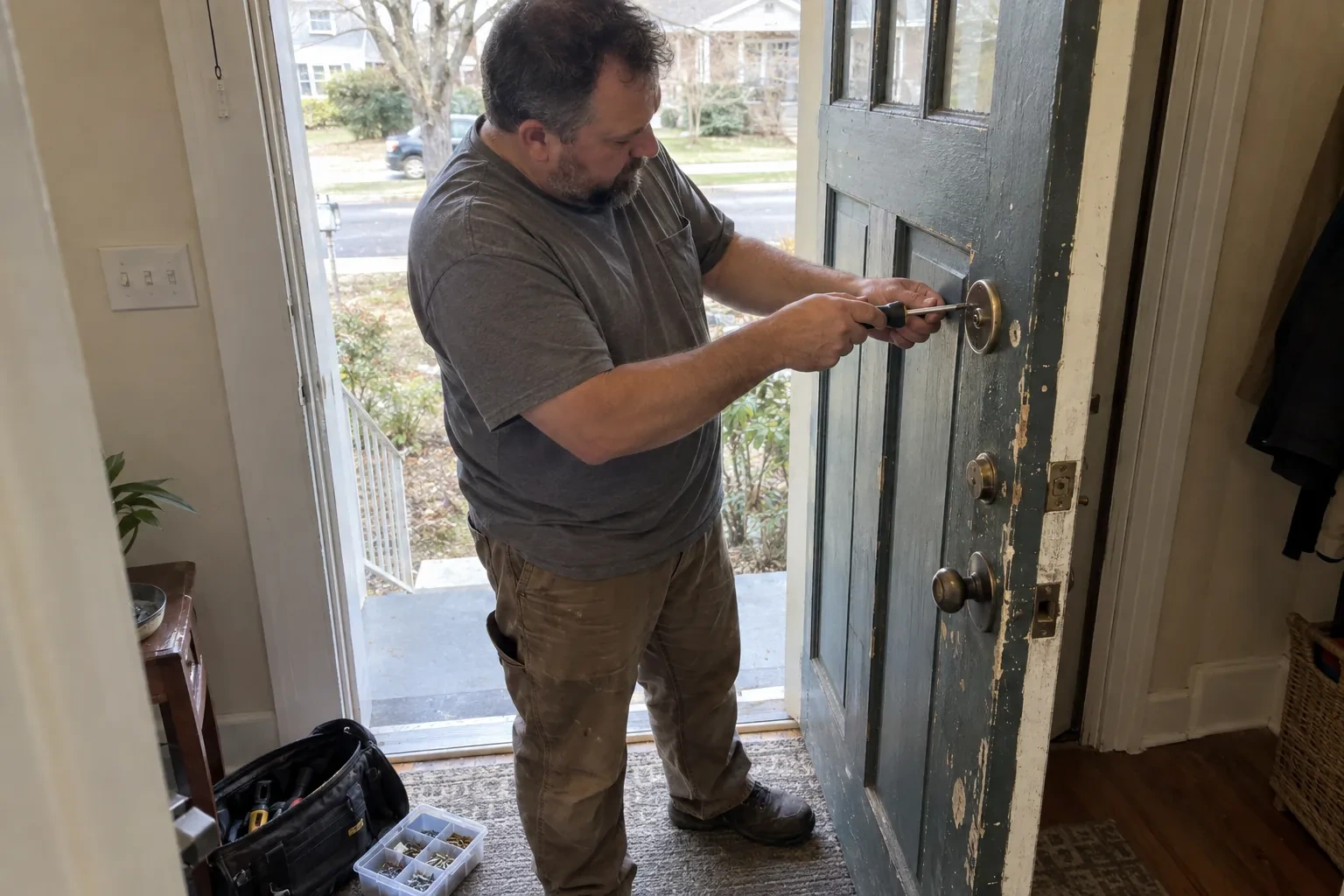
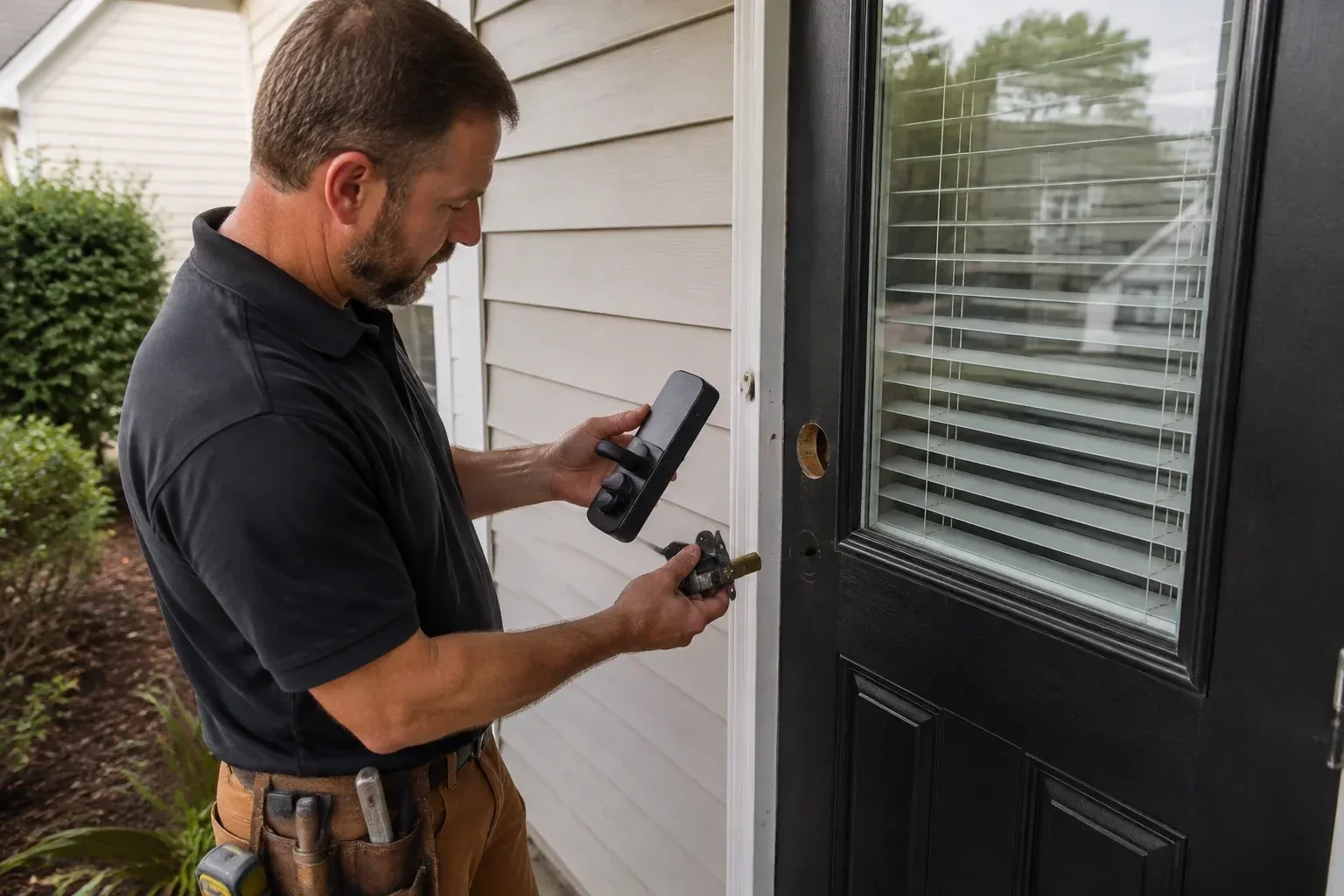
A lockout in St. Jacobs is handled without drama. The locksmith confirms you belong there, then uses the least destructive method the lock allows, so the door and cylinder are usually intact when you walk through. Only when a lock has genuinely failed does he move to drilling, and then he replaces the cylinder and hands you fresh keys before leaving.
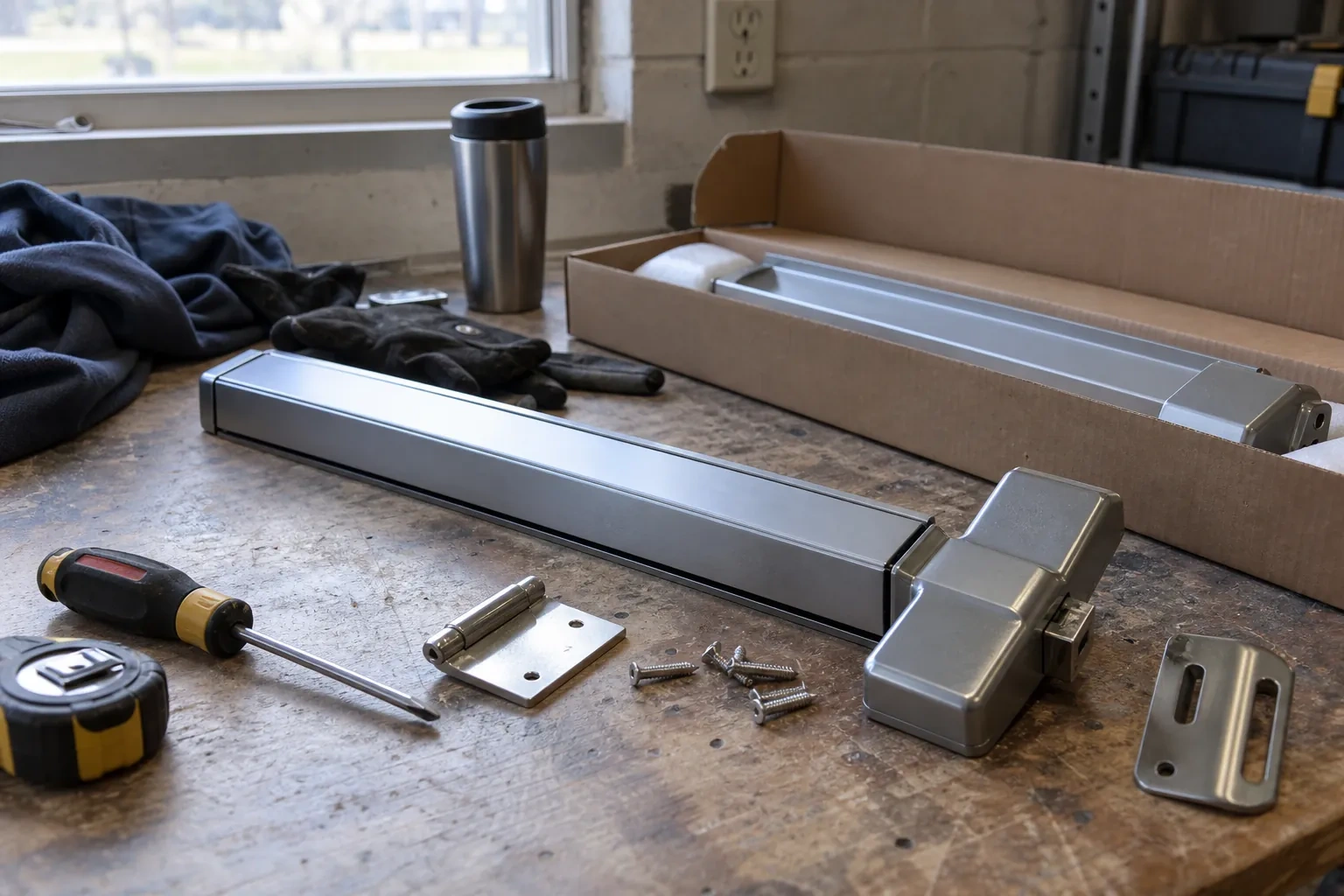
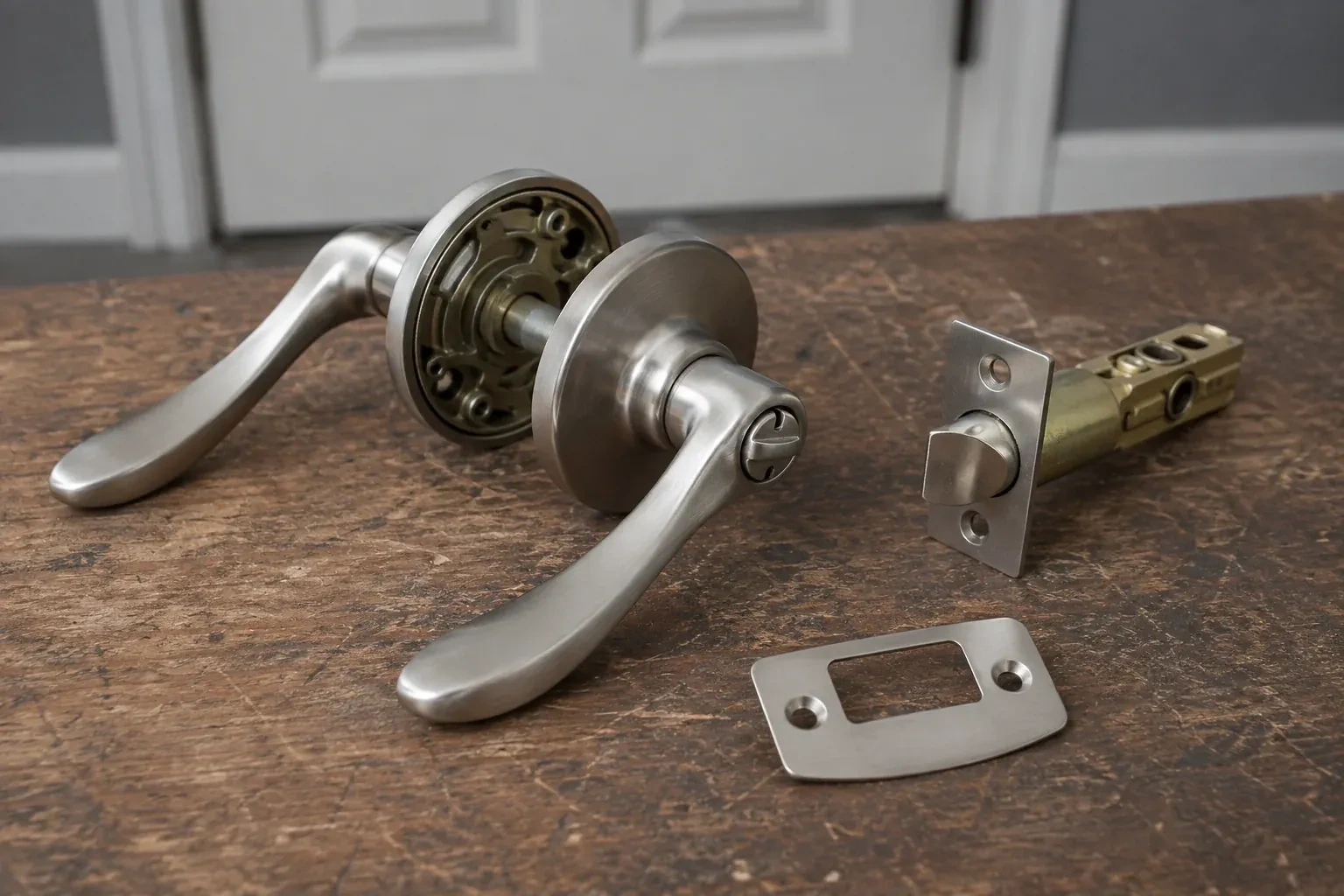
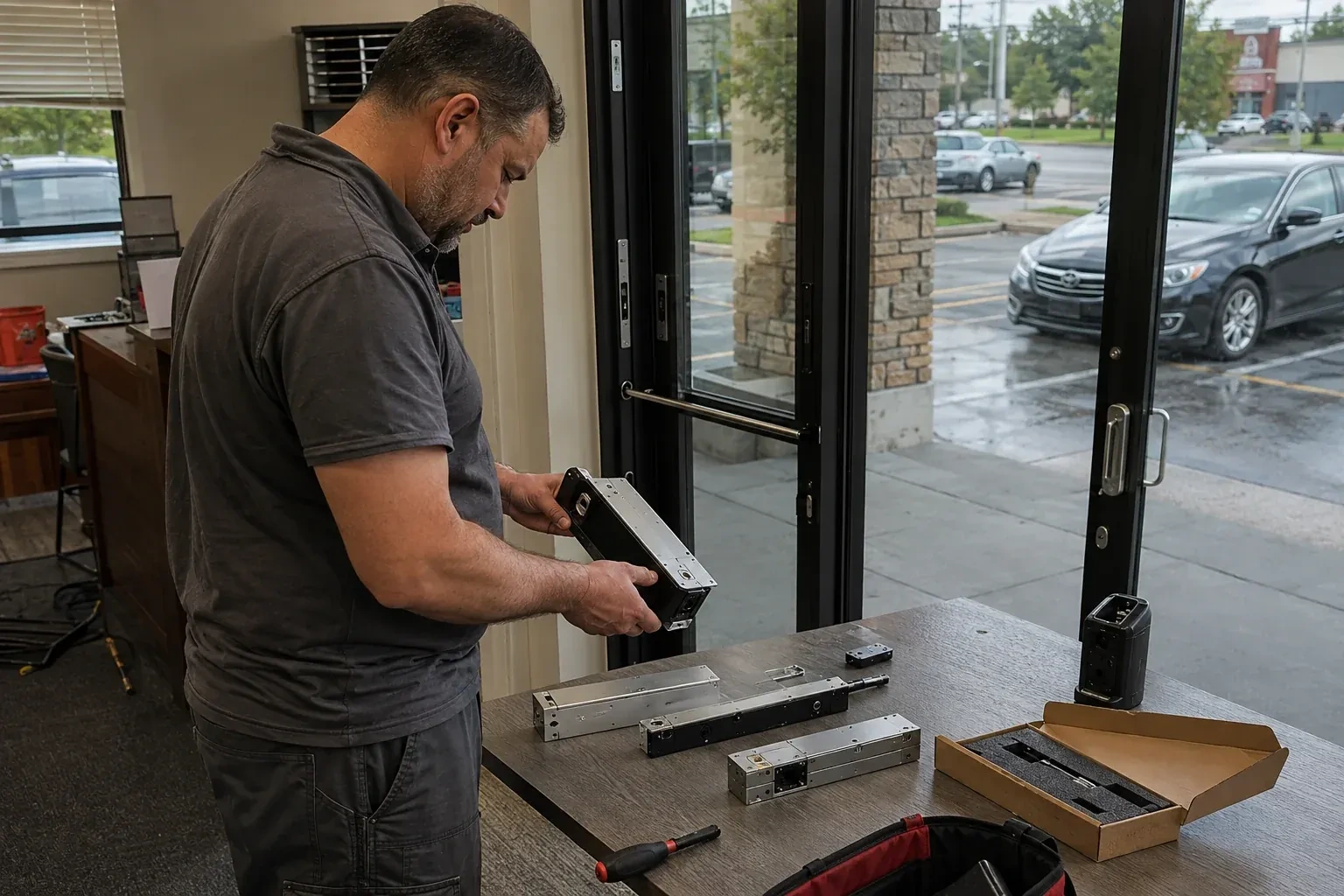
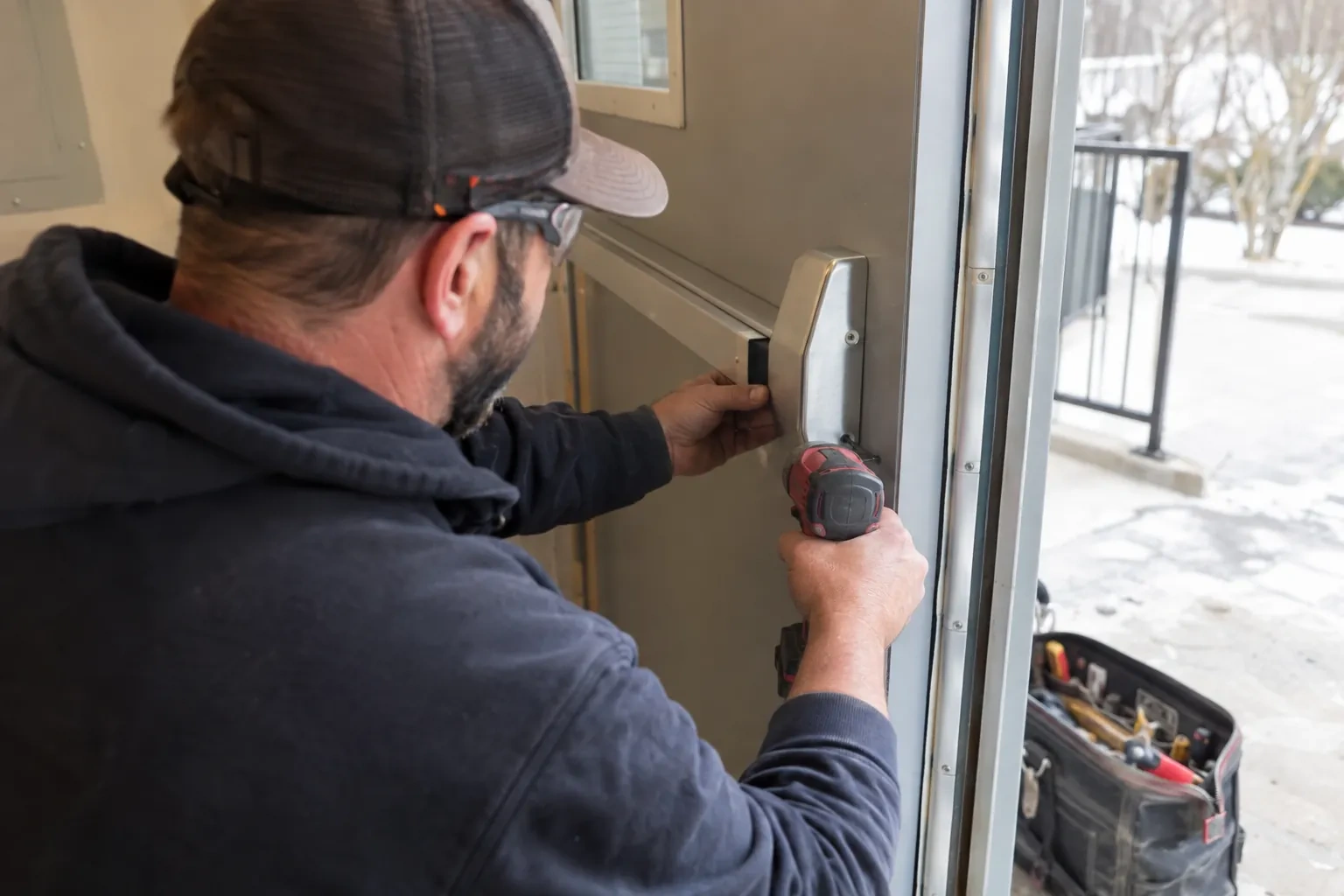
Panic hardware and exit devices in St. Jacobs businesses need to let people out easily while keeping the outside secure. We install and service them with attention to how the door actually closes, because a device that works on the bench but not on a sagging door has solved nothing. We explain the practical point of each part as we fit it.
30years in business
24/7open every day
You know what is happening. From the first look to the last turn of the key, we narrate the job in plain terms. You should never wonder what we are doing to your door.
Suggestions, not pressure. If we think an upgrade would help, we say so once and explain why. If you decline, that is the end of it.
The old parts handled. Removed locks and keys are given to you or taken away as you prefer. Old keys that no longer work are worth destroying, and we will do that if you like.
Below is the full menu of lock and key work available in St. Jacobs, written for people who are not locksmiths. Each entry says what the service is, when it makes sense, and roughly how a visit unfolds, so you can arrive at the door already knowing what the technician is going to do and why.
About 47% of homes in Woolwich were built in 1980 or earlier, according to the 2021 Census.
Where homes of different generations sit together, additions and renovations are common. A house may have an original front door and a much newer side entry, and bringing both onto the same key and the same standard is a regular job.
Single-detached houses make up about 76% of homes in Woolwich (2021 Census).
Mostly houses
Where the housing is mostly single houses, the door into the house from an attached garage is easy to overlook because it feels indoors. It is still an exterior door, and a proper deadbolt there is a sensible, low-fuss upgrade.
High security locks answer the question most people eventually ask about their door: who else has a key, and how hard would it be to get past it? Rated cylinders, heavy deadbolts, reinforced strikes and keys that cannot be copied without your say-so.
A business needs its doors to open reliably for the right people and stay shut for everyone else, every day, without fuss. That is the whole brief for commercial work, and the pages here show how rekeying, master keying and access control each serve it.
The office is moving three blocks over, and the old commercial safe that has sat bolted to the concrete for fifteen years now needs to come out, travel across town, and go back down just as solidly.
Which fix fits?
You signed the lease on the unit last week and the landlord handed over possession, but the previous tenant's locks are still on both doors and no keys came with them.
WhyMany commercial properties end up with keys copied from other keys over years of staff changes, until nobody can say with confidence what a given key actually opens.
The fob went through the washing machine in a jacket pocket.
WhyTransponder-based immobilizers became mandatory equipment on new vehicles sold across the country from September 2007 onward, though many manufacturers had already been fitting them for years before that date.
Good days. Start with a turn.
1/9Business Lockout Service
You signed the lease on the unit last week and the landlord handed over possession, but the previous tenant's locks are still on both doors and no keys came with them. Your fixtures arrive tomorrow and the doors will not open.
You were locking up on the way out when the key broke in the lock. Now the door is unlocked, a piece of key is jammed in the cylinder, and you were already running late for work.
The key slides all the way in, exactly as it has for years, and then refuses to turn in either direction. Yesterday it needed a small wiggle. This morning it feels set in concrete, and pushing harder only makes the key flex.
The pharmacy stockroom, the server closet or the cash office is protected by the same ordinary cylinder as the staff washroom. One lost key on a lanyard would open all of them.
You have just signed the lease on a unit the previous tenant ran for a decade. The landlord handed over three keys, the back door wears a padlock nobody can open, and nobody can say how many front-door keys are still out there.
The office key ring has become the org chart. Every manager carries a fistful of cuts, a couple of staff hold copies nobody remembers issuing, and when someone asks which key opens the records room, three different people give three different answers.
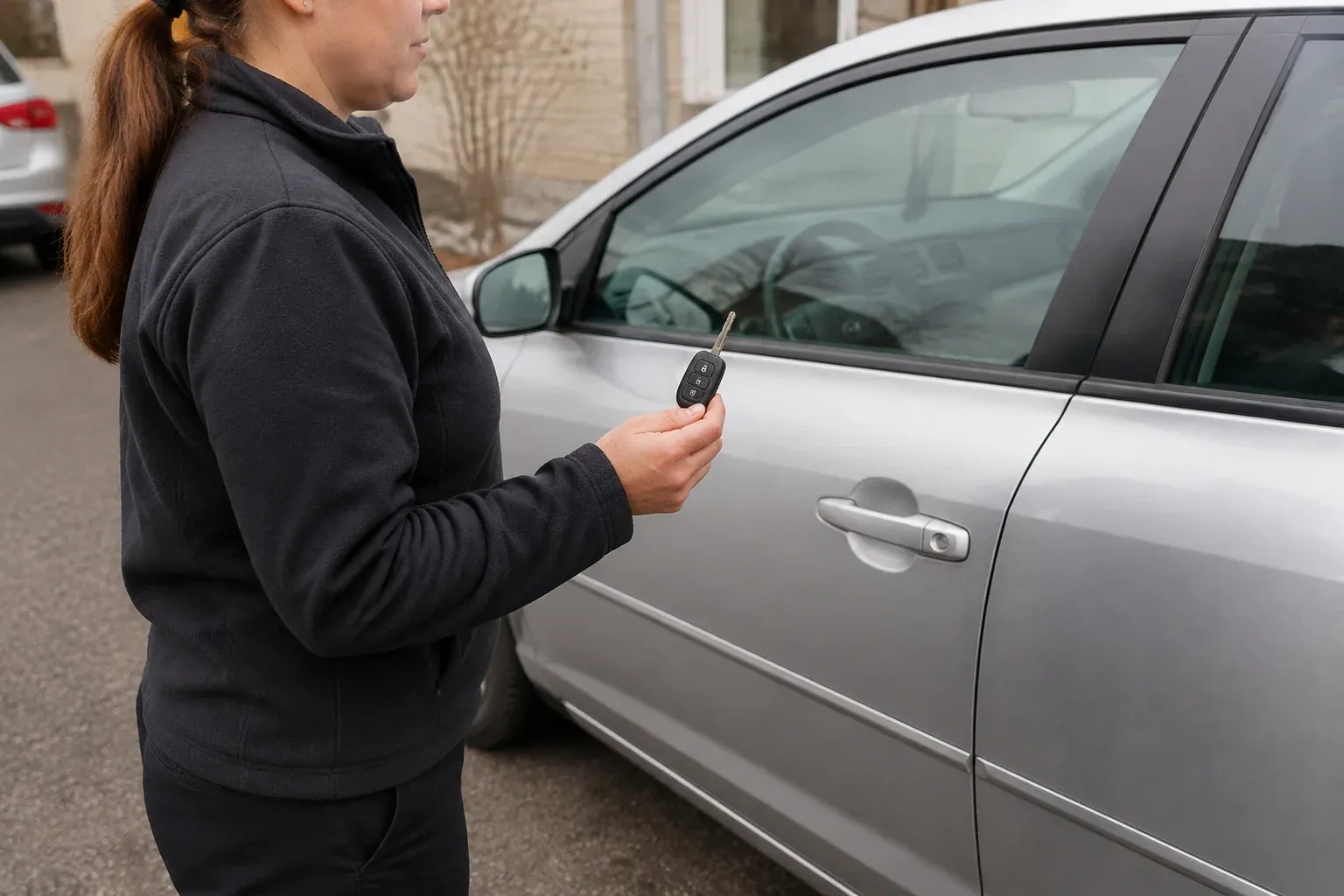
The fob went through the washing machine in a jacket pocket. It came out clean and completely silent. Nothing unlocks, the push-button start ignores it, and the little metal blade hidden inside only opens the driver's door.
A new driver has joined the household, and the one existing fob is the only key anyone has ever had cut for this vehicle. Handing that single fob over for the day means someone else is left without a way into their own car.
The car came with a single key when the sale went through, and that key is the only thing standing between the household and being stranded. A second one has been on the list for weeks, quietly moved down every time something more urgent came up.
The address and unit number, which door you are outside, what the lock looks like, and where the keys are: with someone, lost, broken or simply refusing. Say whether there is an alarm or a card reader on the door, who can disarm or confirm your authority, and whether the building has a property manager. If you can send a photo of the lock and the door edge, the right cylinders and cores come on the first trip.
Will the lock work again once the piece is out?
In most cases yes, and it is tested in front of you with a key that fits. The inspection after extraction is where the honest answer lives: if the pins, springs and cap are sound and the keyway is clean, the cylinder goes back into service with a fresh key. If wear or damage caused the break, that is explained and a rekey or new cylinder is offered as a separate choice.
Why did my lock seize when it worked yesterday?
Locks rarely fail in a day; they fail slowly over months and announce it in a morning. Grit and old lubricant build up in the pin stacks until one cold night thickens them past the point the key can overcome, or a door that has been drifting on its hinges finally pins the bolt after a humid week. The wiggle you needed last month was the warning. A lock in this state is usually cleaned or adjusted back to health rather than replaced.
What is bumping, and does this stop it?
Bumping uses a specially cut key that is struck while under light turning pressure, bouncing the pins to the shear line for an instant so an ordinary cylinder opens. It works on many standard pin tumblers. A high security cylinder needs its sidebar released by separately positioned finger or rotating pins at the same moment, and a bump key cannot set those, so the plug stays locked. It is one of the clearest advantages of the upgrade.
What do you do with the old keys?
They are gathered, tested at each rekeyed door to confirm they no longer work, and then cut through so they can never be used or copied. You can keep the pieces or the locksmith takes them away. Any old key that still operates a door you chose to leave unchanged is handed back and noted on the chart, so it is clear which keys remain live and which are scrap.
What is tested before the keys are handed over?
Every cylinder is tested on the bench against its assigned keys, then again once installed: the change key on its own door, the relevant sub-master across its whole group, and the top-level master across every door in the system. Any lock that responds to a key it should not is corrected before handover rather than left for the owner to discover later.
The key snapped off inside the lock. What happens now?
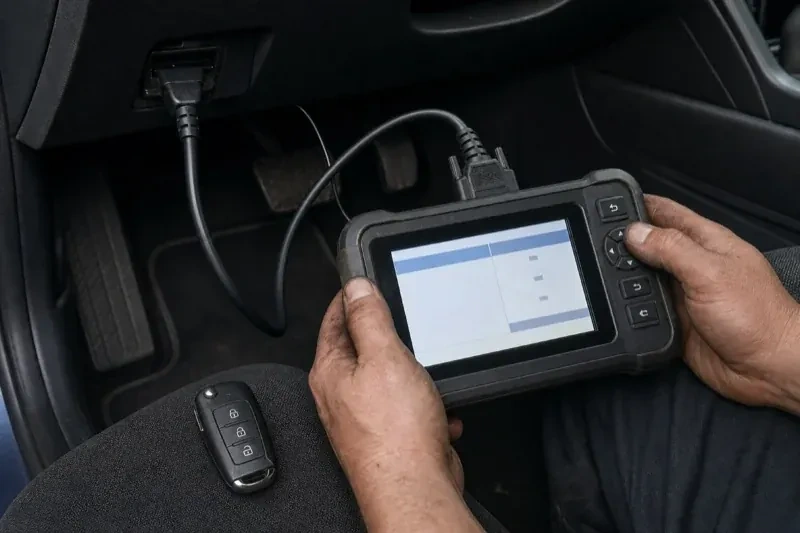
The broken piece is drawn out with an extractor that grips it rather than pushing it deeper, and the cylinder is checked for damage. The head of the key, if it survived, still holds the chip and the remote, so it can be rebuilt around a new blade in a new case without any programming. If the whole key was lost with the break, a fresh transponder key is cut to code and programmed as usual.
Is fixing a lost key different from just adding a spare?
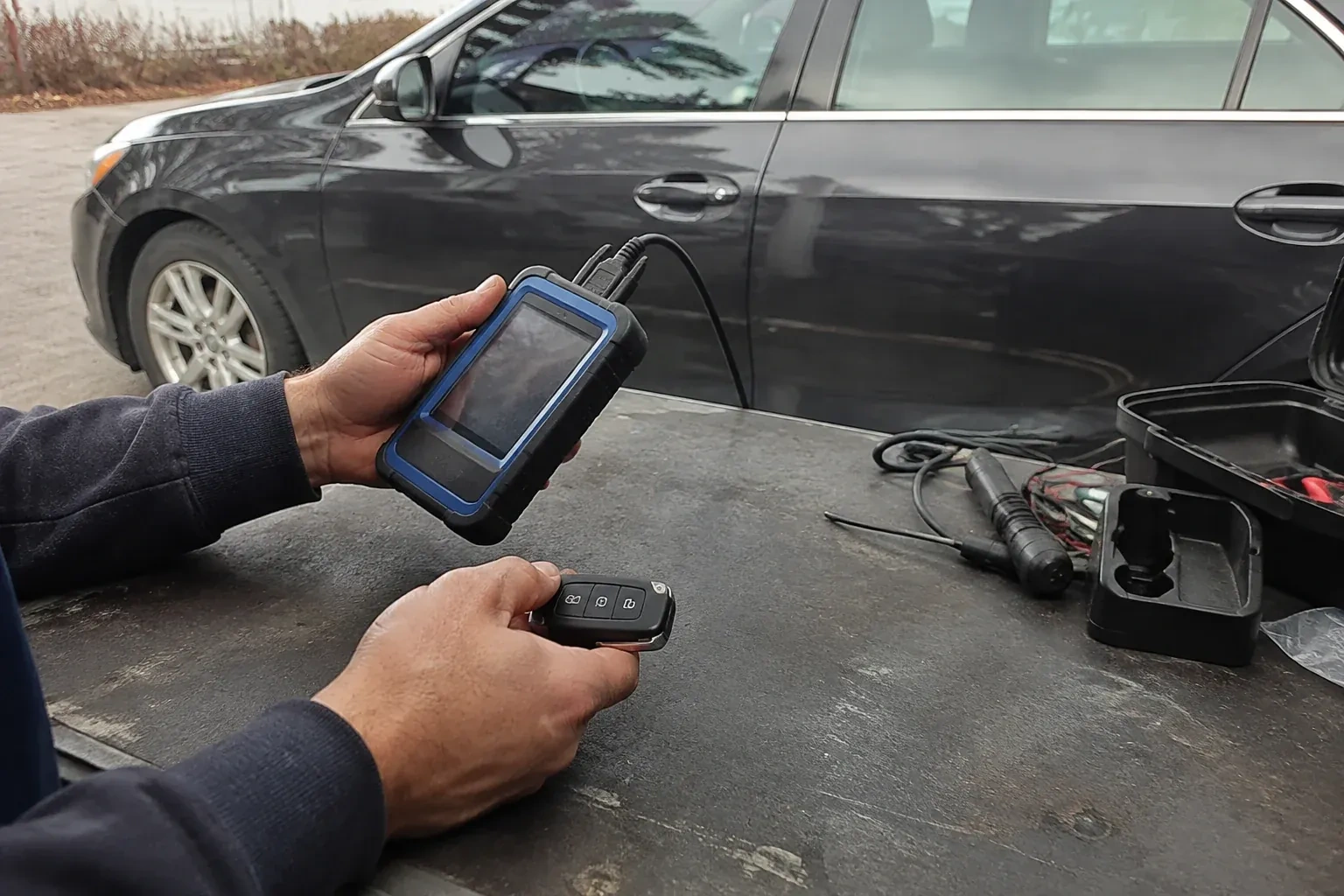
Yes. Adding a spare while every existing fob still works only involves registering the new one. A lost key involves that same registration plus removing the missing fob's authorization following that vehicle's own procedure, since leaving it active means whoever has it can still use it; some vehicles also relearn the fobs you keep, and a mechanical blade in the lost fob is ruled out by rekeying the matching lock. The two situations share a first step but not a last one.
Can a vehicle from before transponder keys were common have one added now?
It depends on the vehicle and what its factory ignition system supports; some older models can accept an aftermarket immobilizer and matching transponder key, while others were never built with a compatible module at all. This is worth discussing model by model rather than assuming either answer, since the mechanical side of an older ignition is often the easier half of that conversation.
Request a visit
A lockout in St. Jacobs is handled without drama. The locksmith confirms you belong there, then uses the least destructive method the lock allows, so the door and cylinder are usually intact when you walk through. Only when a lock has genuinely failed does he move to drilling, and then he replaces the cylinder and hands you fresh keys before leaving.