Locksmith in Winterbourne, OntarioLocksmith in Winterbournefor homes, shops and offices
Homes and businesses in Winterbourne have their own kinds of lock trouble, and we have built the company to handle both without treating either as an afterthought. Deadbolts, rekeys, high-security cylinders, storefront hardware, master key systems and safes, plus vehicle keys when a household needs one cut.
Homes and businesses in Winterbourne have their own kinds of lock trouble, and we have built the company to handle both without treating either as an afterthought. Deadbolts, rekeys, high-security cylinders, storefront hardware, master key systems and safes, plus vehicle keys when a household needs one cut.
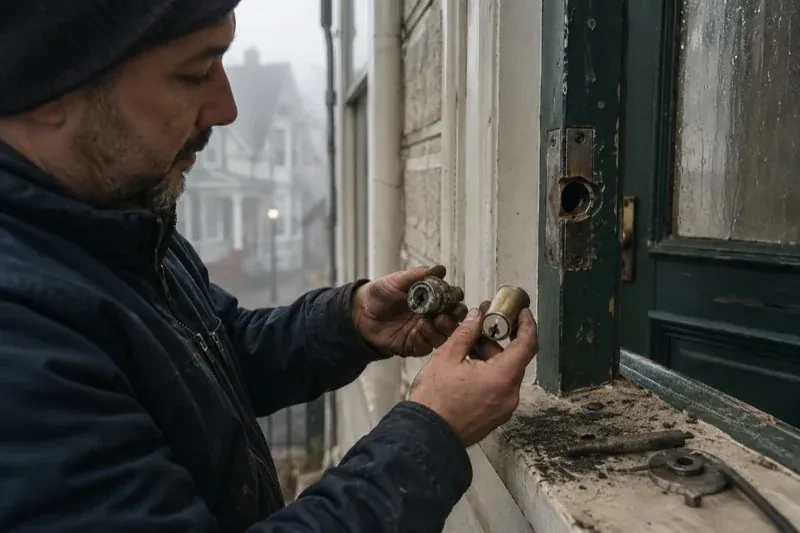
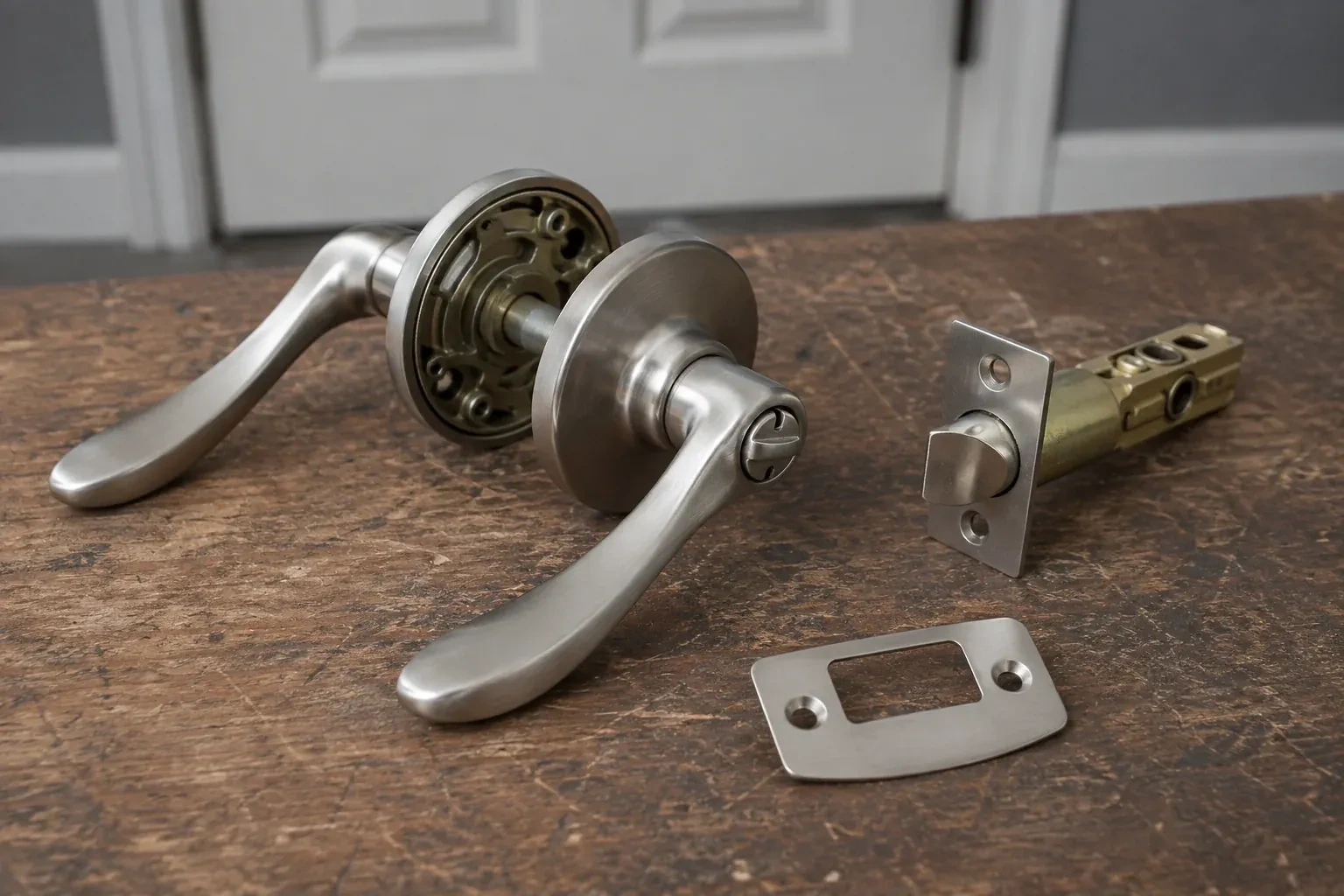
Old locks respected, new locks fitted right.
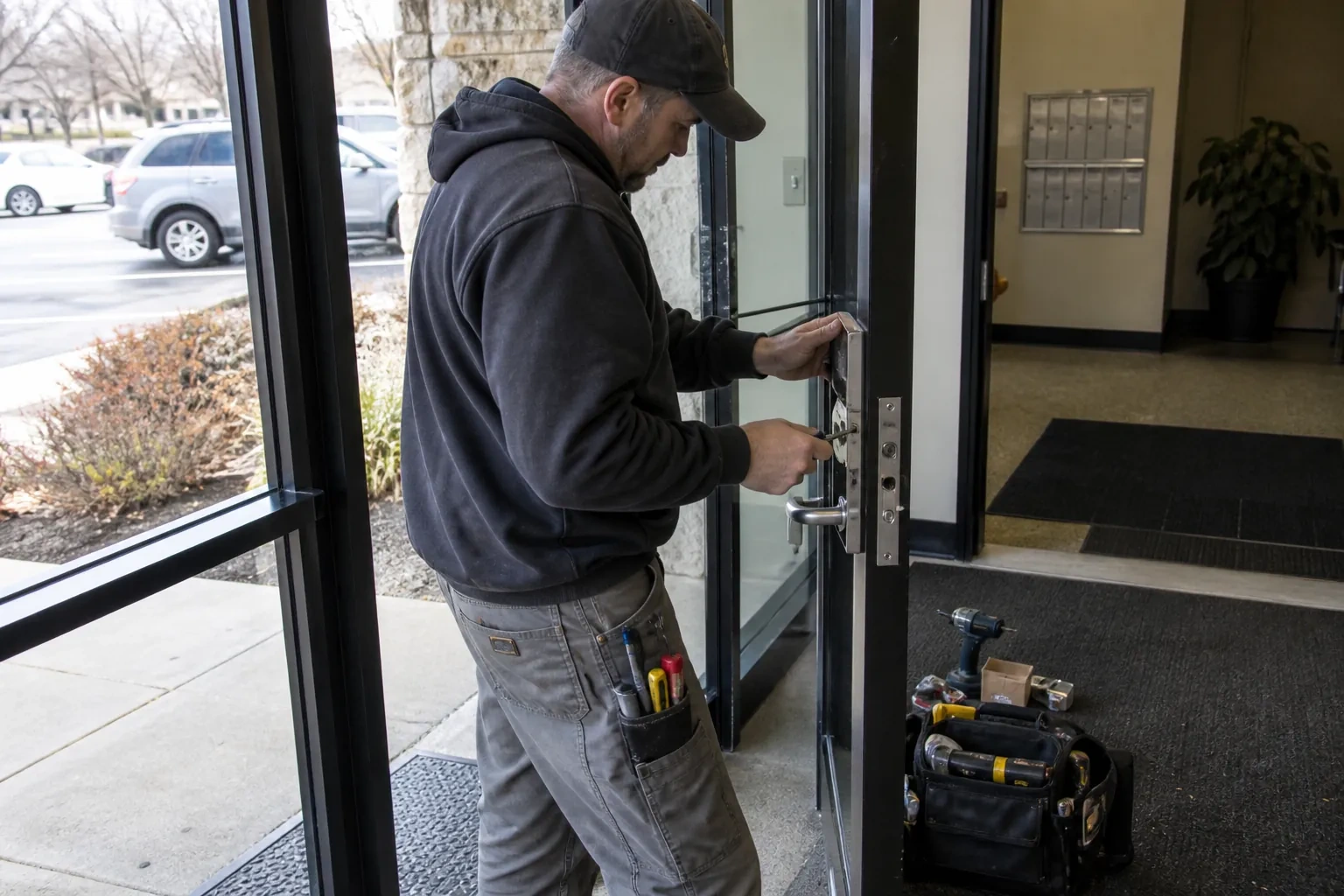
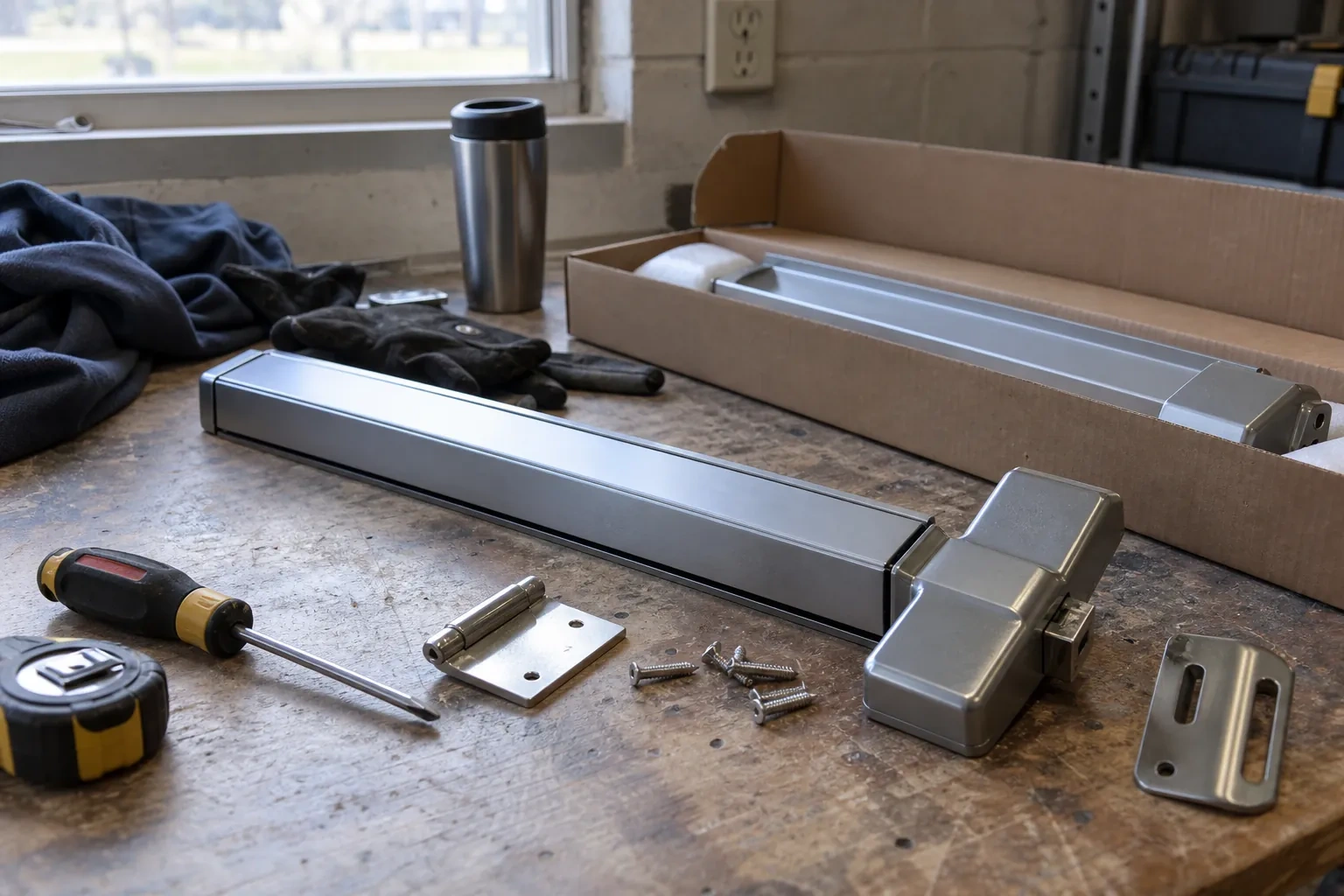
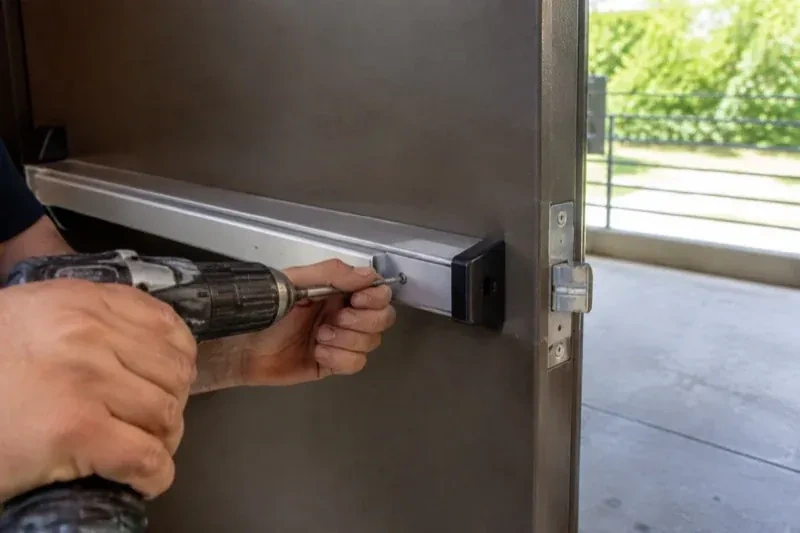
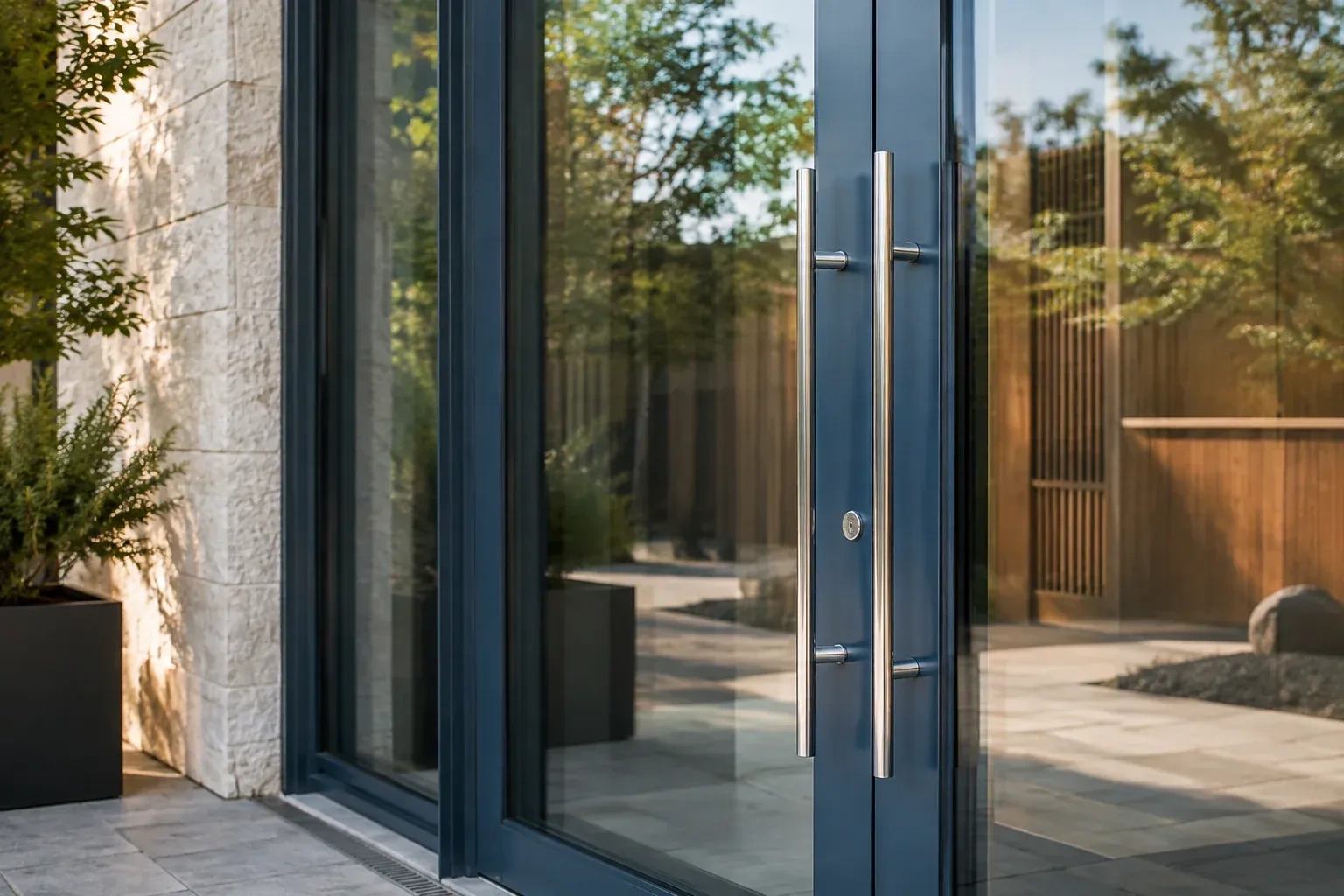
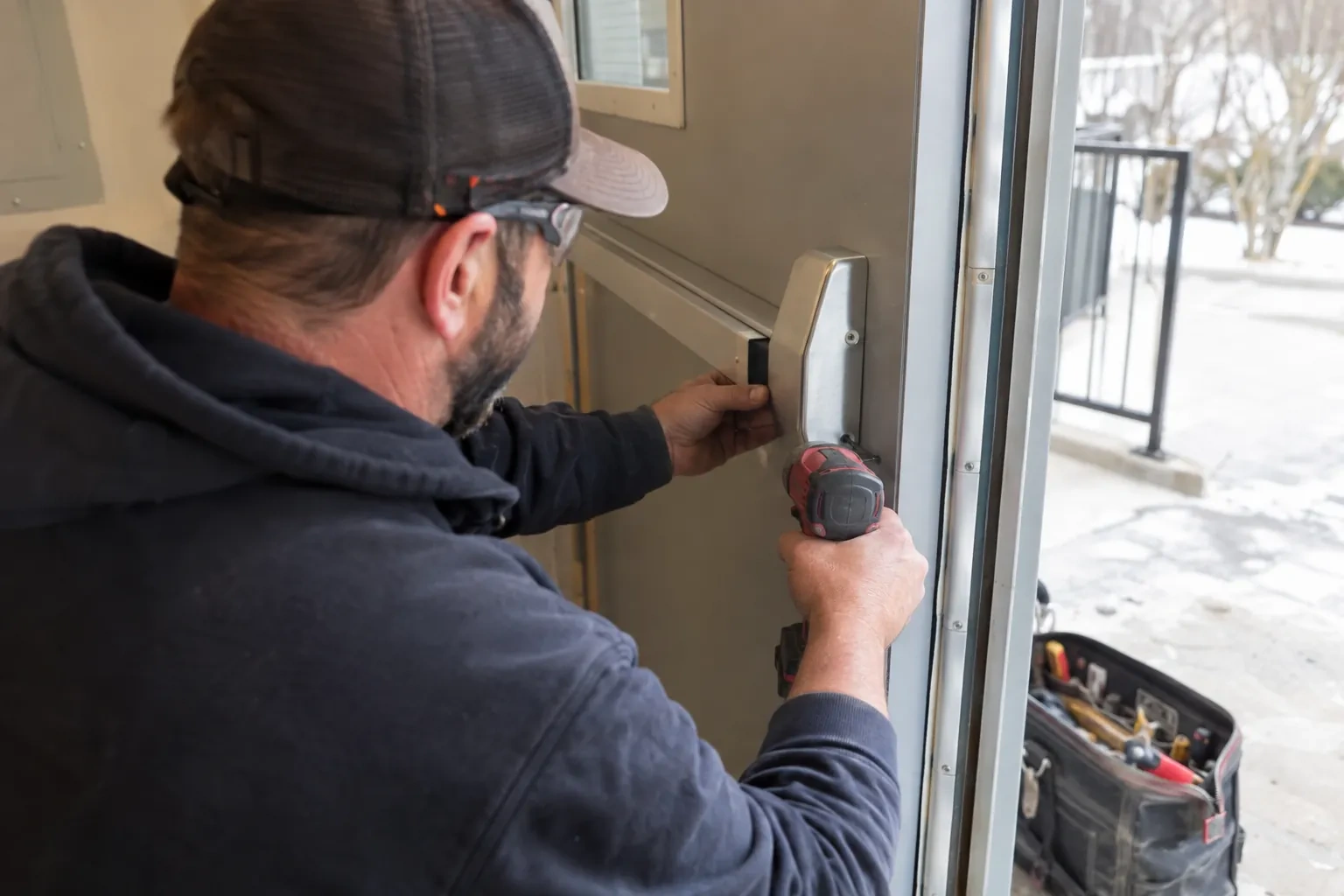
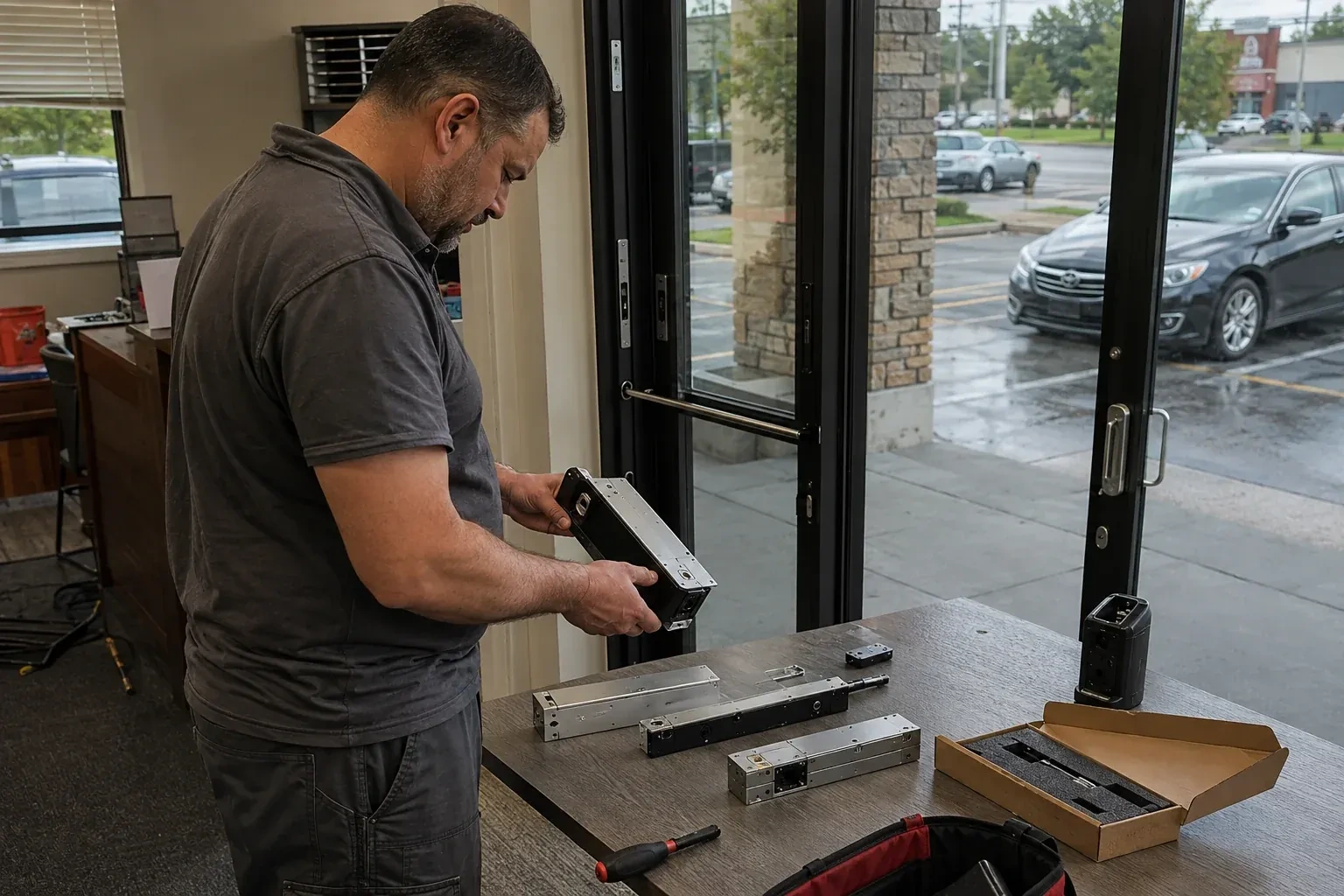
Commercial customers in Winterbourne get a locksmith who understands traffic. A storefront door swings hundreds of times a day, and hardware chosen for a house will not last on it. We fit closers, lever sets and exit devices built for that use, adjust them so the door latches on its own, and schedule a service visit before anything wears out.
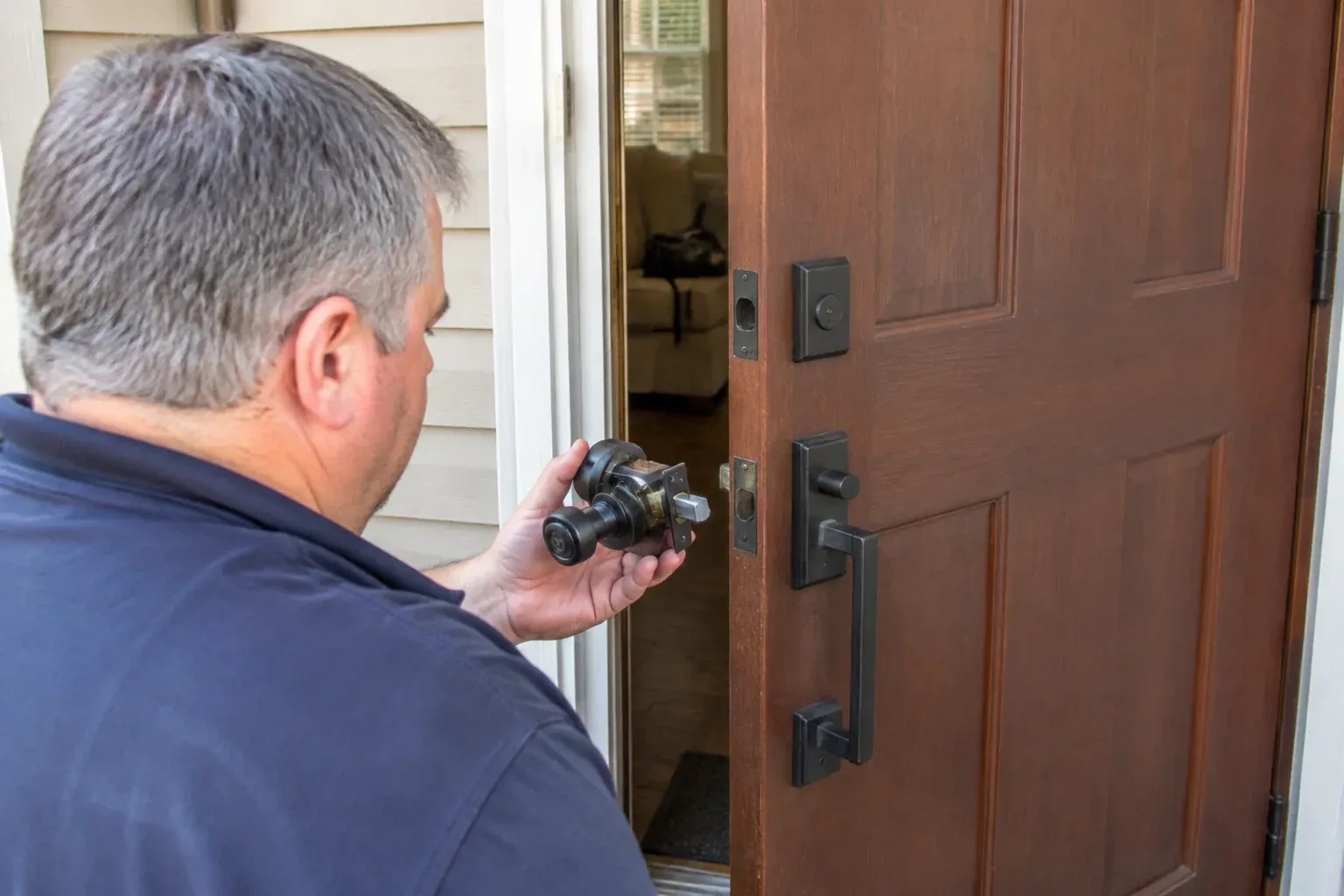
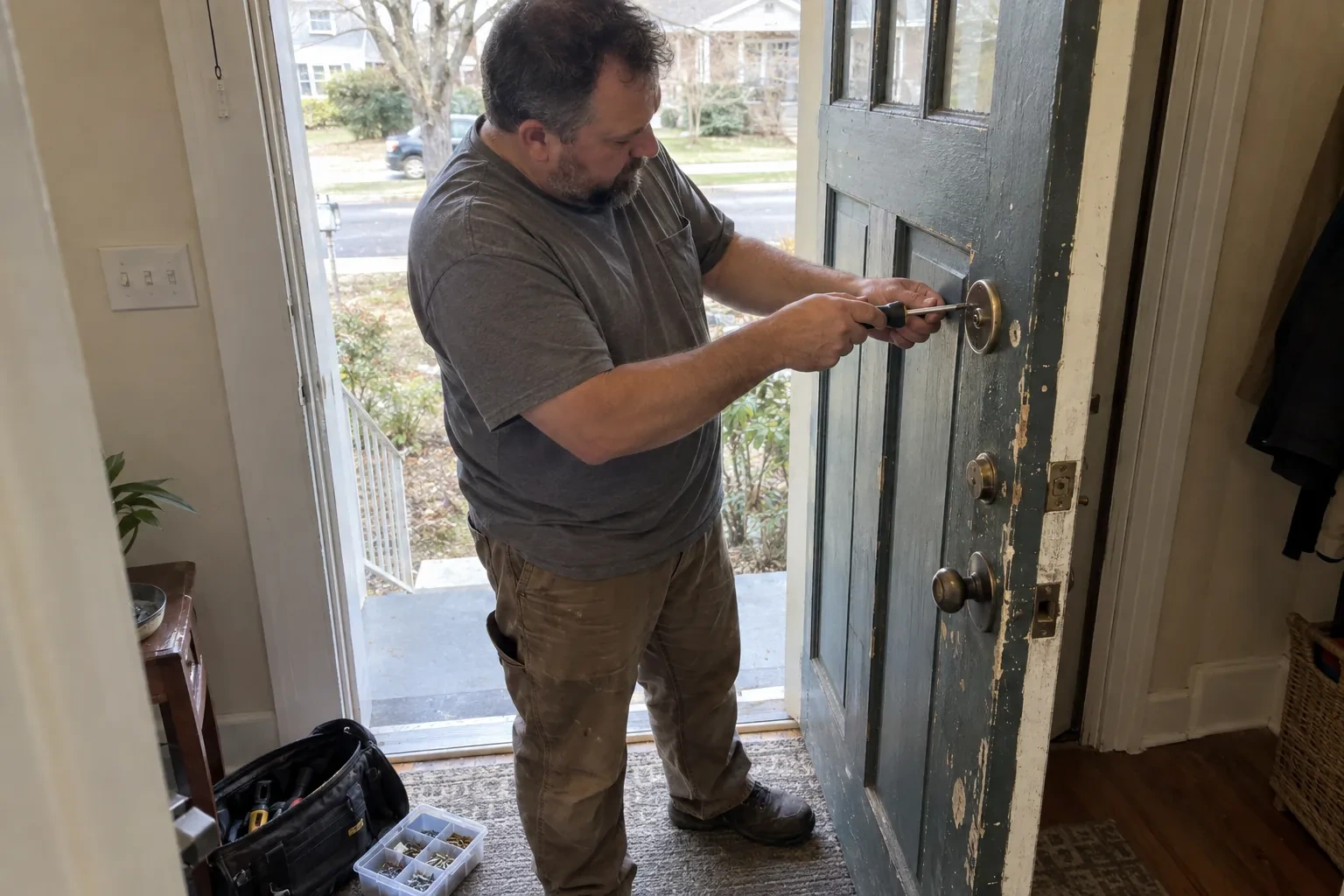
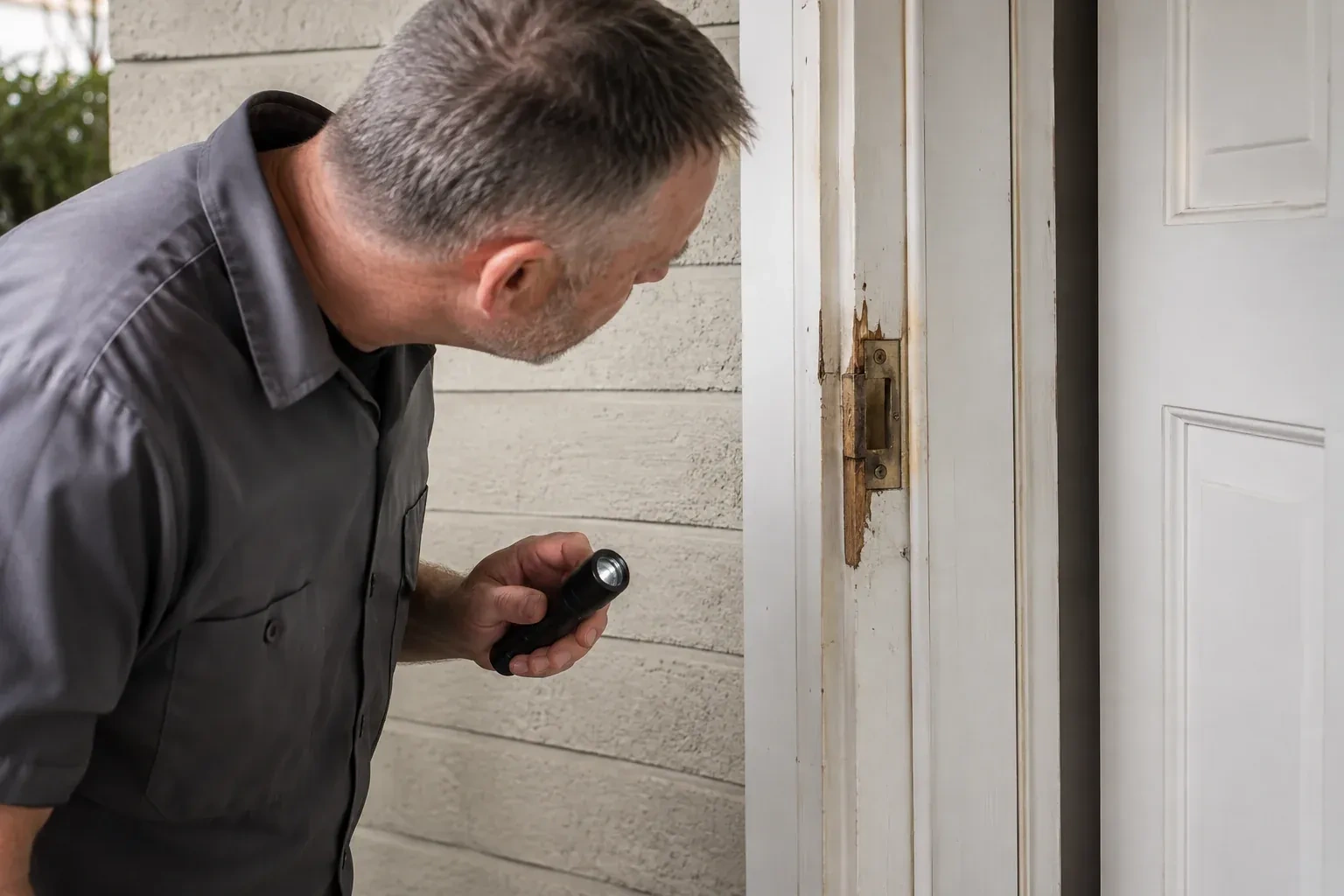
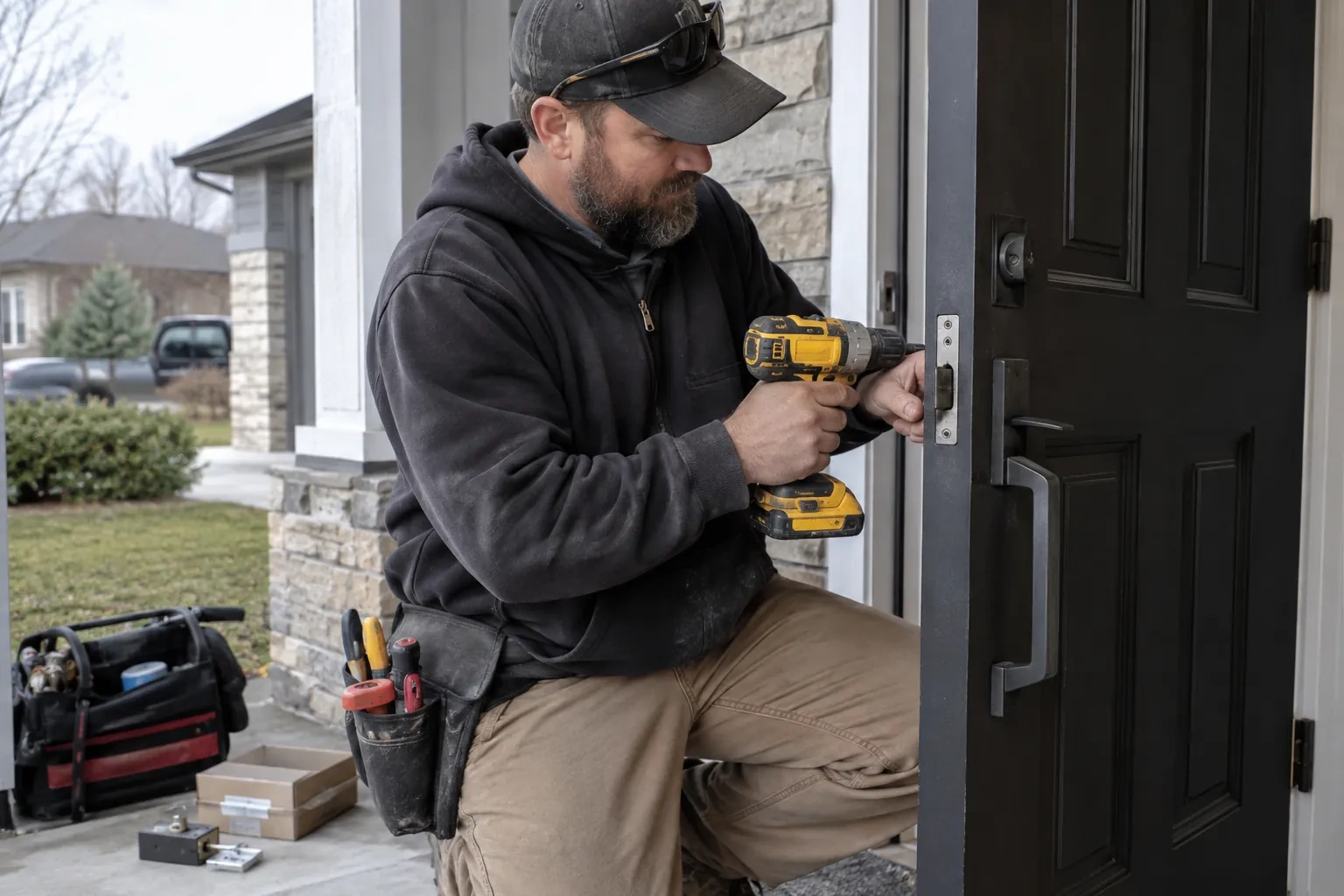
Century homes, post-war bungalows and new subdivisions in Winterbourne all end up asking the same question about their doors: is this lock enough? We answer it door by door, fitting graded deadbolts, patented cylinders and strikes screwed into the framing where they are needed, and leaving the doors that are already sound alone. Ownership is confirmed first, and the work is done without a mark on the trim.
30years in business
24/7open every day
You know what is happening. From the first look to the last turn of the key, we narrate the job in plain terms. You should never wonder what we are doing to your door.
Suggestions, not pressure. If we think an upgrade would help, we say so once and explain why. If you decline, that is the end of it.
The old parts handled. Removed locks and keys are given to you or taken away as you prefer. Old keys that no longer work are worth destroying, and we will do that if you like.
For people in Winterbourne who like to know before they call: these pages describe each lock service in detail, from the routine rekey to the less common safe opening or master key design. They explain the steps, the parts involved and the decisions you may be asked to make on the day.
About 47% of homes in Woolwich were built in 1980 or earlier, according to the 2021 Census.
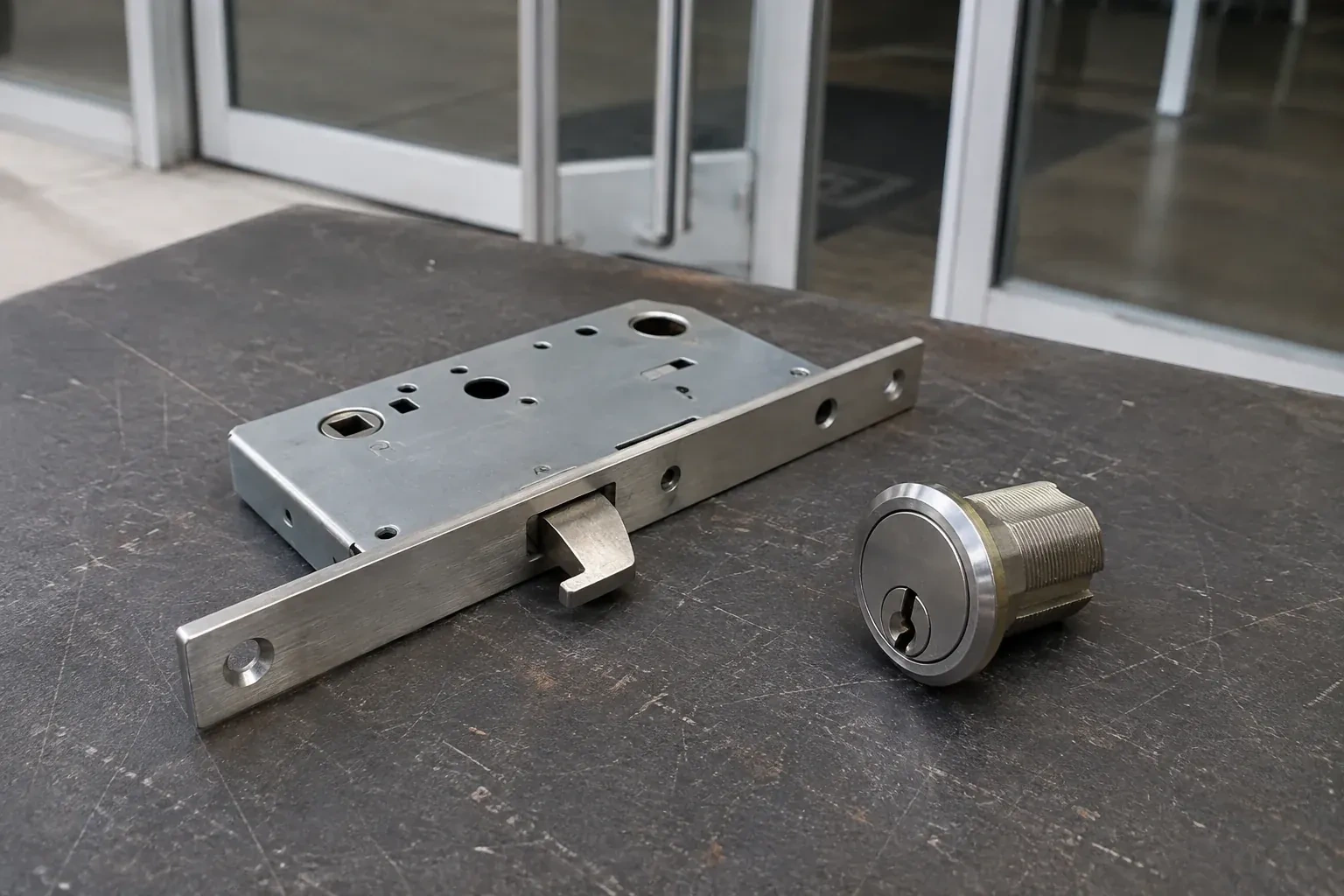
Mixed housing stock keeps a locksmith versatile. A morning might be a heritage mortise lock rebuilt and an afternoon a smart lock paired to a phone on a steel door. The same care goes into both, with tools and parts for each.
Single-detached houses make up about 76% of homes in Woolwich (2021 Census).
Mostly houses
Detached homes are exposed to weather on every side, so exterior locks see rain, salt and freezing air directly. Choosing hardware with a good finish and a cylinder that tolerates cold, then lubricating it properly, keeps every door turning through winter.
The key slides in and turns all the way round, but the bolt stays put. There is no click, no resistance, just a key spinning in a lock that has stopped listening to it after years of daily use.
You bought a keypad deadbolt online and pulled the old one off, only to find the hole in the door is a different size and the bolt latch sits at a backset the new kit does not list. The door is now open and the box is on the counter.
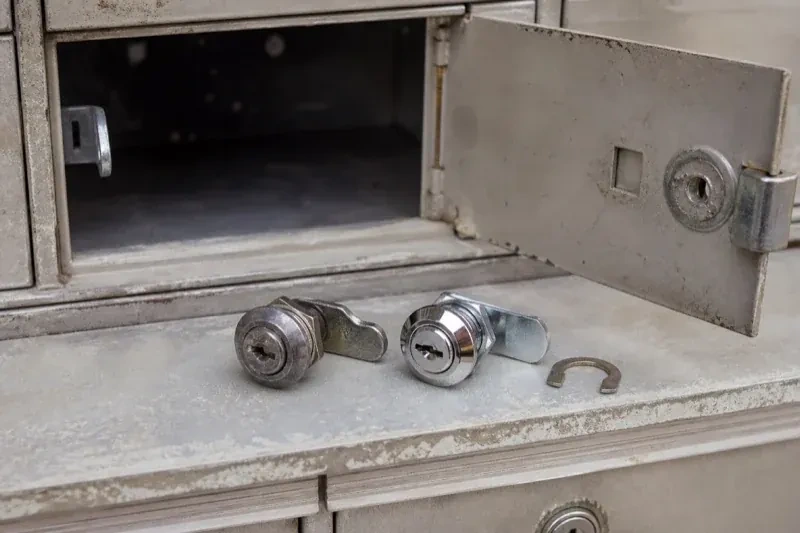
After a winter of road spray and salt, the little lock on the mailbox door has gone stiff, then gritty, then almost immovable. Rust has crept in around the keyway, and the key barely turns anymore no matter how it is worked.
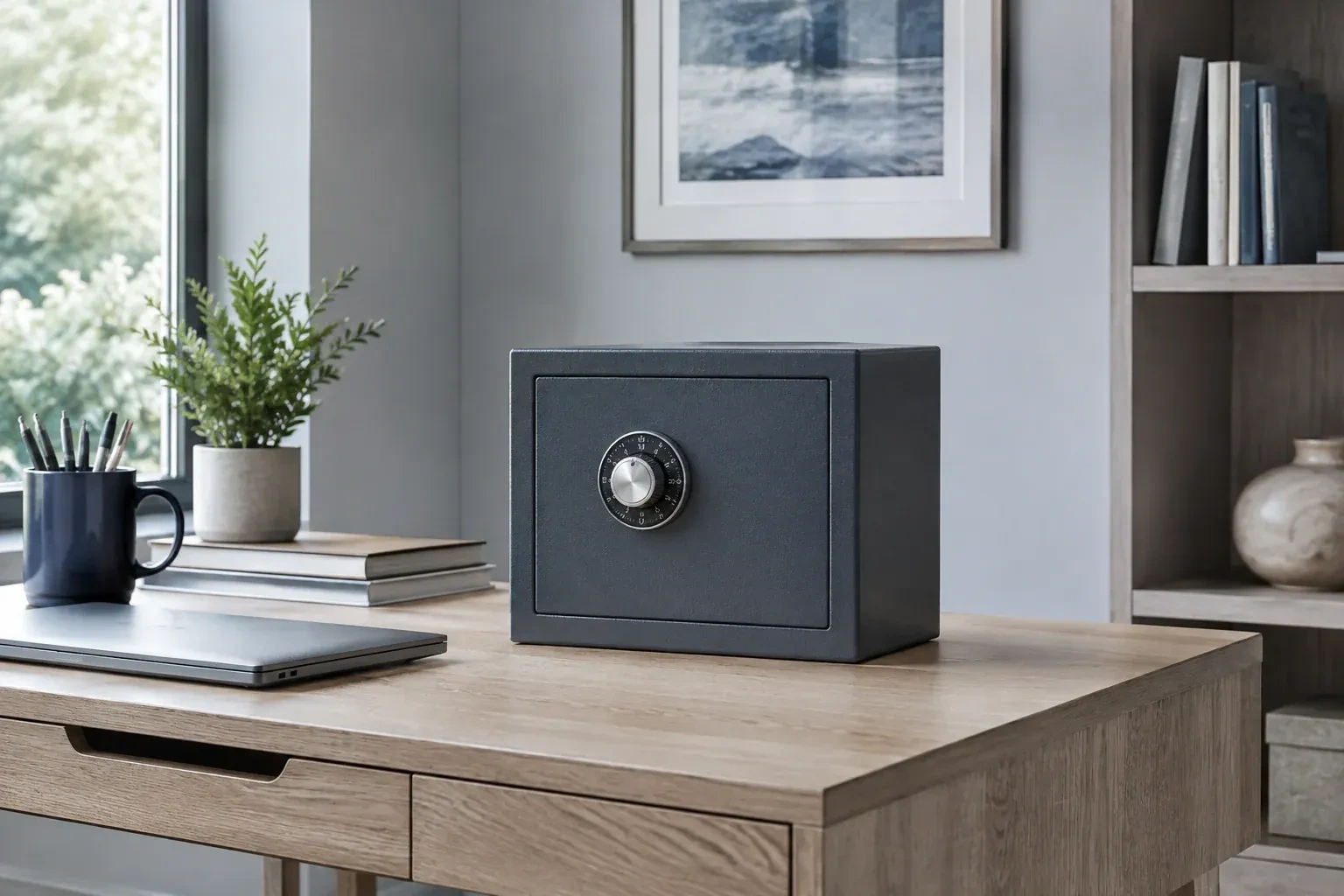
A safe sat in a late parent's basement for years, its combination known to nobody left in the family, and everyone would like to know what is actually inside it.
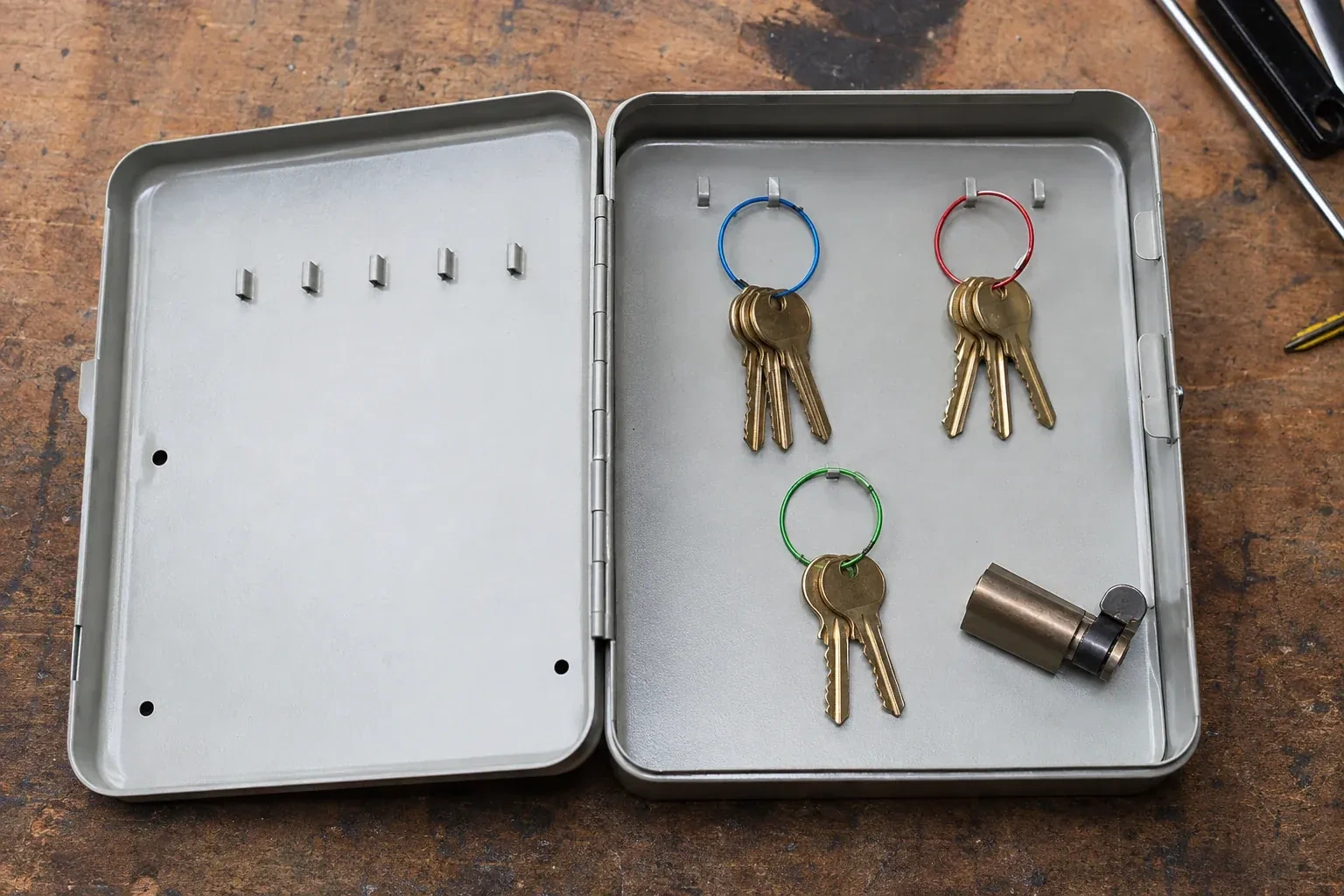
The drawer behind the counter holds a tangle of keys with tape labels: front old, side, Dave. Some open things, some open nothing, and the hardware-store copies mean the true count drifted long ago past anything written down.
The new wing was built with its own brand of cylinder, so the two-year-old keys from the original building do not open a single door in the addition. Staff are now carrying two separate key rings just to move around one workplace.
The daycare wants the yard gate and the classroom door alarmed so a staff member hears the moment it opens, without turning either into something a child could be shut behind.
A fob went missing weeks ago somewhere between a coat pocket and a parking lot, and a spare has covered the gap since. Everything still opens and starts without trouble, which is exactly the concern: wherever that missing fob ended up, it may still work too.
The remote fob has gone silent, the doors won't unlock with a button press, and the little emergency blade tucked inside it has not been used since the day the car was bought. Nobody remembers exactly where the metal edge is supposed to go once it's out.
A business needs its doors to open reliably for the right people and stay shut for everyone else, every day, without fuss. That is the whole brief for commercial work, and the pages here show how rekeying, master keying and access control each serve it.
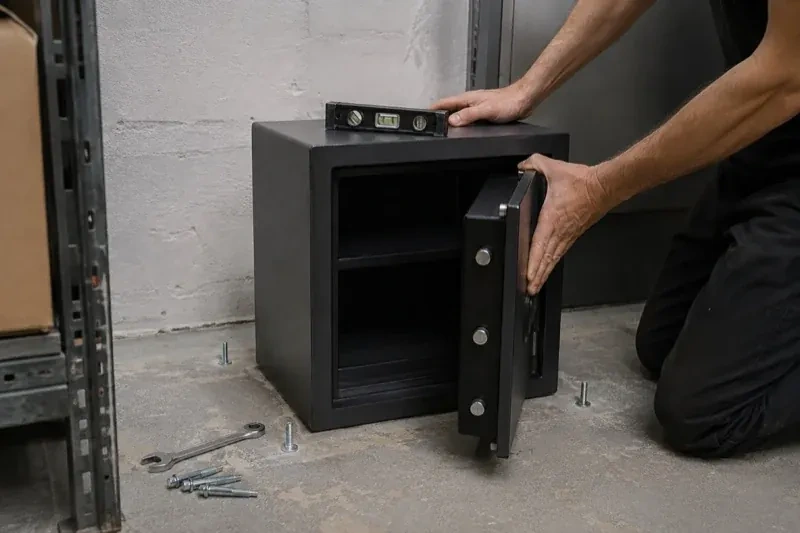
The office is moving three blocks over, and the old commercial safe that has sat bolted to the concrete for fifteen years now needs to come out, travel across town, and go back down just as solidly.
Which fix fits?
The key slides in and turns all the way round, but the bolt stays put.
You bought a keypad deadbolt online and pulled the old one off, only to find the hole in the door is a different size and the bolt latch sits at a backset the new kit does not list.
WhyIn a condo or apartment building, a single failing compartment often turns into several once a property manager starts asking around, and this service scales either way.
A safe sat in a late parent's basement for years, its combination known to nobody left in the family, and everyone would like to know what is actually inside it.
WhyBeyond convenience, master key system design is a security decision.
The daycare wants the yard gate and the classroom door alarmed so a staff member hears the moment it opens, without turning either into something a child could be shut behind.
WhyWhere the fobs currently stand decides how the visit unfolds.
The remote fob has gone silent, the doors won't unlock with a button press, and the little emergency blade tucked inside it has not been used since the day the car was bought.
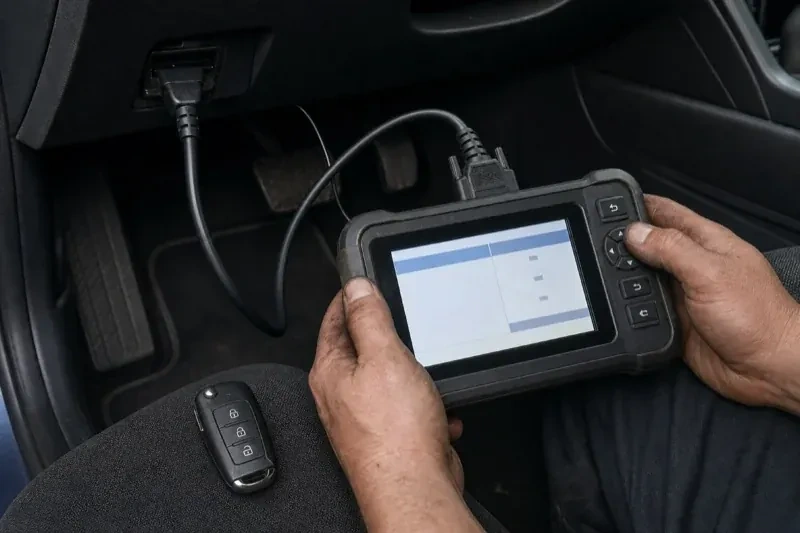
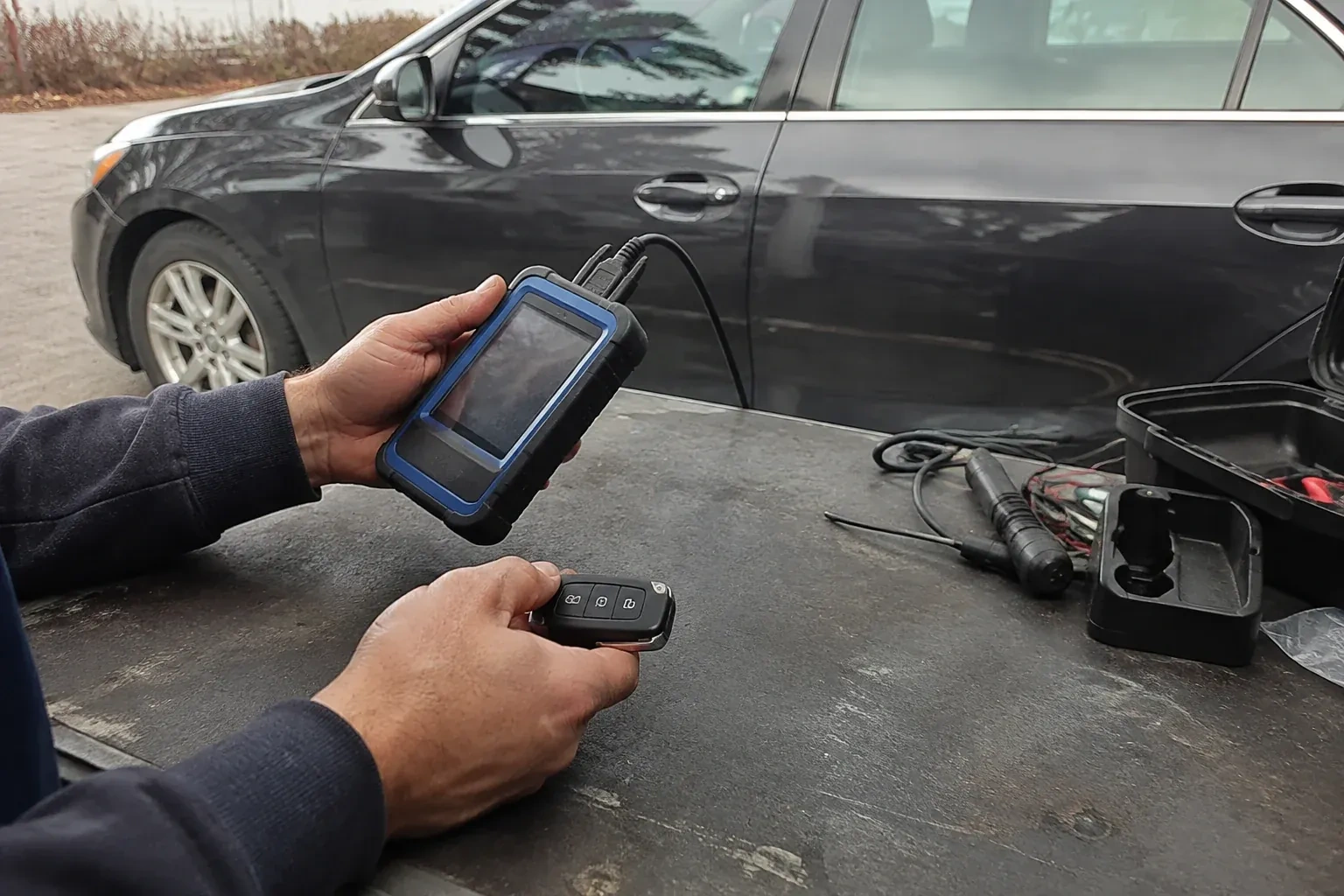
WhyTransponder key programming is the step that teaches a vehicle's immobilizer to recognize a key's chip so the engine agrees to start, separate from cutting the metal blade that opens the door.
How a visit goes
Describe the property, the hardware and what has changed, and the visit starts from what you have seen.
1
2
3
01
Deciding what to replace
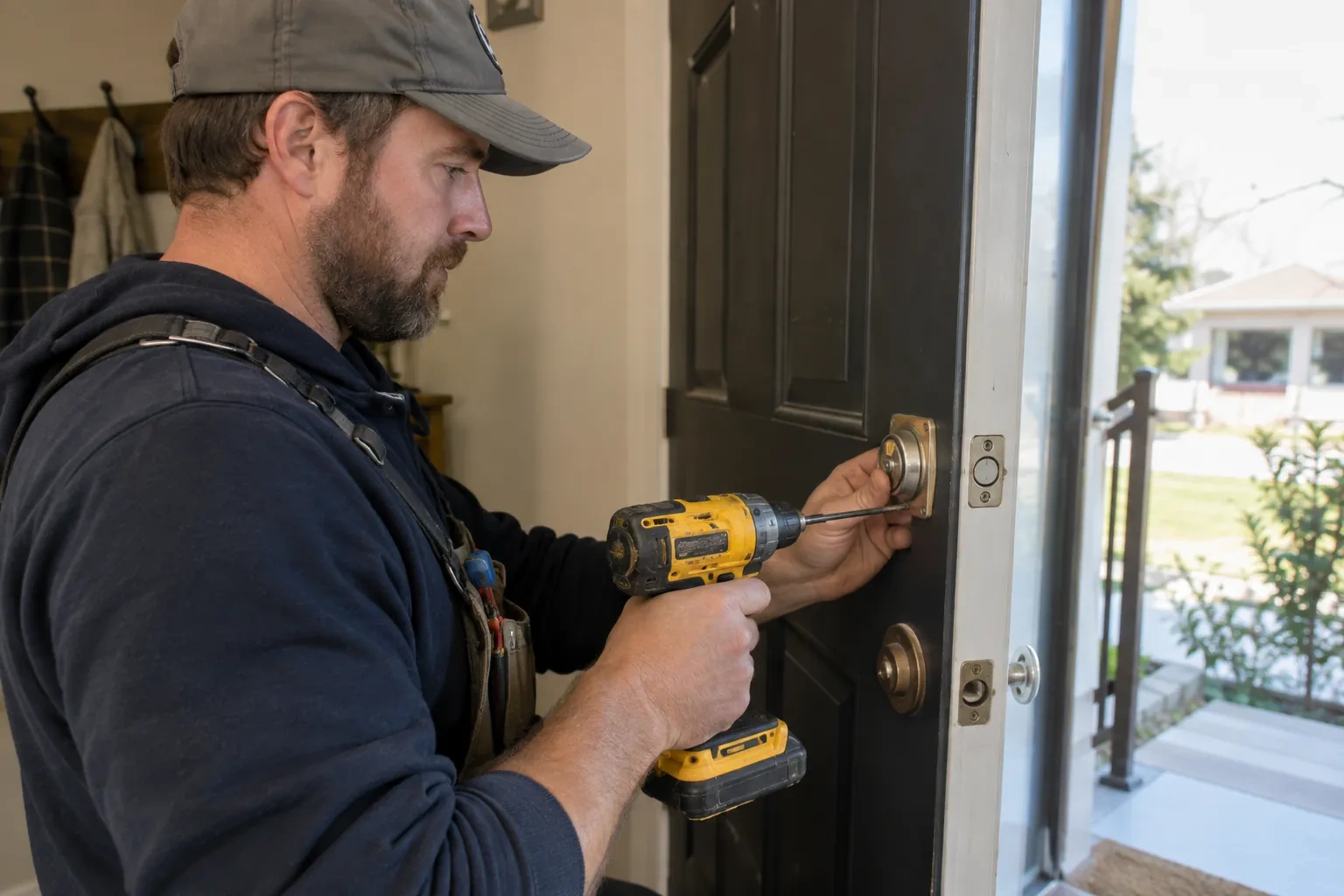
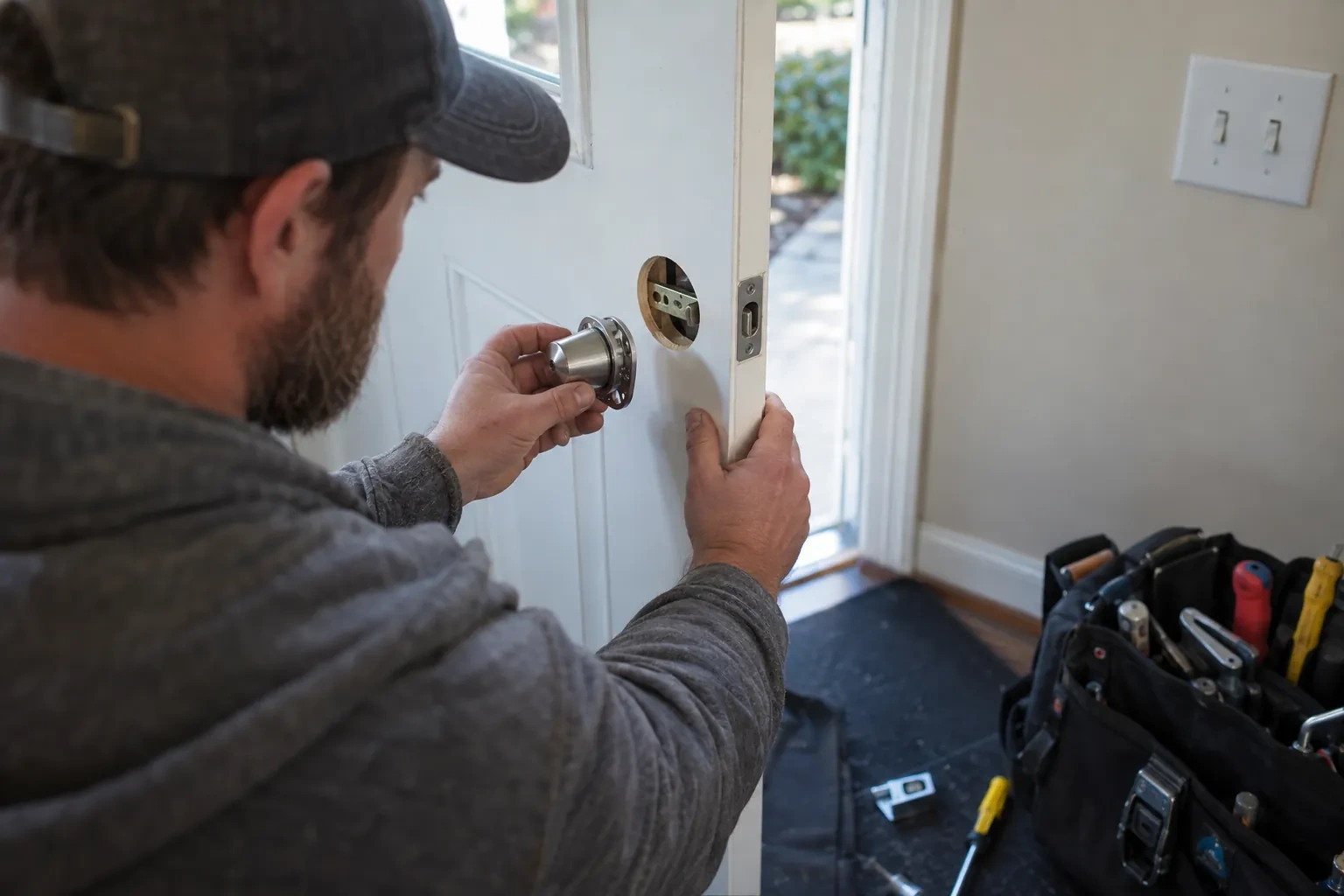
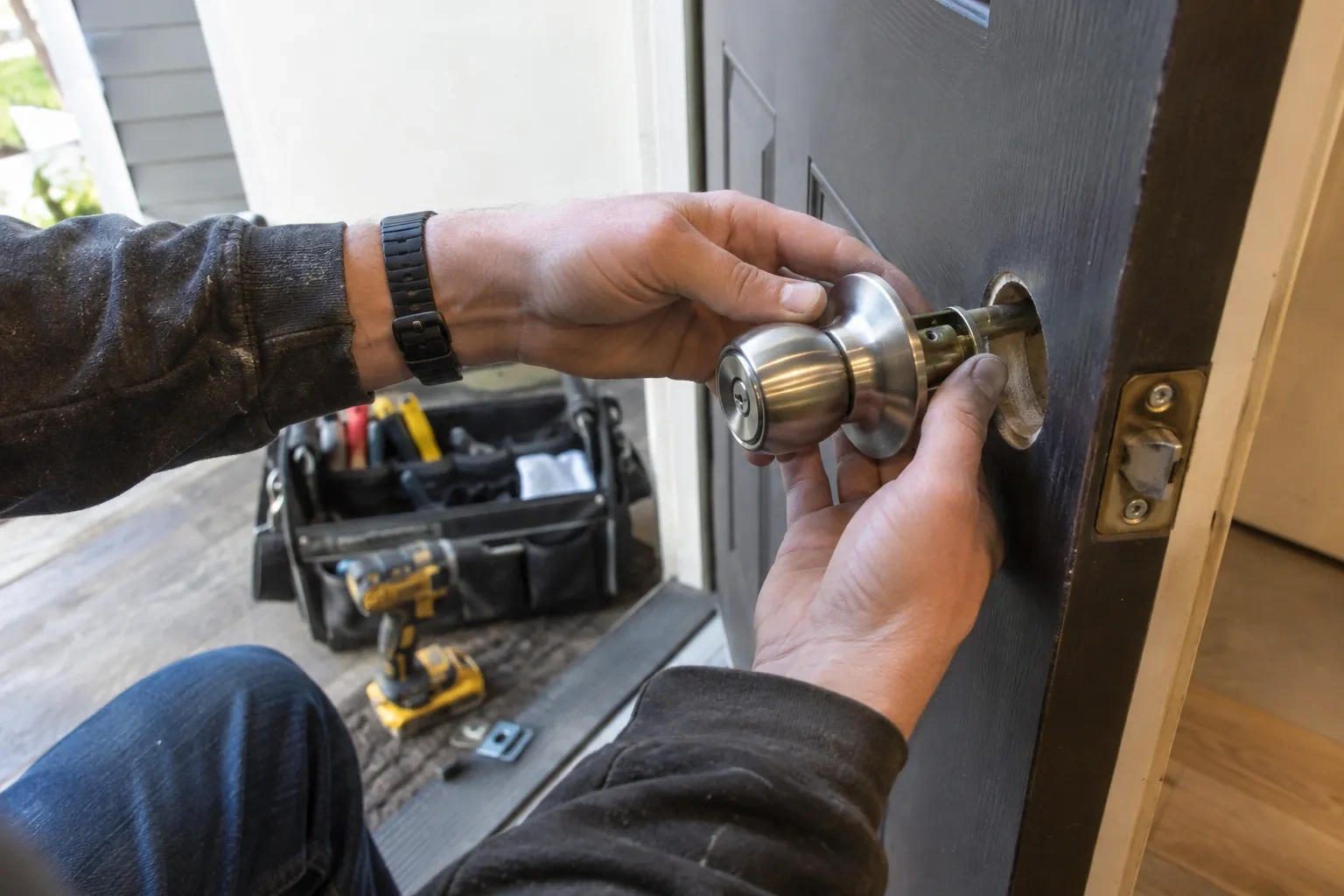
We look at the existing lock, the door thickness and the holes already drilled. Sometimes a new cylinder is enough; sometimes the whole lockset has earned its retirement.
02
Fitting the new hardware
The new lock goes in with the strike adjusted so the bolt throws fully. If the old holes need filling or enlarging, that is done neatly.
03
Checking fit and finish
We test the lock with the door open and closed, from both sides, check the key turns without effort and clean up the doorstep before leaving.
My lock is a high-security model. Can it still be opened?
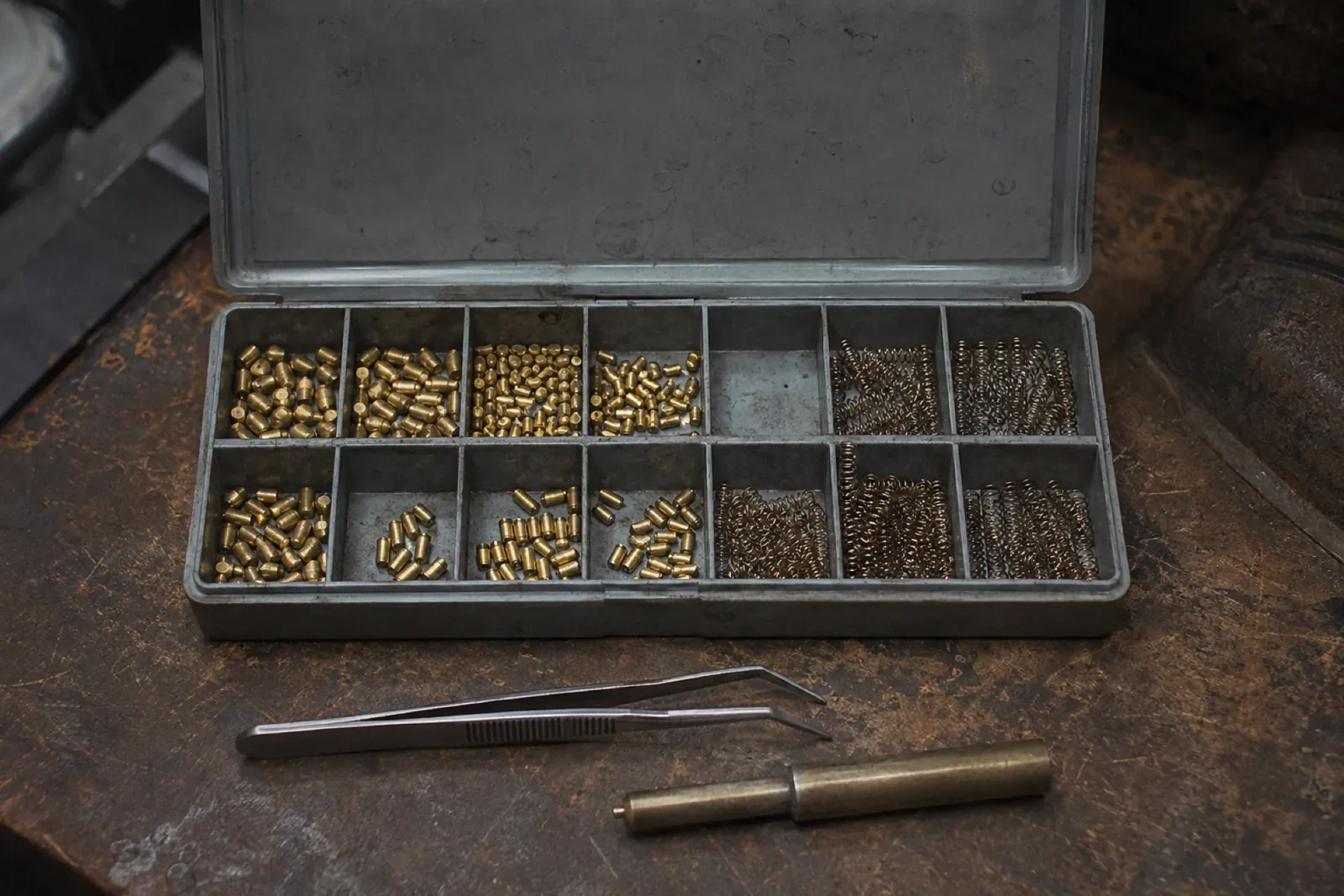
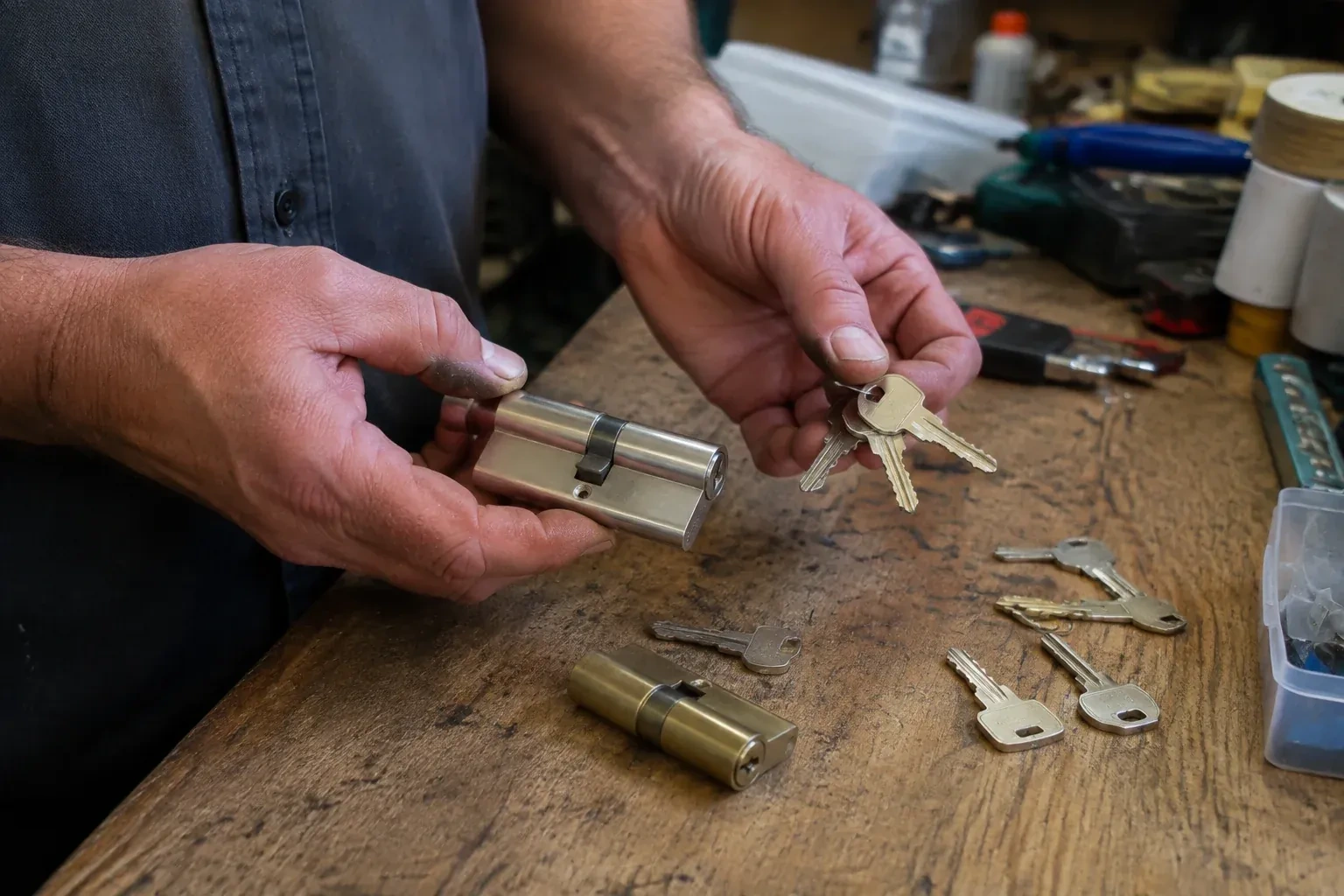
Yes. High-security cylinders with security pins, sidebars or restricted keyways are designed to slow an intruder, and they do slow a locksmith too, but they open with the right technique, a decoder made for that keyway, or as a last resort a precise drill through the cylinder followed by a like-for-like replacement. Bring any key card or code card that came with the lock, since restricted keys are cut from those records rather than copied.
I just moved in. Should the new deadbolt be keyed to a new key?
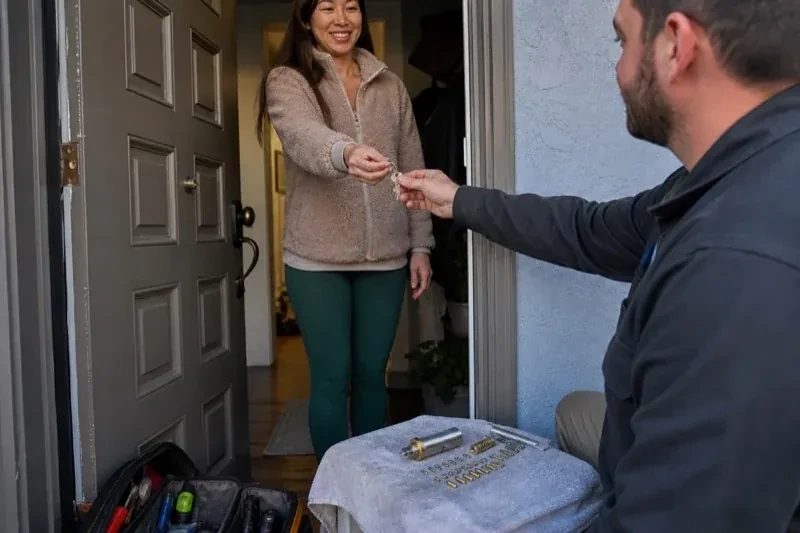
It is a good moment for it. Nobody knows how many copies of a previous owner's key exist, so pinning the new bolt, and the rest of the exterior doors, to one fresh key retires all of them at once. Lock manufacturers list a move as one of the main reasons to rekey. You come away with a known number of keys, each tested in every door it is meant to open.
Does road salt or winter weather affect these small locks?
It does. Outdoor cam locks sit exposed to spray, salt, and repeated freezing all winter, which corrodes the small internal parts faster than indoor hardware and can leave a keyway gritty or a cylinder stiff well before it actually fails. Whatever lubricant that cylinder's own maker specifies, used once or twice a year, helps a replacement lock last through more winters.
Do you need to see proof that I own the safe before opening it?
Yes, and it is meant as a protection rather than a hurdle. For a business, identifying yourself as the owner, manager or an authorized employee is usually enough. For an estate, a secondhand purchase or a change of ownership, a bill of sale, transfer document or executor's paperwork fills the same role. This step protects whoever actually has a claim on what is inside the safe, which includes you.
What do you do with the old keys?
They are gathered, tested at each rekeyed door to confirm they no longer work, and then cut through so they can never be used or copied. You can keep the pieces or the locksmith takes them away. Any old key that still operates a door you chose to leave unchanged is handed back and noted on the chart, so it is clear which keys remain live and which are scrap.
What is tested before the keys are handed over?
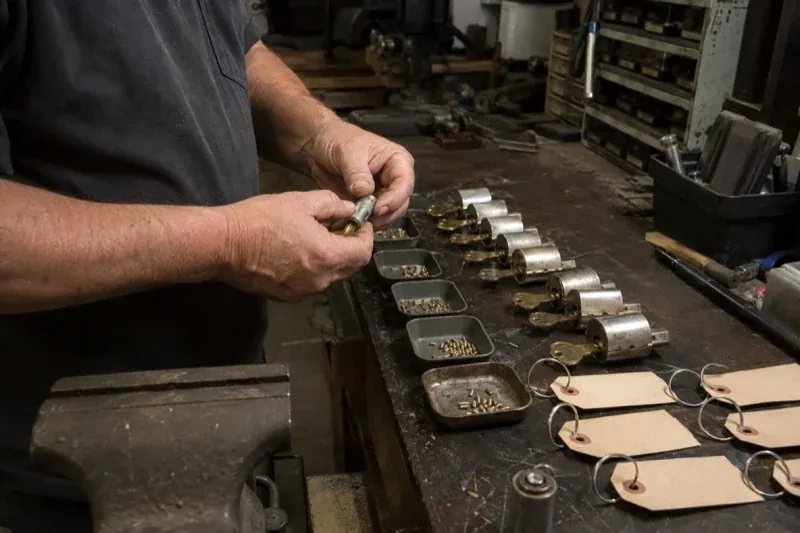
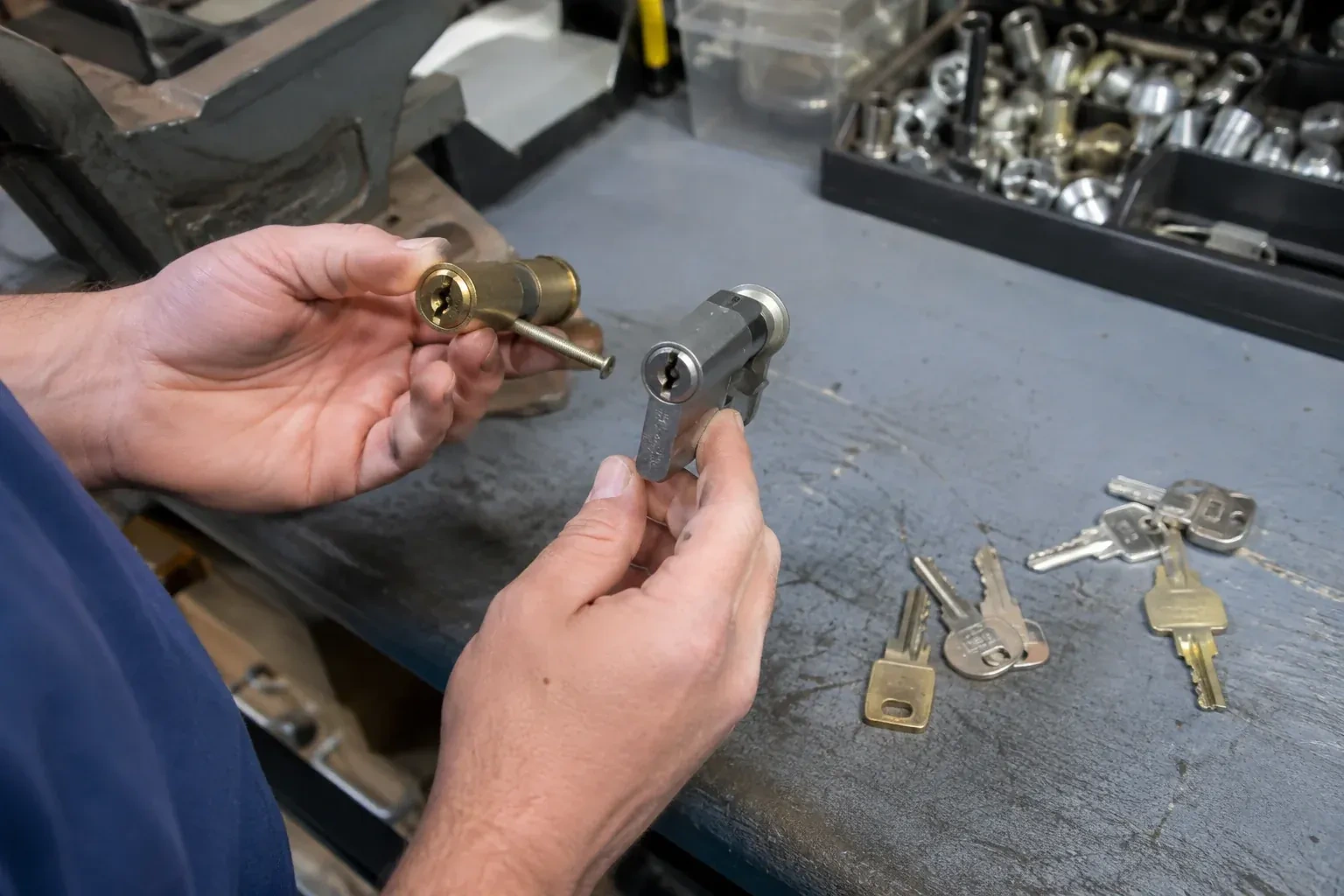
Every cylinder is tested on the bench against its assigned keys, then again once installed: the change key on its own door, the relevant sub-master across its whole group, and the top-level master across every door in the system. Any lock that responds to a key it should not is corrected before handover rather than left for the owner to discover later.
What counts as panic hardware?
Panic hardware is a door-latching device, usually a crossbar or touchpad running most of the door's width, that releases the latch the moment someone pushes on it from the inside. It is built and tested so a light, even push anywhere along the bar opens the door, which is why it is chosen for doors serving rooms with enough people that fumbling for a key during an exit is not acceptable.
Is fixing a lost key different from just adding a spare?
Yes. Adding a spare while every existing fob still works only involves registering the new one. A lost key involves that same registration plus removing the missing fob's authorization following that vehicle's own procedure, since leaving it active means whoever has it can still use it; some vehicles also relearn the fobs you keep, and a mechanical blade in the lost fob is ruled out by rekeying the matching lock. The two situations share a first step but not a last one.
Can a vehicle from before transponder keys were common have one added now?
It depends on the vehicle and what its factory ignition system supports; some older models can accept an aftermarket immobilizer and matching transponder key, while others were never built with a compatible module at all. This is worth discussing model by model rather than assuming either answer, since the mechanical side of an older ignition is often the easier half of that conversation.
Request a visit
Commercial customers in Winterbourne get a locksmith who understands traffic. A storefront door swings hundreds of times a day, and hardware chosen for a house will not last on it. We fit closers, lever sets and exit devices built for that use, adjust them so the door latches on its own, and schedule a service visit before anything wears out.