Locksmith in Maryhill, OntarioLocksmith in Maryhillfor homes, shops and offices
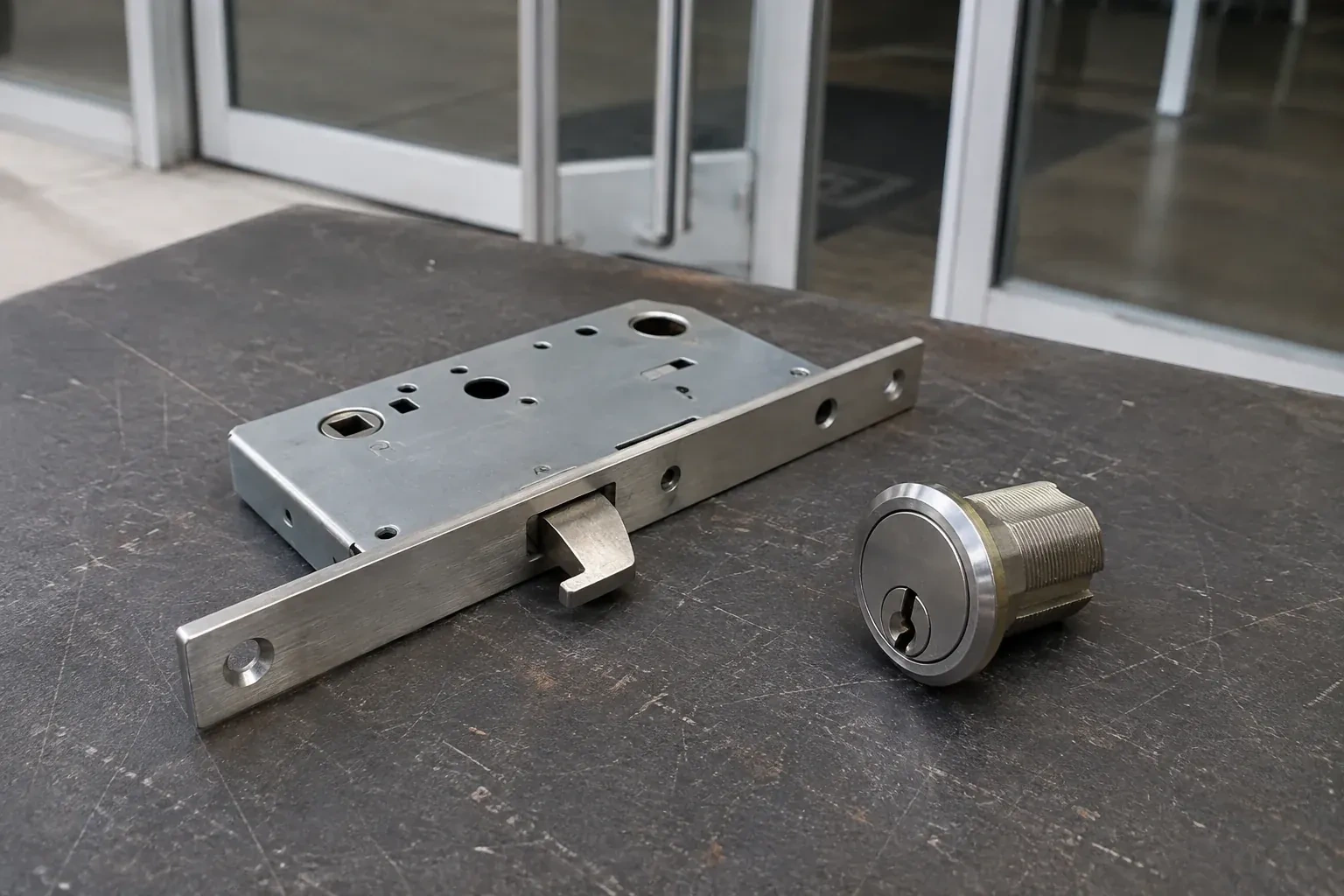
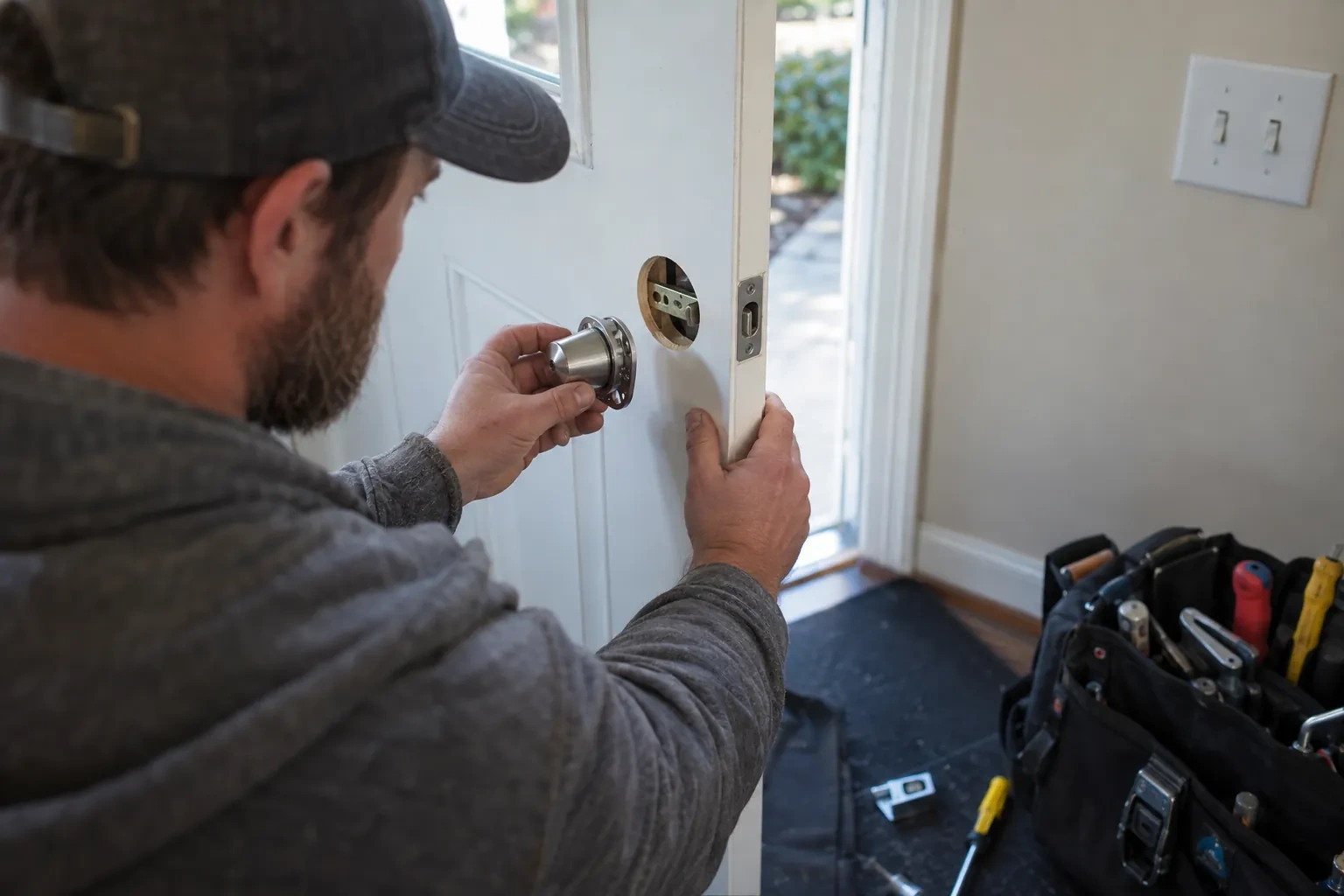
Homes and businesses in Maryhill have their own kinds of lock trouble, and we have built the company to handle both without treating either as an afterthought. Deadbolts, rekeys, high-security cylinders, storefront hardware, master key systems and safes, plus vehicle keys when a household needs one cut. Calls from Weissenburg and Ariss are covered too.
Homes and businesses in Maryhill have their own kinds of lock trouble, and we have built the company to handle both without treating either as an afterthought. Deadbolts, rekeys, high-security cylinders, storefront hardware, master key systems and safes, plus vehicle keys when a household needs one cut. Calls from Weissenburg and Ariss are covered too.
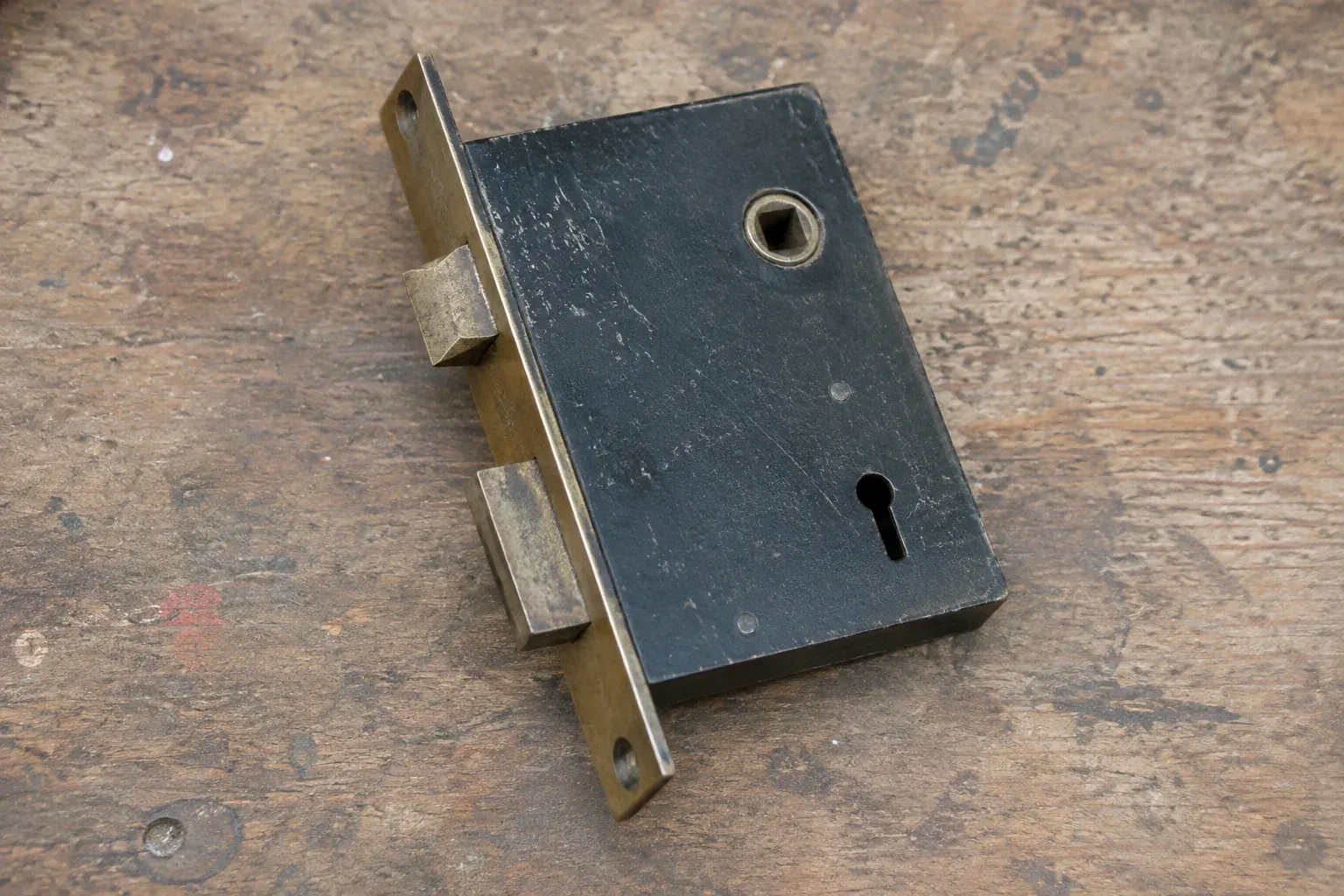
Old locks respected, new locks fitted right.
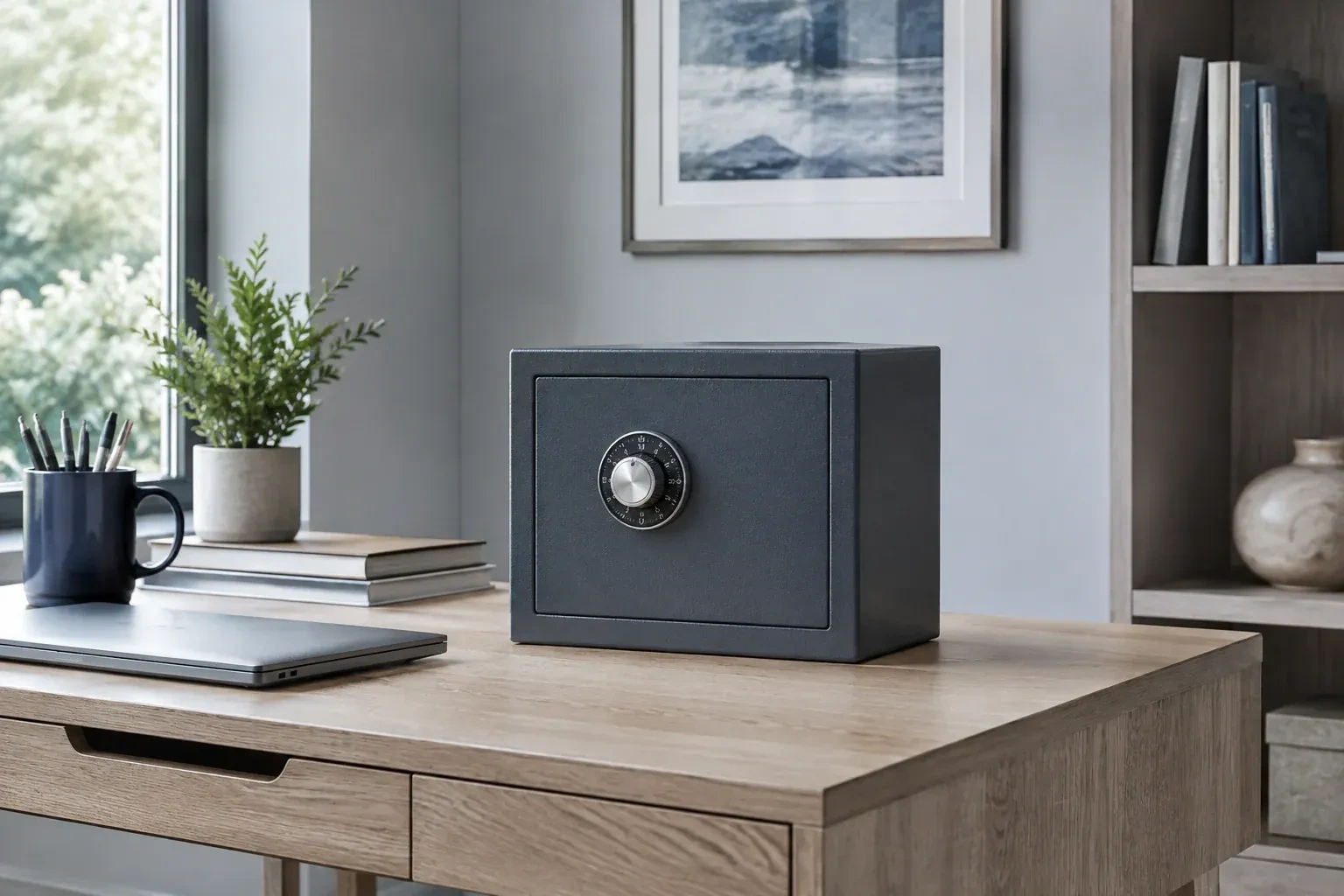
A safe in Maryhill is opened with patience rather than force. The locksmith identifies the make and mechanism, tries the non-destructive routes first, and only cuts when nothing else will work, in a spot that can be repaired so the safe keeps working. Afterwards he resets the combination or replaces the lock and shows you how to keep it turning.
Tenants and landlords in Maryhill both call us about locks, and the good practice is the same: the owner agrees to changes, the keys are accounted for and the hardware stays in good order. We help with rekeying at turnover, replacing worn locks and adding a thumb-turn inside so everyone can leave without hunting for a key.
30years in business
24/7open every day
You know what is happening. From the first look to the last turn of the key, we narrate the job in plain terms. You should never wonder what we are doing to your door.
Suggestions, not pressure. If we think an upgrade would help, we say so once and explain why. If you decline, that is the end of it.
The old parts handled. Removed locks and keys are given to you or taken away as you prefer. Old keys that no longer work are worth destroying, and we will do that if you like.
Locks on homes and businesses in Maryhill go through the same stages: they get installed, they wear, they need rekeying when people change, and eventually they are upgraded or replaced. The services here follow that life cycle so you can find the right one at whatever stage your door has reached.
About 47% of homes in Woolwich were built in 1980 or earlier, according to the 2021 Census.
In an area of varied housing ages, rekeying is the one job that fits every door. Old cylinders and new ones both take fresh pins, so a household moving into either kind of home can start with keys that nobody else holds.
Single-detached houses make up about 76% of homes in Woolwich (2021 Census).
Mostly houses
Detached houses have their own garages, sheds and gates, and each tends to carry a lock chosen on the day it was needed. A locksmith visiting such a home looks at all of them, not just the front door, and brings the whole property up to one standard.
High security locks answer the question most people eventually ask about their door: who else has a key, and how hard would it be to get past it? Rated cylinders, heavy deadbolts, reinforced strikes and keys that cannot be copied without your say-so.
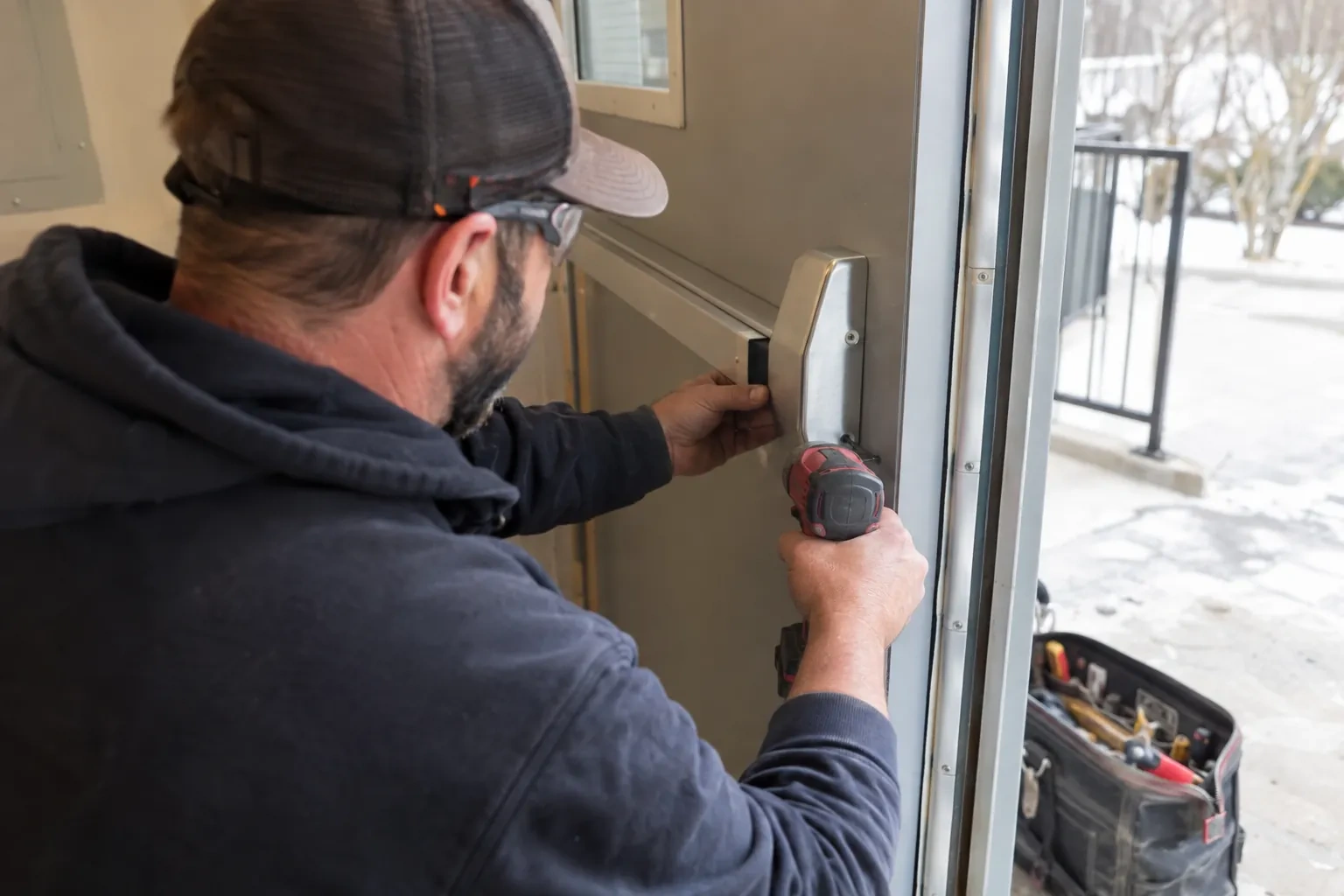
A business needs its doors to open reliably for the right people and stay shut for everyone else, every day, without fuss. That is the whole brief for commercial work, and the pages here show how rekeying, master keying and access control each serve it.
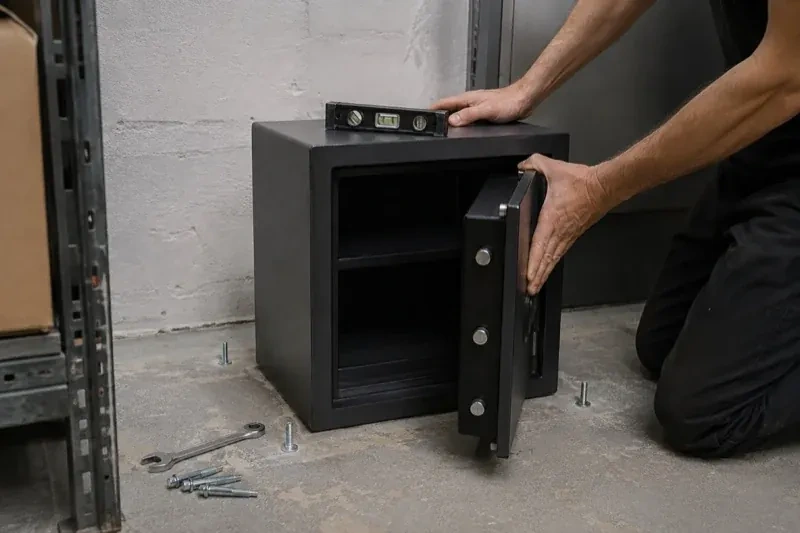
The office is moving three blocks over, and the old commercial safe that has sat bolted to the concrete for fifteen years now needs to come out, travel across town, and go back down just as solidly.
Which fix fits?
The apartment key snapped mid-turn, leaving the cylinder twisted halfway between locked and open.
WhyA property that grew its gates one at a time, a shed lock here, a side gate there, tends to end up with a drawer full of keys that only sort of match.
The till drawer has been holding two days of cash because the new shop never got a proper safe, and a locked drawer under the counter is the only thing standing between that cash and anyone who works late.
WhyMost vehicles on the road pair a cut metal blade with an invisible electronic layer, a chip in the head that the immobilizer checks before the engine is allowed to start.
The key turns half a rotation in the ignition, catches, then the blade lets go with a small snap.
WhyA machine bought without a full history often arrives with one worn key and no idea what, if anything, opens the seat or the fuel cap.
Good days. Start with a turn.
1/9Broken Key Extraction
The apartment key snapped mid-turn, leaving the cylinder twisted halfway between locked and open. The building manager's spare is somewhere across town and nobody else has a copy. You are on the wrong side of the door.
Three teenagers, a dog walker, a cleaner and one house key that keeps going missing. You are tired of cutting copies and would rather give each person a code you can switch off, with a proper deadbolt behind it.
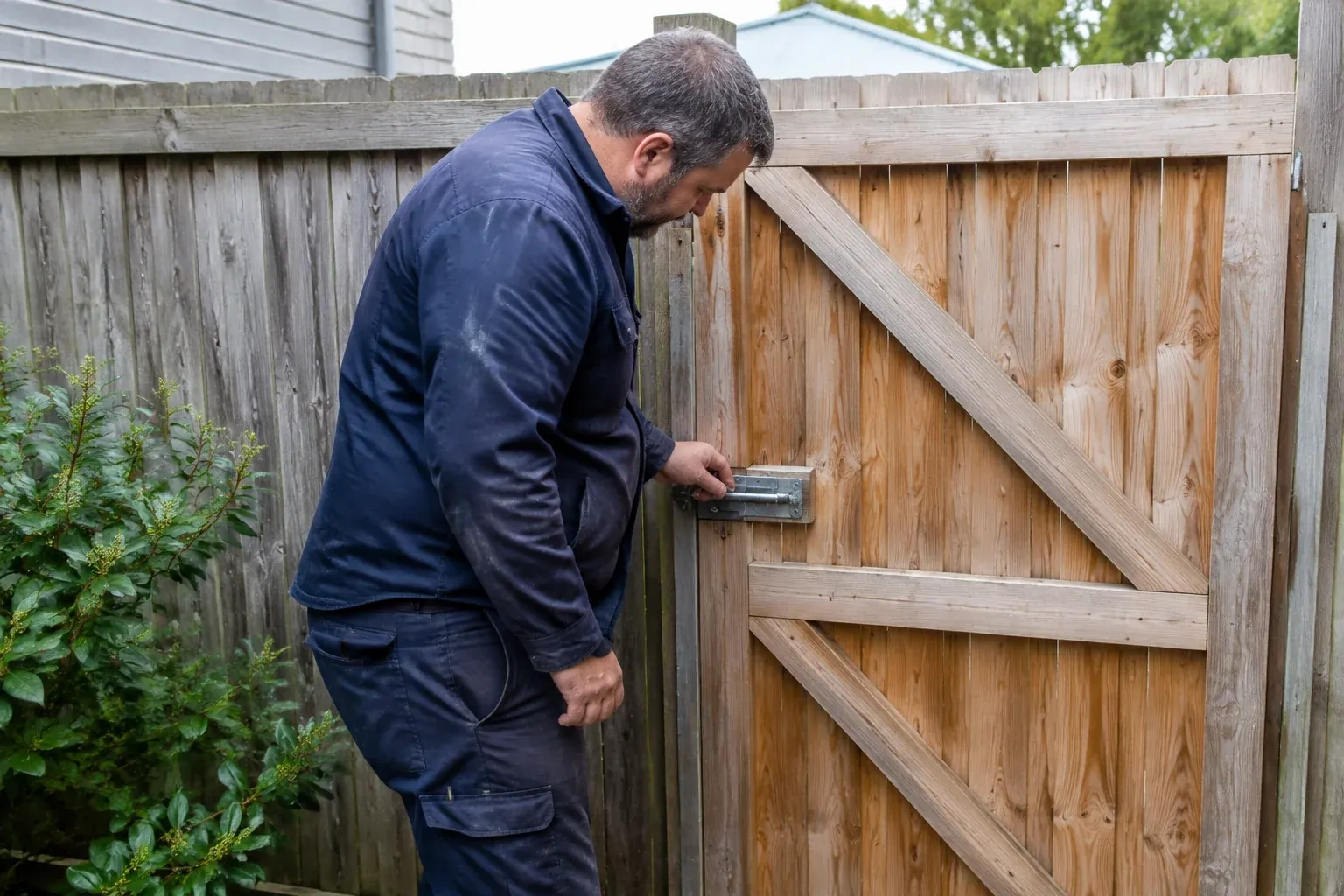
Someone pried at the gate latch overnight, and now the strike plate hangs by one screw and the cylinder spins loose in its housing. The gate still closes, technically, but a firm shoulder is all it would take to open it from outside.
The till drawer has been holding two days of cash because the new shop never got a proper safe, and a locked drawer under the counter is the only thing standing between that cash and anyone who works late.
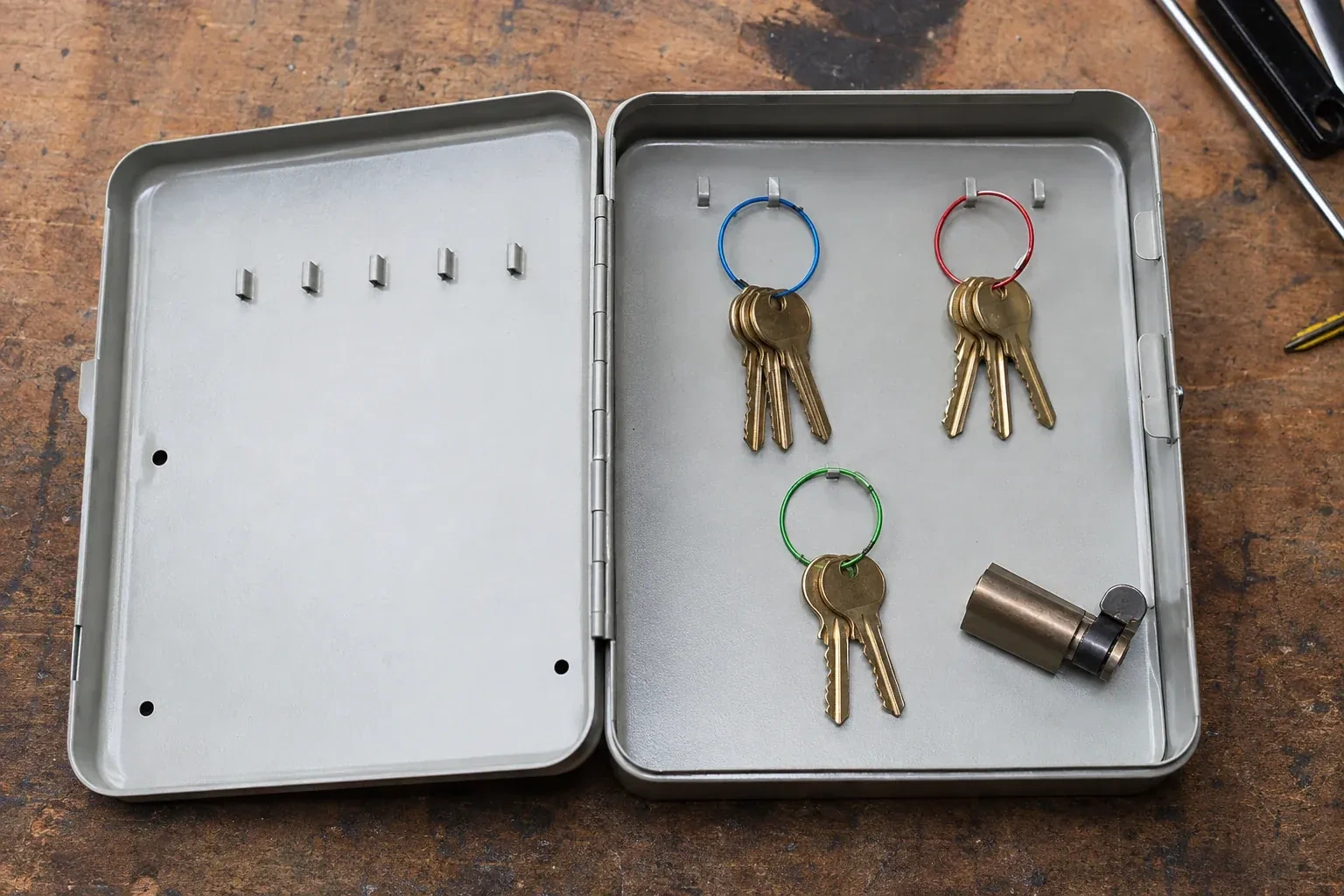
The office key ring has become the org chart. Every manager carries a fistful of cuts, a couple of staff hold copies nobody remembers issuing, and when someone asks which key opens the records room, three different people give three different answers.
It is a January morning, minus twenty with the wind, and the key will not enter the door cylinder. Yesterday's slush ran into the keyhole and froze overnight. The door itself is glued to its rubber seal, and the fob has gone quiet in the cold.
The engine cranks, catches for a second and dies, and a small key-shaped light keeps blinking on the dash. The blade turns the ignition and the doors perfectly well, but the car has stopped recognizing the chip inside the key.
Two coworkers share one delivery van and one key between them, trading it at the start and end of every shift in a parking lot. A missed handoff leaves someone standing beside a locked van with nowhere else to be.
The key turns half a rotation in the ignition, catches, then the blade lets go with a small snap. The bow is still in your hand; the rest of it is somewhere inside a lock that now has nothing to grip.
In most cases yes, and it is tested in front of you with a key that fits. The inspection after extraction is where the honest answer lives: if the pins, springs and cap are sound and the keyway is clean, the cylinder goes back into service with a fresh key. If wear or damage caused the break, that is explained and a rekey or new cylinder is offered as a separate choice.
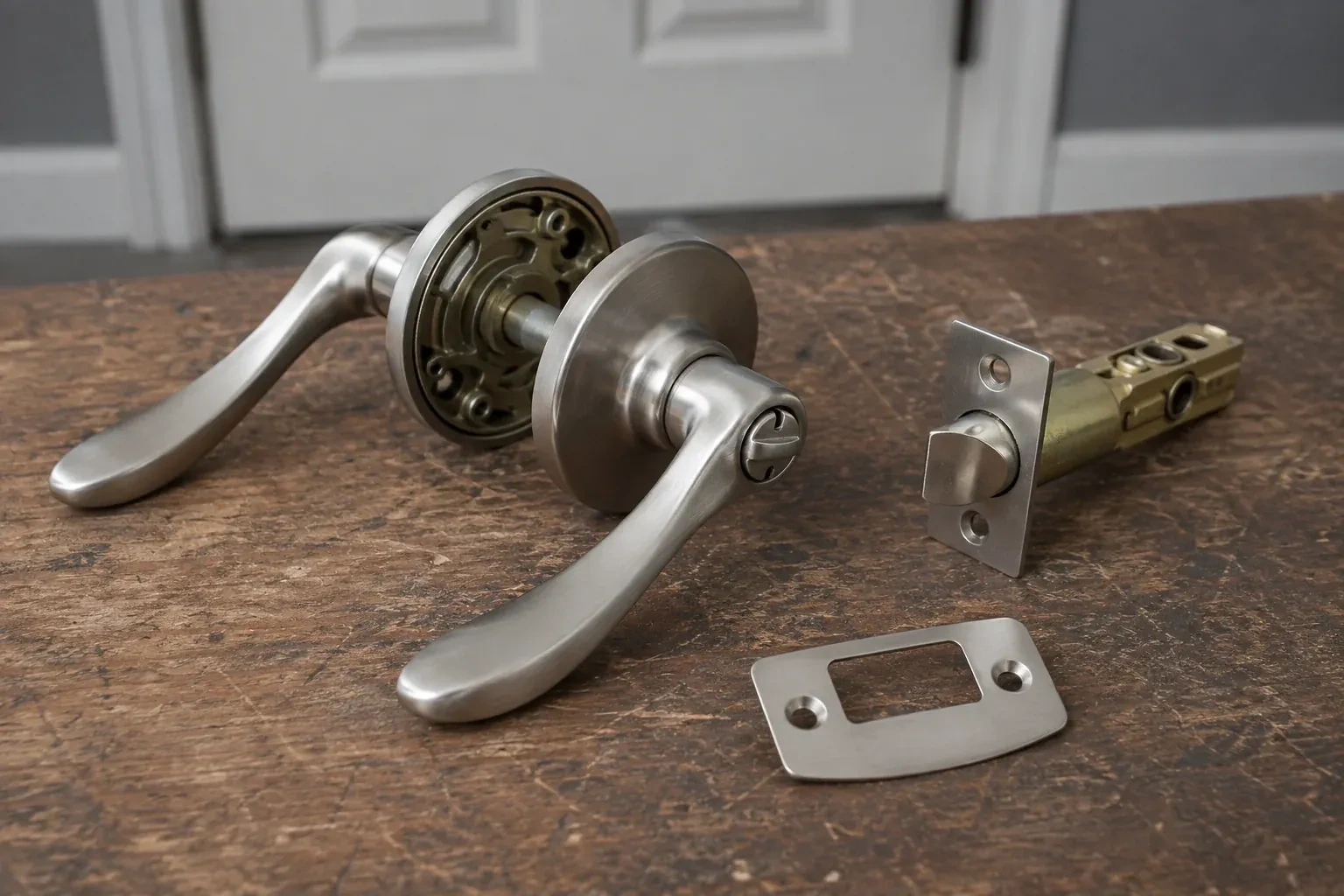
Can a lever replace a knob on the same door?
Yes, and it is a common change for anyone who finds a knob hard to grip. Levers use the same bore and backset as knobs, so the swap is usually a direct fit. Levers are handed, so the locksmith checks which way the door swings and chooses or adjusts the lever accordingly. A keyed entry lever pairs well with a deadbolt above it, and interior passage and privacy levers complete the set.
I rent my unit. Can I request gate or entry lock service myself?
You can certainly call about a problem you are experiencing, such as a side gate that will not latch or a buzzer that stopped working, and the locksmith will look into it. Where the fix touches the shared entry everyone in the building relies on, rather than something specific to your own unit, the work is usually coordinated with whoever manages the property, since a rekey or replacement there affects every current resident, not just the person who noticed the problem first.
How do I know what rating of safe I actually need?
Start with what will be inside it. Cash, jewelry, and firearms mainly need protection from tools and time, so the burglary rating matters most. Paper records and digital backups mainly need protection from heat, so the fire rating matters most, and digital media needs a noticeably lower internal temperature than paper to survive. Many households and businesses end up choosing a unit built to both standards rather than picking just one.
What is tested before the keys are handed over?
Every cylinder is tested on the bench against its assigned keys, then again once installed: the change key on its own door, the relevant sub-master across its whole group, and the top-level master across every door in the system. Any lock that responds to a key it should not is corrected before handover rather than left for the owner to discover later.
What should I have ready when I call?
The make, model and year of the vehicle, the colour and plate if you can see it, exactly where the car is parked and how to reach it, and where the keys are: on the seat, in the trunk, lost, snapped, or in a fob that has gone quiet. Say whether anyone or any animal is inside, whether the car is a rental or a company vehicle, and whether your identification is on you or in the glovebox.
The key snapped off inside the lock. What happens now?
The broken piece is drawn out with an extractor that grips it rather than pushing it deeper, and the cylinder is checked for damage. The head of the key, if it survived, still holds the chip and the remote, so it can be rebuilt around a new blade in a new case without any programming. If the whole key was lost with the break, a fresh transponder key is cut to code and programmed as usual.
What happens if I only have one key and it is for a car I just bought?
This is a common and straightforward call. The locksmith works from the single existing key and the vehicle itself, identifying the blade profile and reading or matching the chip, then testing the result on its own before the visit ends. It is also a good moment to confirm how many keys the car's history suggests should exist, since a private sale sometimes changes hands with an unknown key already out of circulation.
Do you need the vehicle's VIN to make a key?
It helps but is not always required. The VIN can confirm the exact model and sometimes points to a factory key code on file, which speeds up cutting a key without reading the lock from scratch. Where the VIN is not available or does not lead anywhere useful, the locksmith works directly from the lock or an existing key instead, so a missing VIN slows the process rather than stopping it.
Request a visit
A safe in Maryhill is opened with patience rather than force. The locksmith identifies the make and mechanism, tries the non-destructive routes first, and only cuts when nothing else will work, in a spot that can be repaired so the safe keeps working. Afterwards he resets the combination or replaces the lock and shows you how to keep it turning.