Locksmith in Floradale, OntarioLocked out in Floradale?Let's get you inside.
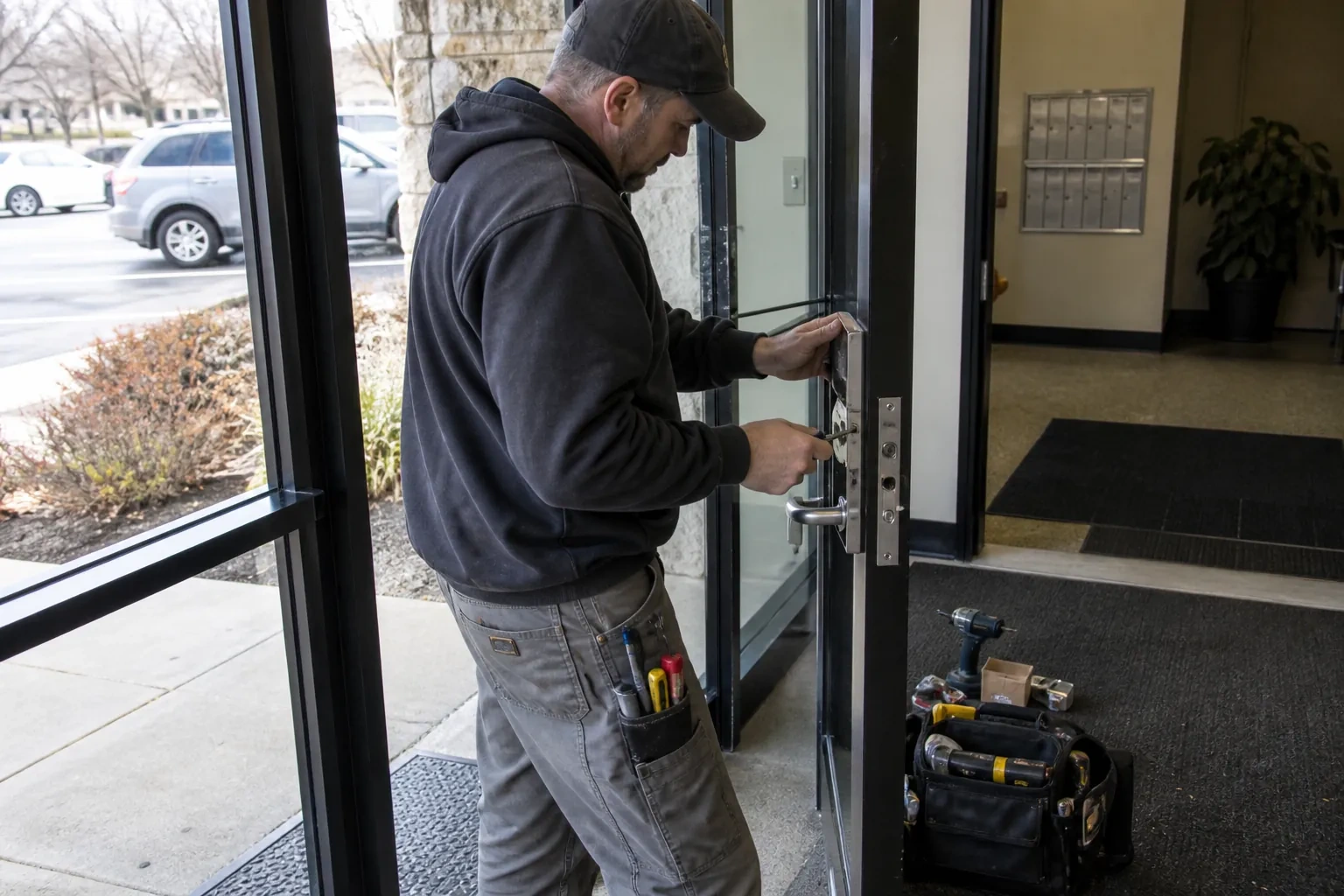
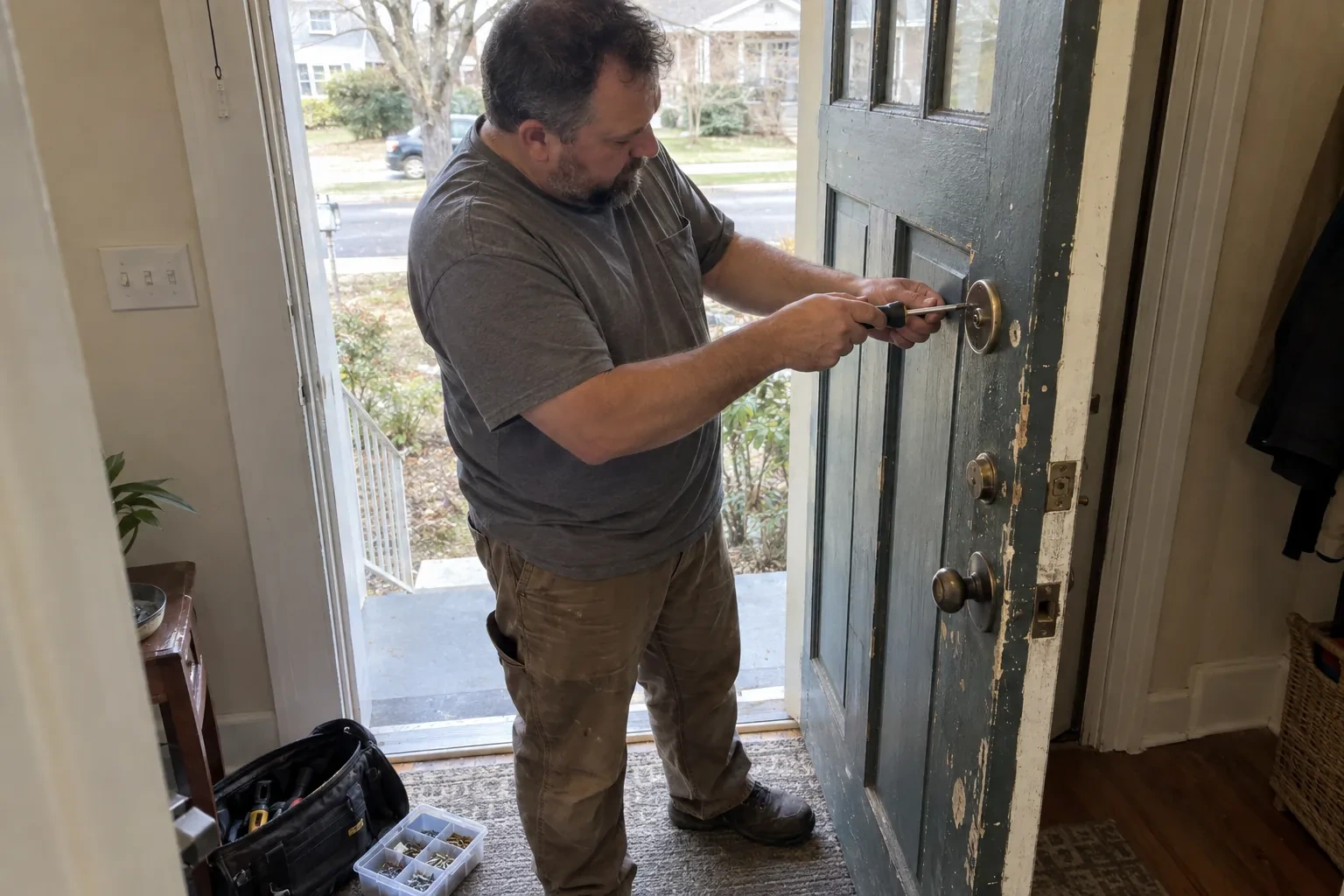
It happens to careful people: the door swings shut, the key is on the kitchen table, and the evening stops. Our locksmith comes to Floradale, confirms the home or shop is yours, opens the door without wrecking the lock, and stays long enough to make sure the key you have still works afterwards. Nearby, we also work in Glen Allan, Hollen, North Woolwich, Kumpfville, Quarindale, Winfield, Wyandot and Yatton.
It happens to careful people: the door swings shut, the key is on the kitchen table, and the evening stops. Our locksmith comes to Floradale, confirms the home or shop is yours, opens the door without wrecking the lock, and stays long enough to make sure the key you have still works afterwards. Nearby, we also work in Glen Allan, Hollen, North Woolwich, Kumpfville, Quarindale, Winfield, Wyandot and Yatton.
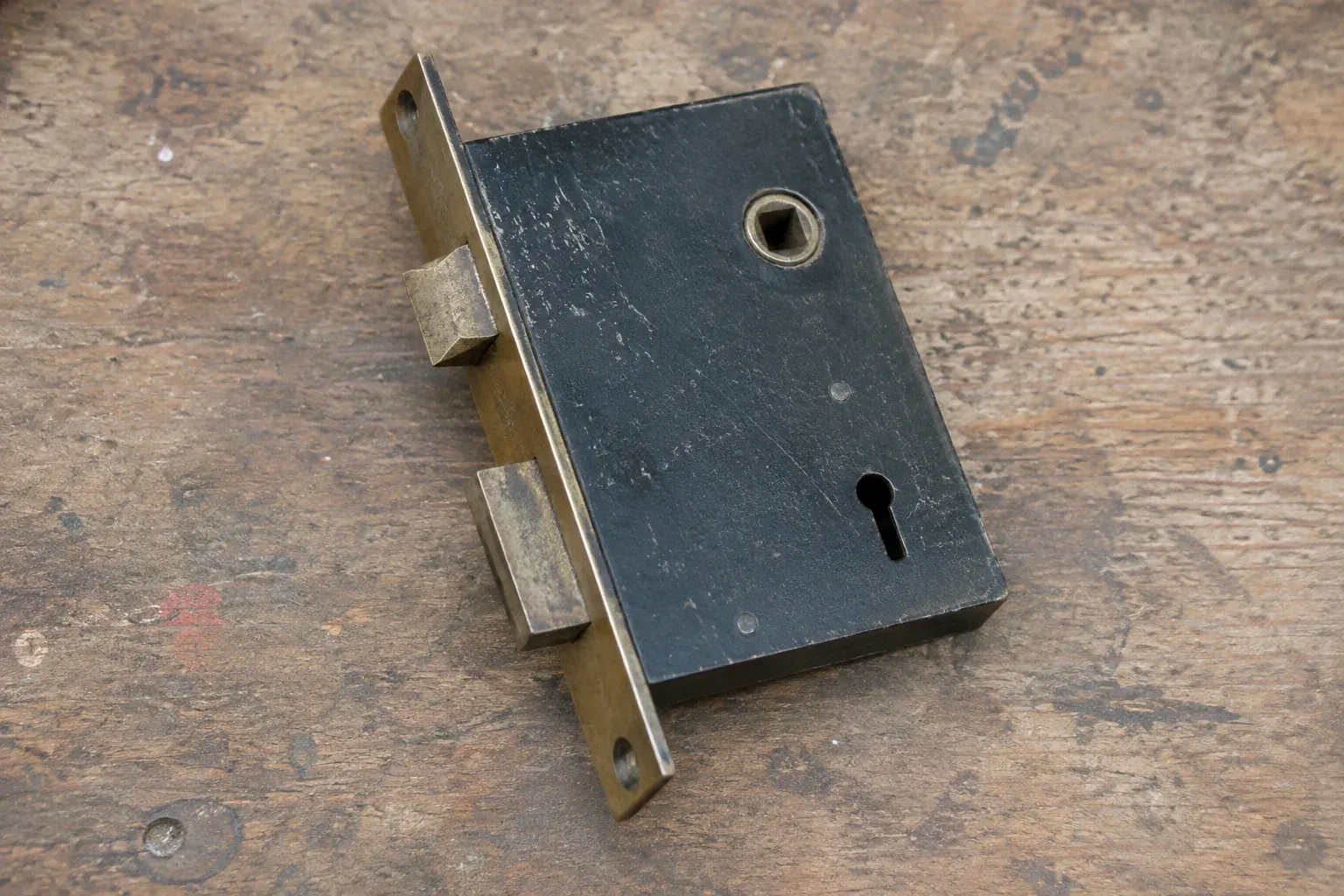
Old locks respected, new locks fitted right.
For a condo or apartment in Floradale we work within the building's rules. The suite door is yours and gets whatever cylinder, strike or closer suits the way you live. Common doors belong to the building, and we coordinate with management before touching them. You get a secure unit without a letter from the board.
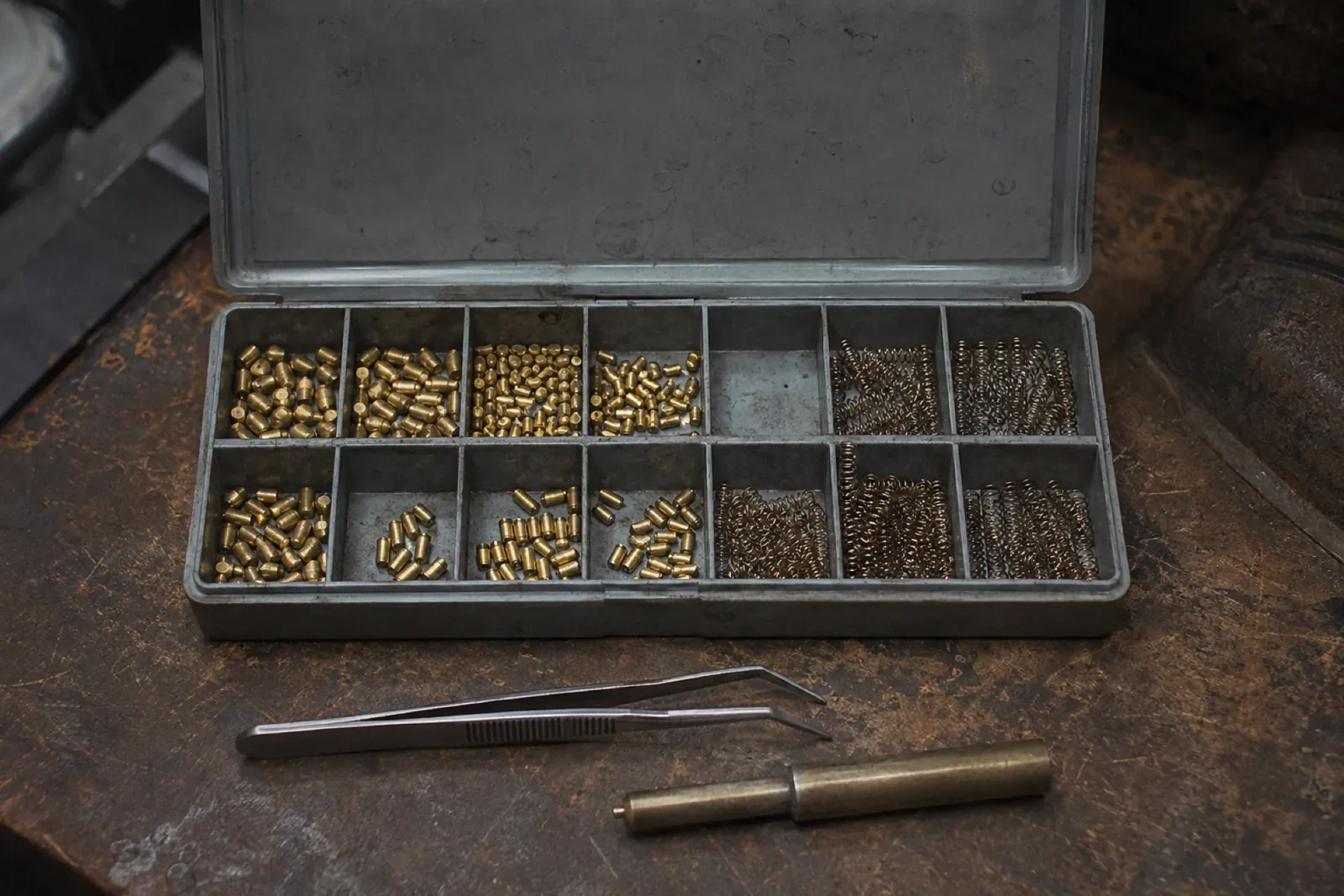
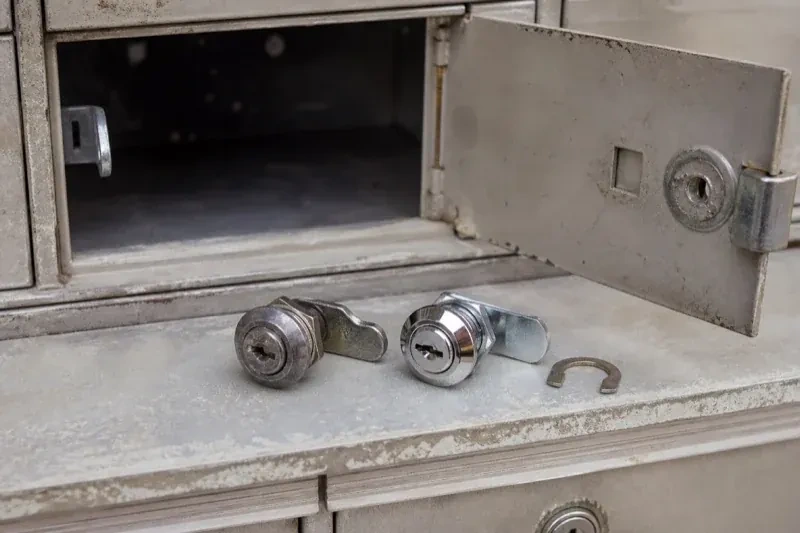
A key that snaps in the lock is a small crisis that happens to careful people all over Floradale. We extract the broken piece without harming the pins, cut a new key and check the cylinder for whatever caused the break in the first place. Often it is a worn key or a misaligned strike, and sorting that out means the new key lasts.
30years in business
24/7open every day
You know what is happening. From the first look to the last turn of the key, we narrate the job in plain terms. You should never wonder what we are doing to your door.
Suggestions, not pressure. If we think an upgrade would help, we say so once and explain why. If you decline, that is the end of it.
The old parts handled. Removed locks and keys are given to you or taken away as you prefer. Old keys that no longer work are worth destroying, and we will do that if you like.
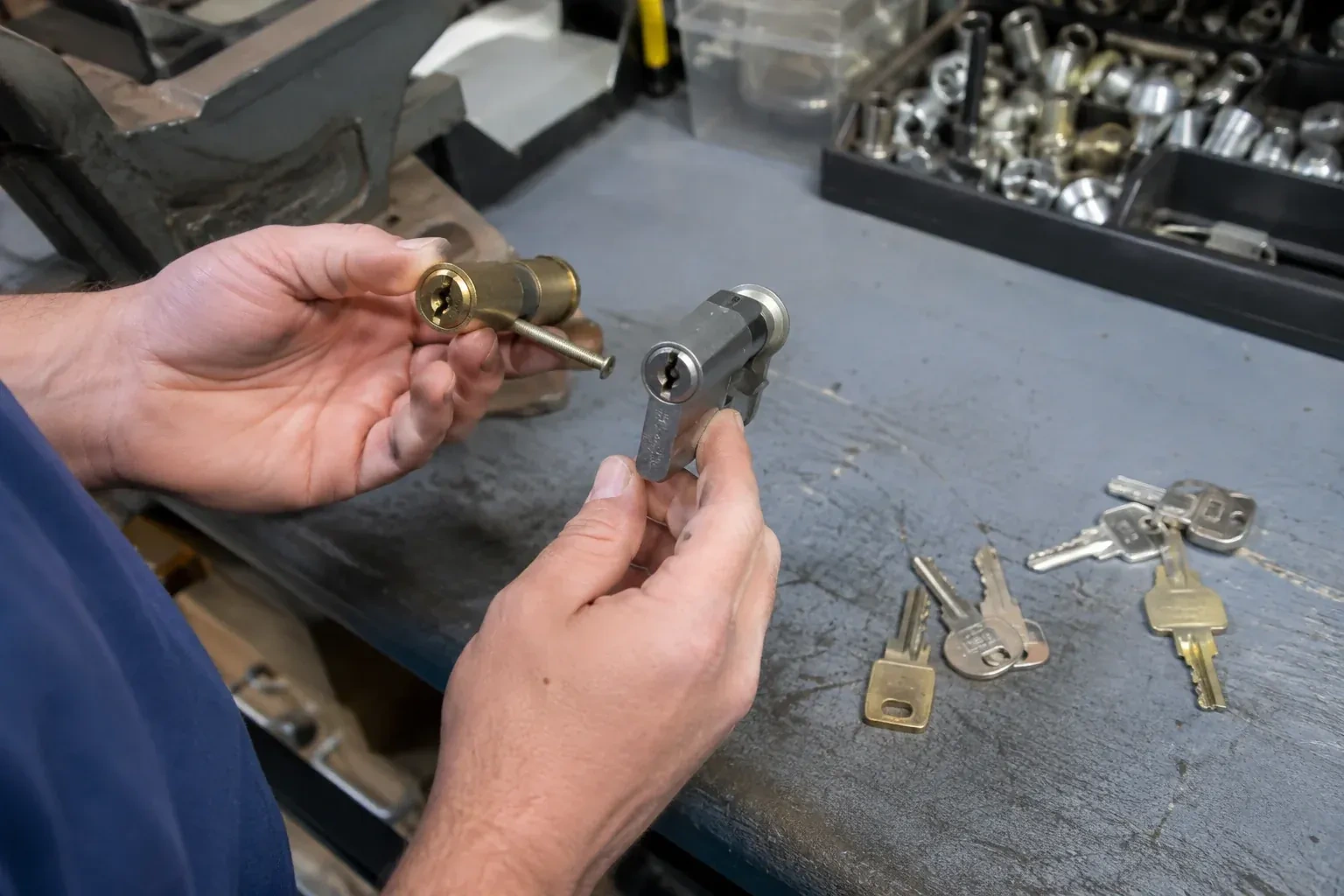
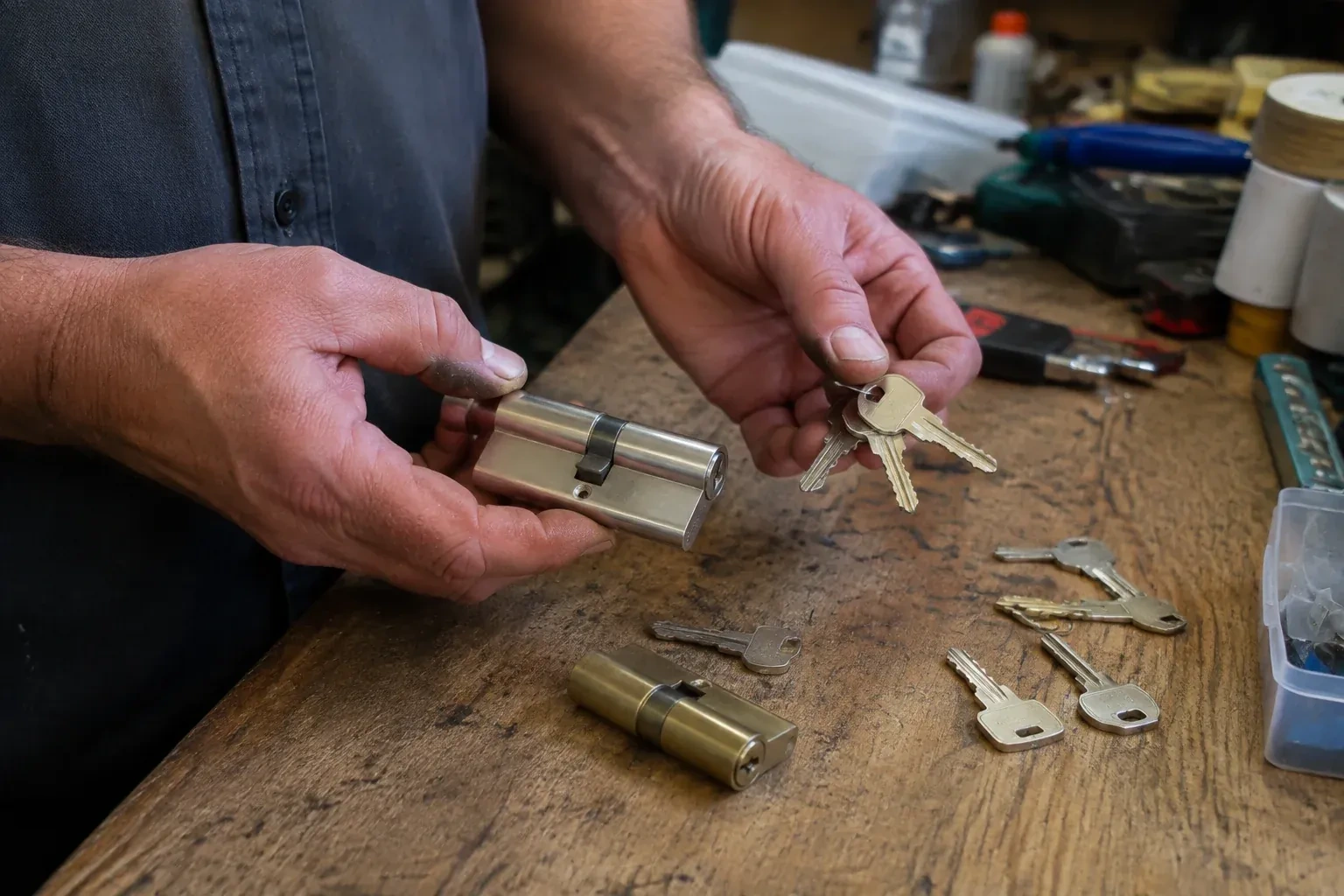
Think of this as the workshop list for Floradale. Emergency lockouts and key extraction. Rekeying after a move or a staff change. Lock replacement and deadbolt installation. High-security cylinders and reinforced strikes. Commercial hardware, closers and master keys. Safe opening and service. Key cutting for house and car.
About 47% of homes in Woolwich were built in 1980 or earlier, according to the 2021 Census.
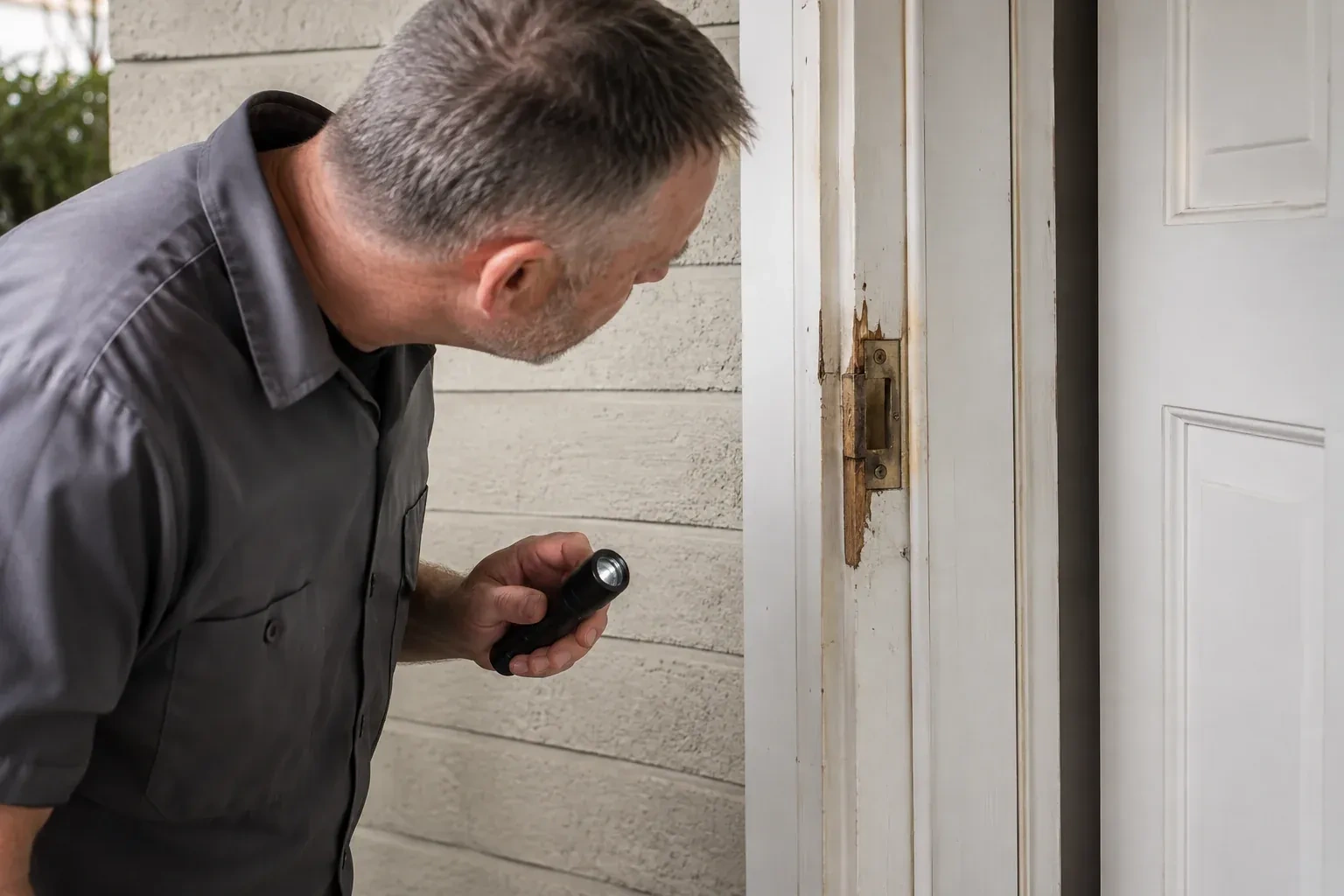
Where housing ages are mixed, some homes have never had a deadbolt and others have two. The visit starts with a look at what is already there, and the recommendation might be adding a lock on one house and simply tuning it on the next.
Single-detached houses make up about 76% of homes in Woolwich (2021 Census).
Mostly houses
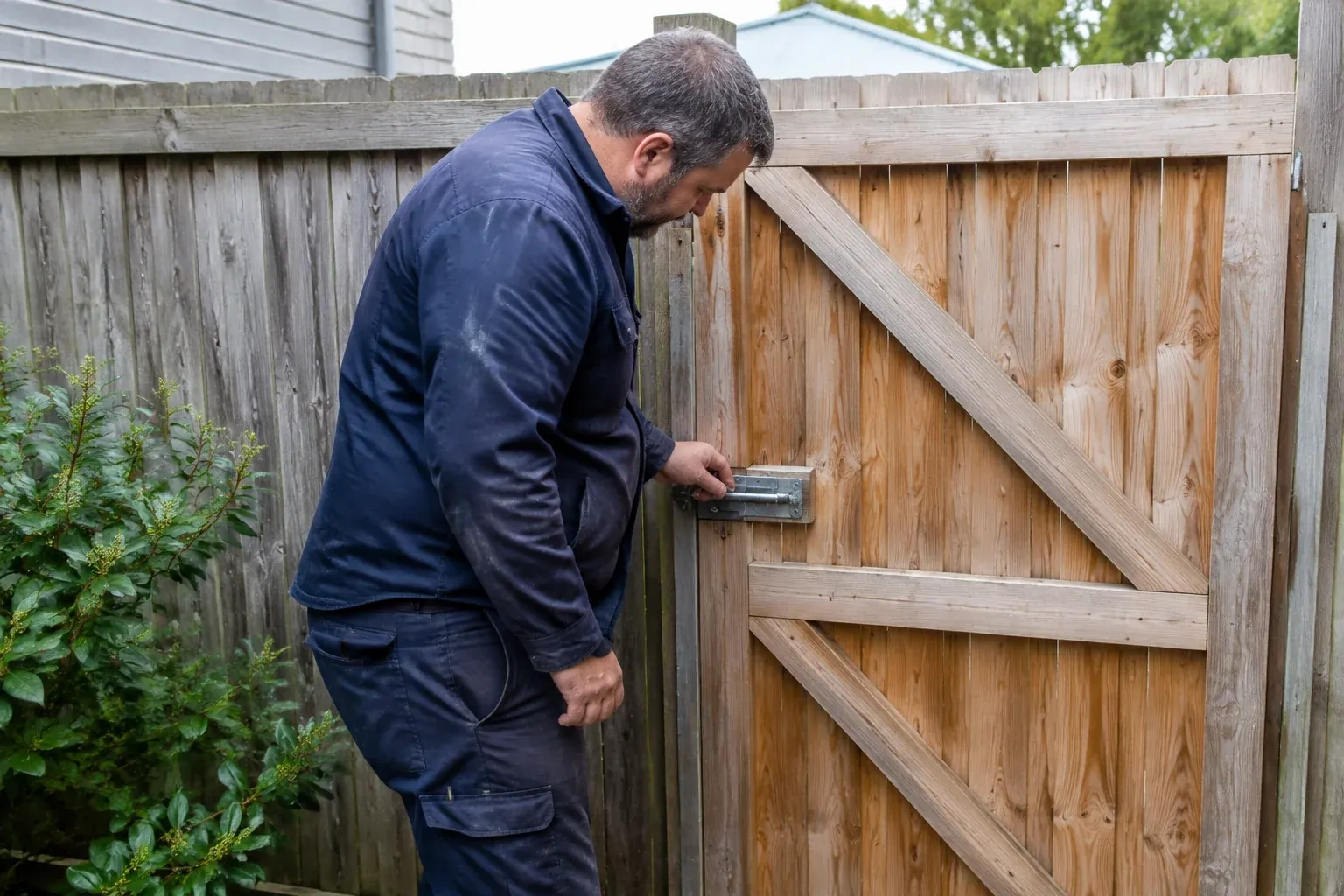
A detached house gives a locksmith room to work: full access to both sides of every door, hinges and frames included. Repairs and upgrades can be thorough, from the front deadbolt to the gate latch, with nothing off limits.
High security locks answer the question most people eventually ask about their door: who else has a key, and how hard would it be to get past it? Rated cylinders, heavy deadbolts, reinforced strikes and keys that cannot be copied without your say-so.
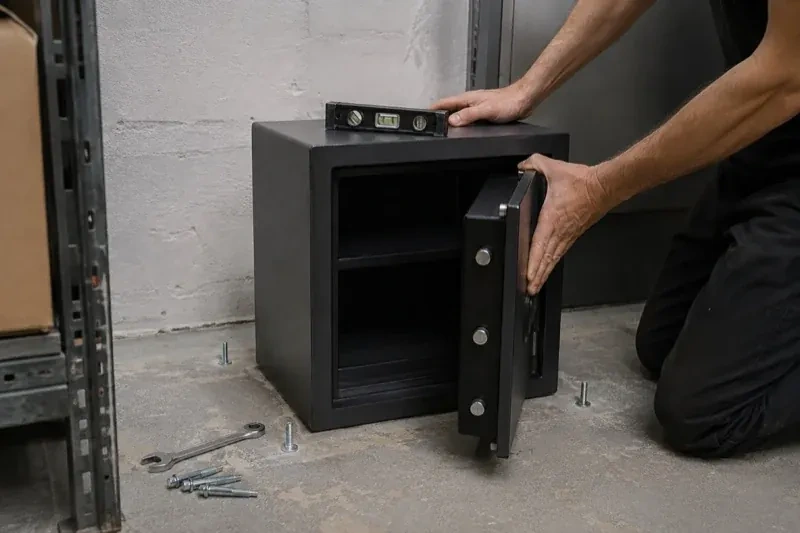
The office is moving three blocks over, and the old commercial safe that has sat bolted to the concrete for fifteen years now needs to come out, travel across town, and go back down just as solidly.
Which fix fits?
It is ten to nine, three staff are on the sidewalk with their coffees, and the key that has opened the glass front door for six years will not turn.
The office is moving three blocks over, and the old commercial safe that has sat bolted to the concrete for fifteen years now needs to come out, travel across town, and go back down just as solidly.
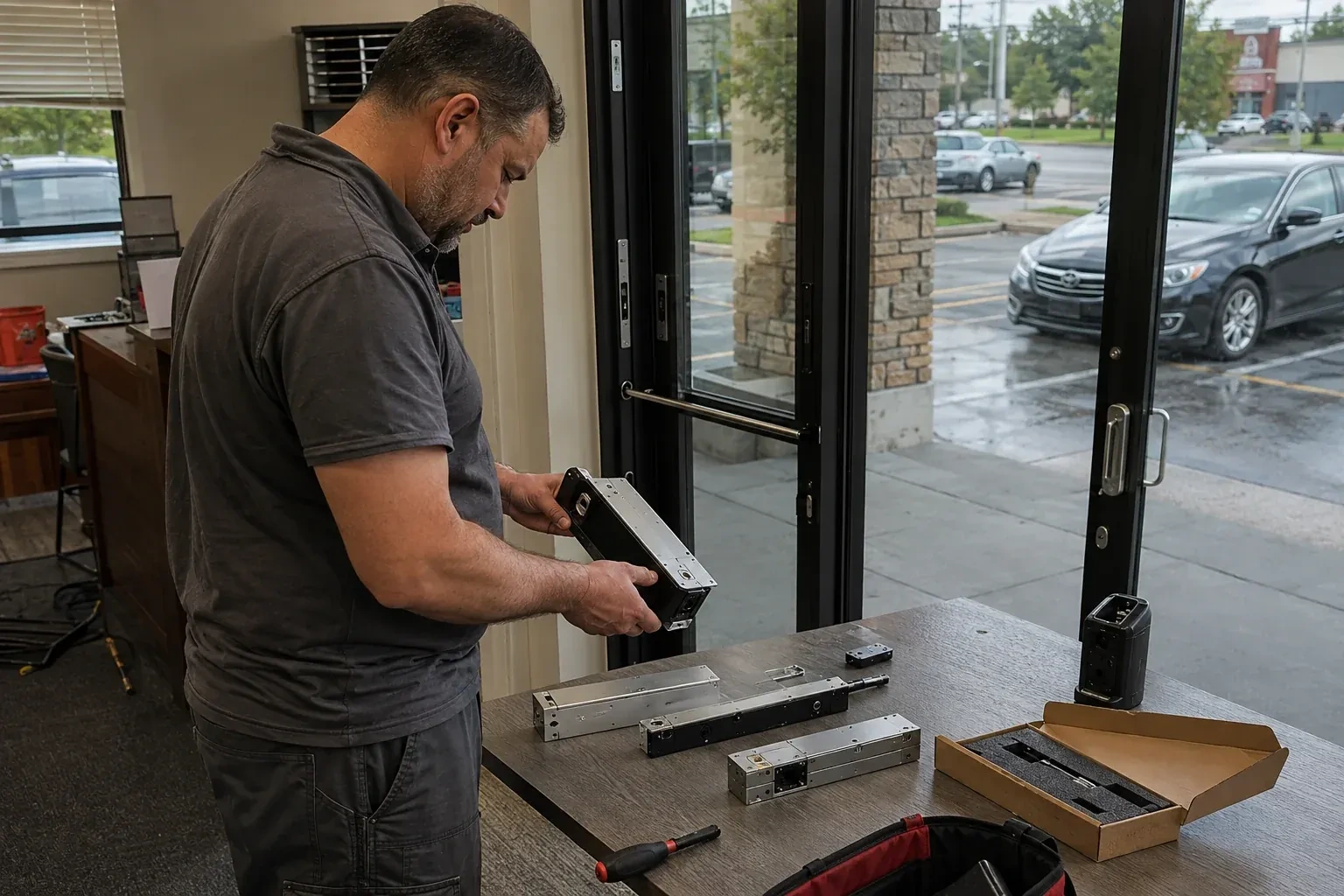
WhyA building already running an intrusion alarm or a camera system gains from an access control installation that speaks to them rather than sitting apart from them: an arm-and-disarm event that lines up with the person who unlocked the door, a camera clip tagged to a specific credential instead of a blank time stamp.
A padlock went on the stockroom's back door years ago for security and nobody has thought about it since, until the walkthrough this week pointed out that the same door is the room's only other way out.
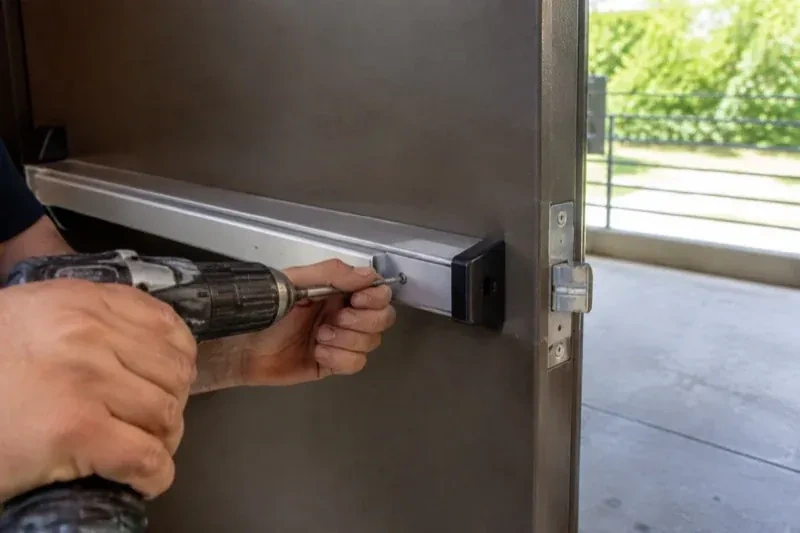
WhyElectrified exit hardware adds a layer without changing the basic behaviour of the door: a person inside can still leave under one motion of the hand, every time.
You pressed the fob at the office door and nothing happened.
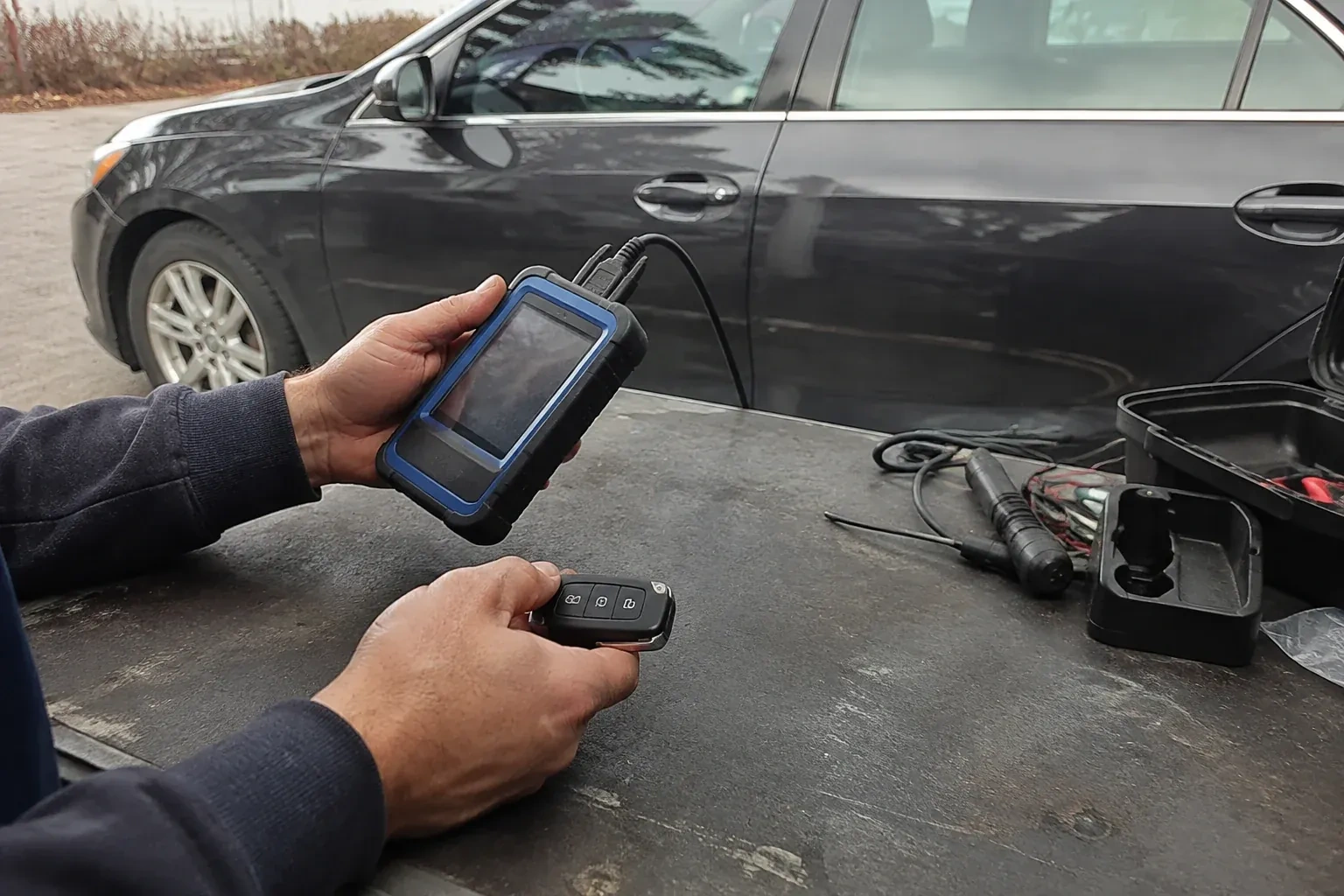
WhyTransponder-based immobilizers became mandatory equipment on new vehicles sold across the country from September 2007 onward, though many manufacturers had already been fitting them for years before that date.
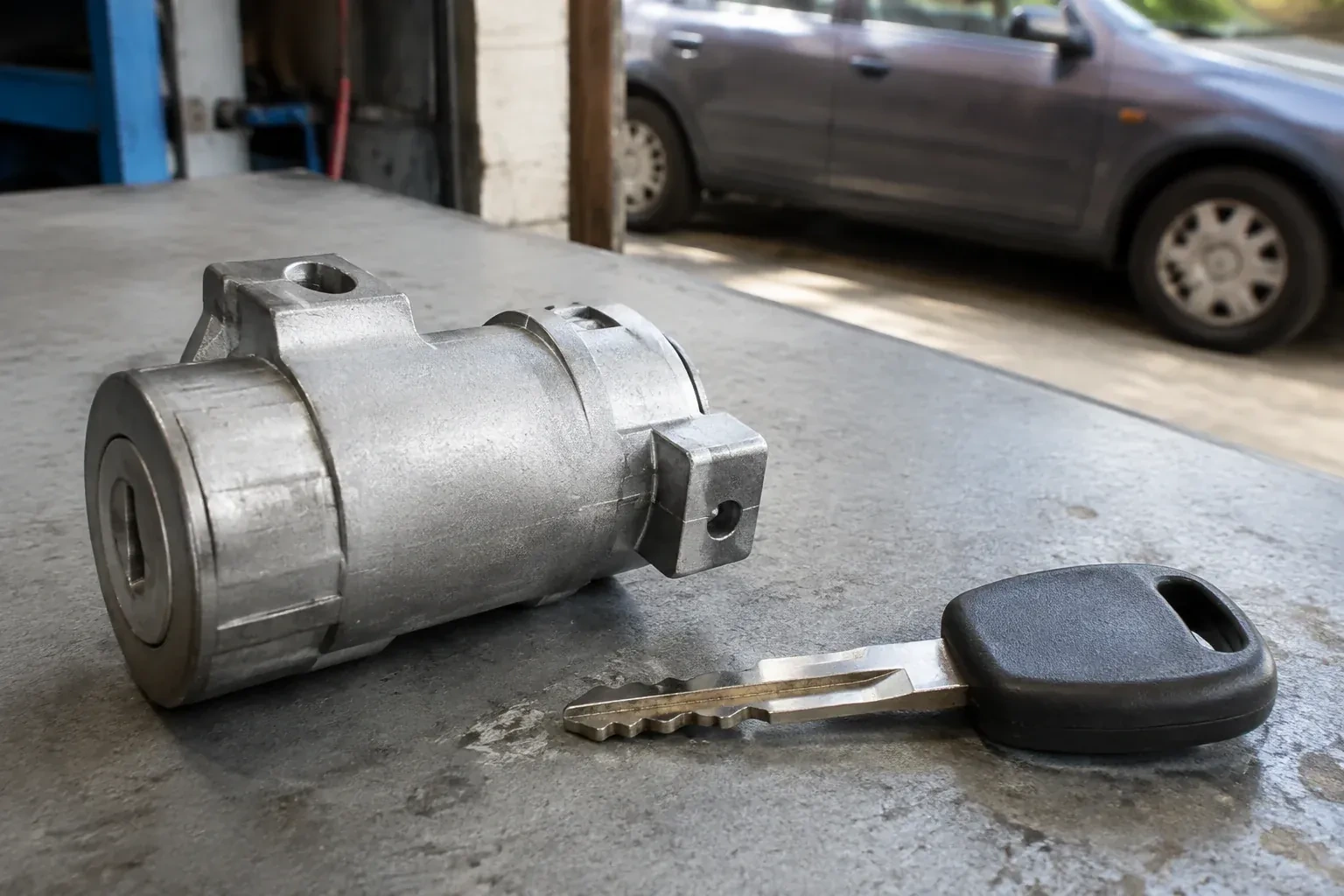
The key turned the engine off in the driveway and now refuses to come back out.
WhyWhere the hardware allows it, a replacement or serviced ignition cylinder is pinned to match the key already in your pocket, rather than handing you a second key to keep track of.
How a visit goes
Describe the property, the hardware and what has changed, and the visit starts from what you have seen.
1
2
3
01
Deciding what to replace
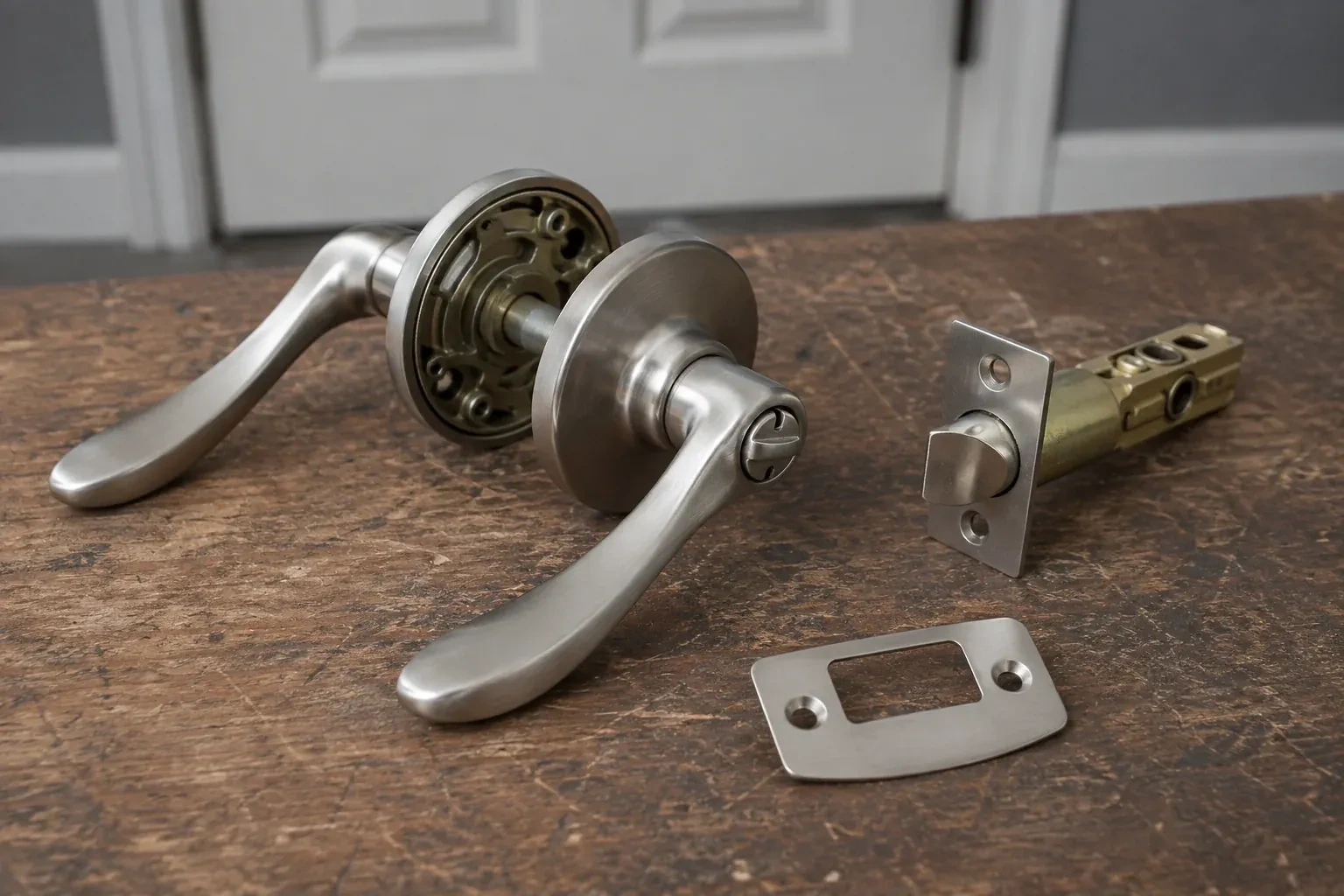
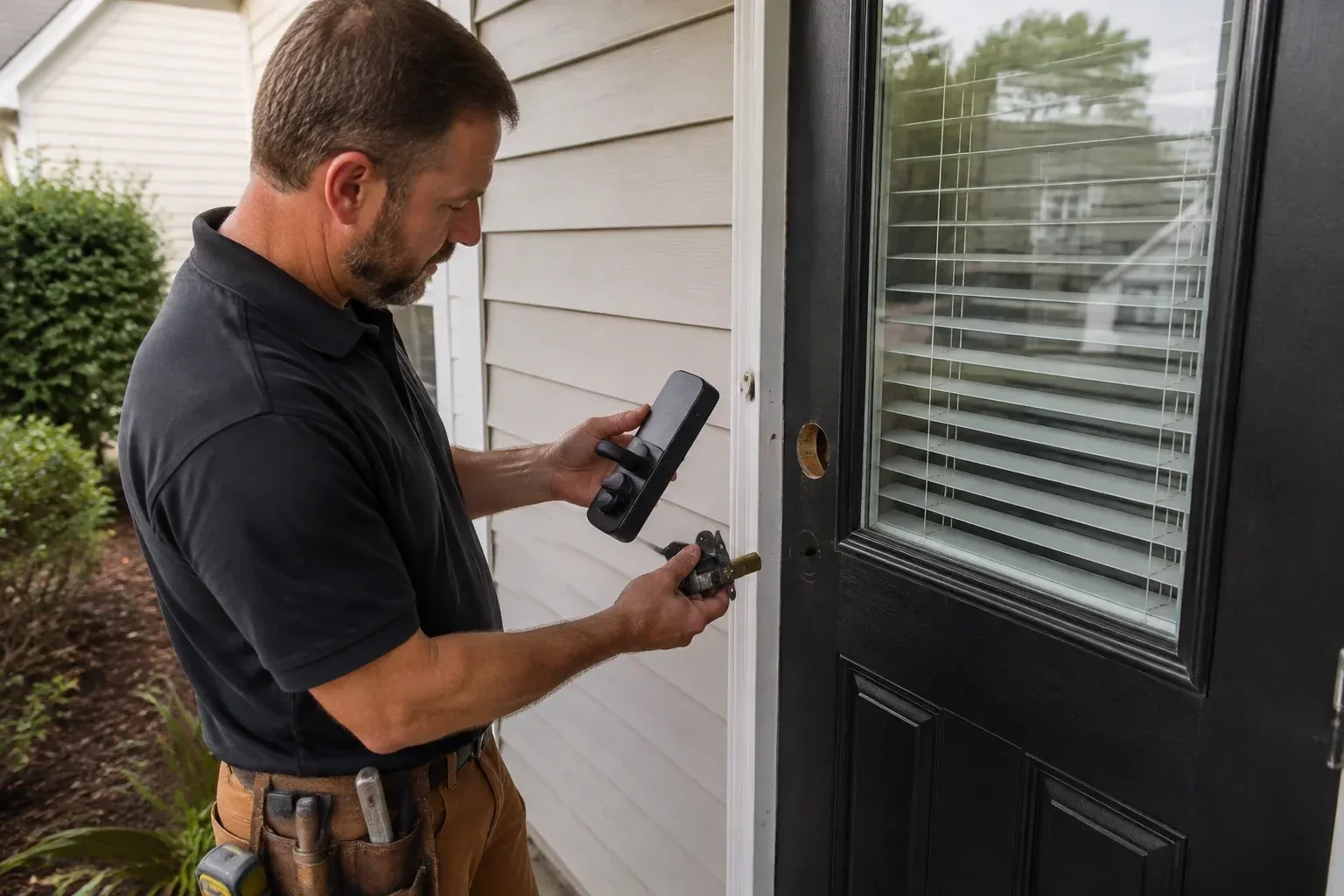
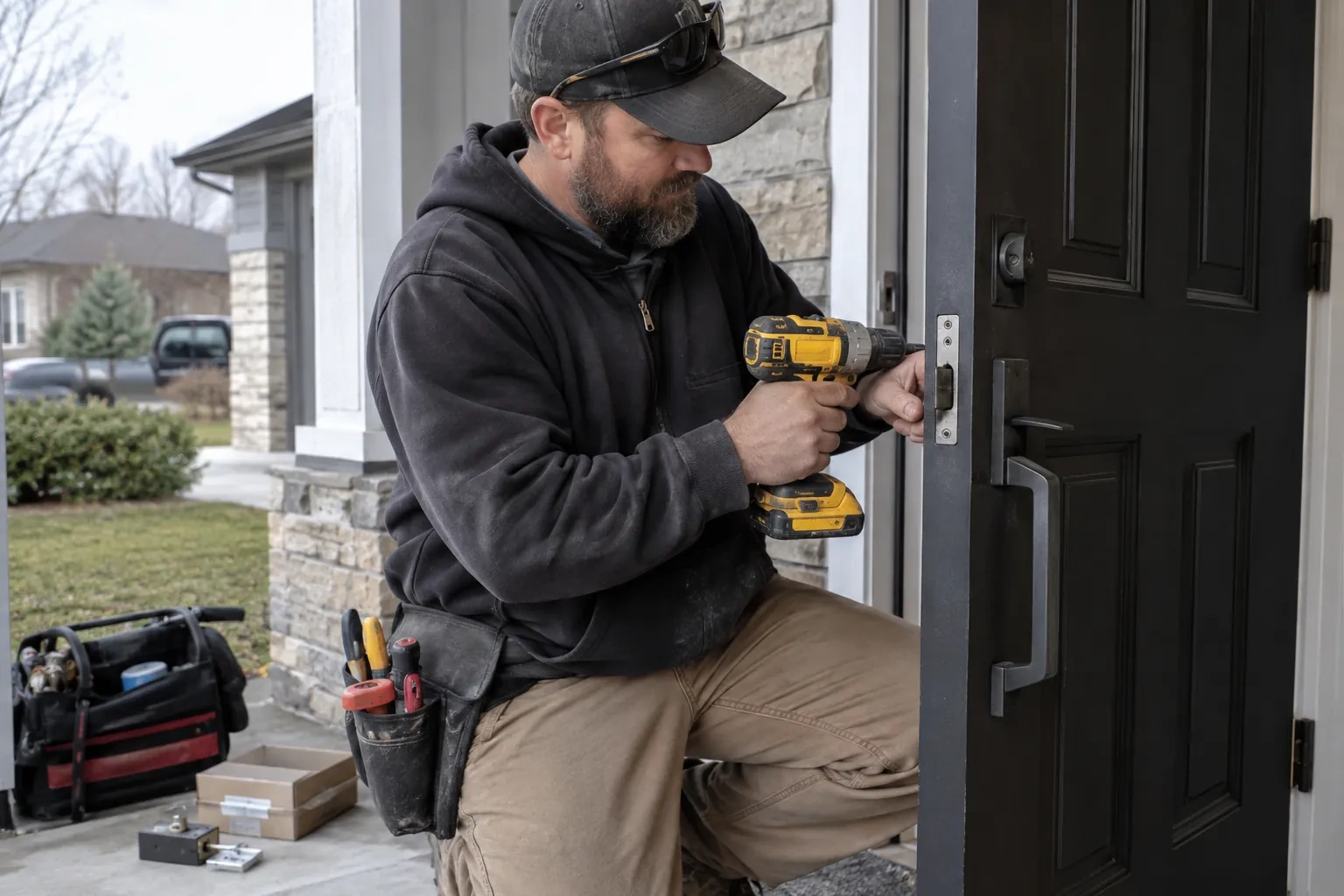
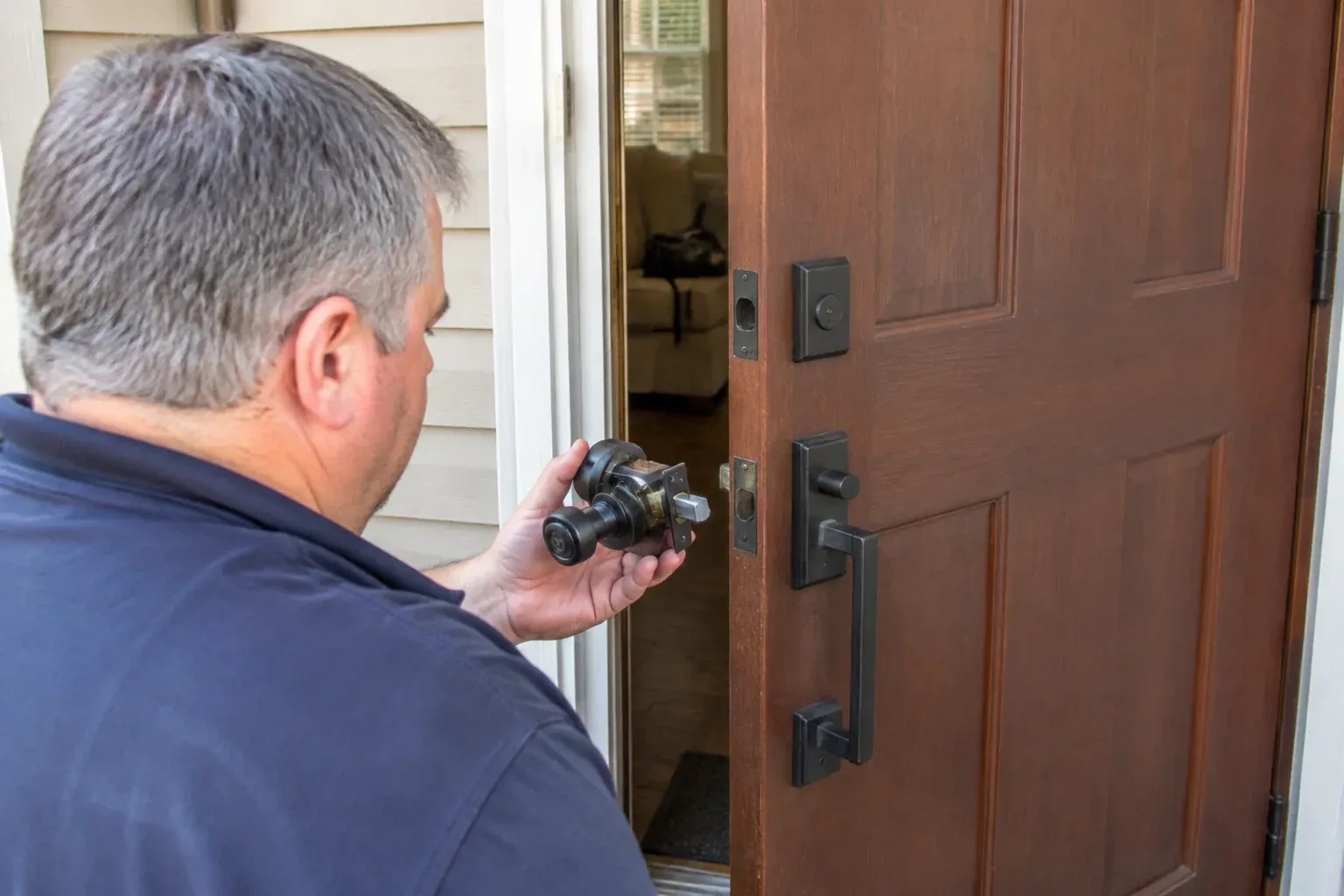
We look at the existing lock, the door thickness and the holes already drilled. Sometimes a new cylinder is enough; sometimes the whole lockset has earned its retirement.
02
Fitting the new hardware
The new lock goes in with the strike adjusted so the bolt throws fully. If the old holes need filling or enlarging, that is done neatly.
03
Checking fit and finish
We test the lock with the door open and closed, from both sides, check the key turns without effort and clean up the doorstep before leaving.
Good days. Start with a turn.
1/9Business Lockout Service
It is ten to nine, three staff are on the sidewalk with their coffees, and the key that has opened the glass front door for six years will not turn. The cylinder feels gritty, the door is locked, and the first customer is already parking.
The padlock on the shed has been stiff all summer. Today the key twisted, cracked at the tip, and left the end buried deep in the keyway. The rest came out in your hand, and the padlock is still closed.
The patio slider is sitting crooked on its track. Its latch is snapped, the frame is bowed where it was pried, and the panel no longer meets the jamb, so the house cannot be closed up for the night.
The office is moving three blocks over, and the old commercial safe that has sat bolted to the concrete for fifteen years now needs to come out, travel across town, and go back down just as solidly.
The team has grown past the point where one shared key still makes sense. New hires need a way in before a manager arrives, and the current setup cannot tell one person's entry from another's.
A padlock went on the stockroom's back door years ago for security and nobody has thought about it since, until the walkthrough this week pointed out that the same door is the room's only other way out.
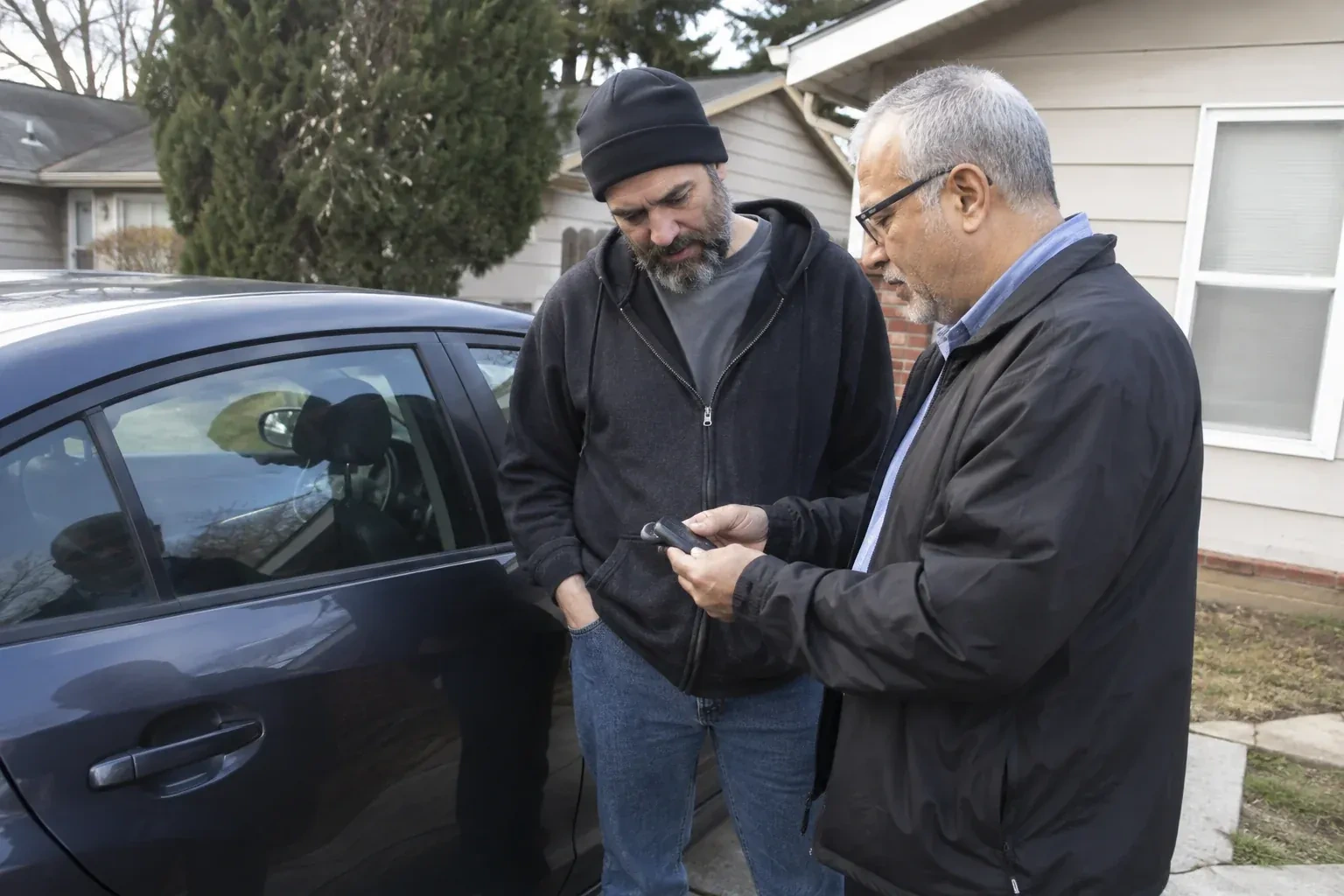
You pressed the fob at the office door and nothing happened. Pressed again, held it, walked closer. The car sits dark and silent, the fob lights up but the doors stay locked, and the mechanical key you have never used is somewhere at home.
A second driver has joined the household, and the one existing key gets handed back and forth between two schedules that rarely line up. Everyone agrees another key would settle the daily handoff, but nobody has looked into how a modern ignition actually learns a new one.
The key turned the engine off in the driveway and now refuses to come back out. Wiggling it, pushing the shifter through every gear again, even leaning gently on the wheel; the barrel keeps holding on to it regardless.
The address and unit number, which door you are outside, what the lock looks like, and where the keys are: with someone, lost, broken or simply refusing. Say whether there is an alarm or a card reader on the door, who can disarm or confirm your authority, and whether the building has a property manager. If you can send a photo of the lock and the door edge, the right cylinders and cores come on the first trip.
Will the lock work again once the piece is out?
In most cases yes, and it is tested in front of you with a key that fits. The inspection after extraction is where the honest answer lives: if the pins, springs and cap are sound and the keyway is clean, the cylinder goes back into service with a fresh key. If wear or damage caused the break, that is explained and a rekey or new cylinder is offered as a separate choice.
The intruder pried open our sliding patio door. Can it be made secure?
Yes. The panel goes back on its track and the broken latch is replaced, then the weaknesses a slider is born with are addressed: anti-lift blocks in the upper channel so the panel cannot be raised off its rollers, a foot bolt or pin lock through the frame at the bottom, and an auxiliary keyed lock if the latch alone is flimsy. A bowed frame may need a door installer, with the opening secured until they come.
How do I know what rating of safe I actually need?
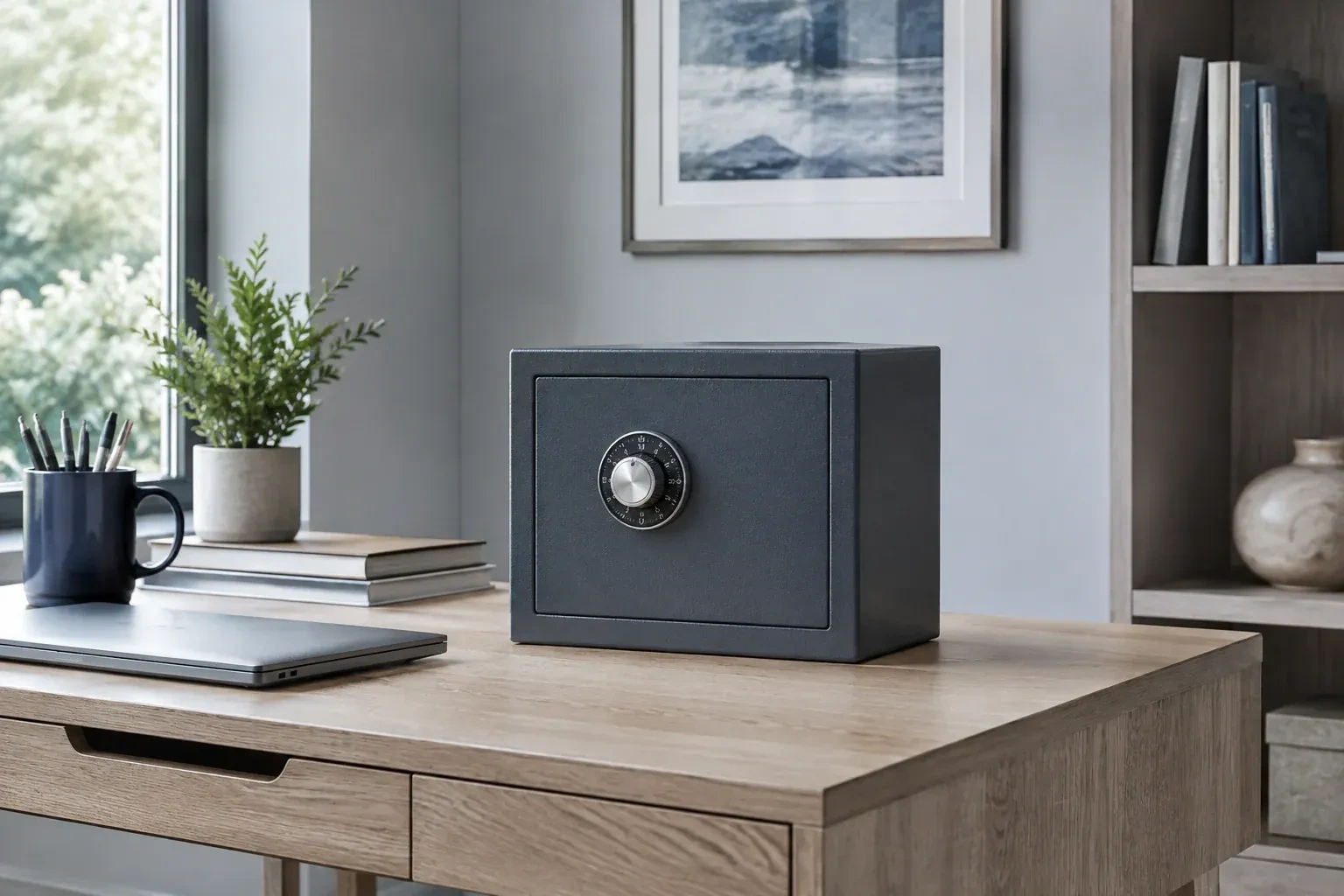
Start with what will be inside it. Cash, jewelry, and firearms mainly need protection from tools and time, so the burglary rating matters most. Paper records and digital backups mainly need protection from heat, so the fire rating matters most, and digital media needs a noticeably lower internal temperature than paper to survive. Many households and businesses end up choosing a unit built to both standards rather than picking just one.
What happens to our records if we later work with a different provider?
That depends on the platform: the entry log and configuration can live on a local controller and its on-site software, which stay with the business regardless of who installed them, or on a cloud-managed subscription service, where continued access and data export follow that provider's own terms. It is worth confirming at the time of installation which arrangement applies, so the business knows what happens to its records if it later changes providers.
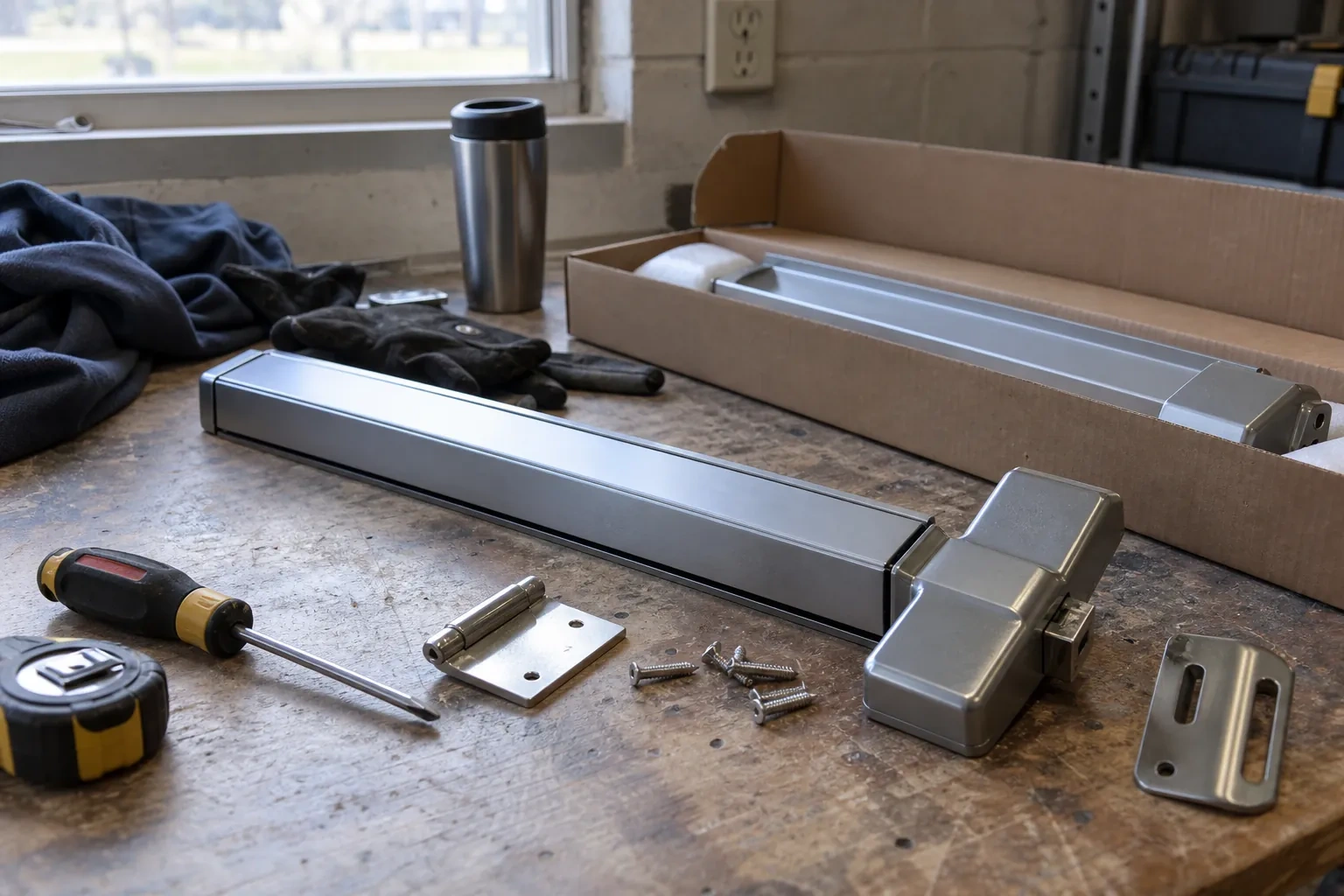
What counts as panic hardware?
Panic hardware is a door-latching device, usually a crossbar or touchpad running most of the door's width, that releases the latch the moment someone pushes on it from the inside. It is built and tested so a light, even push anywhere along the bar opens the door, which is why it is chosen for doors serving rooms with enough people that fumbling for a key during an exit is not acceptable.
What should I have ready when I call?
The make, model and year of the vehicle, the colour and plate if you can see it, exactly where the car is parked and how to reach it, and where the keys are: on the seat, in the trunk, lost, snapped, or in a fob that has gone quiet. Say whether anyone or any animal is inside, whether the car is a rental or a company vehicle, and whether your identification is on you or in the glovebox.
Can a vehicle from before transponder keys were common have one added now?
It depends on the vehicle and what its factory ignition system supports; some older models can accept an aftermarket immobilizer and matching transponder key, while others were never built with a compatible module at all. This is worth discussing model by model rather than assuming either answer, since the mechanical side of an older ignition is often the easier half of that conversation.
What if the key won't go into the slot at all?
That points toward the barrel itself, debris packed into the keyway, or a key that has bent or worn out of shape rather than a deeper electronic problem. The keyway is checked and cleared first, the key is compared against a spare if one exists, and the barrel is serviced or replaced depending on what that first check turns up.
Request a visit
For a condo or apartment in Floradale we work within the building's rules. The suite door is yours and gets whatever cylinder, strike or closer suits the way you live. Common doors belong to the building, and we coordinate with management before touching them. You get a secure unit without a letter from the board.