Locksmith in West Montrose, OntarioSafes opened,combinations changed.
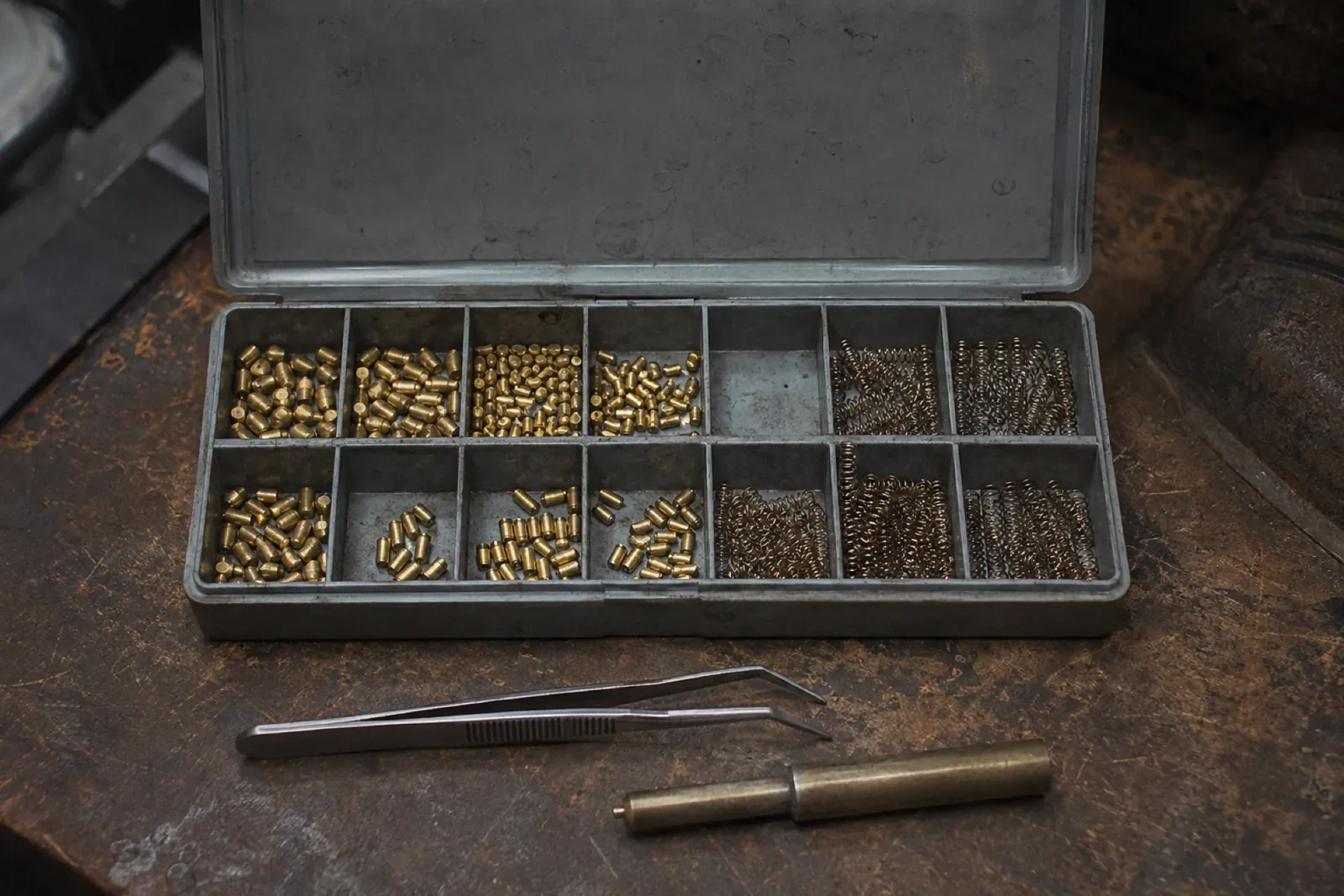
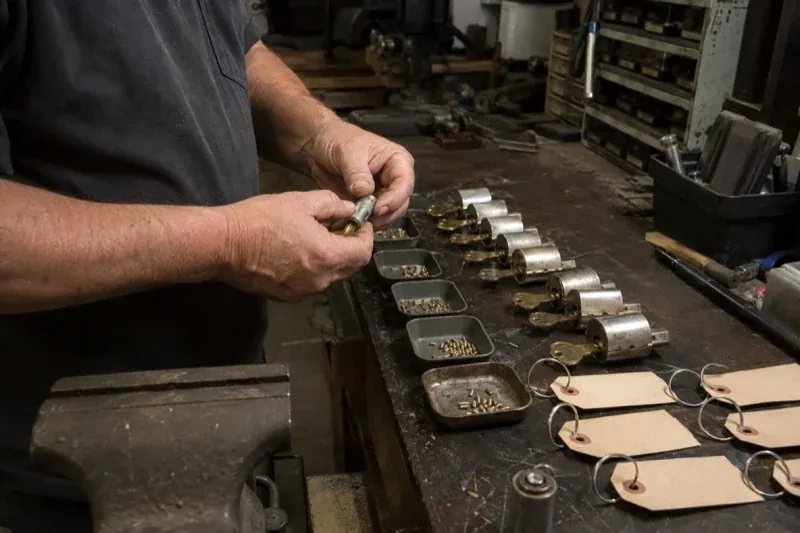
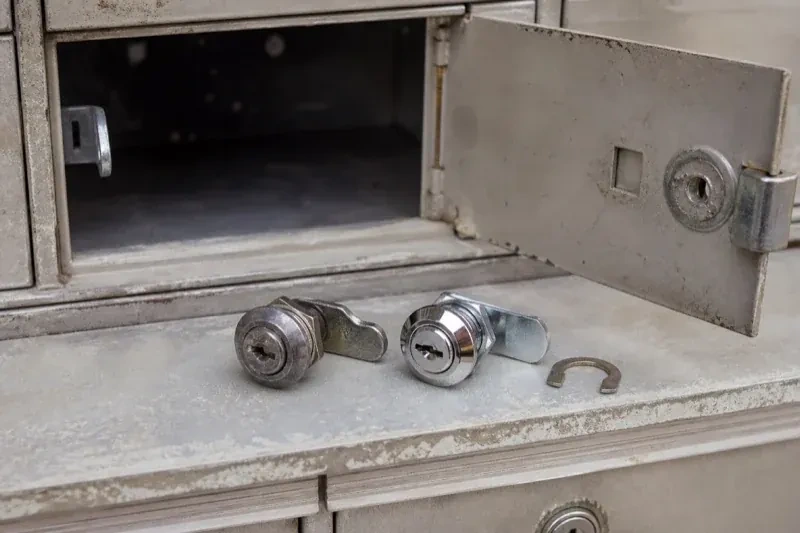
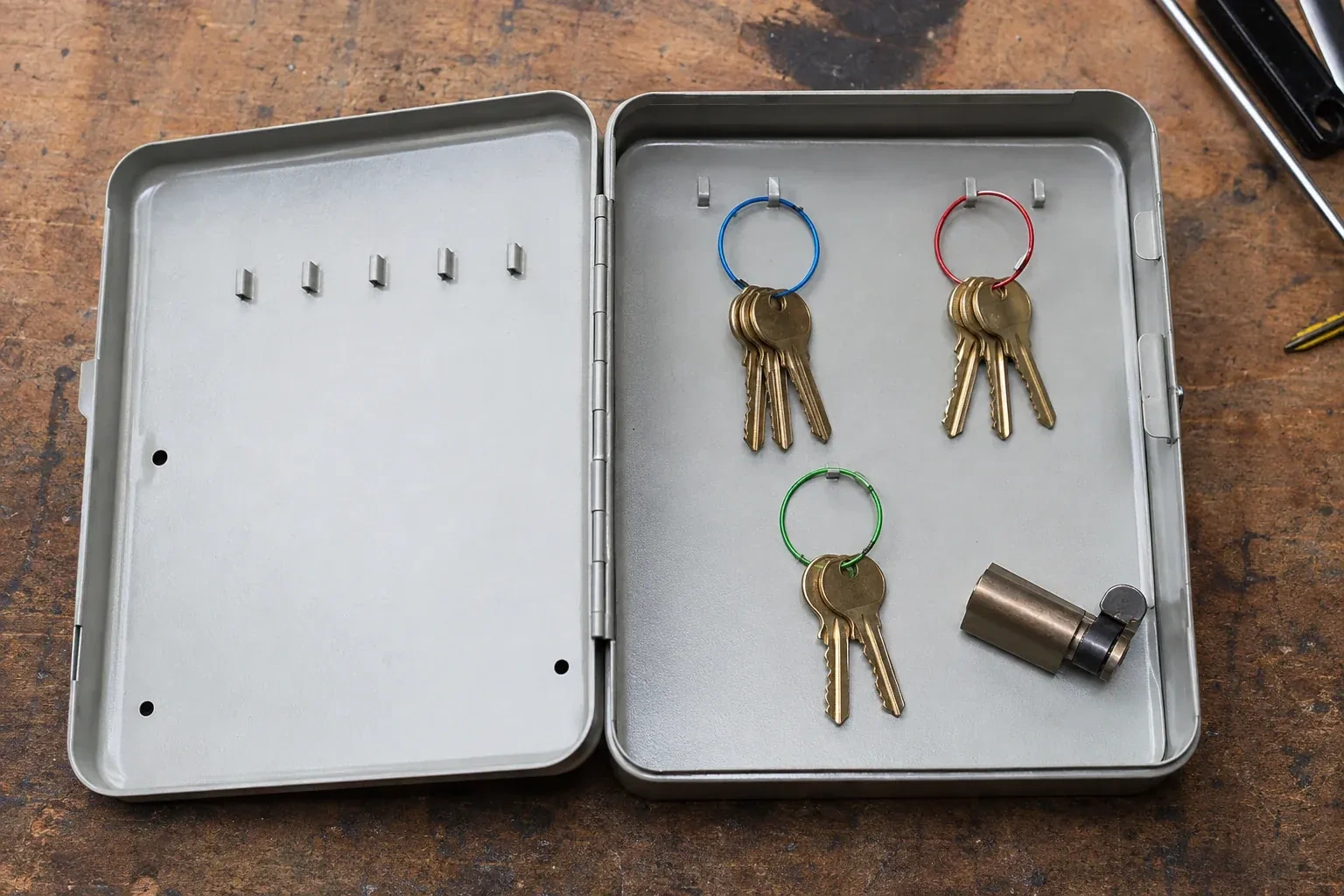
An inherited safe with no combination, a dial that has drifted, a keypad that stopped responding: each has a proper way in that preserves the box. We open, service and reset safes for homes and small businesses in West Montrose, and explain how to keep the mechanism turning for the next owner. The same crew covers Zuber Corners.
An inherited safe with no combination, a dial that has drifted, a keypad that stopped responding: each has a proper way in that preserves the box. We open, service and reset safes for homes and small businesses in West Montrose, and explain how to keep the mechanism turning for the next owner. The same crew covers Zuber Corners.
Old locks respected, new locks fitted right.
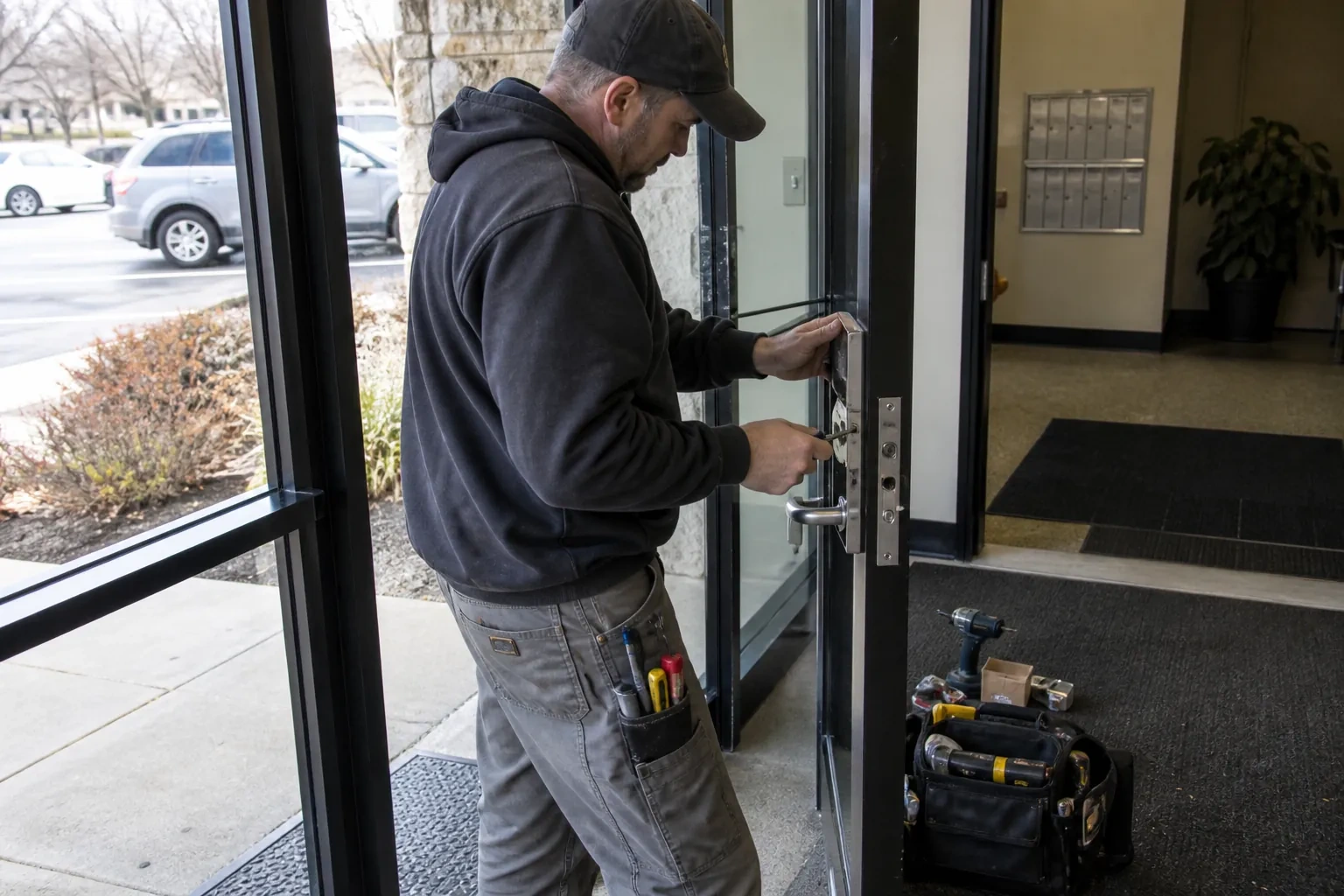
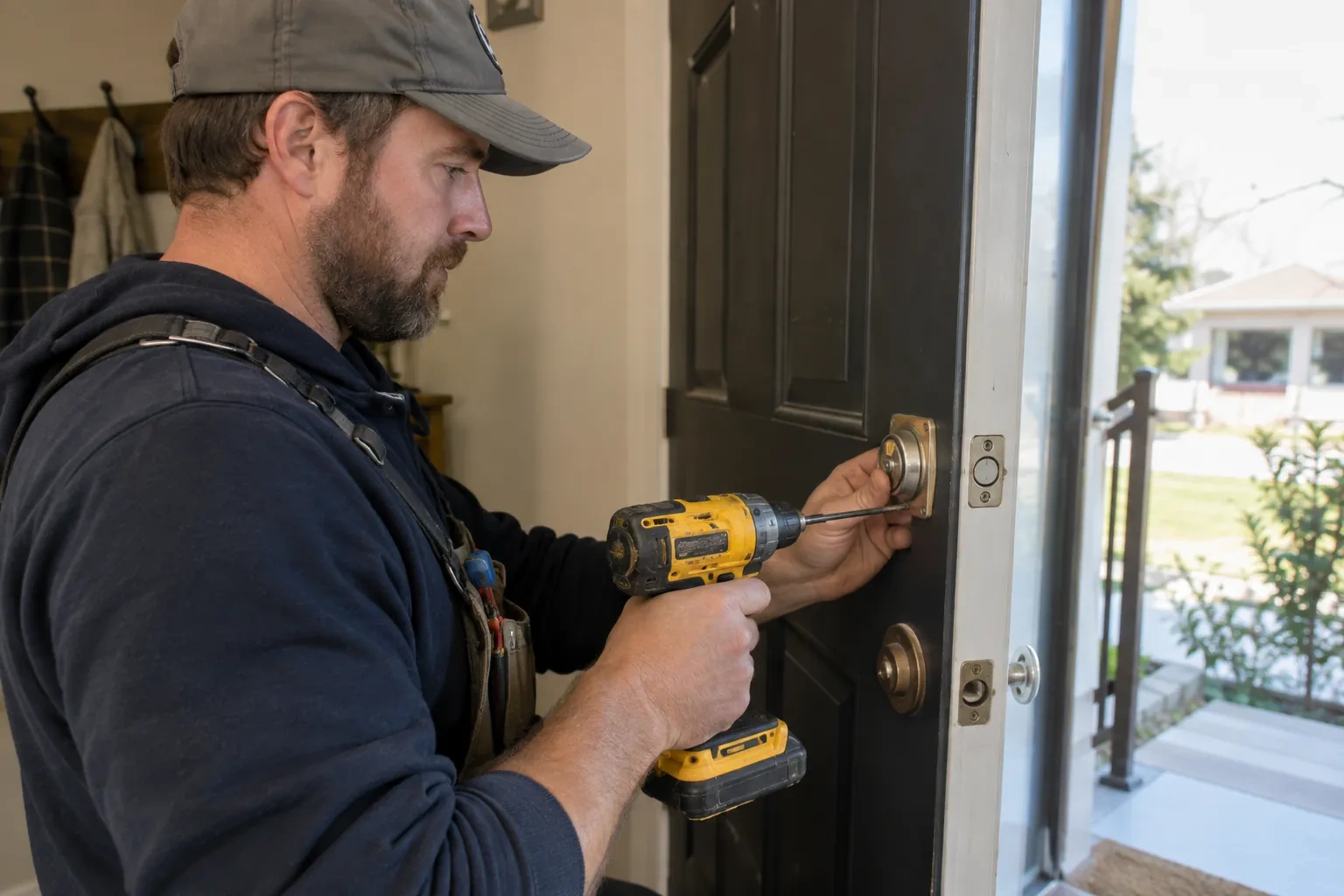
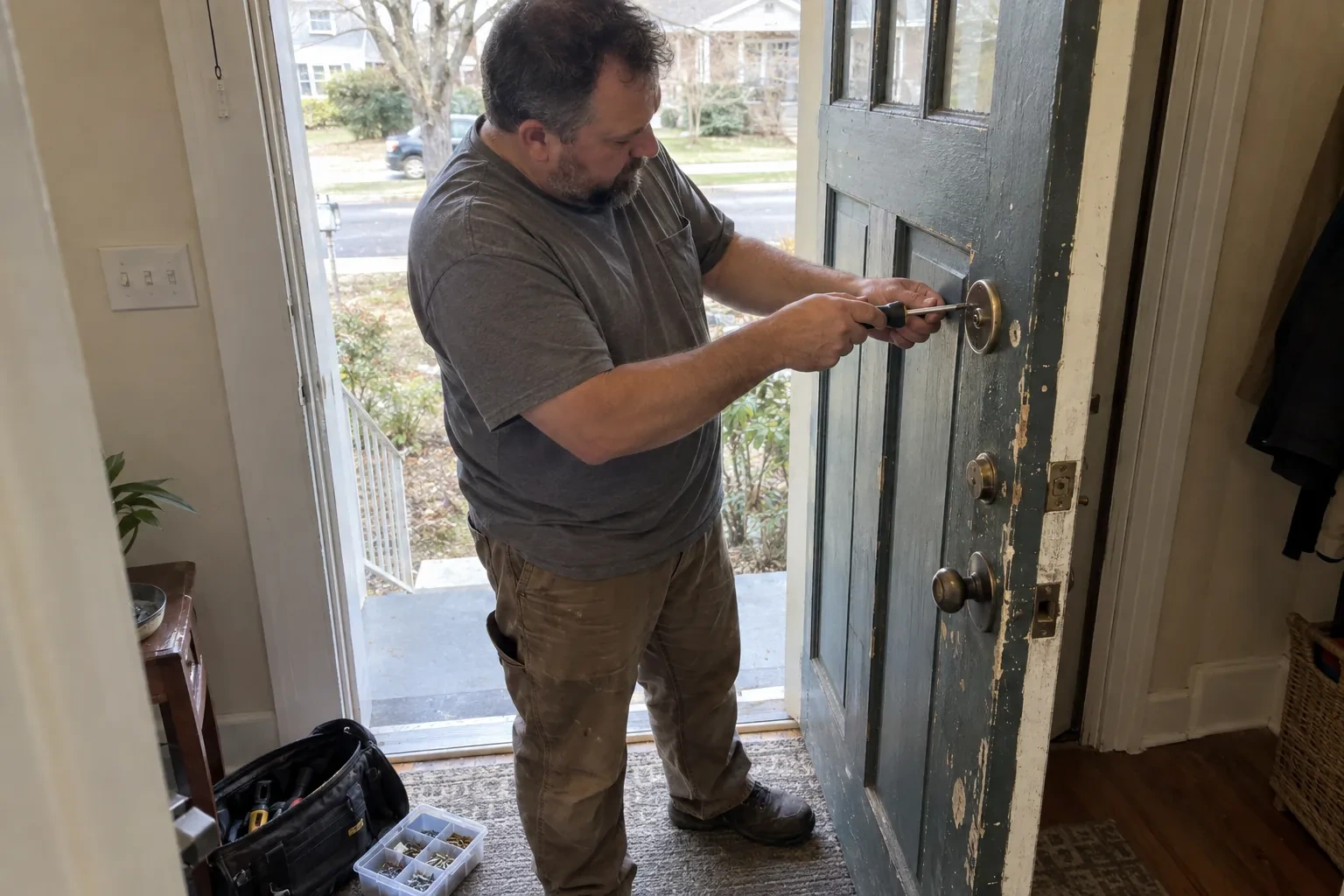
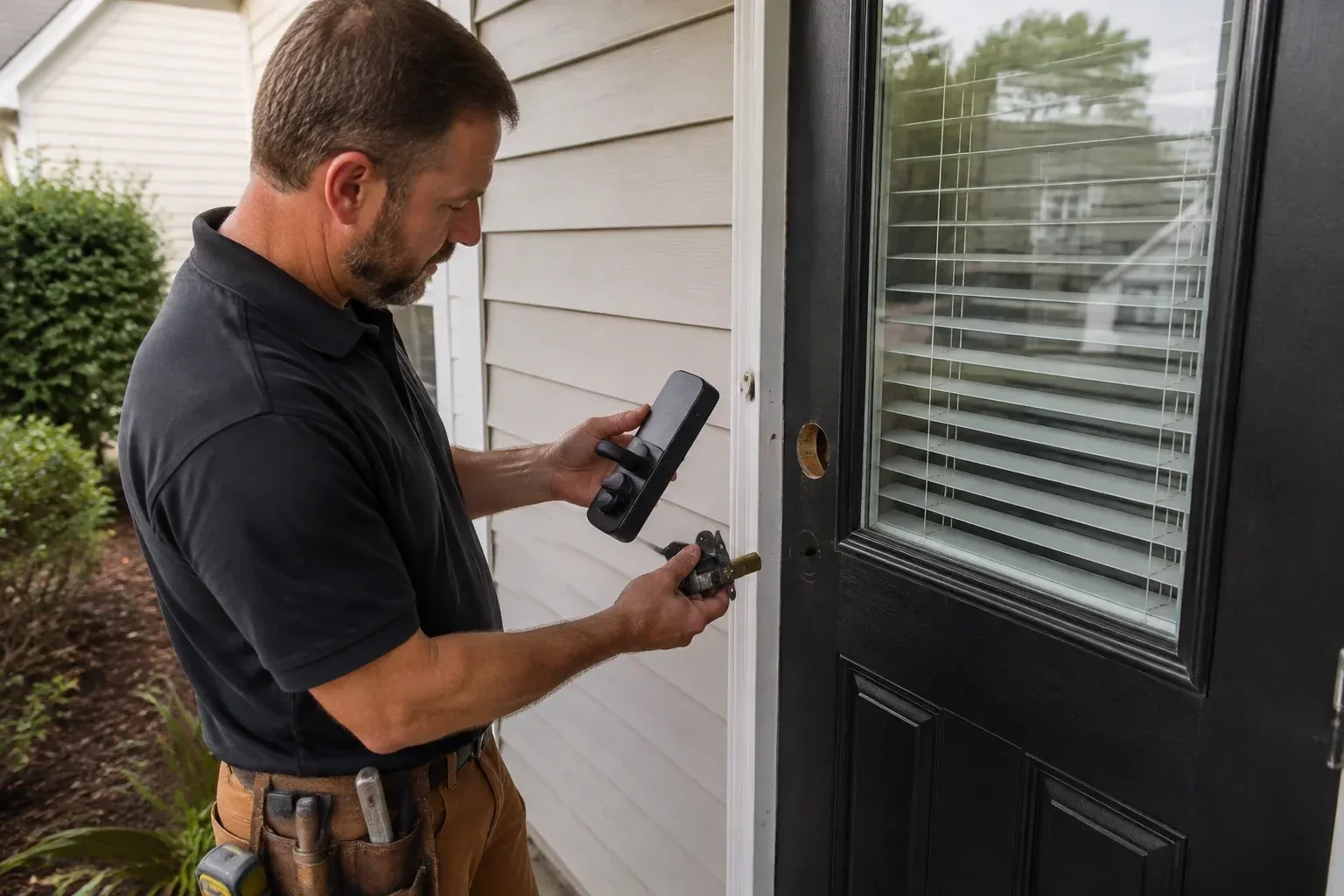
A lockout in West Montrose is handled without drama. The locksmith confirms you belong there, then uses the least destructive method the lock allows, so the door and cylinder are usually intact when you walk through. Only when a lock has genuinely failed does he move to drilling, and then he replaces the cylinder and hands you fresh keys before leaving.
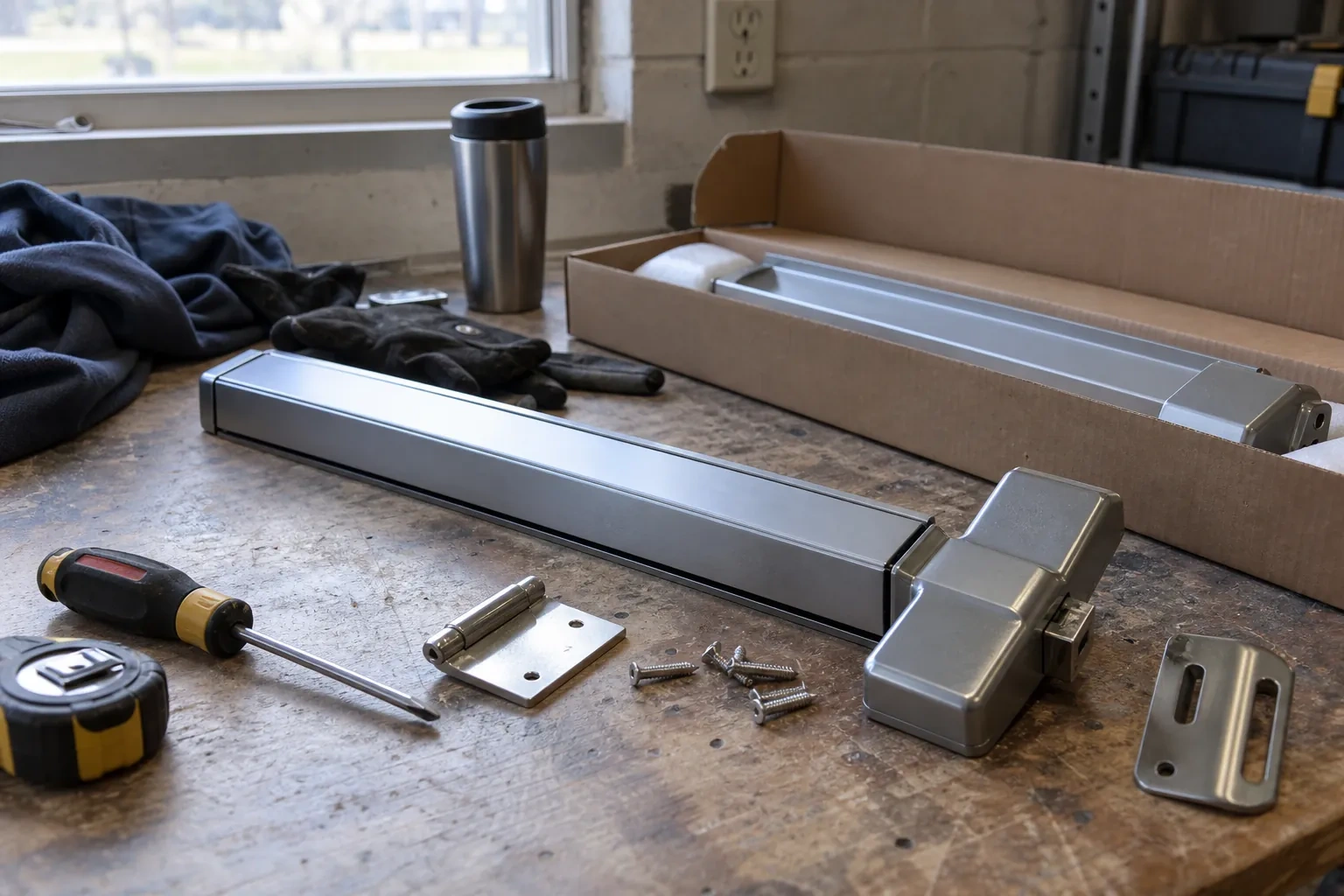
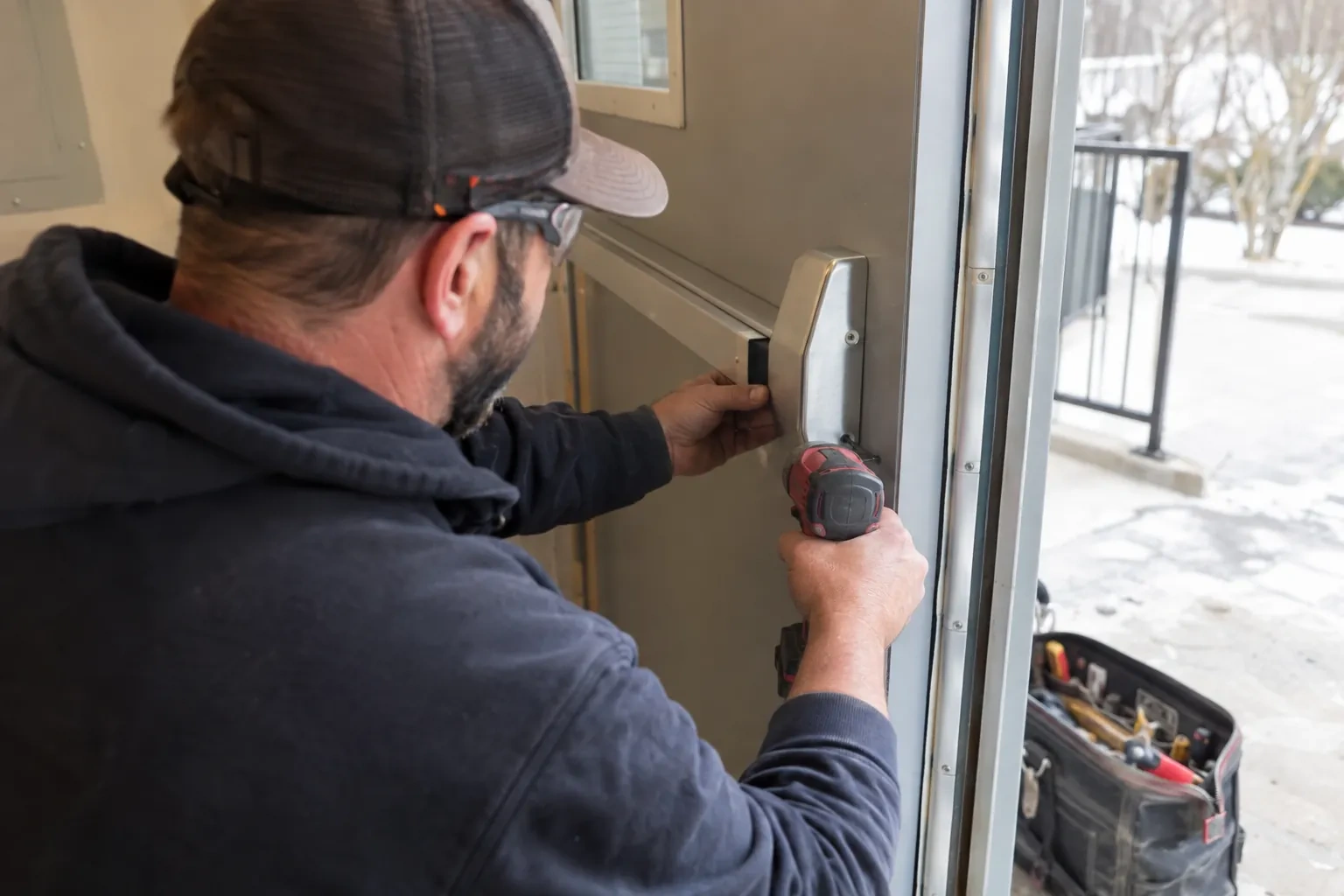
Access hardware for businesses in West Montrose does not have to be complicated. We start by asking which problem you want to solve, staff turnover, deliveries after hours, one door that everyone uses, and fit the keypad, reader or strike that answers it. Then we show you how to manage codes and cards yourself, so the system stays useful as your team changes.
30years in business
24/7open every day
You know what is happening. From the first look to the last turn of the key, we narrate the job in plain terms. You should never wonder what we are doing to your door.
Suggestions, not pressure. If we think an upgrade would help, we say so once and explain why. If you decline, that is the end of it.
The old parts handled. Removed locks and keys are given to you or taken away as you prefer. Old keys that no longer work are worth destroying, and we will do that if you like.
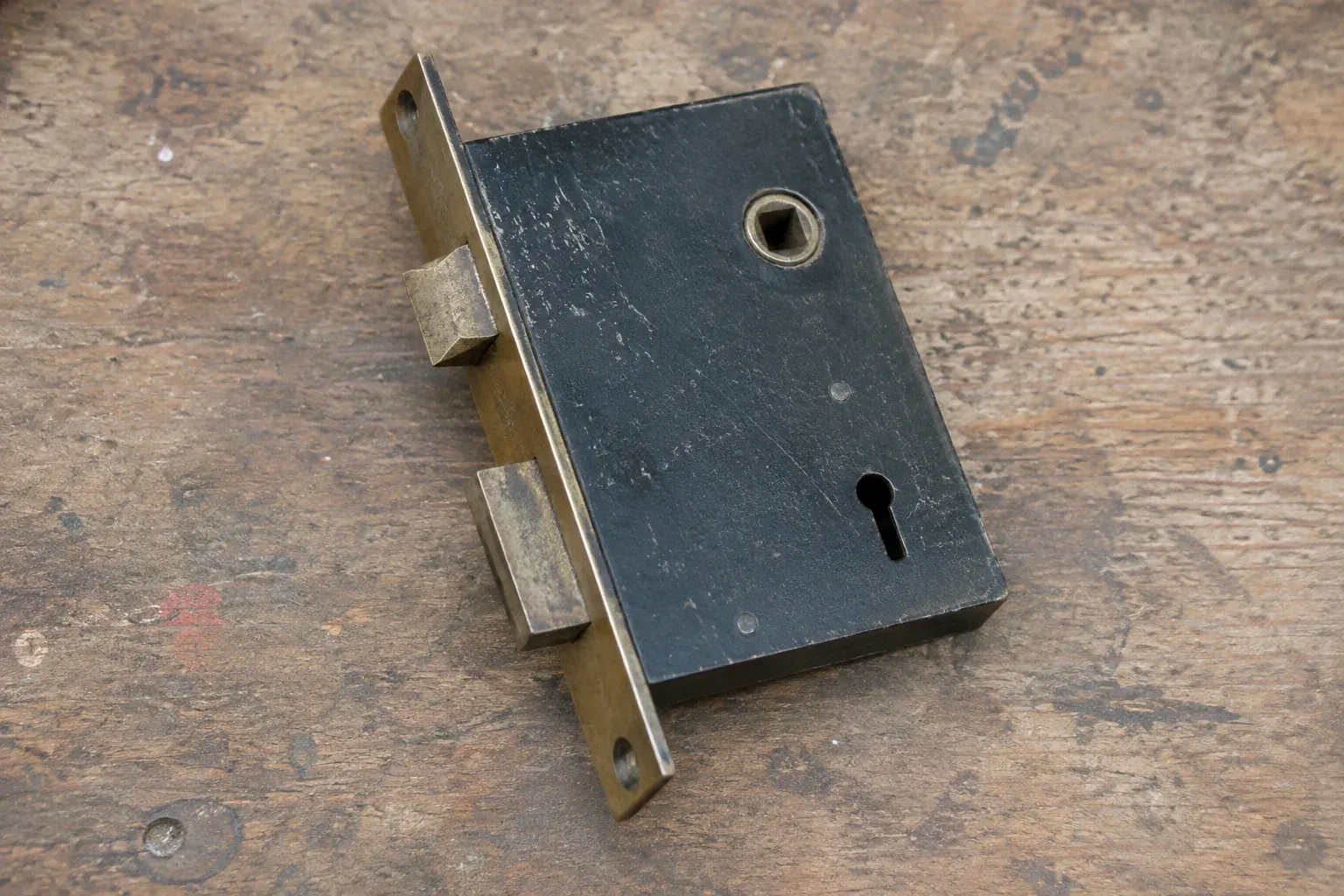
Think of this as the workshop list for West Montrose. Emergency lockouts and key extraction. Rekeying after a move or a staff change. Lock replacement and deadbolt installation. High-security cylinders and reinforced strikes. Commercial hardware, closers and master keys. Safe opening and service. Key cutting for house and car.
About 47% of homes in Woolwich were built in 1980 or earlier, according to the 2021 Census.
Homes of different generations tend to have different key habits. Older houses may have keys copied many times; newer ones may still have contractor keys about. A locksmith in a mixed area asks about both before recommending anything.
Single-detached houses make up about 76% of homes in Woolwich (2021 Census).
Mostly houses
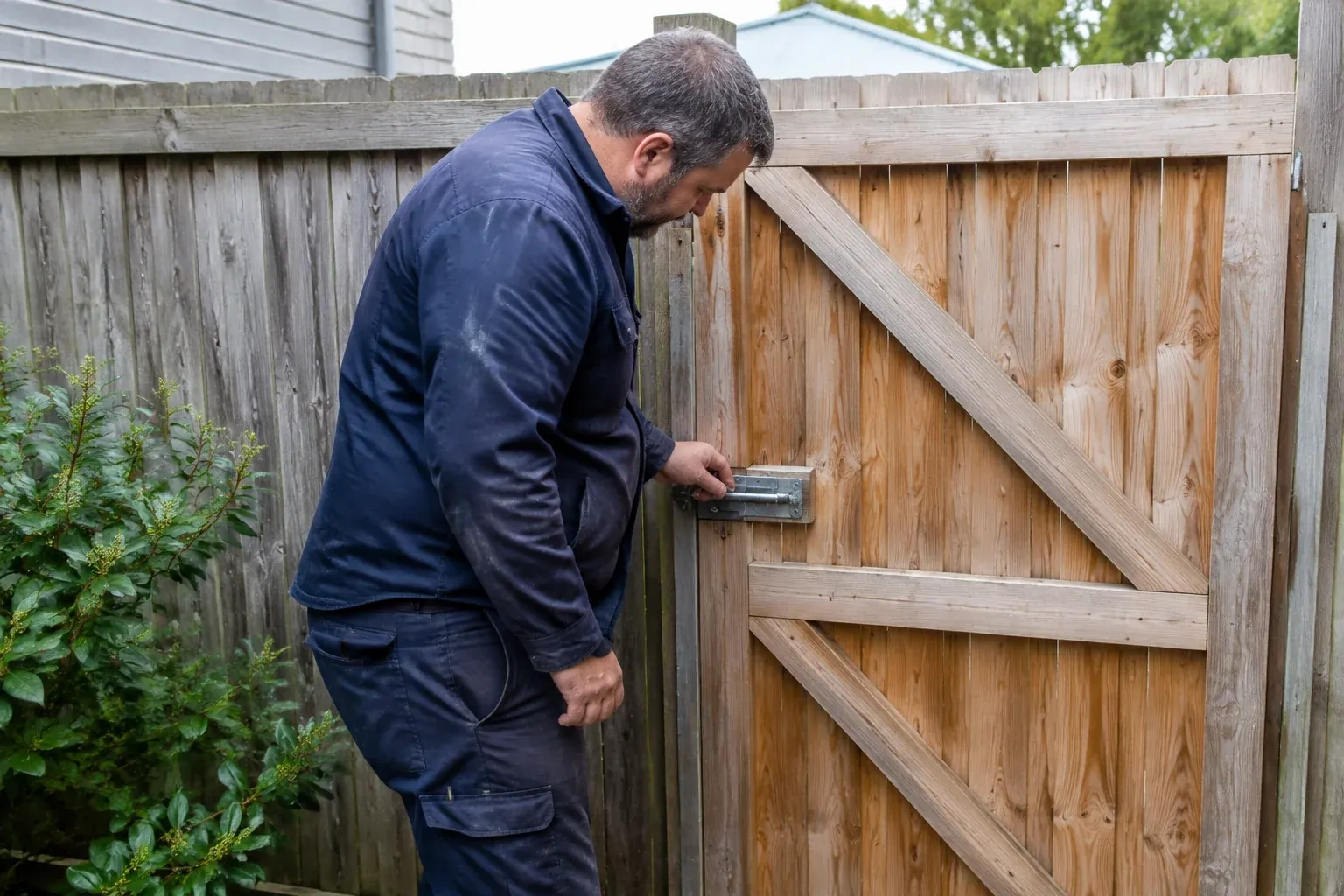
In areas of single houses, the door nobody watches is the side or back entry. It often has the weakest lock on the property. Fitting a proper deadbolt and a reinforced strike there is a modest job that closes the obvious gap.
You stepped out to grab the recycling bin and the door swung shut behind you. Through the glass you can see your keys hanging on the hook by the stairs, exactly where they always are, and the latch has caught.
After last night's power flicker the card reader beside the clinic door shows nothing. Fobs do nothing, the electric strike stays locked, and the small brass override key that came with the system is in a desk drawer on the far side of the door.
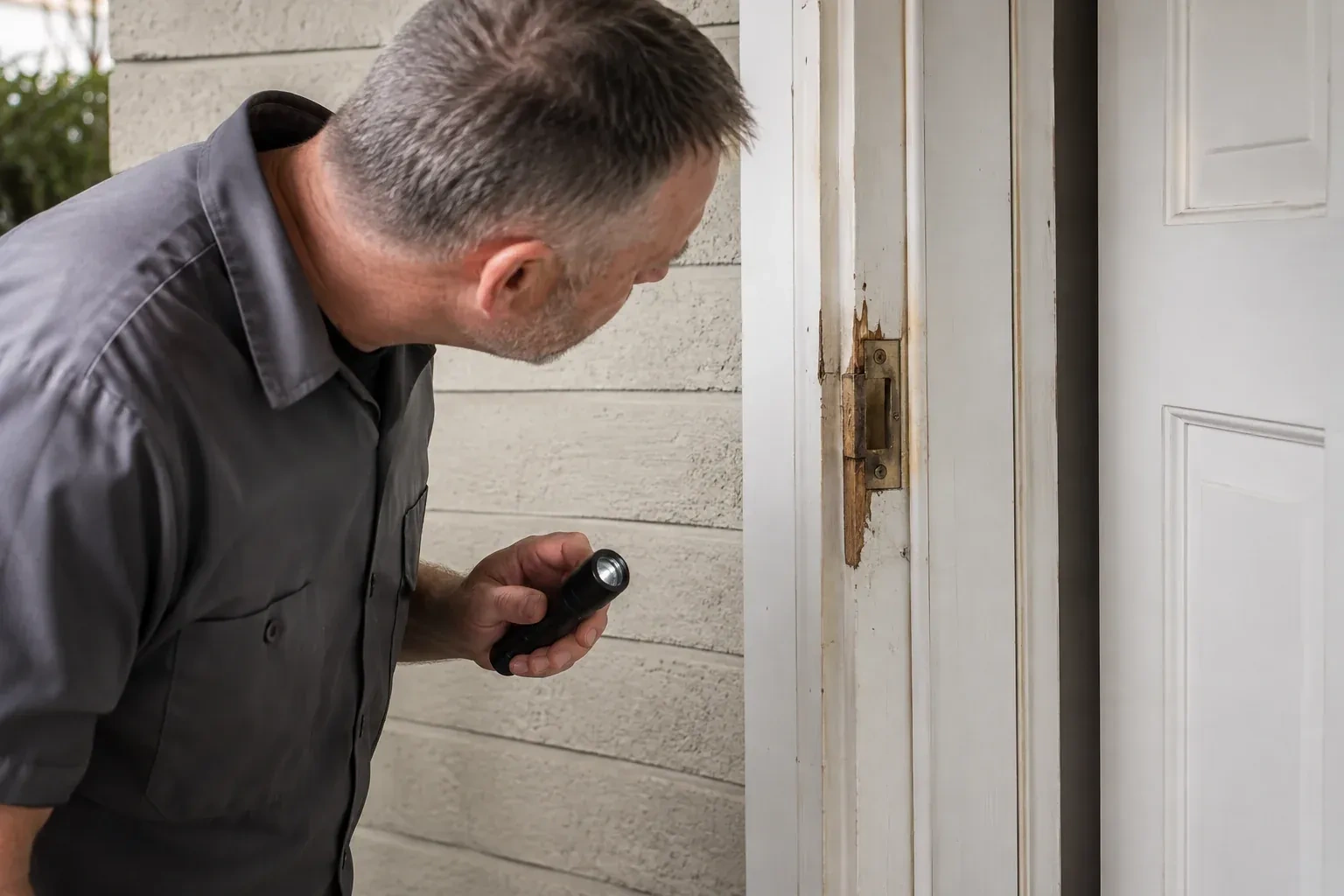
The back door looks closed until you touch it. The edge is crushed where a bar went in, the latch is bent sideways, and the door swings free with a gentle push no matter how you turn the key.
You are inside, the deadbolt is thrown, and the thumb-turn will not budge. It moved a little last week with some effort. Now the door you walk through every day is a wall, and you need it open.
The whole key ring went missing somewhere between the grocery store and the bus. You got back in with the spare, but a set of keys is out there, and you would sleep better knowing they open nothing.
After a wet summer the entry door sits lower in its frame. The lock works perfectly when the door is open, but with it shut you have to lift the handle and shoulder the door to get the deadbolt to throw.
The office has been reshuffled twice since the locks were last touched. Reception can open the server room, the warehouse crew has a key to accounting, and the chart that once explained who could open what has not been seen since the move.
Every fob for the car disappeared at once inside a bag that was never recovered, and the vehicle now sits in the driveway with no way in and no way to start it. A dealership visit would mean arranging a tow; a mobile programming visit is the other route.
Since the remote starter was installed last month, the original key has started acting strangely, the car catches on the first turn some mornings and refuses outright on others. Nothing about the key itself changed, but whatever the installer touched under the dash seems to be arguing with it.
A business needs its doors to open reliably for the right people and stay shut for everyone else, every day, without fuss. That is the whole brief for commercial work, and the pages here show how rekeying, master keying and access control each serve it.
WhyChanging the locks answers today's question; key control keeps it answered.
Every fob for the car disappeared at once inside a bag that was never recovered, and the vehicle now sits in the driveway with no way in and no way to start it.
WhyA used vehicle bought with one fob, or none, leaves a household relying on a single point of failure or locked out entirely.
Since the remote starter was installed last month, the original key has started acting strangely, the car catches on the first turn some mornings and refuses outright on others.
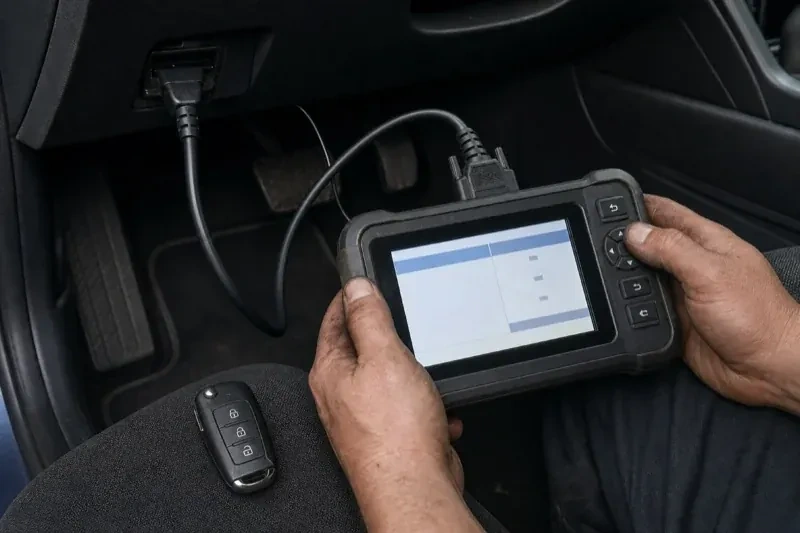
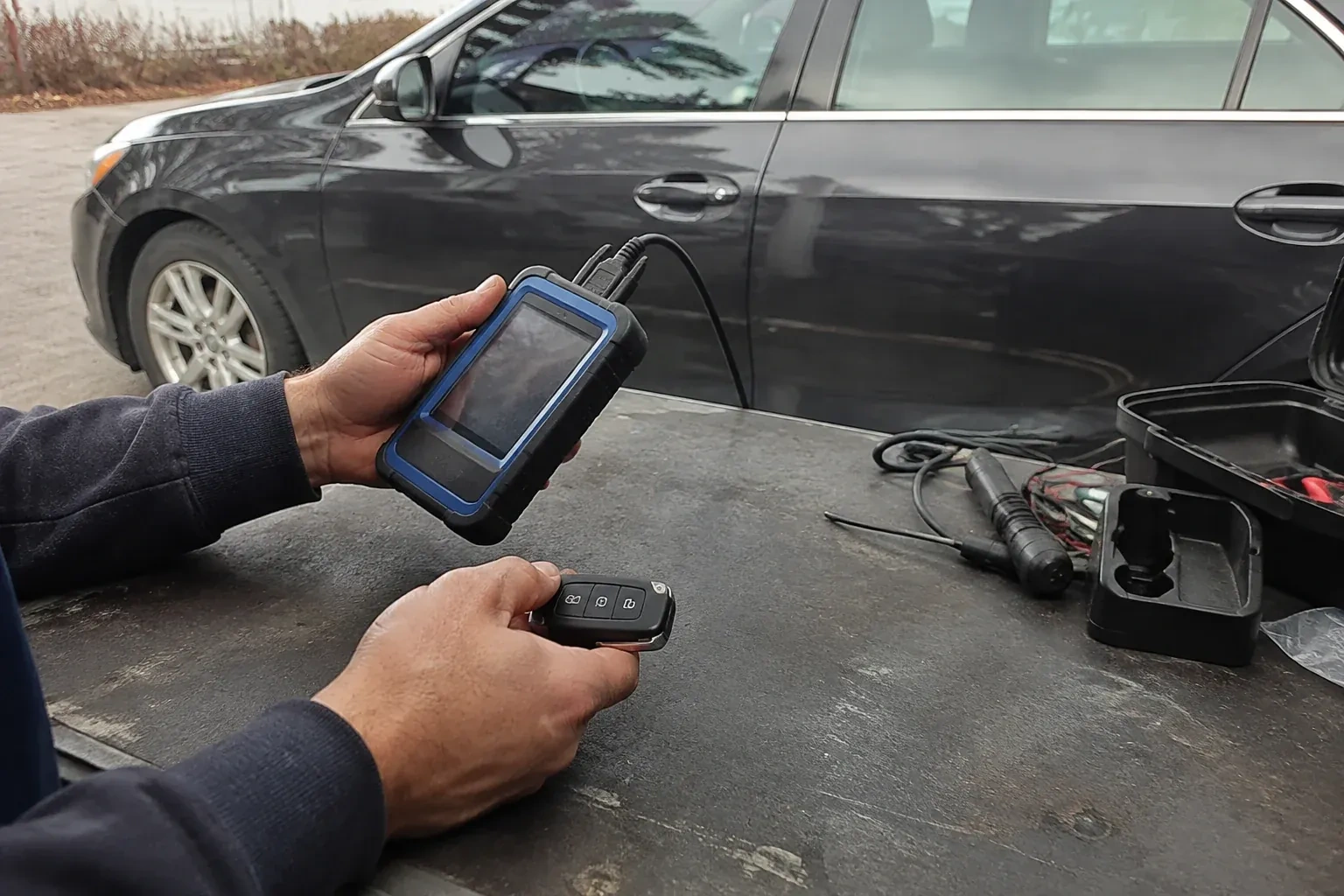
WhyTransponder key programming is the step that teaches a vehicle's immobilizer to recognize a key's chip so the engine agrees to start, separate from cutting the metal blade that opens the door.
How a visit goes
Describe the property, the hardware and what has changed, and the visit starts from what you have seen.
1
2
3
01
Deciding what to replace
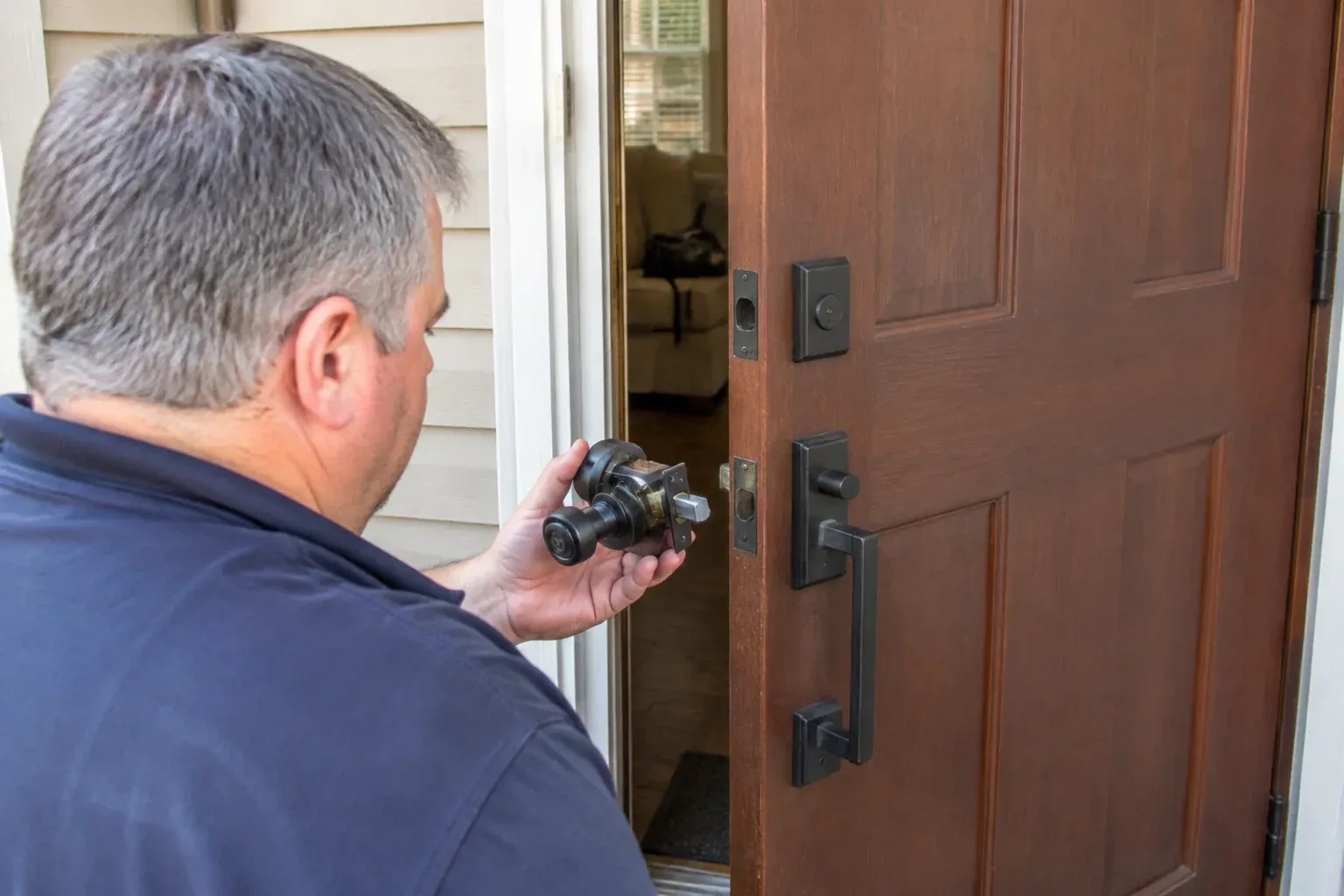
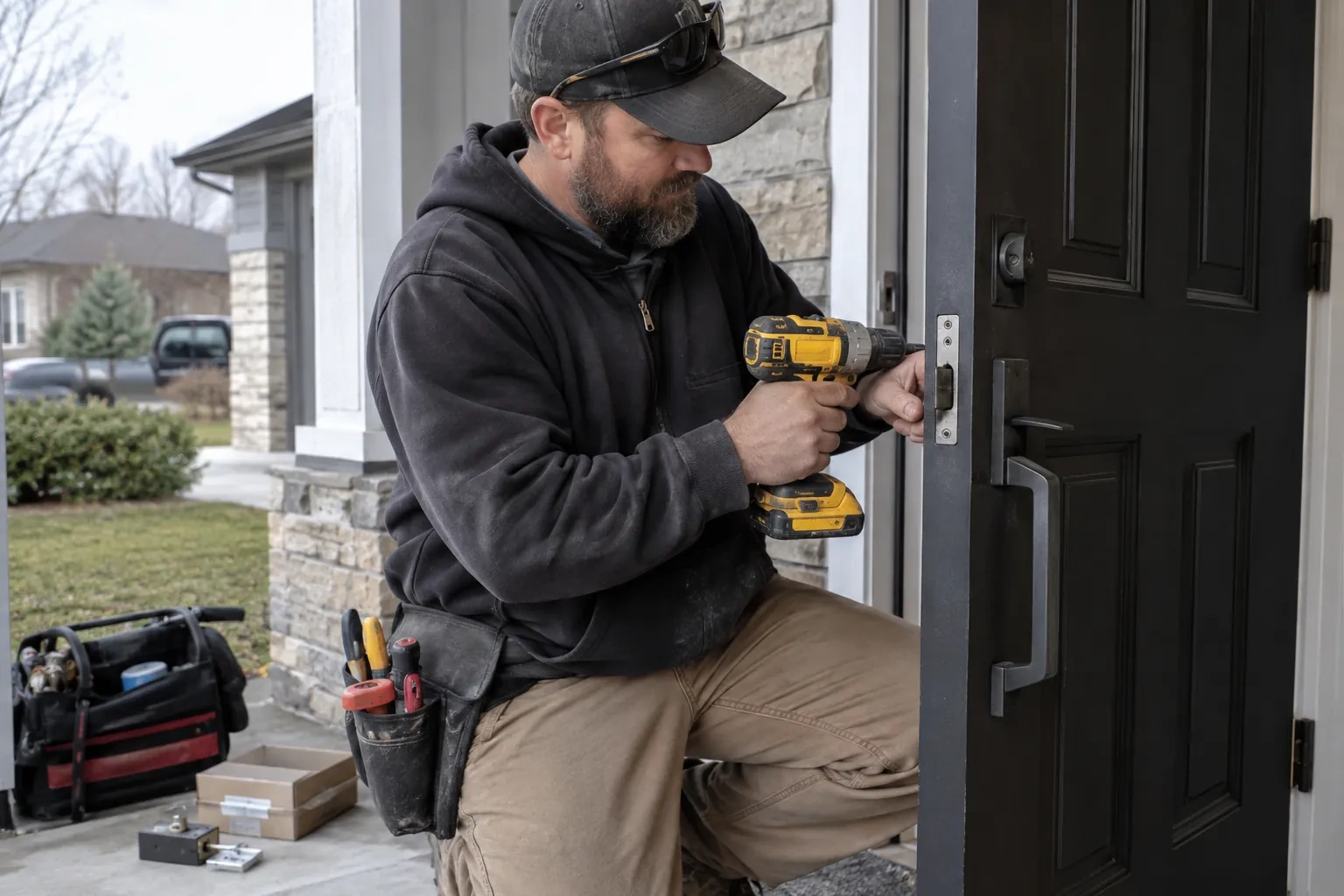
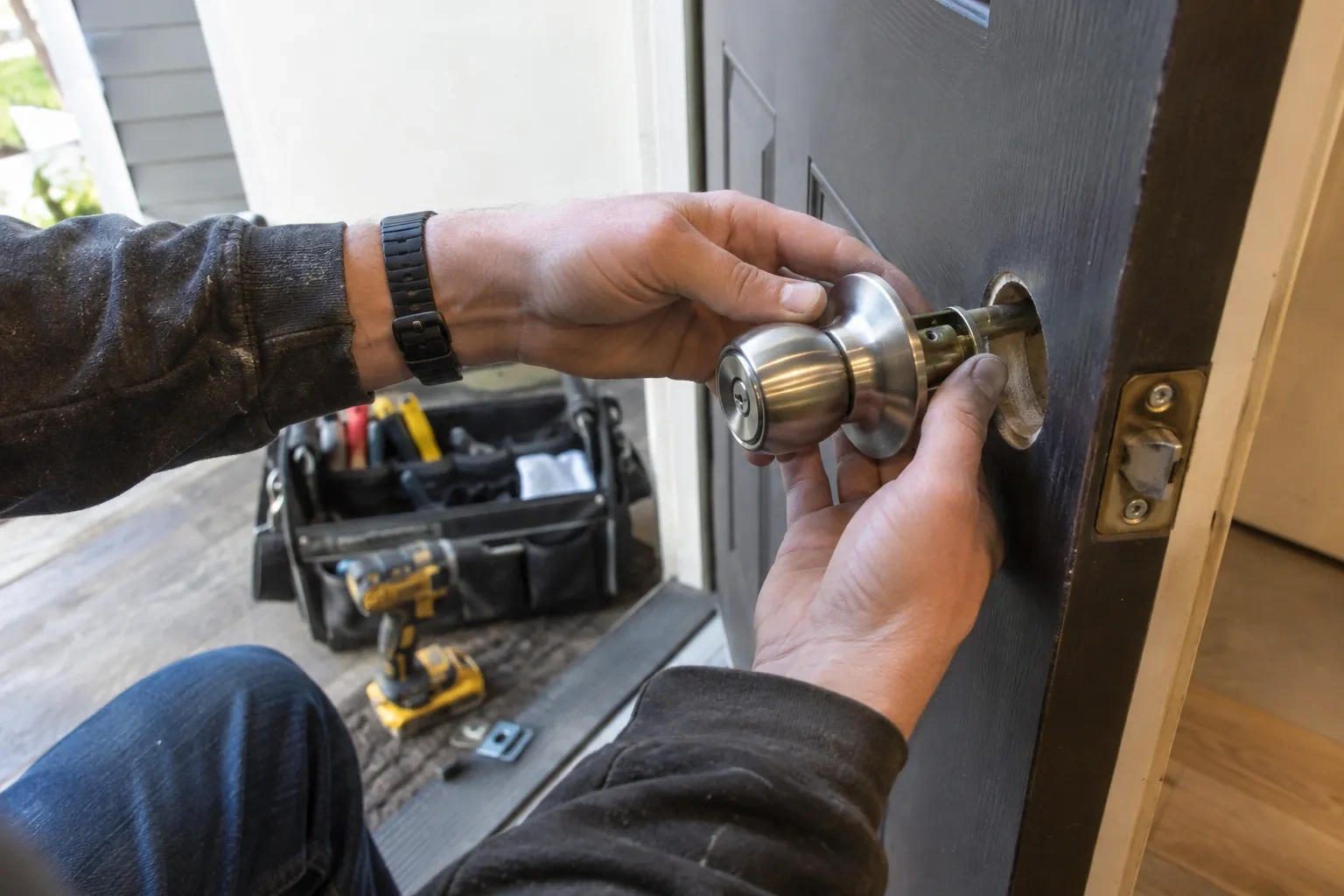
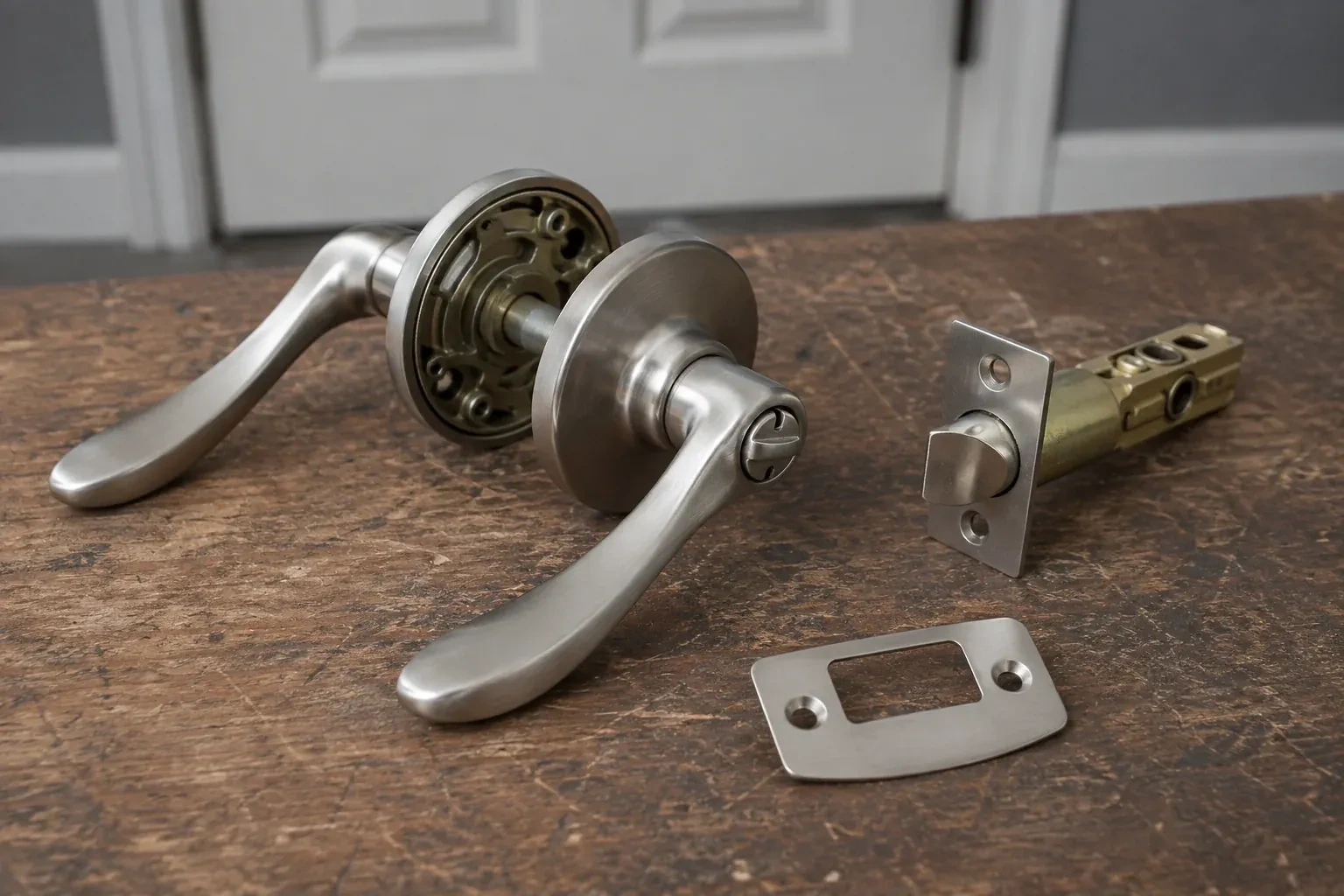
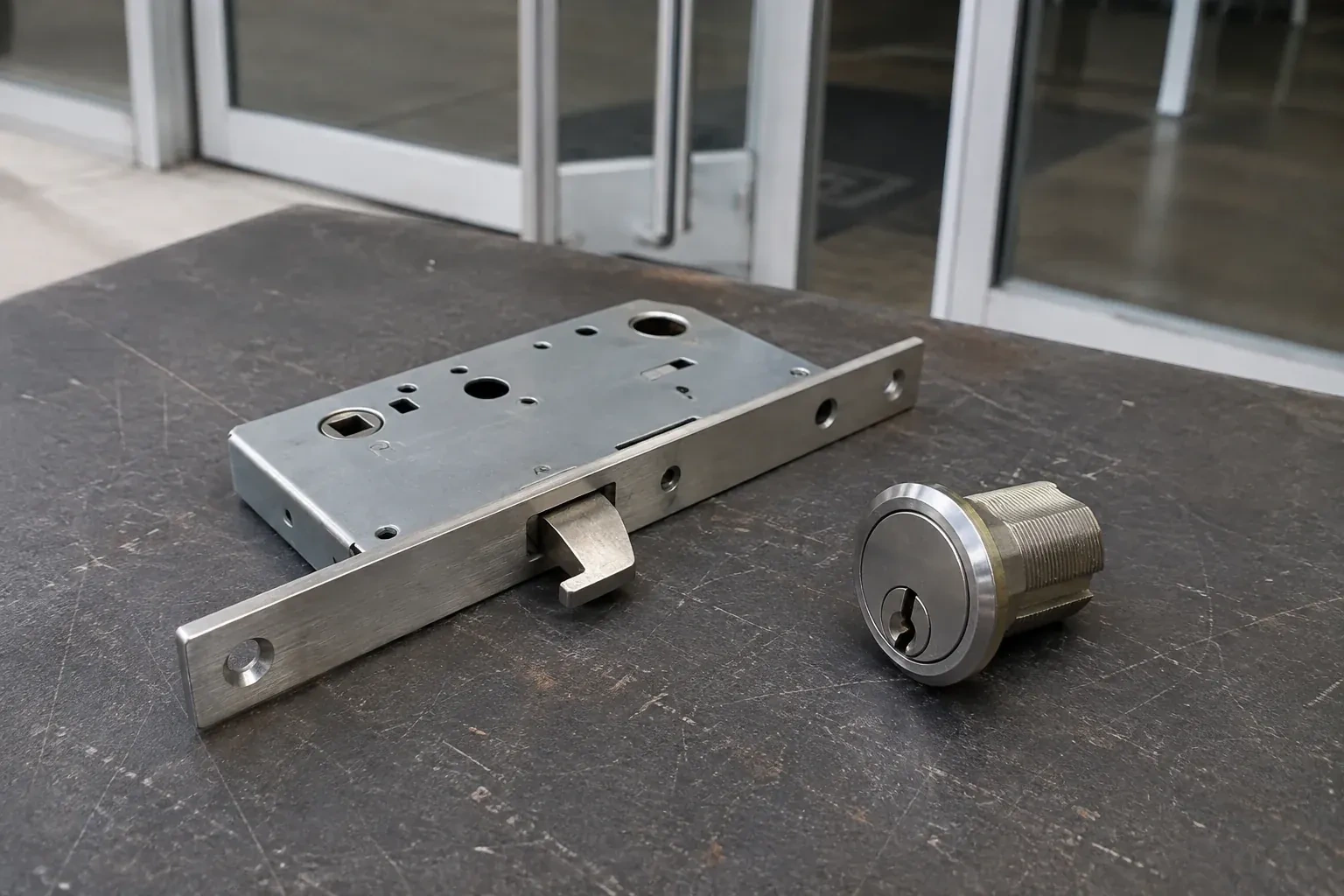
We look at the existing lock, the door thickness and the holes already drilled. Sometimes a new cylinder is enough; sometimes the whole lockset has earned its retirement.
02
Fitting the new hardware
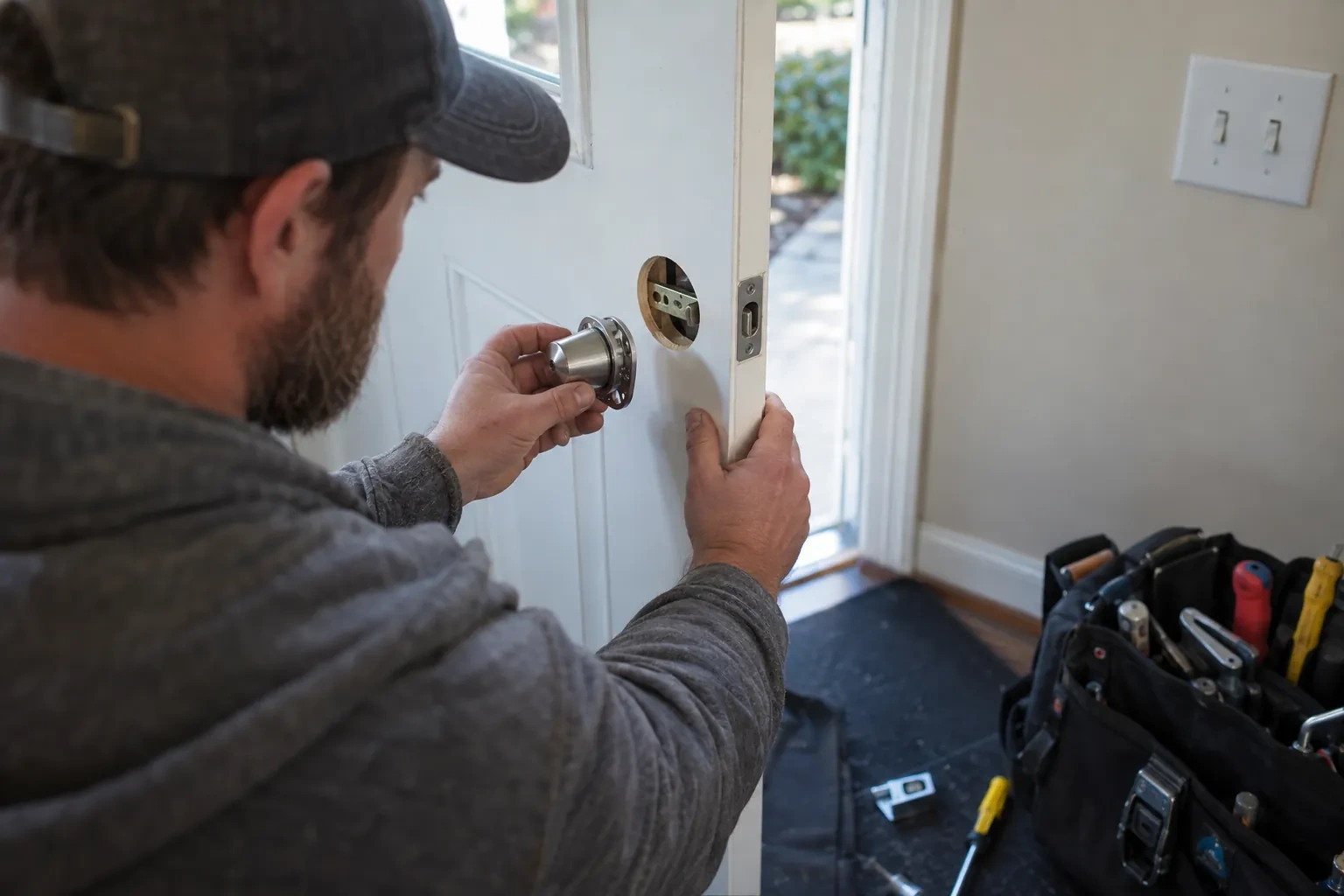
The new lock goes in with the strike adjusted so the bolt throws fully. If the old holes need filling or enlarging, that is done neatly.
03
Checking fit and finish
We test the lock with the door open and closed, from both sides, check the key turns without effort and clean up the doorstep before leaving.
My lock is a high-security model. Can it still be opened?
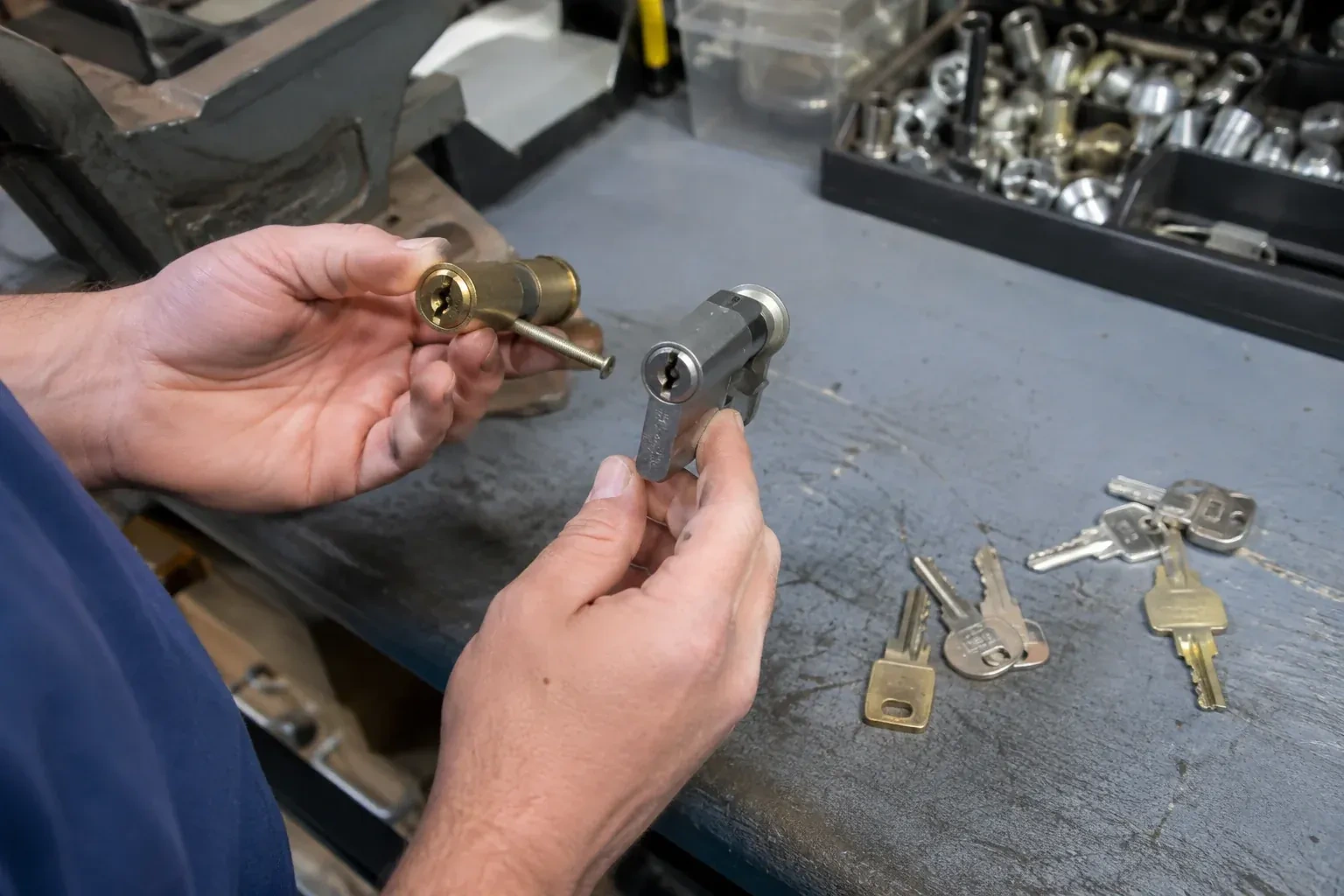
Yes. High-security cylinders with security pins, sidebars or restricted keyways are designed to slow an intruder, and they do slow a locksmith too, but they open with the right technique, a decoder made for that keyway, or as a last resort a precise drill through the cylinder followed by a like-for-like replacement. Bring any key card or code card that came with the lock, since restricted keys are cut from those records rather than copied.
What should I have ready when I call?
The address and unit number, which door you are outside, what the lock looks like, and where the keys are: with someone, lost, broken or simply refusing. Say whether there is an alarm or a card reader on the door, who can disarm or confirm your authority, and whether the building has a property manager. If you can send a photo of the lock and the door edge, the right cylinders and cores come on the first trip.
The intruder pried open our sliding patio door. Can it be made secure?
Yes. The panel goes back on its track and the broken latch is replaced, then the weaknesses a slider is born with are addressed: anti-lift blocks in the upper channel so the panel cannot be raised off its rollers, a foot bolt or pin lock through the frame at the bottom, and an auxiliary keyed lock if the latch alone is flimsy. A bowed frame may need a door installer, with the opening secured until they come.
Why did my lock seize when it worked yesterday?
Locks rarely fail in a day; they fail slowly over months and announce it in a morning. Grit and old lubricant build up in the pin stacks until one cold night thickens them past the point the key can overcome, or a door that has been drifting on its hinges finally pins the bolt after a humid week. The wiggle you needed last month was the warning. A lock in this state is usually cleaned or adjusted back to health rather than replaced.
What should I have ready before the locksmith arrives?
A list of the doors you want included, a working key for each lock if you have one, and a clear idea of whether you want everything on one key or some doors kept separate. Have your identification and something tying you to the address handy. If you rent, have your landlord's agreement ready to mention. Knowing roughly how many new keys the household needs saves a second trip to cut more.
The lock works with the door open but not when it is closed. Is the lock broken?
Almost certainly not. That pattern means the door has moved in its frame so the latch and bolt no longer meet the strike squarely. Solid wood doors in older houses swell in humid weather and settle on their hinges over the years. The service adjusts or shims the strike and tightens or packs the hinges so the bolt throws without lifting the door, and the lock itself is usually cleaned and lubricated at the same time.
What do you do with the old keys?
They are gathered, tested at each rekeyed door to confirm they no longer work, and then cut through so they can never be used or copied. You can keep the pieces or the locksmith takes them away. Any old key that still operates a door you chose to leave unchanged is handed back and noted on the chart, so it is clear which keys remain live and which are scrap.
Is fixing a lost key different from just adding a spare?
Yes. Adding a spare while every existing fob still works only involves registering the new one. A lost key involves that same registration plus removing the missing fob's authorization following that vehicle's own procedure, since leaving it active means whoever has it can still use it; some vehicles also relearn the fobs you keep, and a mechanical blade in the lost fob is ruled out by rekeying the matching lock. The two situations share a first step but not a last one.
Can a vehicle from before transponder keys were common have one added now?
It depends on the vehicle and what its factory ignition system supports; some older models can accept an aftermarket immobilizer and matching transponder key, while others were never built with a compatible module at all. This is worth discussing model by model rather than assuming either answer, since the mechanical side of an older ignition is often the easier half of that conversation.
Request a visit
A lockout in West Montrose is handled without drama. The locksmith confirms you belong there, then uses the least destructive method the lock allows, so the door and cylinder are usually intact when you walk through. Only when a lock has genuinely failed does he move to drilling, and then he replaces the cylinder and hands you fresh keys before leaving.