High security · Heidelberg
High Security Locks in Heidelberg
The pharmacy stockroom, the server closet or the cash office is protected by the same ordinary cylinder as the staff washroom.
In plain words
High security locks are cylinders and deadbolts designed to defeat the methods used against ordinary doors. Inside the cylinder a second locking mechanism, usually a sidebar released by finger pins or rotating pins, has to be satisfied at the same time as the normal pin stack, which is what stops picking and bumping. Hardened steel inserts stop drill bits. The bolt is thicker and carries a hardened pin against sawing, and a reinforced strike ties the lock into the wall framing. Just as important, the key is cut on a patented blank that only an authorised person can have copied, so your key count stays known.
How the visit goesYou have lost count of how many people have had a key to your house over the years: cleaners, a contractor, a former partner, the previous owner's family. The lock still works, but you no longer know who else it works for.
High Security Locks
How the visit goes
What the door is protecting
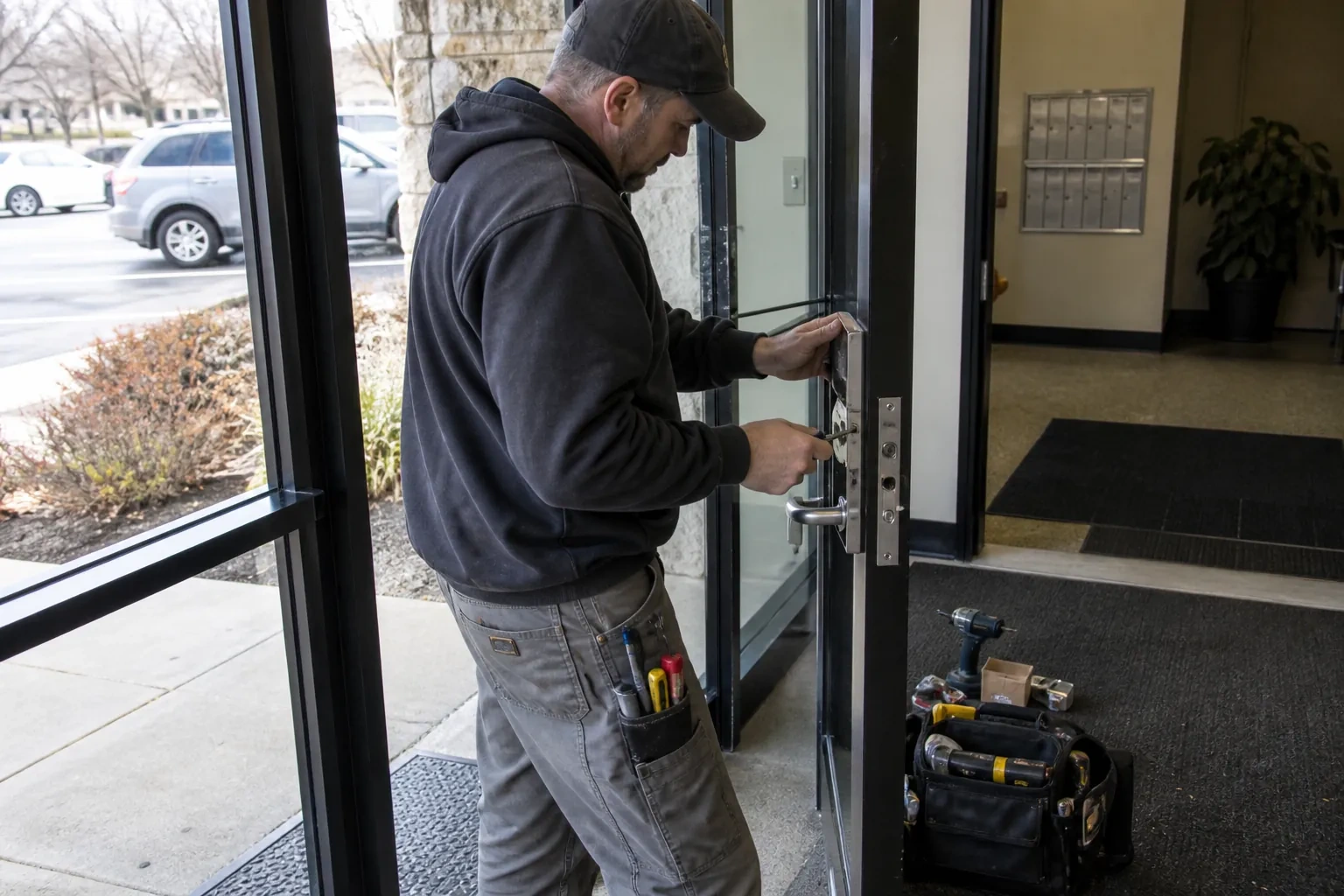
The assessment starts with a question rather than a tape measure: what is behind this door, and what has made you think about it now? A front door on a family home, a stockroom with prescription drugs and a server closet in an office carry different risks and deserve different levels of hardware. The locksmith also asks who has keys today and how sure you are of that count. Those answers decide whether the right answer is a graded deadbolt with a controlled key, a laboratory-rated cylinder in a heavy lock body, or a small keyed system across several doors. Spending goes where the risk actually sits.
Upgrading the cylinder in place
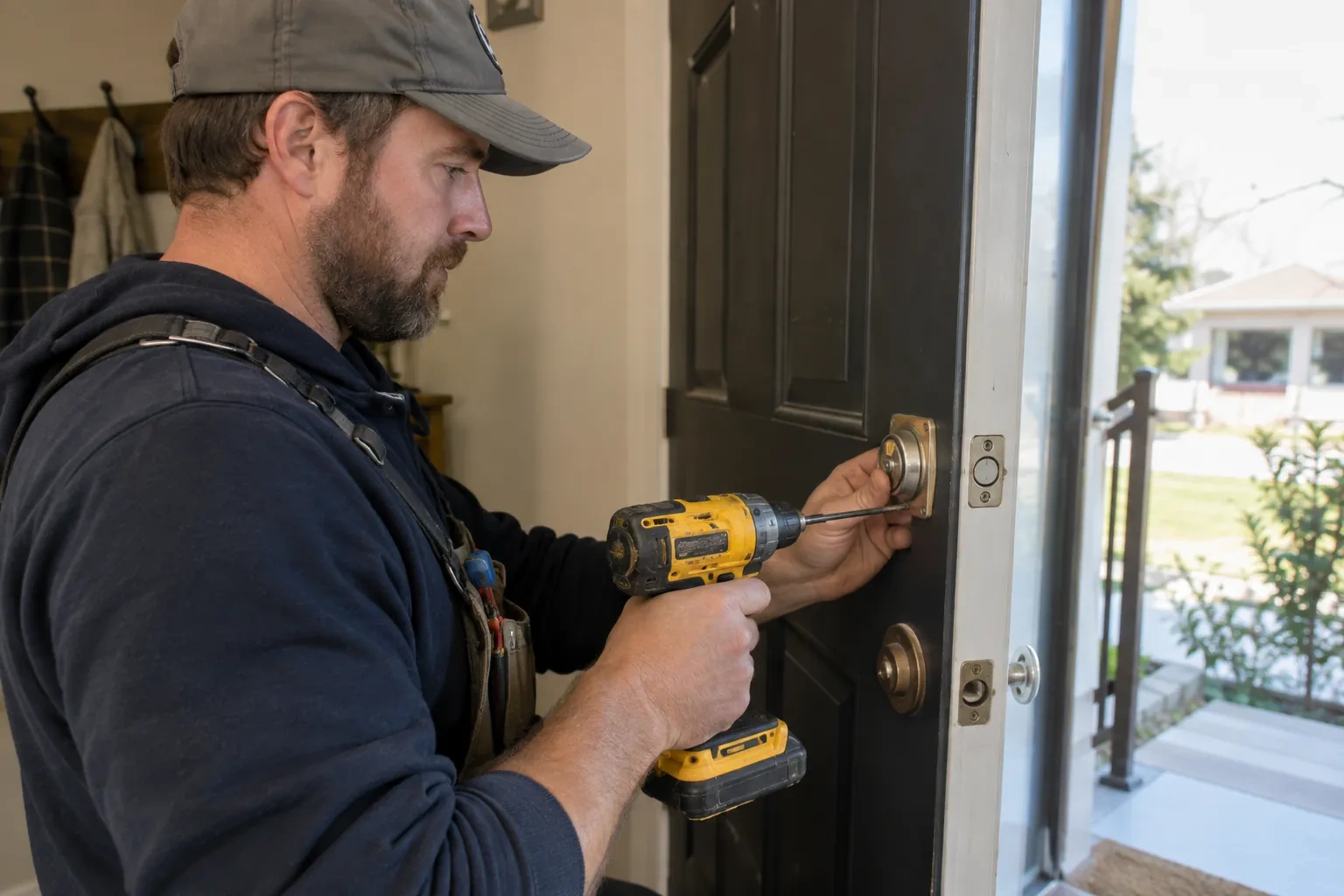
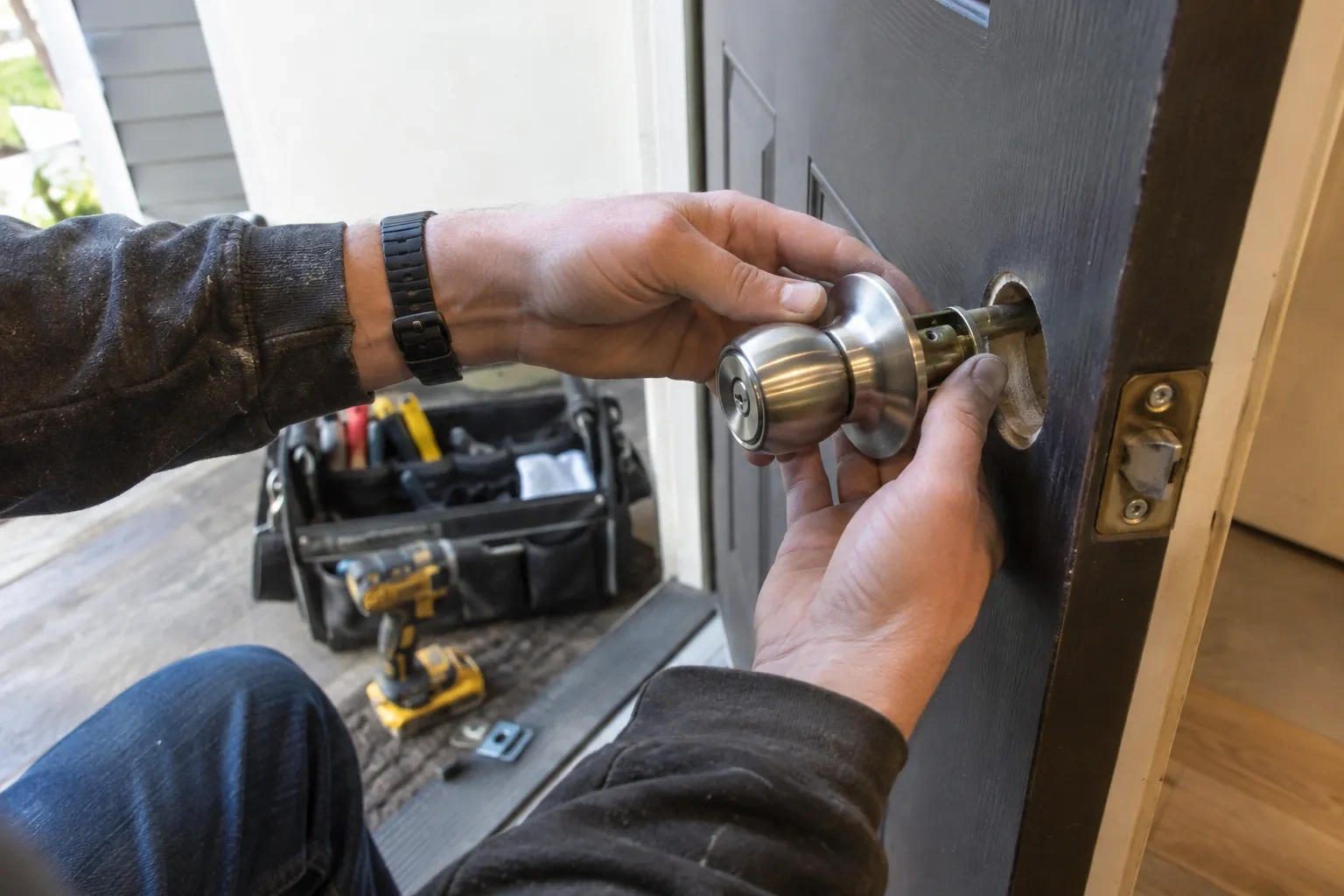
Where the existing lock body is sound, the locksmith removes the ordinary cylinder and fits a high-security one of the same format, so your deadbolt or lever stays and only the working heart changes. The new cylinder brings a sidebar released by finger or rotating pins, hardened steel inserts in the path of a drill, and a keyway that accepts only the controlled blank. Keys are cut from code on a machine that handles the side bitting. The tailpiece or cam is matched so the bolt throws fully, then the cylinder is fixed with its set screw and tested with every key.
A known number of keys
The most noticeable change is not in the door but in your head. You know exactly how many keys exist, who holds each one and that nobody can add to that number without your authorisation. The system is registered in your name with the locksmith, so a request for an extra key comes back to you rather than being filled at a counter somewhere. Keep the authorisation card or login details somewhere safe and separate from the keys. When a key is lost, tell the locksmith; the record is updated and you can decide together whether that key's loss warrants any further step.
High Security Locks
In the van
Pinning kit and plug follower
Hardened cylinder guard ring
Wrap-around door reinforcer
Key control authorisation card
Patented key blanks
High Security Locks
What affects the quote
Cylinder only or full deadbolt
Swapping the cylinder inside a sound deadbolt is a smaller job than fitting a new graded deadbolt through the door, and a knob-only door that needs a fresh bore is bigger again.
Number of doors
Each door gets its own cylinder or lock, strike work and testing. Several doors on one keyway share the setup cost of the key system but add hardware and time per opening.
Strike and frame reinforcement
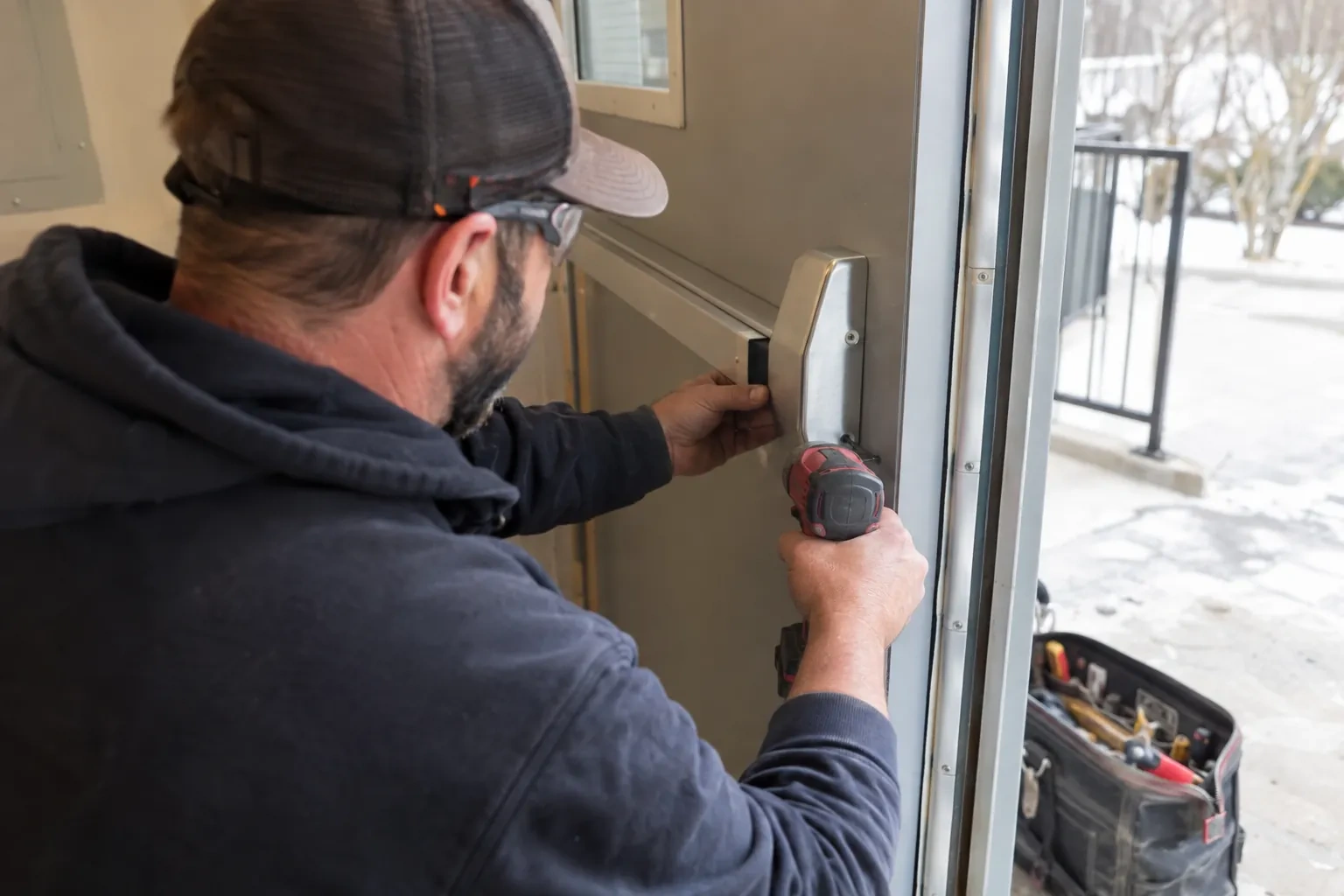
A reinforced strike with long screws is modest work on a healthy frame. Deepening the pocket, filling split wood, fitting a jamb plate or a wrap-around reinforcer adds materials and time.
What to have ready
- Which locks are on the door now: knob only, knob and deadbolt, a mortise lock or a lever?
- Is the door wood, steel-clad, fibreglass or aluminium with glass?
- Is this a house, condo, rental unit or business premises, and do you own or manage it?
High Security Locks: questions
QuestionsCan a hardware store or kiosk copy my new key?
No. The blank for a patented keyway is distributed only through the manufacturer's network to locksmiths who hold the system, and the side milling or angled cuts need a machine set up for that line. A kiosk would have neither the blank nor the cut. Extra keys come through your locksmith, cut from code, once an authorised person has approved the order. That routine is a small inconvenience compared with never knowing who has a copy.
What is bumping, and does this stop it?
Bumping uses a specially cut key that is struck while under light turning pressure, bouncing the pins to the shear line for an instant so an ordinary cylinder opens. It works on many standard pin tumblers. A high security cylinder needs its sidebar released by separately positioned finger or rotating pins at the same moment, and a bump key cannot set those, so the plug stays locked. It is one of the clearest advantages of the upgrade.
What is the difference between restricted and patented keys?
A restricted keyway is one the manufacturer supplies to a limited set of dealers, so blanks are harder to obtain but not legally protected. A patented key design is protected by a patent for a fixed term, and making or selling the blank without permission is unlawful during that time. Patented systems give the firmer control; restricted ones give a useful step up. The locksmith explains which your chosen line uses and when any patent expires.