Change or rekey · Elmira
Lock Rekeying in Elmira
One key for the front door, another for the back, a third for the side door into the garage, and a fourth for the shed.
In plain words
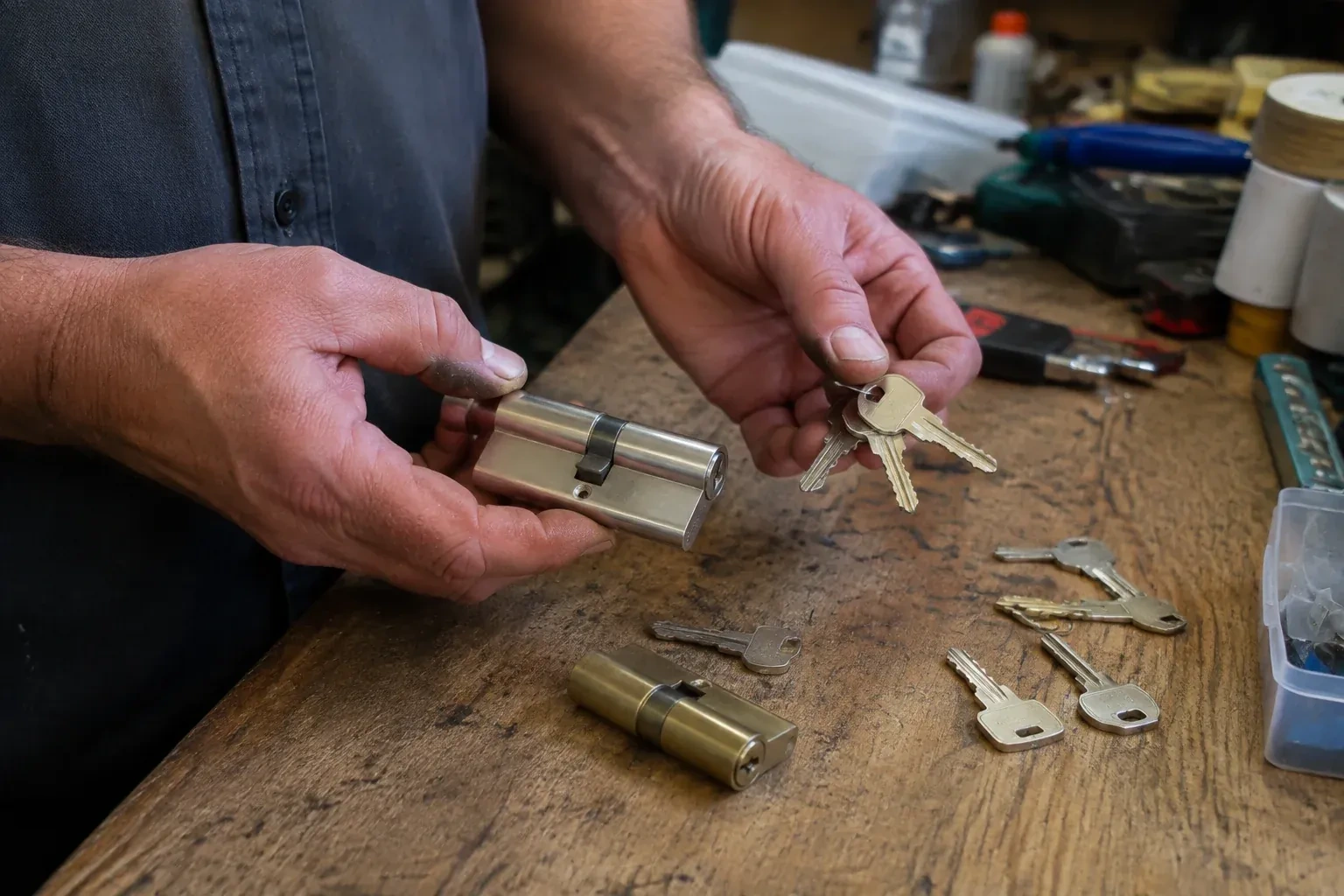
One key for the whole house is a common request and usually achievable. Cylinders that share the same keyway, the shaped channel the key slides into, can all be pinned to the same new combination, so the front door, back door and garage entry answer to a single key. Where a door carries a lock from a different family with its own keyway, that cylinder is swapped for a matching one rather than repinned, and then it joins the group. The locksmith checks each lock face before the work begins so you know exactly which doors will share the key.
How the visit goesThree months of renovation are finally done. The kitchen looks wonderful, and along the way a general contractor, a tile installer, a plumber and an electrician each carried a key to your front door at one point or another.
Inside the lock
What a rekey changes
01
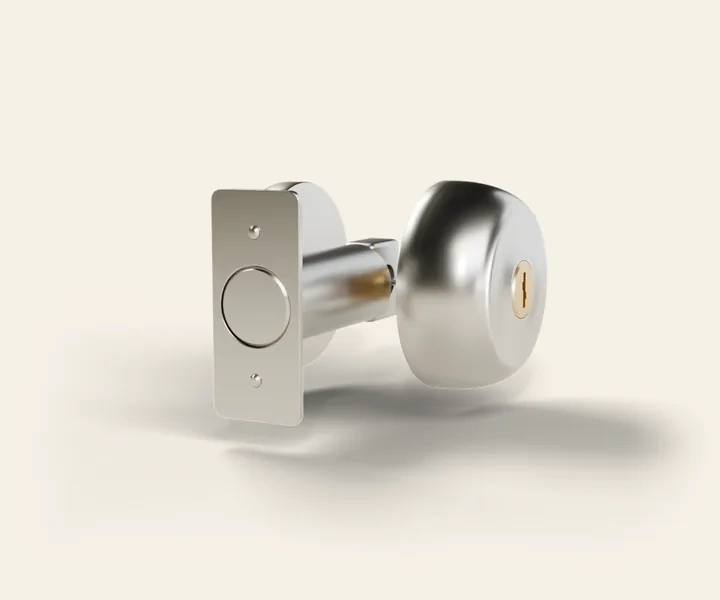
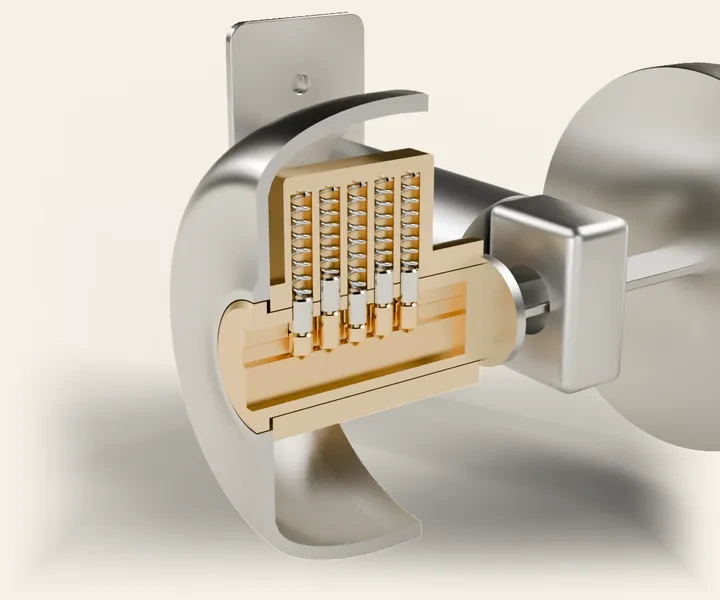
The lock you already have
02
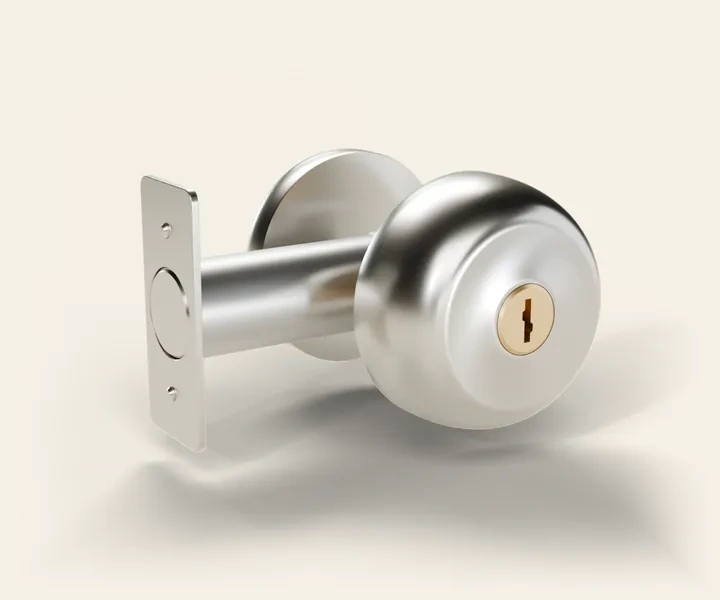
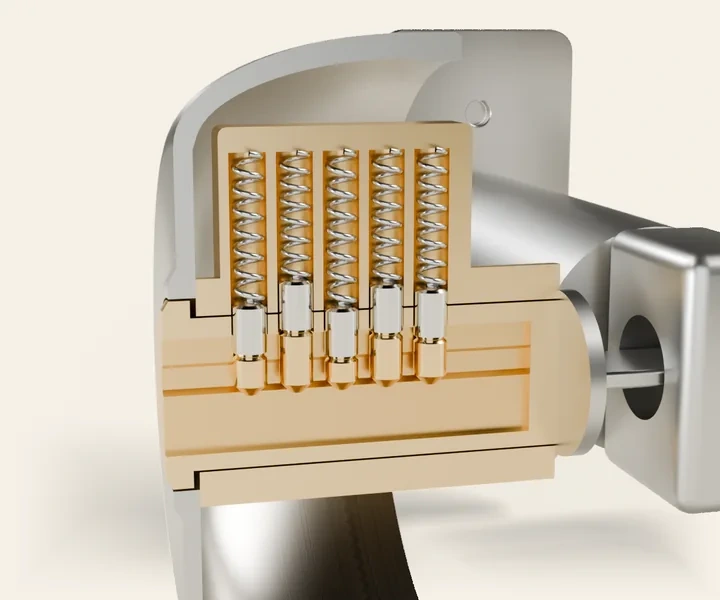
Inside the cylinder
03
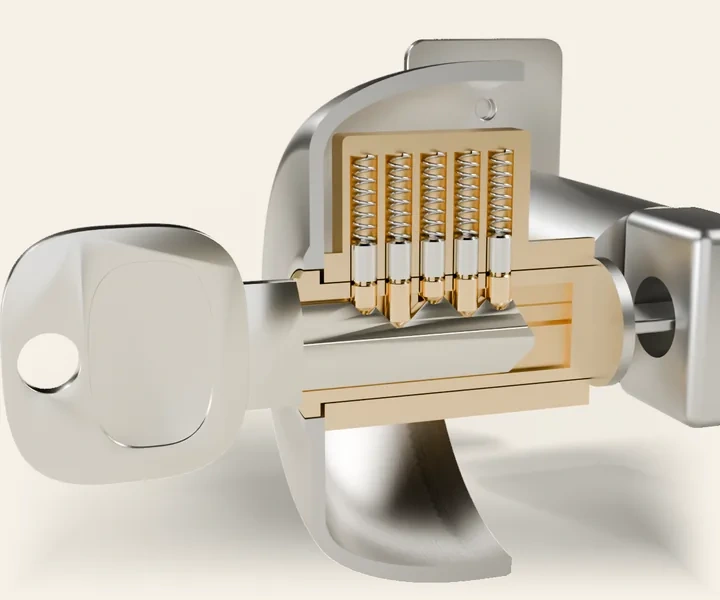
Pins, springs and the shear line
04
A new key, new pins
Lock Rekeying
How the visit goes
Deciding the key groups
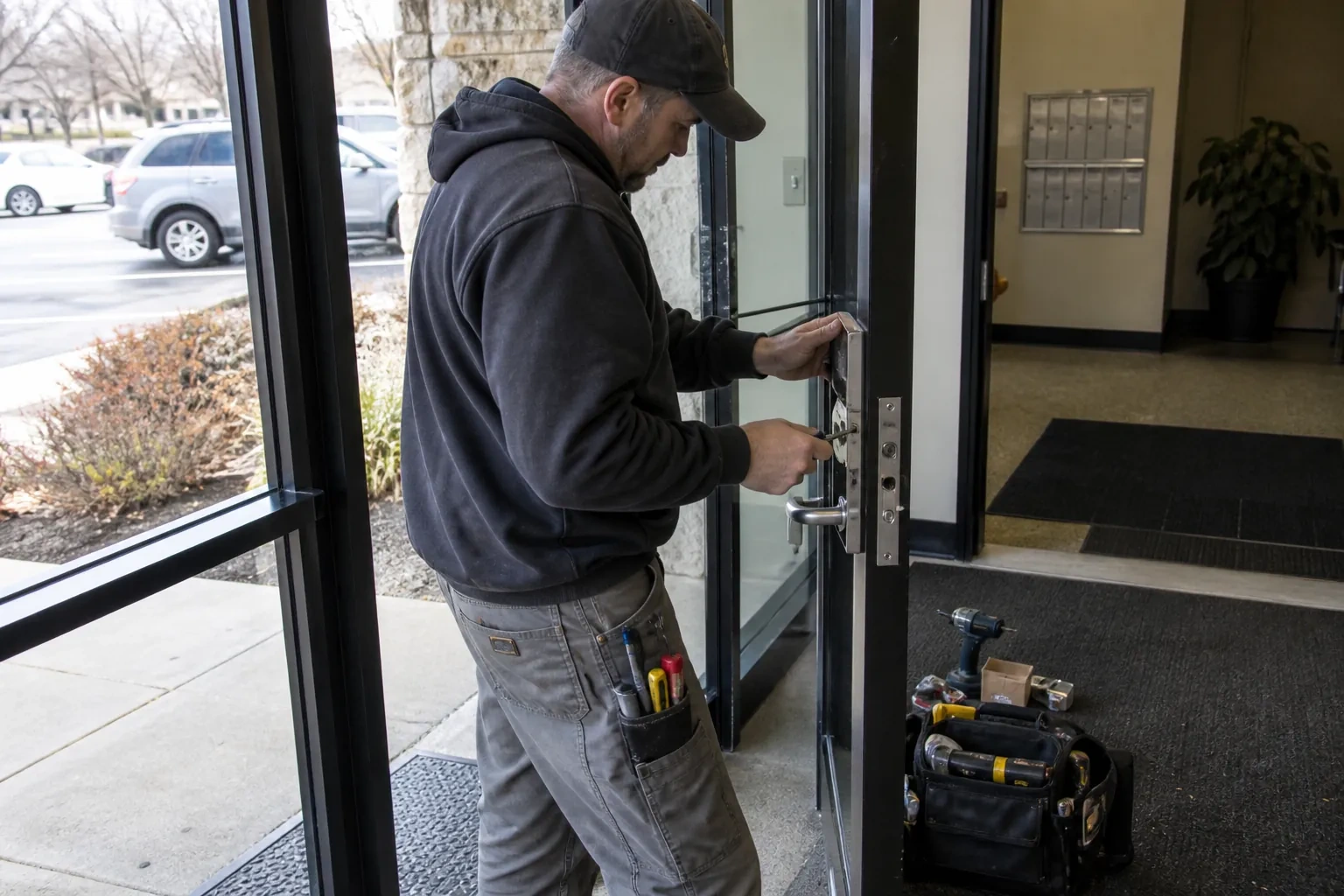
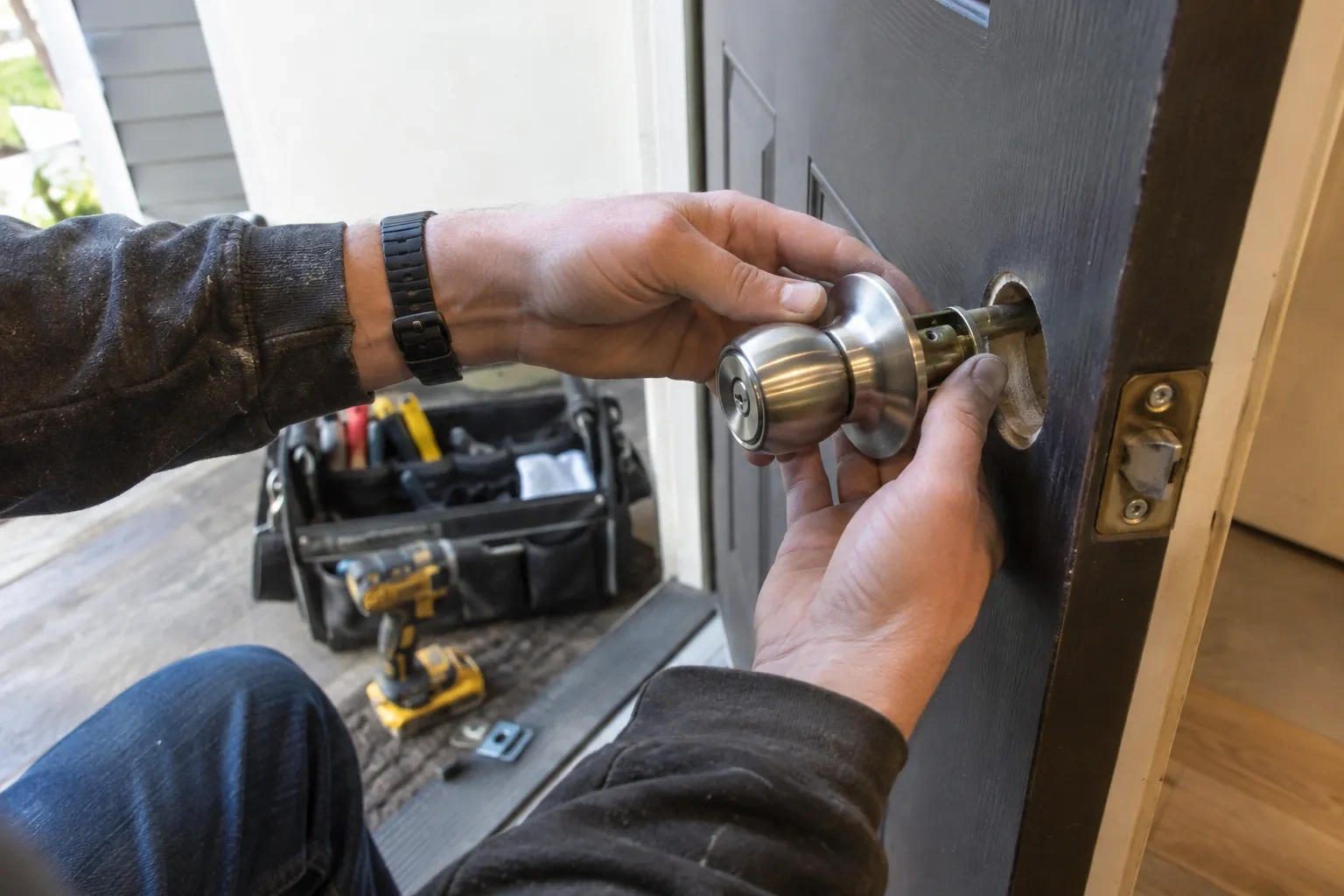
Not every door in a home needs to answer to the same key, and the plan is written down before work starts. Most households want the exterior doors keyed alike so one key does everything. Some want exceptions: a basement suite on its own key, a home office or a storage room that visitors should not enter, a shed on a separate key that can be lent out without exposing the house. The locksmith sketches the groups with you, notes how many keys each group needs and who will hold them, and only then begins removing cylinders. Getting this straight first means no cylinder is pinned twice.
Resetting a user-rekeyable cylinder properly
Some residential deadbolts and handle sets are built so the owner can change the key with a small tool, a working key and the new key. They save a bench session, and they also go wrong in a particular way: without a working key of the correct type, or with a key from the wrong keyway, the reset stalls partway. The locksmith carries the reset tool and the reset procedure for these cylinders, confirms the keyway matches the new house key, and completes the change so the cylinder accepts the new key and rejects the old one. If the mechanism has been damaged by a forced reset, it is replaced with a standard cylinder and pinned to match.
New keys, counted and tried in every door
You finish the visit holding the only keys that work, and you know exactly how many there are. The locksmith cuts the agreed number from the fresh pinning rather than copying one from another, so each is as true as the first, and tries every one in every door it should open before handing them over. Count them, decide who in the household gets one, and put the spare somewhere you will remember. If a door was left on a separate key on purpose, that key is tagged so it does not get mixed into the house set. The whole set fits comfortably on one ring.
Lock Rekeying
In the van
Replacement cylinder for odd keyways
Cylinder shim
Code cutter or key duplicator
Key tags and keying record
Reset tool for user-rekeyable cylinders
Lock Rekeying
What affects the quote
One key group or several
Keying every door alike is the simplest plan. Setting up separate keys for a basement suite, an office or a shed adds a group to pin and label, and the quote shows that as separate work.
Access to each door being rekeyed
A rekeying visit goes smoothly when every door is reachable without delay: an empty unit, a cleared hallway, or someone available to let the locksmith into each room. Locked common areas, tenants who are out, or furniture blocking a cylinder all add time the locksmith accounts for on site.
Number of keys cut
Keys are cut and tested individually, so the total depends on how many the household or the tenants need. Say the number when you book and the quote reflects it from the start.
What to have ready
- How many new keys will your household or your tenants need?
- Is the home a condo or in a building with shared entrance doors?
- Are any of the locks keypad or smart locks with a backup key?
Lock Rekeying: questions
QuestionsI am a landlord. Should I rekey between tenants?
Many landlords do, and it removes the question of whether every copy came back. The locksmith rekeys the unit's cylinders so the incoming tenant holds the only working keys, cuts the copies you want, and notes the count for your move-in record. Because provincial tenancy rules expect the tenant to be handed replacement keys whenever a landlord changes a lock, the visit ends with keys for both of you and a clear list of which doors were done.
What should I have ready before the locksmith arrives?
A list of the doors you want included, a working key for each lock if you have one, and a clear idea of whether you want everything on one key or some doors kept separate. Have your identification and something tying you to the address handy. If you rent, have your landlord's agreement ready to mention. Knowing roughly how many new keys the household needs saves a second trip to cut more.
My house is older and has a mortise lock. Can that be rekeyed?
Yes. A mortise lock, the kind with a large case set into the edge of the door, uses a threaded cylinder held by a set screw reached from the door's edge. The cylinder unthreads, is pinned like any other and screws back in. Where a very old lock uses a bit key or a lever mechanism instead of a pin cylinder, the locksmith will explain the options, which may include fitting a modern cylinder into the existing case so the door keeps its original hardware.
Related services
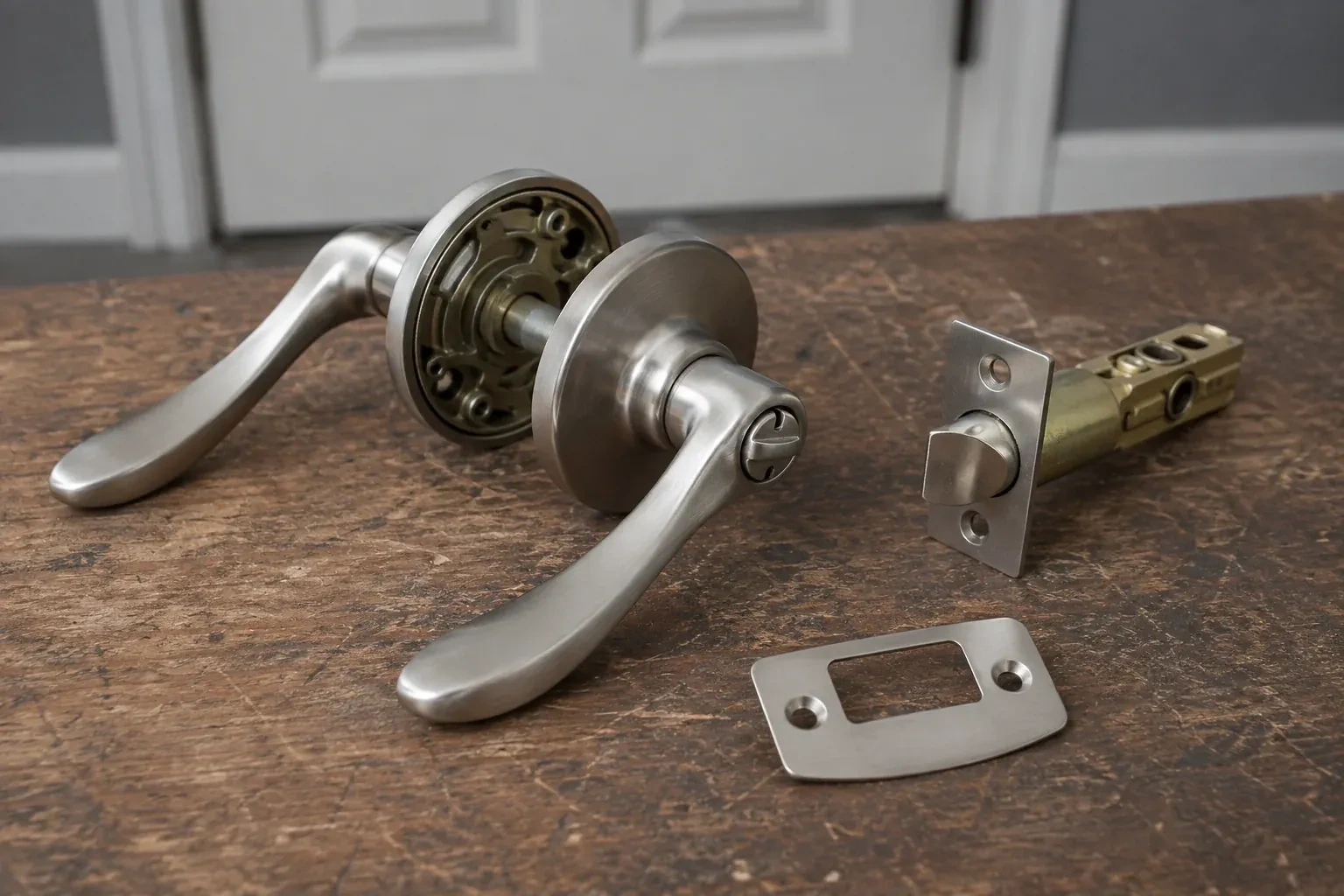
- Lock Replacement & UpgradeThe keys the seller handed over came in a sandwich bag: six unlabelled copies for two locks of different makes from different decades.
- Vintage Mortise Lock ServiceSomeone painted the door years ago without removing the hardware.
- Smart Lock InstallationHalf the evenings someone asks whether the back door got locked, and nobody is sure.