Breslau Lock Services · Woolwich
Lock Replacement & Upgrade: how the work is done
Locksmith · Woolwich, Ontario
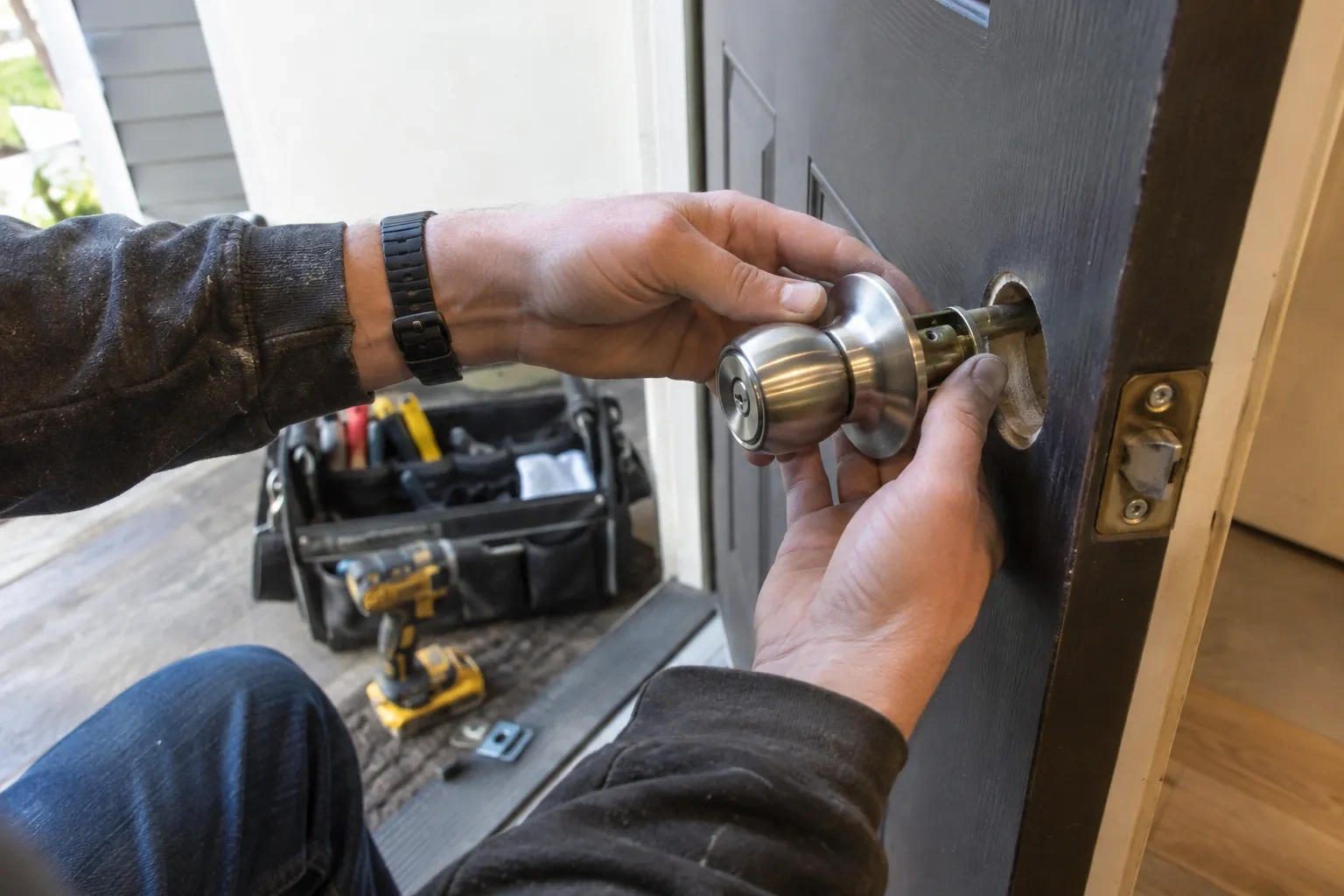
Not every complaint about a lock ends in a new lock, and a good visit says so. A cylinder that turns stiffly may only need cleaning and fresh pins; a lost key calls for rekeying, which keeps the hardware and changes the key; a loose lever often wants a tightened spindle. Replacement earns its place when the mechanism is worn through, the housing is damaged, the grade was never adequate for the entrance, or you want a different function, finish or a keypad. The locksmith lays the three routes side by side so the choice rests on what the door needs rather than on what is in the van.
Measuring the existing preparation
Before any product is chosen the door is measured. Backset first, the distance from the door edge to the centre of the bore, which on most doors here is 60 or 70 millimetres. Then the cross-bore diameter, the edge-bore size, the shape of the latch faceplate, the door thickness and the handing. The strike cut-out and any glass, trim or storm door that limits where hardware can sit are noted too. These few numbers decide which locks will drop straight into the door and which would need a filler plate, an extension kit or fresh drilling, so they are written down before the catalogue is opened.
Keying the new locks to one key
New cylinders arrive on random keys, so the locksmith pins them alike on site when you want one key for the house. Each cylinder is removed, the plug slid out on a follower so the springs stay put, and the bottom pins replaced to match a single new key. Existing cylinders that are staying are repinned the same way. Every key is then cut from the new combination, tried in every lock it should open, and any that drag are recut rather than handed over. The result is one key for the front, back and garage doors, and a clear count of how many exist.
A clear plan for the remaining doors
Most households do not replace every lock in one visit, and you leave with a short list of what is left, in order of importance. Typically the front door and the garage-to-house door come first, then the back and side doors, then the patio slider and interior sets. Because the key plan has been settled, any lock added later can be pinned to the same key, so the house stays on one key as the work continues. Finishes and styles are recorded so future hardware matches. The first visit sets the standard; the rest of the house can follow when it suits you.