Car keys · Woolwich
Car Key Replacement in Woolwich
You bought the car privately and it came with a single key on a shoelace.
In plain words
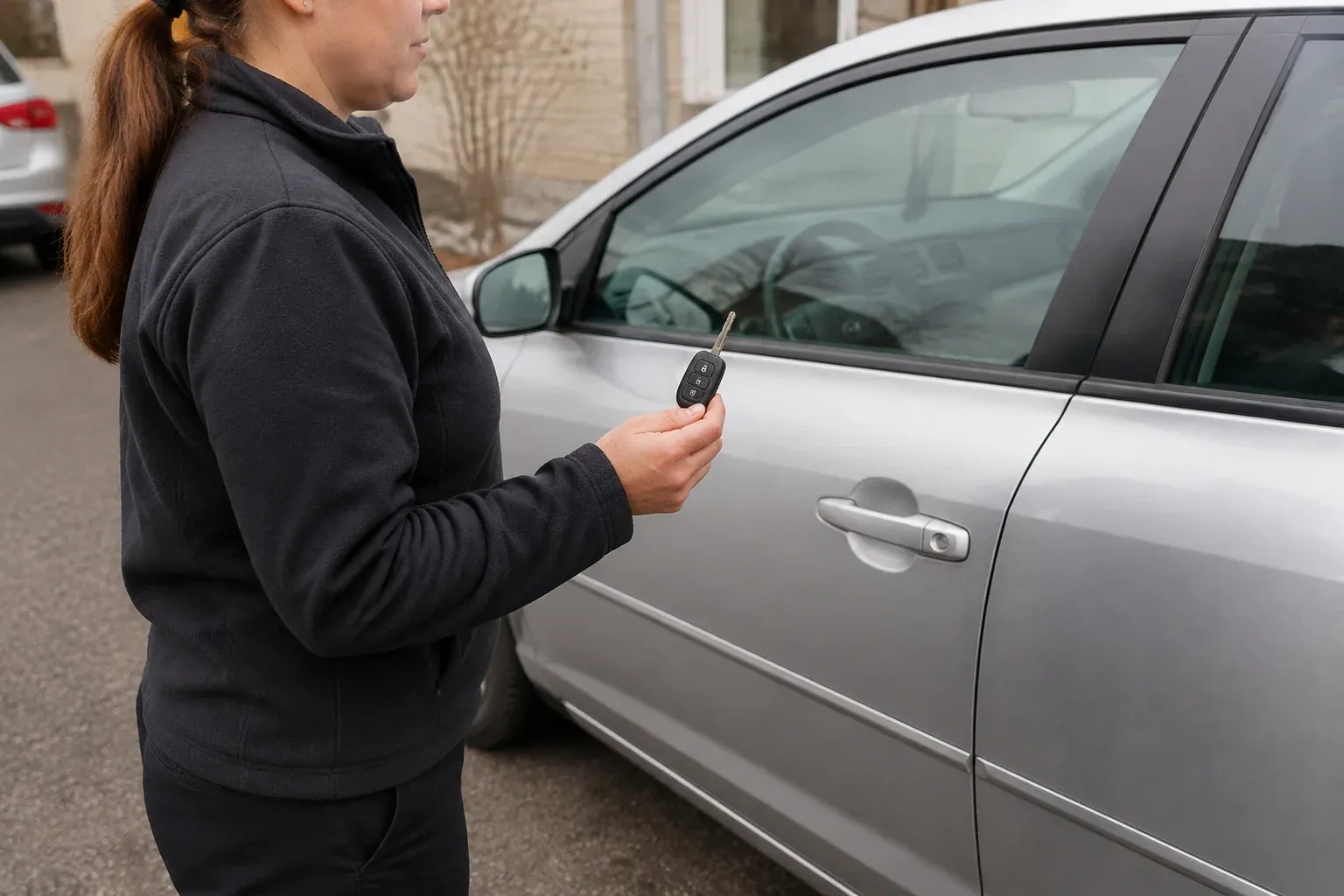
It helps to think of a car key as several parts sharing one case. The metal blade is the mechanical part; it opens the doors and, on older cars, turns the ignition. The transponder is a small chip with no battery that answers the immobilizer when the key is near the ignition; without the right answer the engine refuses to run. The remote is a separate radio circuit with its own battery that works the lock, unlock, trunk and panic buttons. A proximity fob adds hands-free entry and push-button start. Replacement can involve any or all of these, and a good visit begins by working out which ones you need.
How the visit goesThe engine cranks, catches for a second and dies, and a small key-shaped light keeps blinking on the dash. The blade turns the ignition and the doors perfectly well, but the car has stopped recognizing the chip inside the key.
Car Key Replacement
How the visit goes
Proof that the car is yours to key
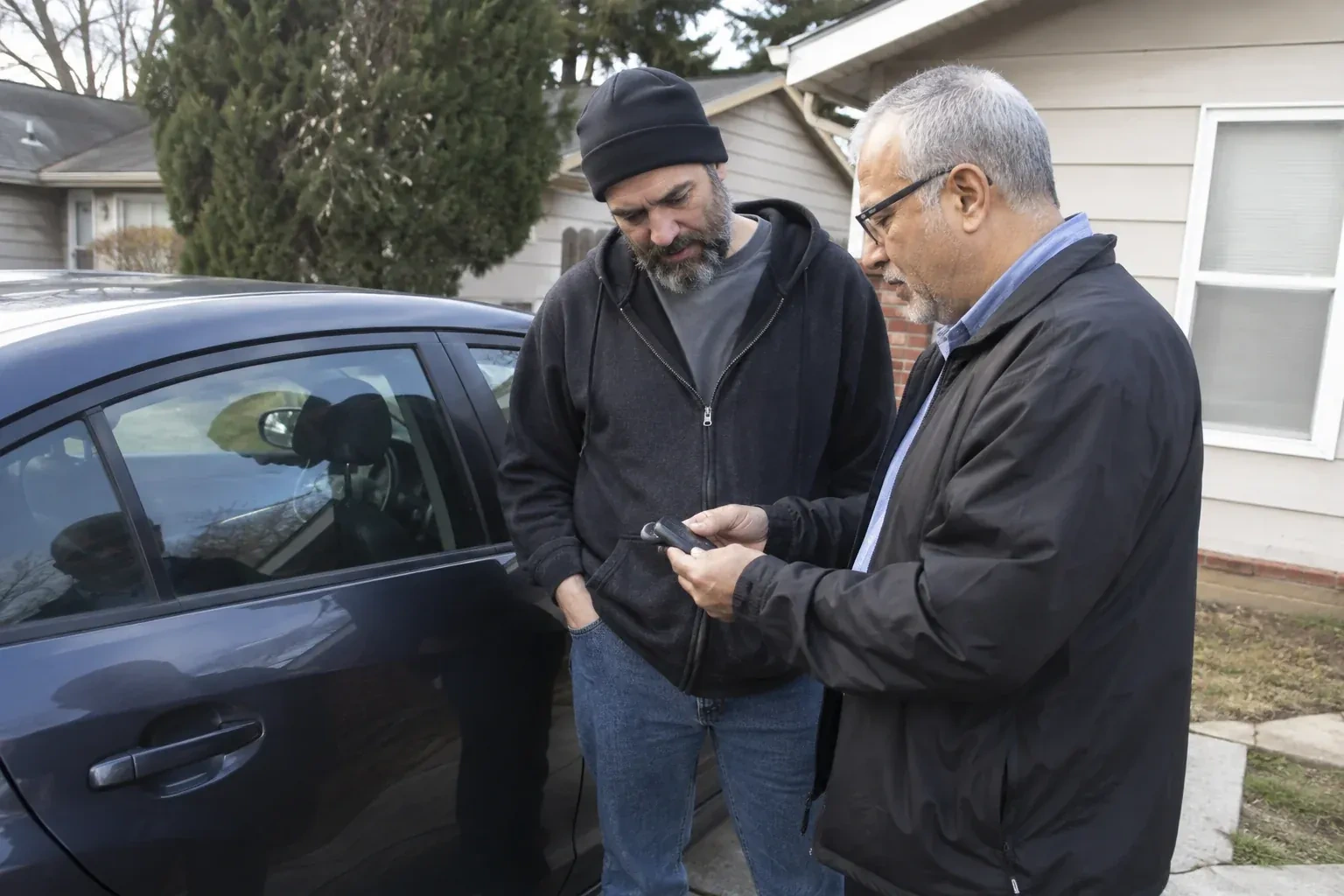
Before a blank leaves the van, the locksmith confirms that the person asking for a key is entitled to one. Government photo identification is the first piece. The second is a document tying that person to this vehicle: the vehicle permit with the VIN on it, an insurance slip, a lease, or fleet paperwork for a company car. The VIN on the paper is compared with the one stamped on the dash and printed on the door label. A car bought last week and still in the seller's name, an estate vehicle or a family member's car each has its own paper trail, and mentioning it on the phone means the right document is at hand.
Testing every function before the handover
The visit ends with a checklist rather than a handshake. The blade is tried in the driver's door, the passenger door and the trunk lock, and in the ignition where one exists. The engine is started, allowed to run, shut off and started again. Each button is pressed and watched: lock, unlock, trunk, panic, remote start. On a proximity car, the handles are approached with the fob in a pocket and the start button is tried the same way. The spare goes through the identical routine. Anything that stays silent is sorted out on the spot, and the tally of keys the car recognizes is written down for you.
A crisp new blade in a well-used ignition
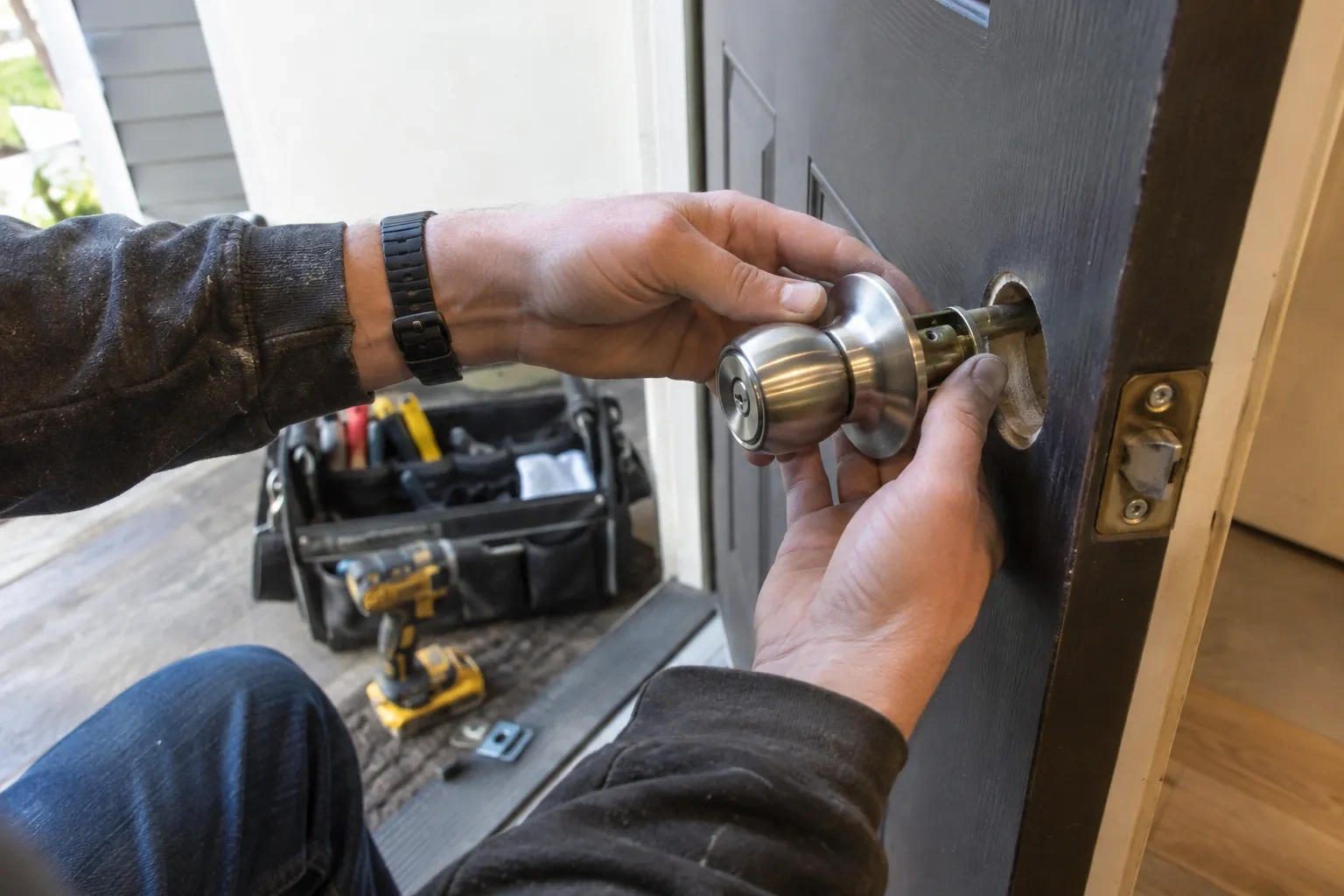
A blade cut to code is made to the lock's original dimensions, so it should turn smoothly from the first use. What it should never do is need the wiggle the old key needed; if it does, or it feels stiff or forced, that points to worn ignition wafers or a cutting issue, and the cylinder is checked and serviced or rebuilt rather than waited out. Keep the new key on a light ring, since a heavy bunch hanging from the ignition is what wears the wafers in the first place.
Car Key Replacement
In the van
Remote frequency tester
Decoding pick and lock reader
Proximity fob with emergency blade
Transponder key blank
Vehicle battery maintainer
Car Key Replacement
What affects the quote
Original or aftermarket part
A manufacturer fob and a good aftermarket equivalent both do the job on many models, at different part costs. The locksmith says which is proposed for your car and why, and the quote names the part.
Transponder, remote or proximity
A key with only a chip, a remote-head key with buttons and a full proximity fob are three tiers of hardware and three programming procedures. The quote names which one your car uses.
Year, make and model
The vehicle decides the blank, the chip and the programming route. A twenty-year-old sedan with a plain transponder key and a recent proximity-start model are different jobs, and the quote follows the VIN rather than a flat figure.
What to have ready
- Does the car start with a key in the ignition or with a push button?
- Has the car's battery been flat or disconnected recently?
- Do you have any key that still starts the car, or are they all gone?
Car Key Replacement: questions
QuestionsThe car is leased or belongs to my employer. Can you still make me a key?
Yes, with the right paperwork. For a leased car, the lease agreement in your name together with your identification and the permit covers it. For a company vehicle, the locksmith needs authorization from the business: a work order, purchase order or letter naming the VIN and the person collecting the key. Mention the arrangement when you call so the correct document is ready and the record can be completed properly.
The key snapped off inside the lock. What happens now?
The broken piece is drawn out with an extractor that grips it rather than pushing it deeper, and the cylinder is checked for damage. The head of the key, if it survived, still holds the chip and the remote, so it can be rebuilt around a new blade in a new case without any programming. If the whole key was lost with the break, a fresh transponder key is cut to code and programmed as usual.
Does the car have to be towed to a shop?
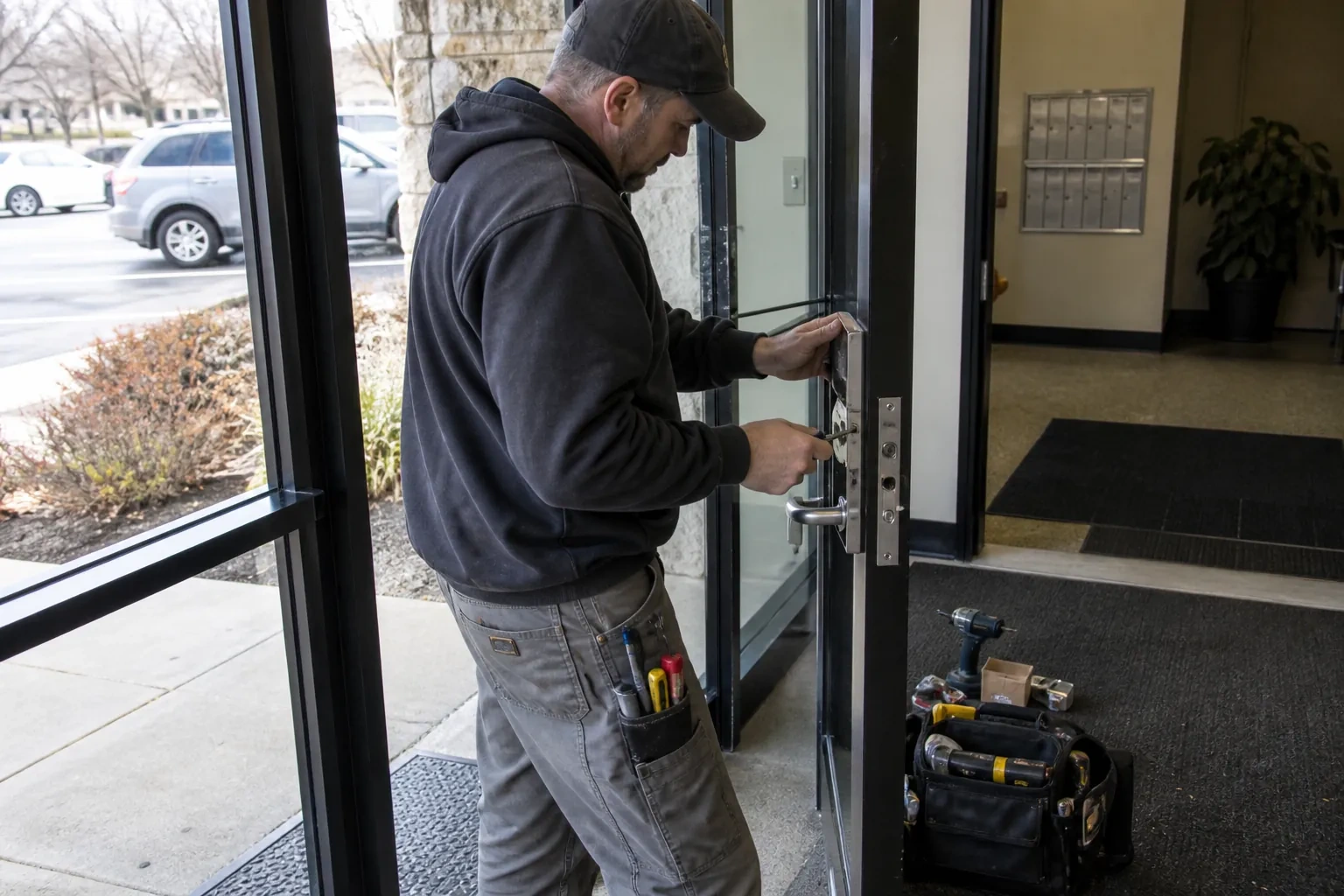
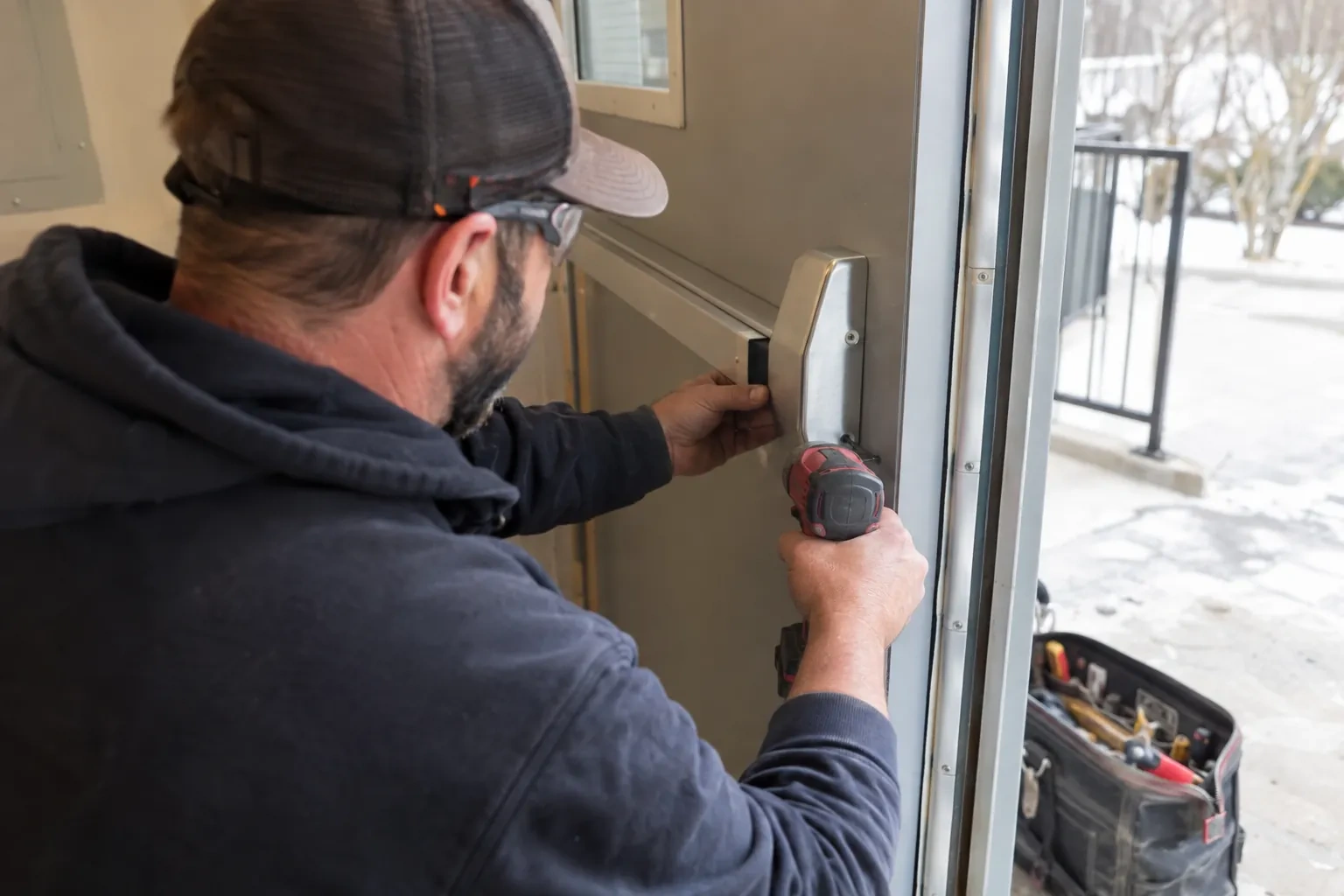
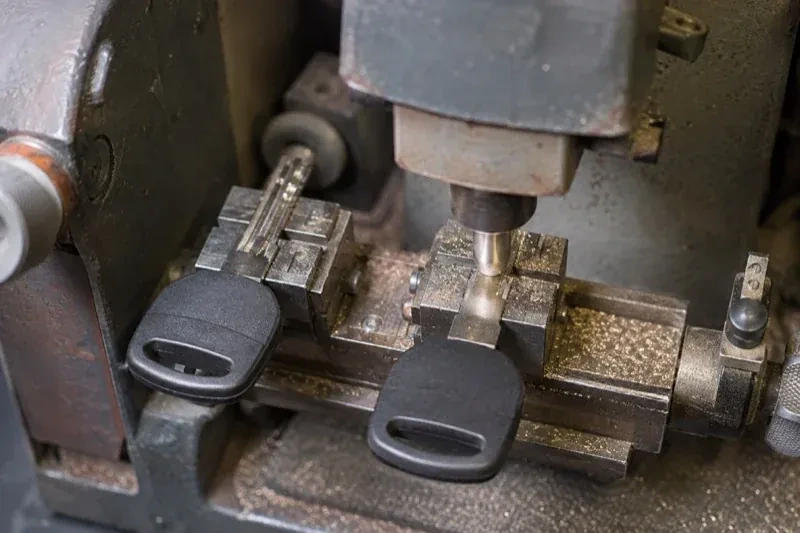
Often not. The cutting machine, blanks and programming tool travel in the van, and the work is done where the car sits: a driveway, a parking garage, the roadside or a workplace lot. The locksmith connects to the diagnostic port under the dash and cuts and programs on the spot. An unsupported or dealer-only system may still need the vehicle to go to a dealer or a suitably equipped shop, which the VIN check flags beforehand.
Related services
- Spare Car Key DuplicationThe proximity fob has ridden in a pocket for years, the range feels shorter than it used to, and a dashboard warning mentioned a battery a while back.
- Key Fob ProgrammingA fob went missing weeks ago somewhere between a coat pocket and a parking lot, and a spare has covered the gap since.
- Transponder Key ProgrammingThe blade snapped off flush with the door lock last winter, and the shop that cut a replacement only matched the metal shape.