Car keys · Woolwich
Spare Car Key Duplication in Woolwich
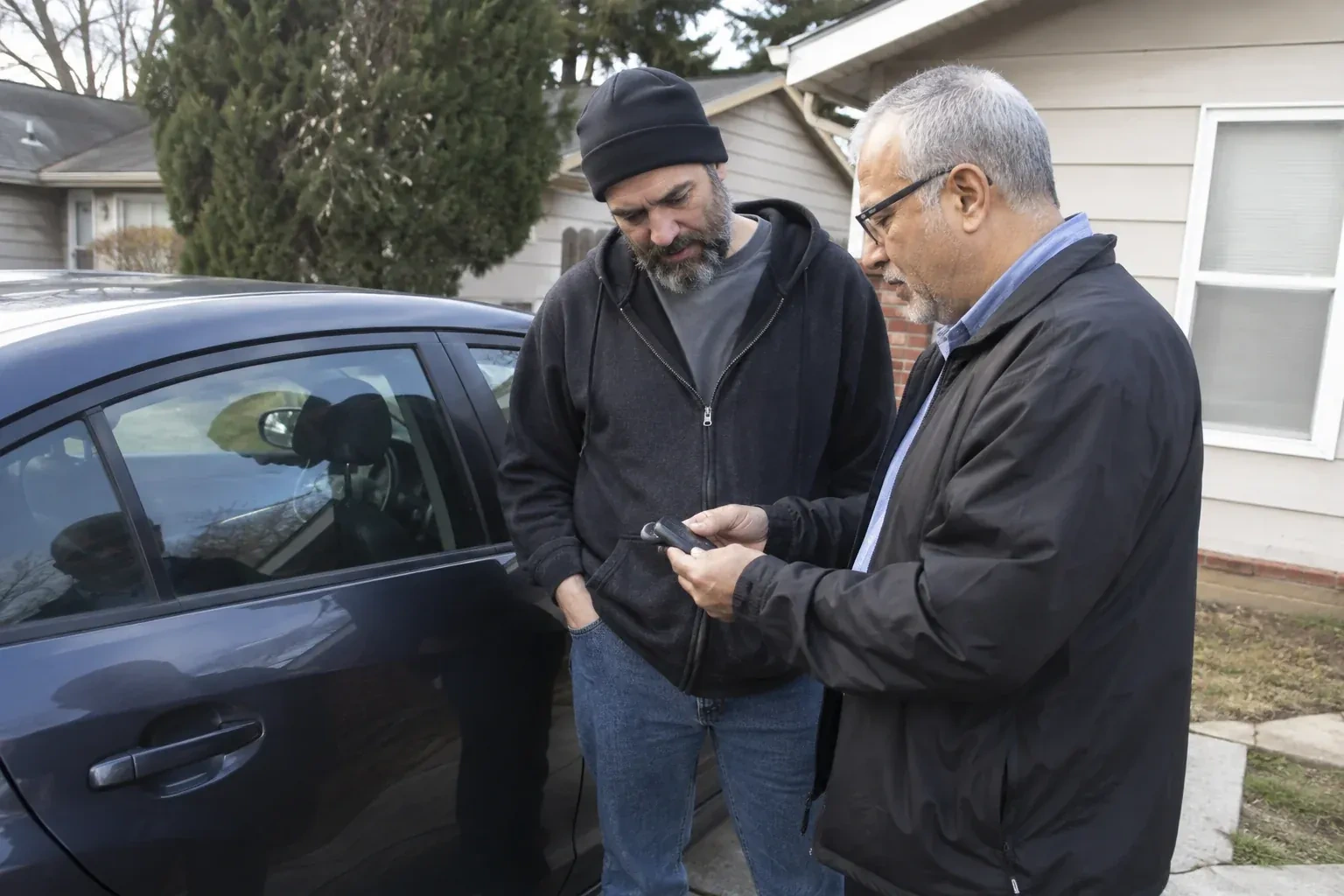
The proximity fob has ridden in a pocket for years, the range feels shorter than it used to, and a dashboard warning mentioned a battery a while back.
In plain words
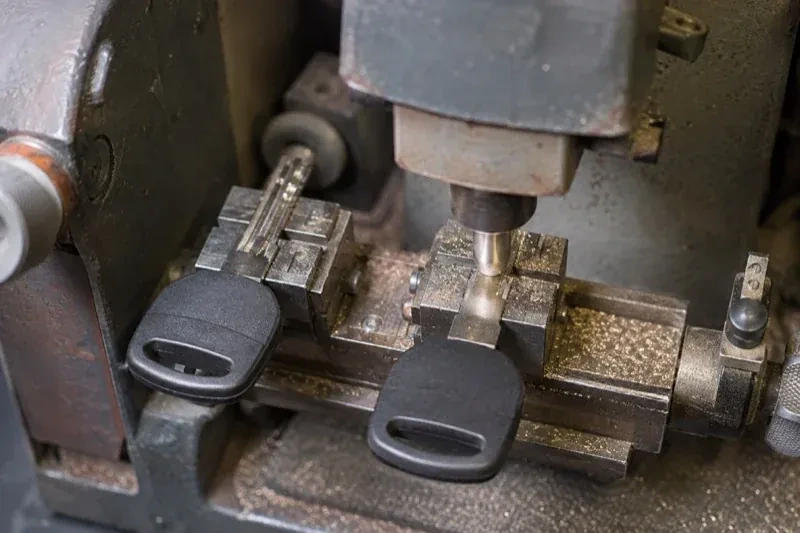
A vehicle that arrives with only one working key is a common situation after a private sale or an estate transfer, and it is one of the more straightforward calls a locksmith takes. Working from the single key and the vehicle itself, the blade is duplicated or cut to code, and the immobilizer chip is matched or freshly programmed so the new key is recognized on its own. Both keys are tested in the doors and the ignition before the appointment ends, which also gives the vehicle a documented second key from that point forward instead of an unknown history.
How the visit goesOne key opens the car, starts the car, and rides in one pocket every day. Nothing backs it up. A dropped storm drain, a torn pocket or a moment of distraction would leave the household without a way to drive anywhere tonight.
Spare Car Key Duplication
How the visit goes
Reading the vehicle's key system
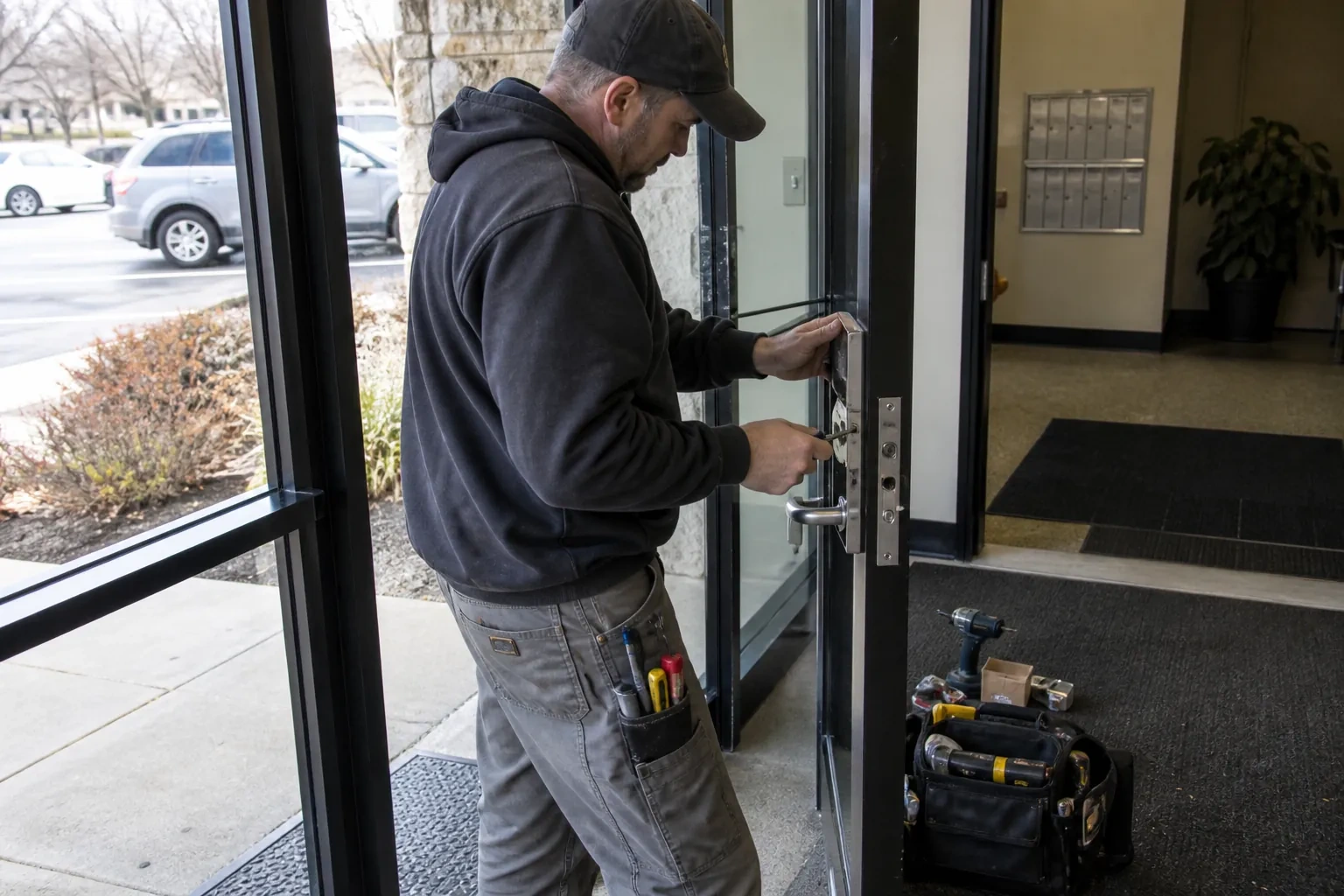
Every make, model and model year settles on a particular combination of blade shape and electronic layer, and the locksmith identifies both before ordering a blank. The VIN narrows the search to the exact immobilizer generation the factory installed, which decides whether the chip can be copied directly or needs to be freshly coded through the car's diagnostic connection. A vehicle that has already had an aftermarket alarm or remote starter fitted sometimes changes what the factory system expects, so a look under the dash or a question about prior work can matter as much as the VIN itself.
Matching a remote head or fob
When the original carries buttons for locking, unlocking or remote start, the new key or fob is programmed to the vehicle's receiver so those same functions respond from the spare. This usually means putting the vehicle into a programming sequence from inside the cabin, then pressing the new remote's buttons in the order the manufacturer specifies. Some platforms allow this through the doors and ignition alone; others need the diagnostic port involved as well, particularly when the remote functions are tied into the same module that manages the immobilizer, so the two steps happen together rather than separately.
Two keys, both proven
The visit ends with two keys that have each been tested on their own: every door, the trunk or hatch, the ignition or start button, and any remote functions. Neither key is a backup that has only been assumed to work, and neither is treated as the senior copy. It is worth deciding on the spot which key rides on the daily ring and which goes into storage, and writing that decision down somewhere the household will actually check later, such as a shared note or a label on the ring itself, rather than trusting memory a year from now.
Spare Car Key Duplication
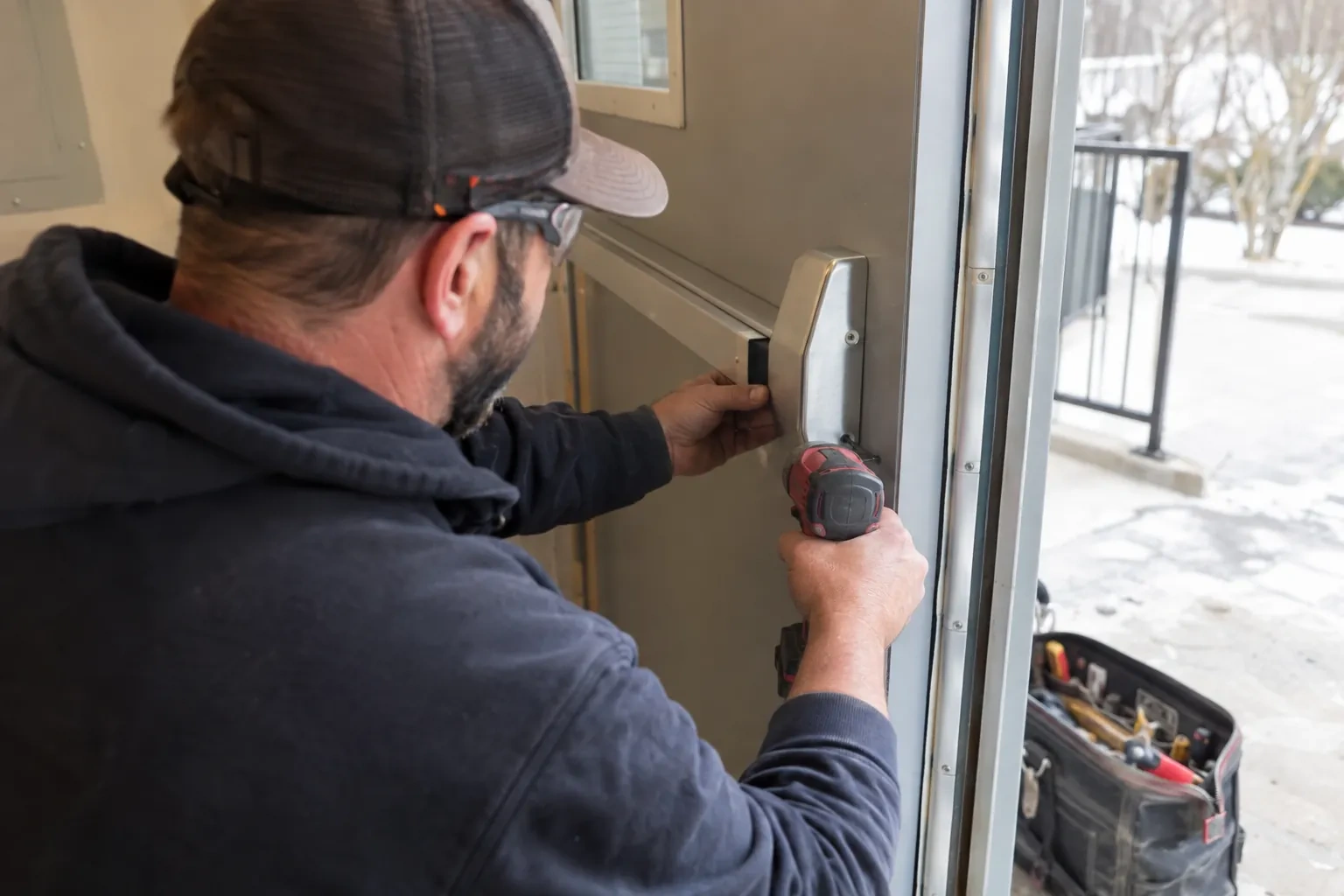
In the van
Code-cutting machine
Deburring file
Diagnostic port programming interface
Chip cloning tool
Transponder chip
Spare Car Key Duplication
What affects the quote
Condition of the working key
A clean, unworn original traces onto a blank without much fuss, while a thinned or damaged blade may need cutting to a factory code instead, which is a different process with its own materials.
Matching two vehicles to one key
Bringing a second vehicle onto the same key, when the two lock systems are compatible, takes more identification and testing than producing a spare for a single car alone.
Authorization documentation
A vehicle registered to a business, financed through a lender, or owned by a family member sometimes needs an extra document confirming who may hold a key, which is sorted out before work begins.
What to have ready
- Does the key have buttons, a chip, or neither?
- Do you want the spare to match every function, or just start the car?
- Do you know the VIN, or can you access the door jamb?
Spare Car Key Duplication: questions
QuestionsIs cloning the same as programming a new key?
They solve the same problem differently. Cloning copies the working key's existing code onto a new chip, which some vehicles' systems permit directly. Programming instead has the vehicle itself learn a brand-new code and accept it as an additional valid key, which is how most recent vehicles with rolling codes or added cryptography are handled, since their systems are built specifically to resist straightforward copying.
What happens if I only have one key and it is for a car I just bought?
This is a common and straightforward call. The locksmith works from the single existing key and the vehicle itself, identifying the blade profile and reading or matching the chip, then testing the result on its own before the visit ends. It is also a good moment to confirm how many keys the car's history suggests should exist, since a private sale sometimes changes hands with an unknown key already out of circulation.
How is a proximity or smart key different to duplicate compared to a regular key?
A proximity key usually has no blade to trace, so the process is almost entirely electronic: pairing a new fob to the vehicle's receiver and enrolling it through the diagnostic connection so the car recognizes it as an additional key. Many still hide a small mechanical blade inside the shell for emergencies, and that blade is cut separately to match the door lock, even though it is rarely used day to day.
Related services
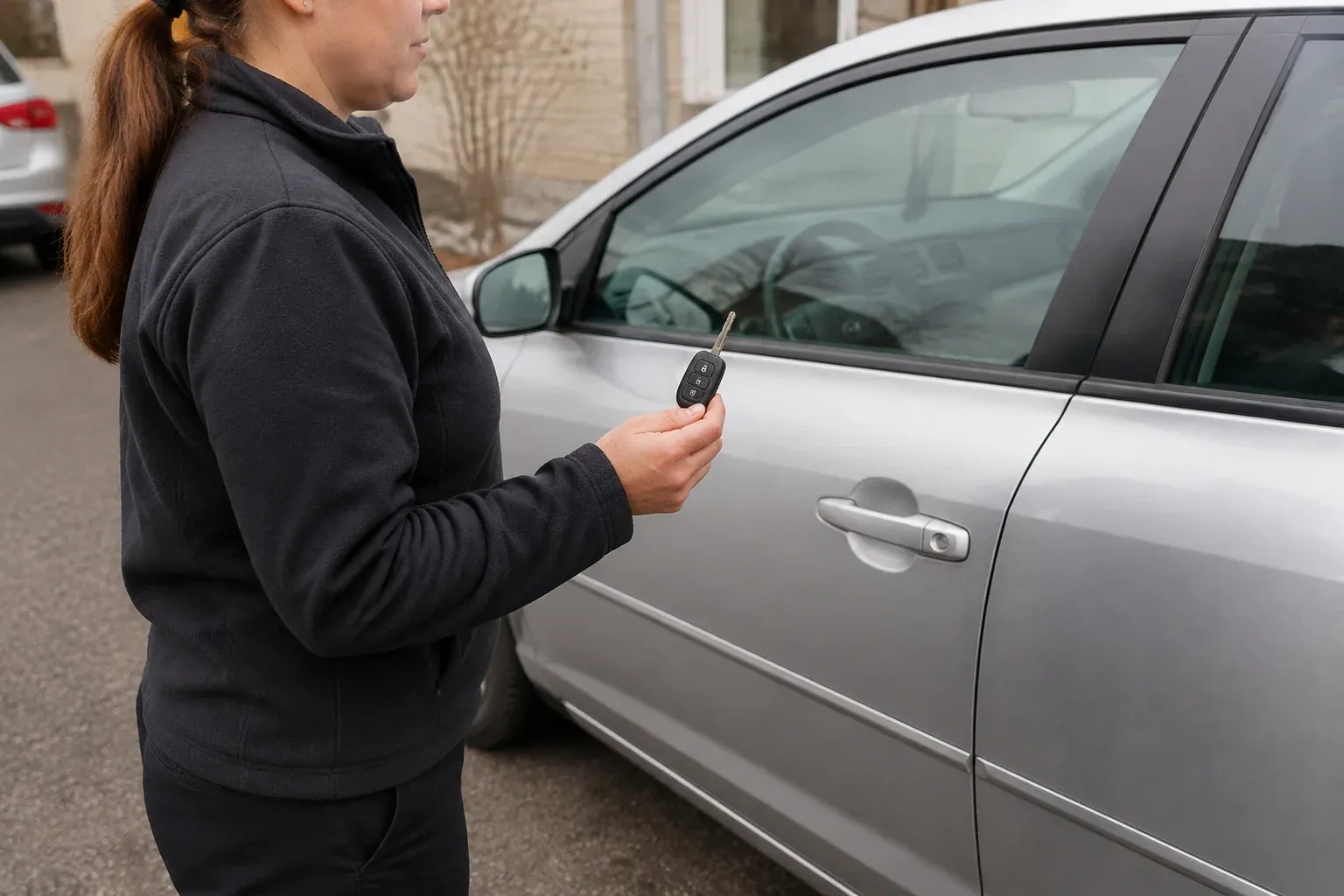
- Car Key ReplacementYou bought the car privately and it came with a single key on a shoelace.
- Key Fob ProgrammingA fob went missing weeks ago somewhere between a coat pocket and a parking lot, and a spare has covered the gap since.
- Transponder Key ProgrammingThe blade snapped off flush with the door lock last winter, and the shop that cut a replacement only matched the metal shape.