Car keys · St. Jacobs
Car Key Replacement in St. Jacobs
You bought the car privately and it came with a single key on a shoelace.
In plain words
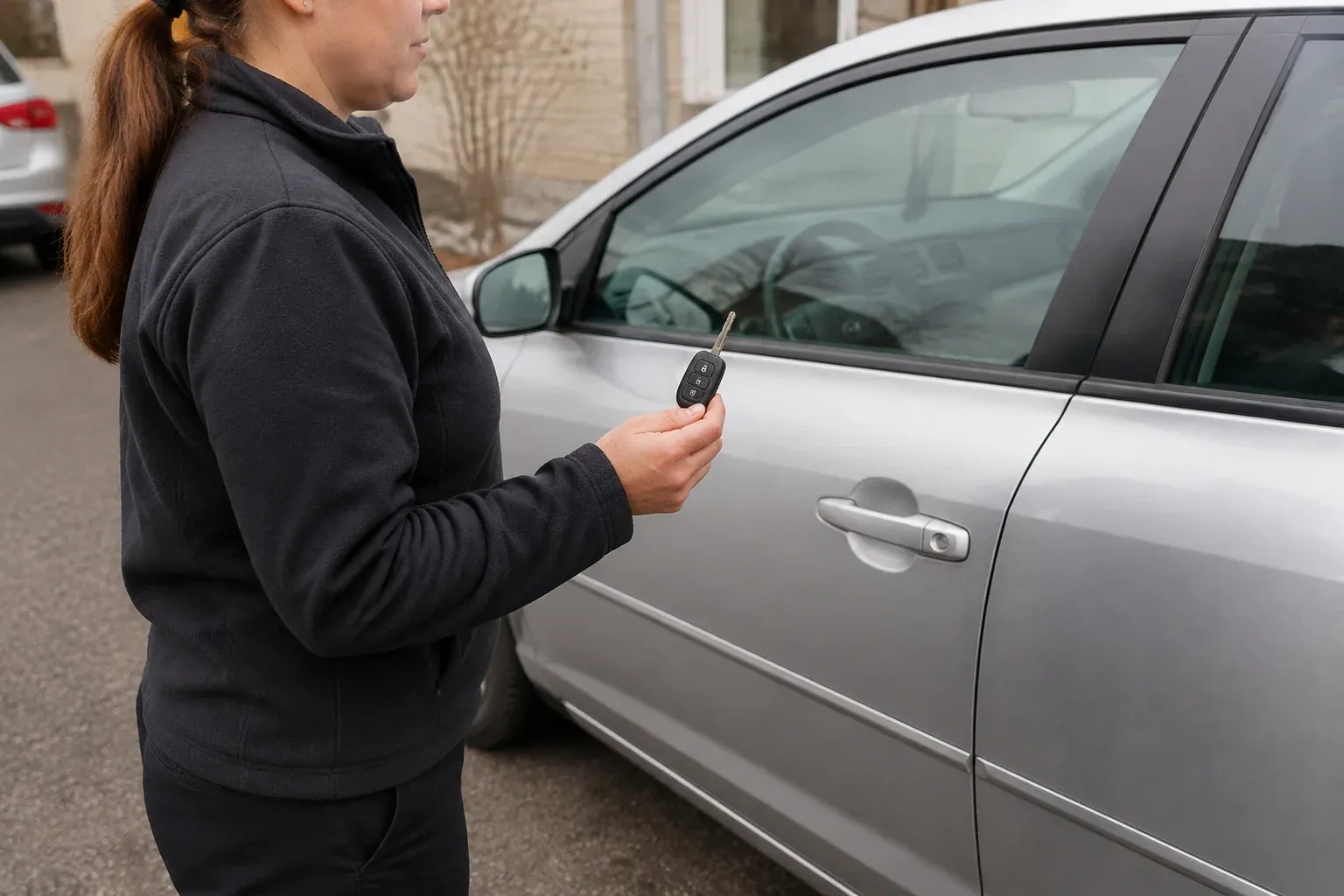
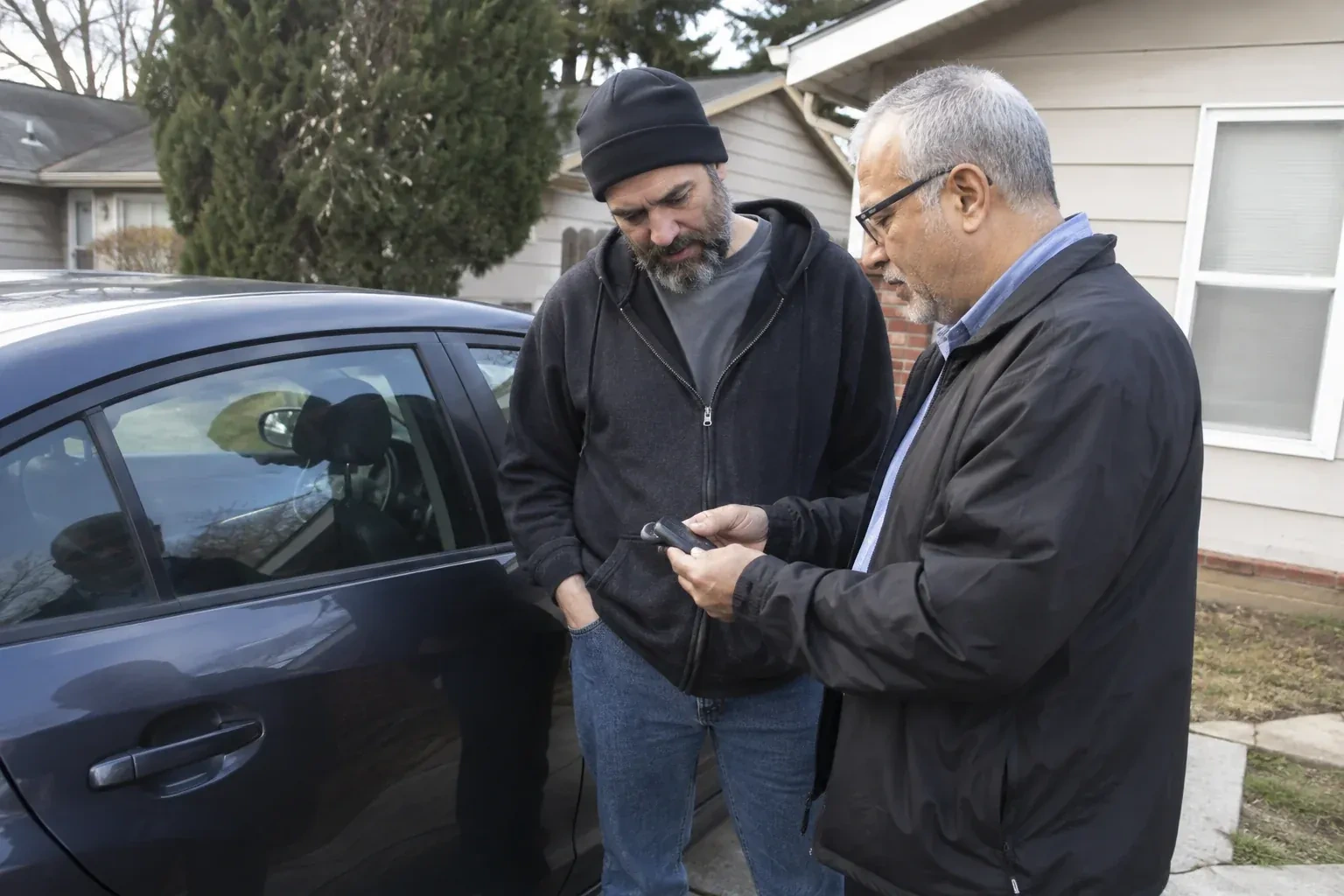
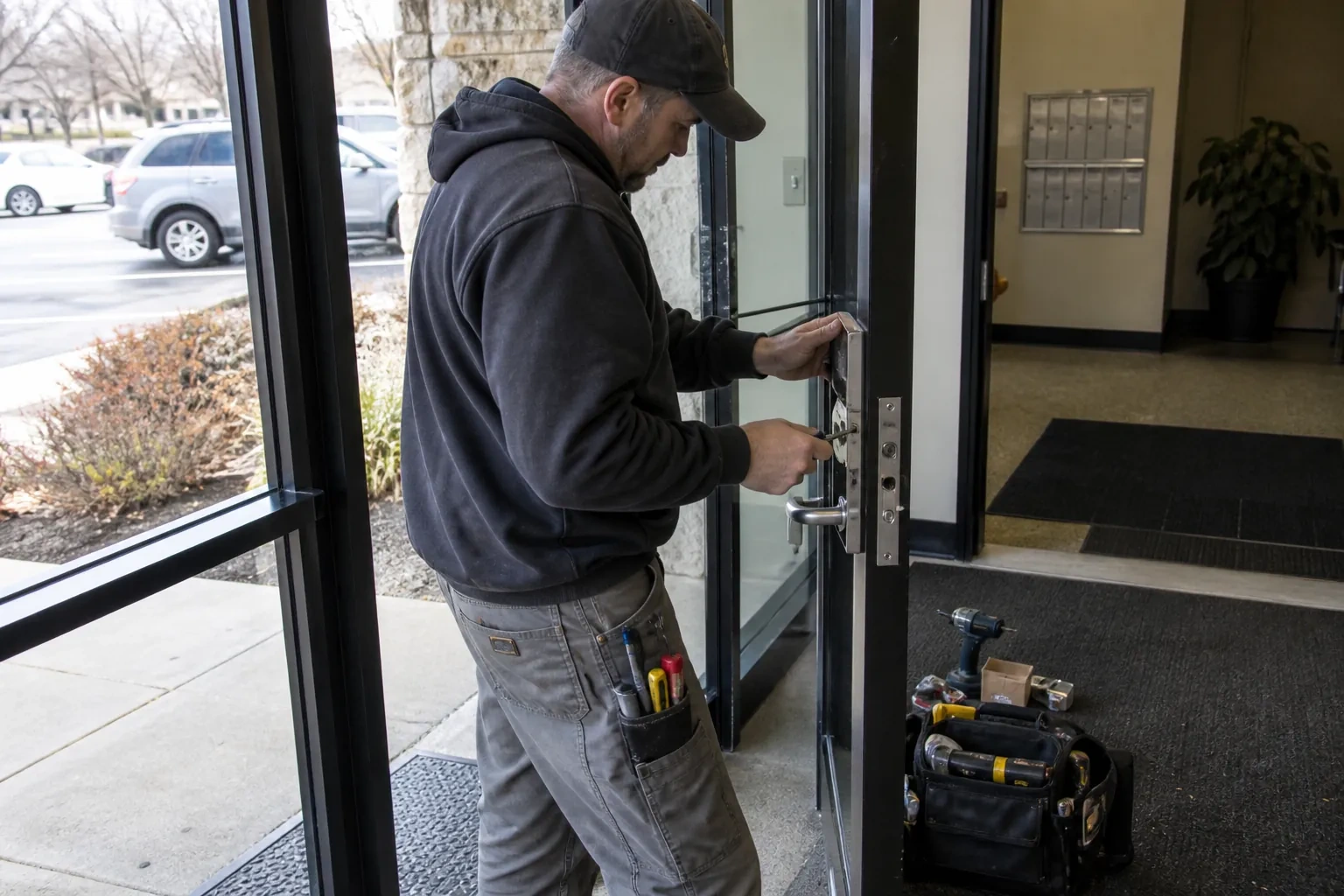
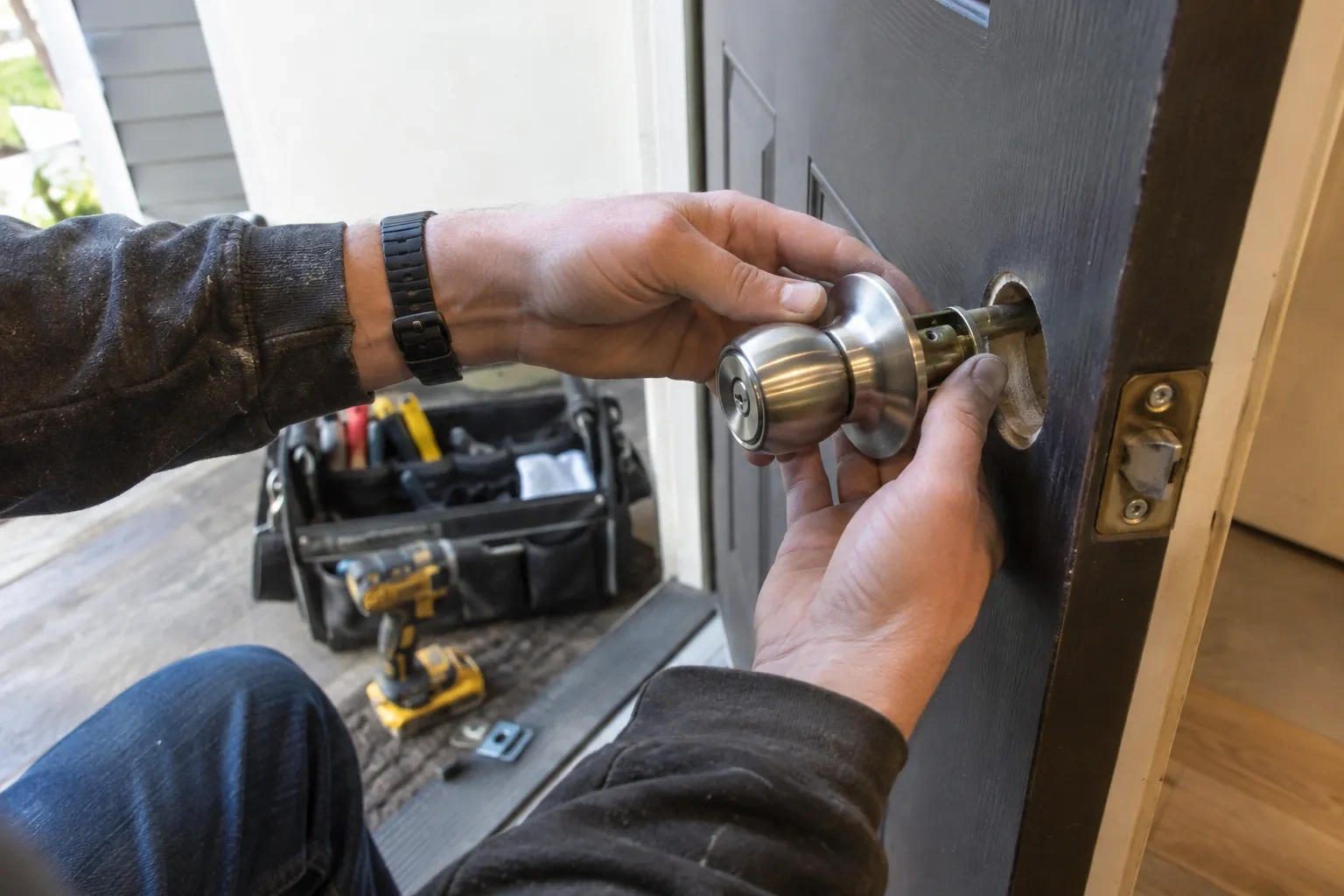
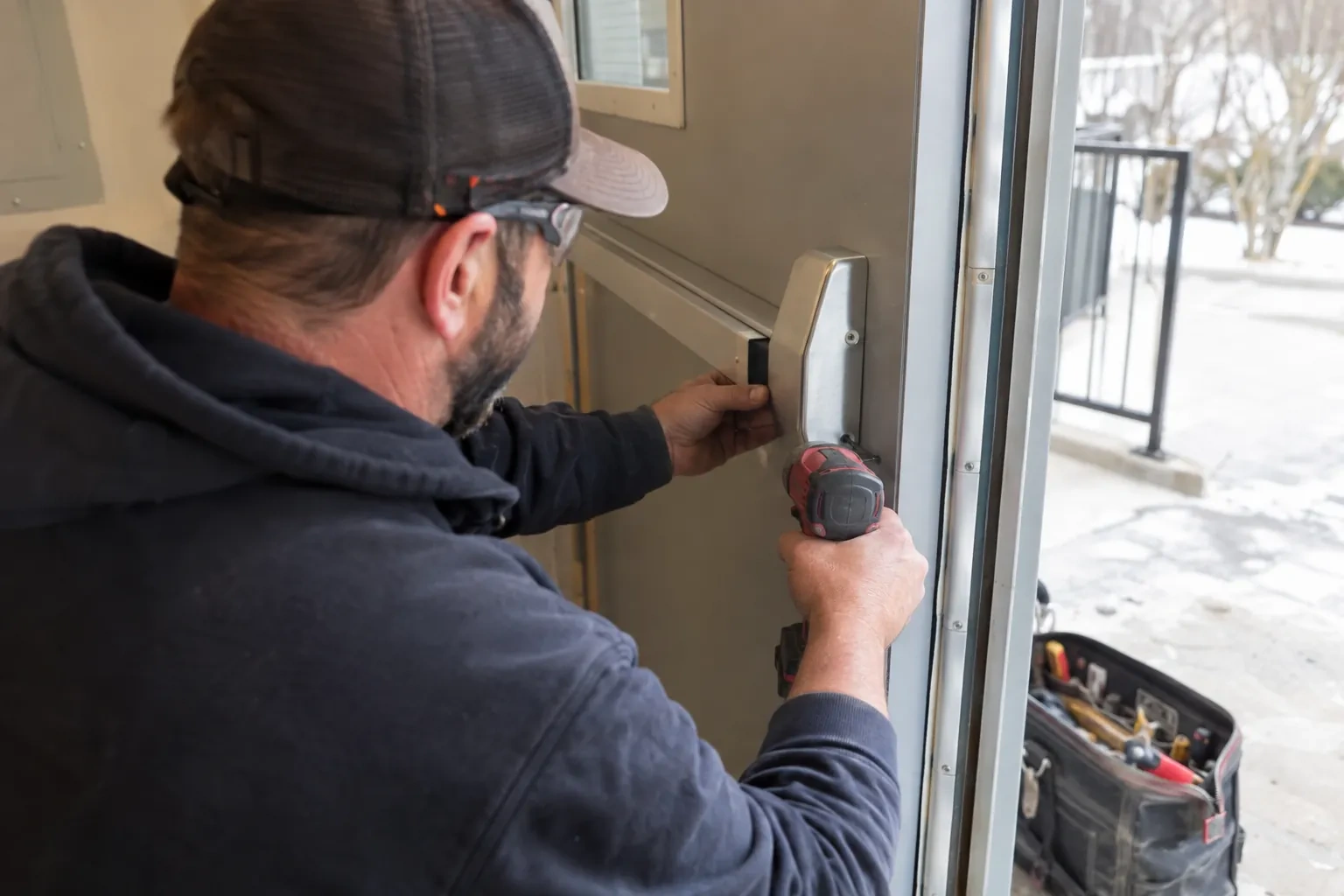
Most replacement keys are made where the car is parked. A mobile locksmith carries blanks, a cutting machine and programming equipment in the van, plugs into the diagnostic port and does the work on your driveway, in a parking garage or at the roadside. For most vehicles there is no need to move the car to a shop, and you watch the key cut and tested on the spot; a few systems still need a dealer or an equipped shop, flagged by the VIN check. The locksmith needs the vehicle's identity, proof of ownership, and what the old key could do, so the right parts are on board.
How the visit goesThe fob went through the washing machine in a jacket pocket. It came out clean and completely silent. Nothing unlocks, the push-button start ignores it, and the little metal blade hidden inside only opens the driver's door.
Car Key Replacement
How the visit goes
Reading the VIN for the key system
The seventeen-character VIN tells the locksmith what kind of key the car was built with. From it, together with the year, make and model, comes the blade profile (a plain edge cut or an internal high-security cut), the transponder type and immobilizer generation, the remote's frequency and part number, and whether the car uses a proximity fob, or instead a phone-key or key-card system with no cut blade at all. This lookup happens before the visit so the correct blank, shell or fob is in the van, and it flags systems needing a security PIN, manufacturer data or a dealer procedure. A photo of the old key, if any survives, confirms the reading.
Cutting a blade to the factory code
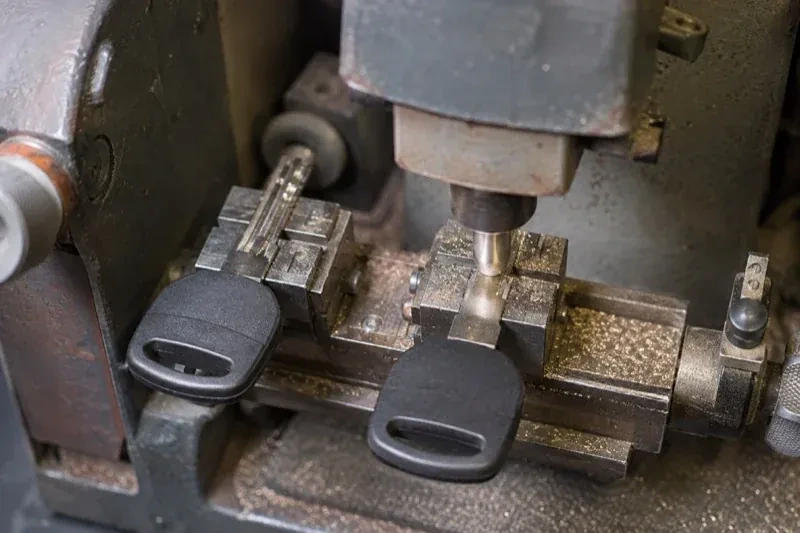
Vehicles equipped with a coded mechanical key leave the factory with a key code that describes the exact depths of its blade. When that code can be retrieved for your VIN, the locksmith enters it into a code-cutting machine, which mills a blank to the original specification rather than tracing a worn key. The result is a blade that matches the locks as they were built, seats fully in the ignition and lifts each wafer to the correct height. Cutting to code is the preferred route for any replacement, and it is the only sensible route when the existing key has worn thin or been copied several times over.
A spare, and the reason to keep it away from the car
Two working keys change the shape of every future visit. With one in hand, adding another is a short programming routine; with none, the car has to be opened, decoded and reset. For that reason the locksmith will usually suggest making the spare while the tools are out, and will suggest a home for it that is not the glovebox, the console or a magnetic box under the bumper. A drawer at home, a trusted family member or a small lockbox all work. Test the spare every few months so a flat coin cell is discovered on a Sunday afternoon rather than in a parking lot.
Car Key Replacement
In the van
Remote frequency tester
Decoding pick and lock reader
Proximity fob with emergency blade
Transponder key blank
Vehicle battery maintainer
Car Key Replacement
What affects the quote
Year, make and model
The vehicle decides the blank, the chip and the programming route. A twenty-year-old sedan with a plain transponder key and a recent proximity-start model are different jobs, and the quote follows the VIN rather than a flat figure.
Shell only, or a complete key
If your key's electronics are healthy, a new case and blade around the old board is a smaller job than a complete key with programming. The inspection decides which, before anything is quoted.
One working key or none
A spare added beside a working key is a shorter routine. Starting from nothing means working through whatever that vehicle's own all-keys-lost procedure calls for, commonly opening the car, decoding the lock and resetting the immobilizer, and the quote reflects those extra stages.
What to have ready
- Was the key lost, stolen, broken, or damaged by water?
- Do you have photo identification and the vehicle permit with you?
- Is there an aftermarket alarm or remote starter fitted to the car?
Car Key Replacement: questions
QuestionsThe car is leased or belongs to my employer. Can you still make me a key?
Yes, with the right paperwork. For a leased car, the lease agreement in your name together with your identification and the permit covers it. For a company vehicle, the locksmith needs authorization from the business: a work order, purchase order or letter naming the VIN and the person collecting the key. Mention the arrangement when you call so the correct document is ready and the record can be completed properly.
The key snapped off inside the lock. What happens now?
The broken piece is drawn out with an extractor that grips it rather than pushing it deeper, and the cylinder is checked for damage. The head of the key, if it survived, still holds the chip and the remote, so it can be rebuilt around a new blade in a new case without any programming. If the whole key was lost with the break, a fresh transponder key is cut to code and programmed as usual.
Does the car have to be towed to a shop?
Often not. The cutting machine, blanks and programming tool travel in the van, and the work is done where the car sits: a driveway, a parking garage, the roadside or a workplace lot. The locksmith connects to the diagnostic port under the dash and cuts and programs on the spot. An unsupported or dealer-only system may still need the vehicle to go to a dealer or a suitably equipped shop, which the VIN check flags beforehand.
Related services
- Spare Car Key DuplicationThe proximity fob has ridden in a pocket for years, the range feels shorter than it used to, and a dashboard warning mentioned a battery a while back.
- Key Fob ProgrammingA fob went missing weeks ago somewhere between a coat pocket and a parking lot, and a spare has covered the gap since.
- Transponder Key ProgrammingThe blade snapped off flush with the door lock last winter, and the shop that cut a replacement only matched the metal shape.