High security · Maryhill
Safe Installation & Servicing in Maryhill
The office is moving three blocks over, and the old commercial safe that has sat bolted to the concrete for fifteen years now needs to come out, travel across town, and go back down just as solidly.
In plain words
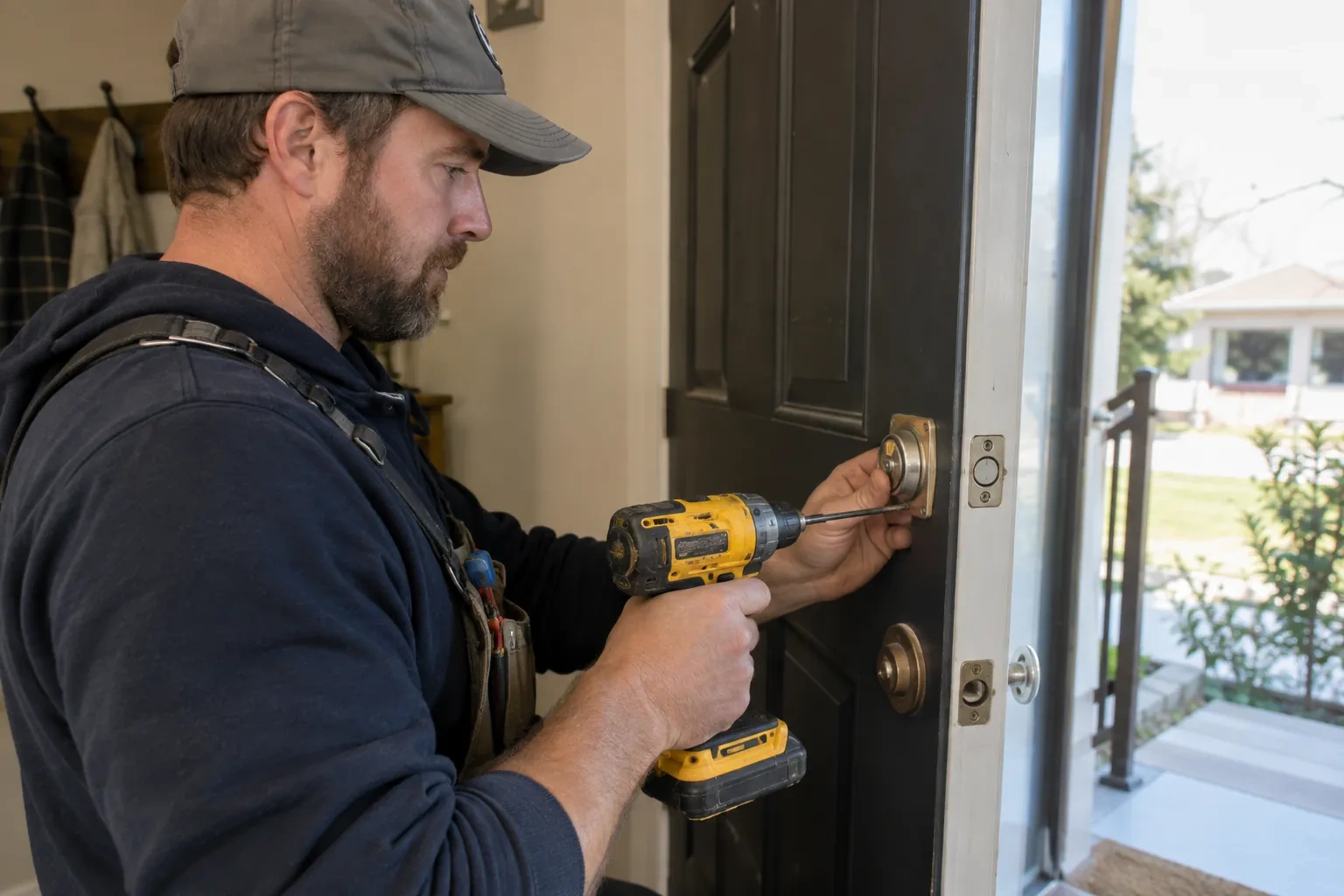
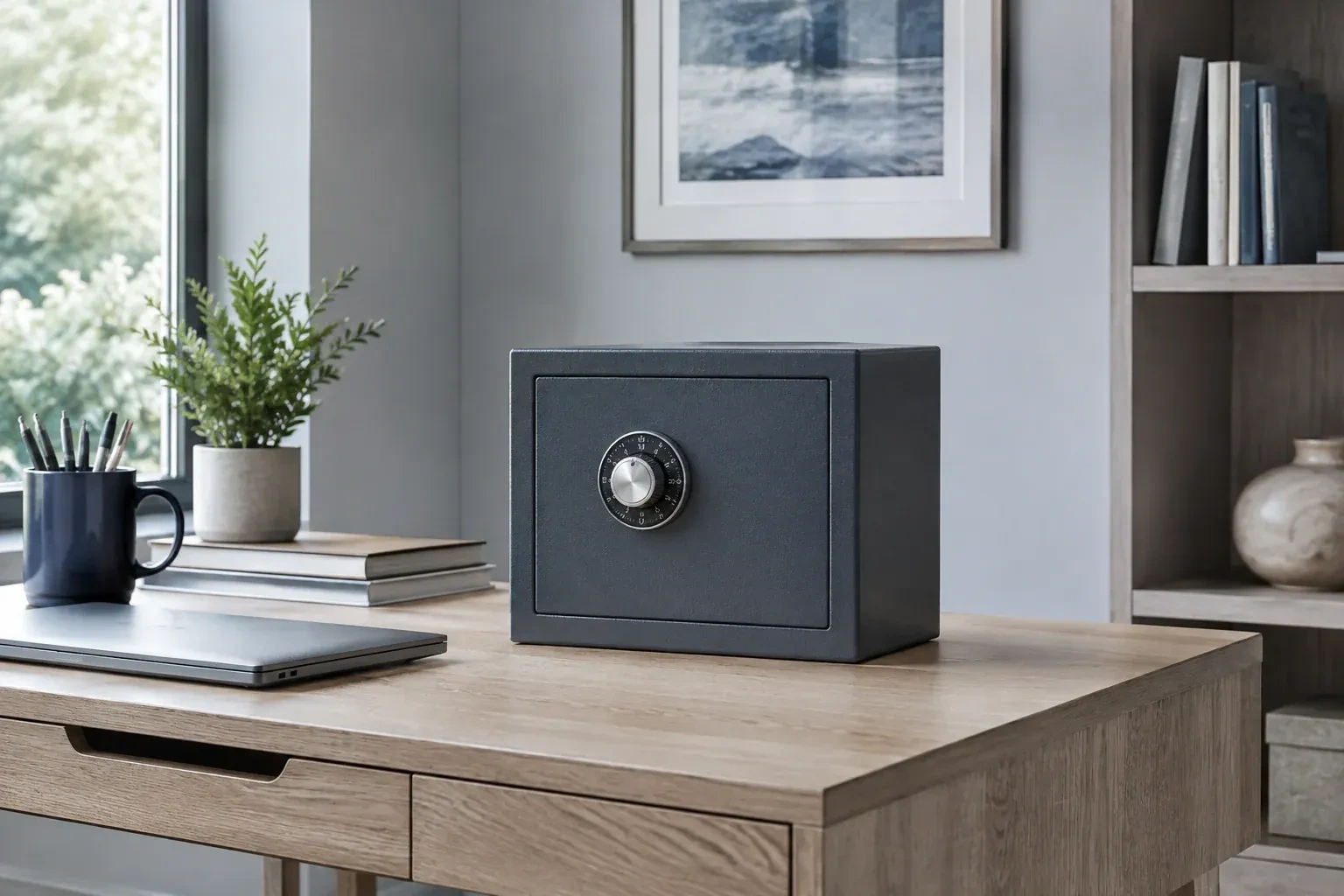
Safe installation and servicing starts with a plain question: what needs protecting, and from what. A till float and a box of paper contracts fail in completely different ways, so a burglary rating and a fire rating are chosen separately rather than assumed from one label. Once the right unit is picked, it is set in its final spot, leveled, and anchored into the floor or wall so it cannot be carried off. The lock, whether a dial or a keypad, is set to a combination or code only the owner holds, then cycled and tested before anyone signs off on the job.
How the visit goesThe till drawer has been holding two days of cash because the new shop never got a proper safe, and a locked drawer under the counter is the only thing standing between that cash and anyone who works late.
Safe Installation & Servicing
How the visit goes
Where the safe will actually be used, not just placed
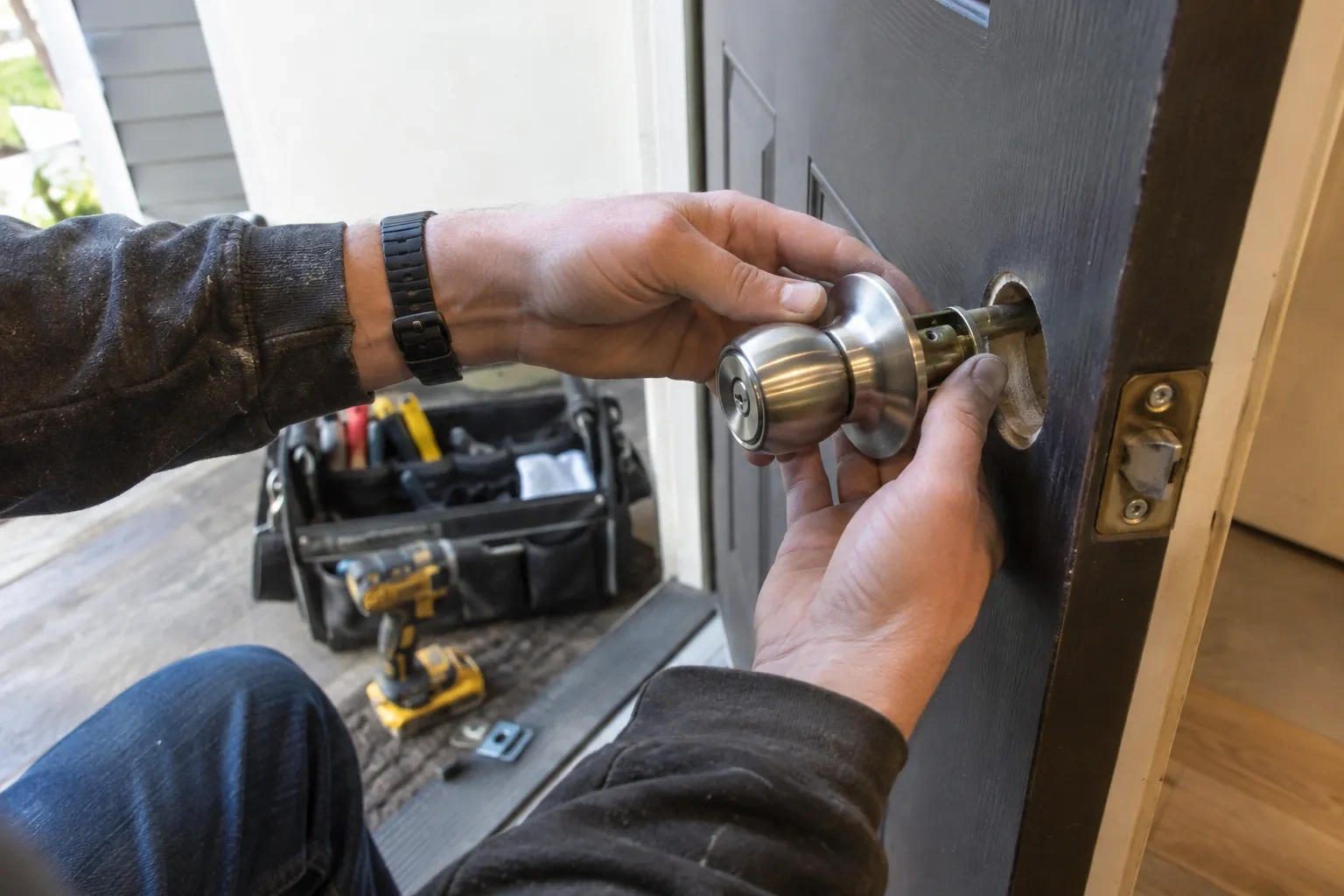
A safe tucked into a spot nobody can reach easily gets used less often than intended, and one left in plain view of every visitor invites attention it does not need. The locksmith talks through how often the safe will be opened, by how many people, and at what time of day, since a till safe opened every hour wants a different position than a document safe opened twice a year. Concealment behind a panel or inside a closet is weighed against how practical daily access needs to stay.
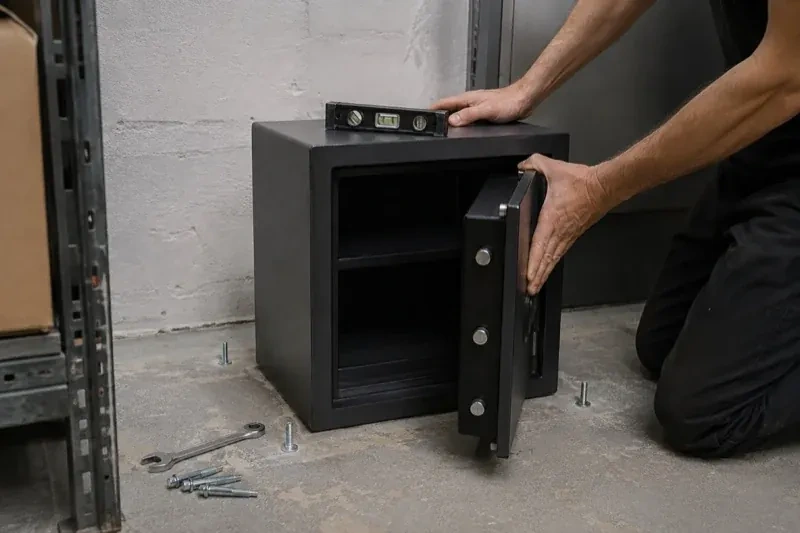
Anchoring into a concrete floor
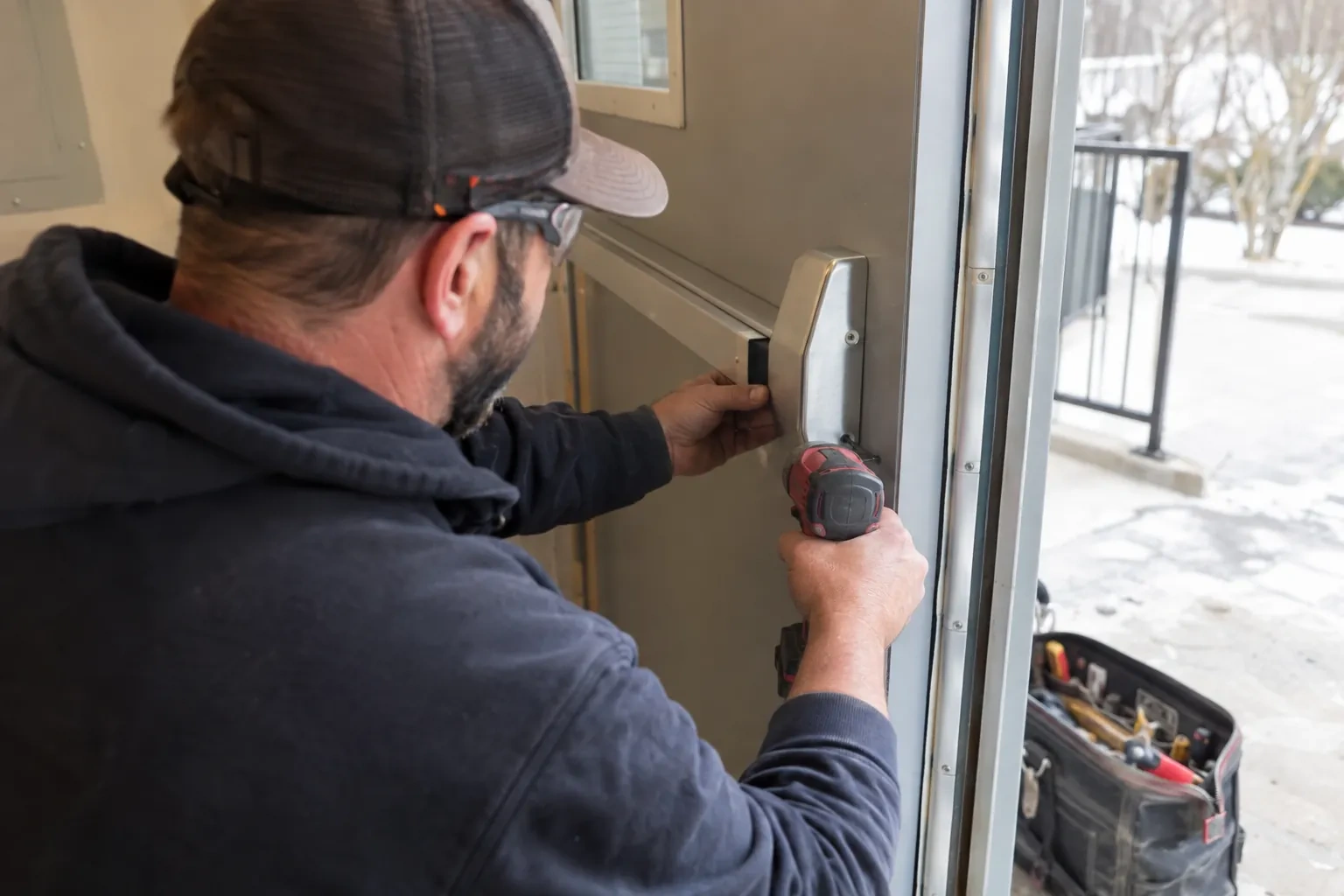
On a concrete floor, holes are drilled through the safe's pre-cut anchor points with a hammer drill and a masonry bit sized to the anchor hardware, and the dust is cleared from each hole so the anchor seats fully rather than on loose grit. Concrete anchor bolts are driven in and torqued to the hardware manufacturer's specification, tight enough to resist prying but not so tight that the anchor or the safe's own steel is stressed. The safe is tested afterward by hand to confirm it does not rock or shift.
What changes if the household or business grows
A safe sized for today's cash float or paper files can be outgrown well before it wears out, and it is worth thinking about that possibility rather than assuming the same unit fits forever. A second smaller safe for a different purpose, an upgraded rating as a business takes on more overnight cash, or an additional user code as staff changes are all changes that build on the existing installation rather than replacing it outright.
Safe Installation & Servicing
In the van
Desiccant packets
Mounting plate
Rated safe (burglary and fire)
Torque wrench and socket set
Hammer drill and masonry bits
Safe Installation & Servicing
What affects the quote
Access route to the final position
Stairs, narrow doorways, tight corners, and whether an elevator or loading dock is involved all affect how the safe gets to its spot and how much handling that route requires.
Burglary rating chosen
A higher burglary rating generally means a heavier, more solidly constructed body, which affects both the unit itself and the equipment needed to move and anchor it.
Requests for concealment
Fitting a safe into a closet floor, a recessed wall cavity, or behind a built-in panel takes more planning than a straightforward open placement, and can limit which units will actually fit.
What to have ready
- Do you currently know the combination or code?
- When were the batteries last changed, if it is electronic?
- What will the safe mainly store?
Safe Installation & Servicing: questions
QuestionsCan an existing safe be bolted down after years of sitting loose?
In most cases, yes. The floor or wall behind it is checked the same way as for a new installation, anchor points on the safe itself are located, and hardware suited to that surface is fitted without needing to move the unit far from where it already sits. An older safe occasionally has anchor holes that were never used, which makes this part of the job simpler than starting from scratch.
How do I know what rating of safe I actually need?
Start with what will be inside it. Cash, jewelry, and firearms mainly need protection from tools and time, so the burglary rating matters most. Paper records and digital backups mainly need protection from heat, so the fire rating matters most, and digital media needs a noticeably lower internal temperature than paper to survive. Many households and businesses end up choosing a unit built to both standards rather than picking just one.
Will you service a safe that another company installed?
Yes, servicing does not depend on who did the original installation. The locksmith opens the bolt-work, tests the lock through a full cycle, checks the anchoring underneath, and replaces batteries in an electronic lock as needed, regardless of the brand or who fitted it originally. Not knowing the history of the unit just means a slightly more thorough first look before any work begins.